



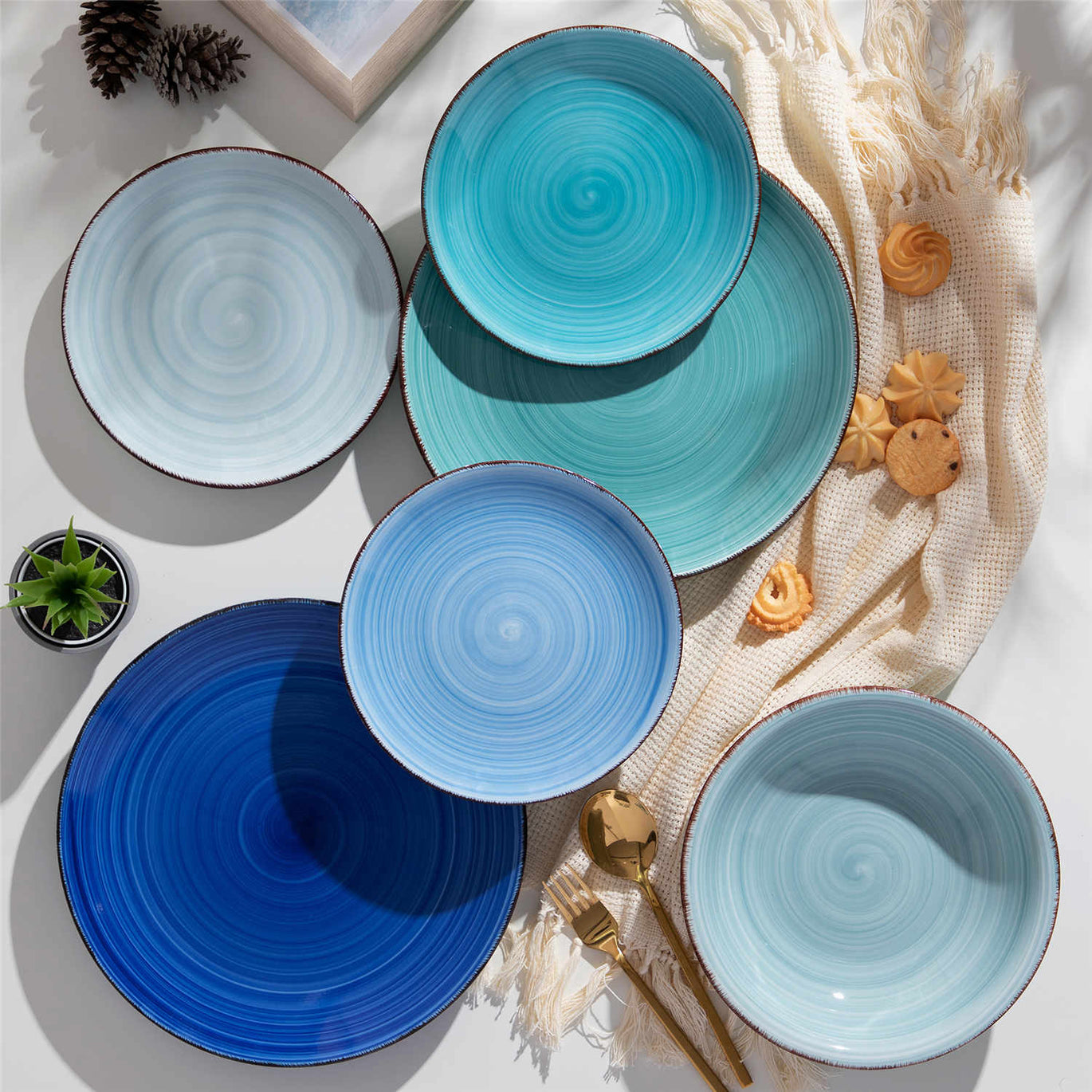


The Importance of Children’s Involvement in Choosing Ceramic Tableware

Pull up a chair for a moment and picture this: a child’s hand tracing the rim of a small, sun-yellow ceramic bowl, eyes bright because this one is theirs. Not just handed to them, but chosen with them. The material is safe, the glaze is lead‑free, and the colors make broccoli look almost…exciting. That tiny act of choice can transform mealtimes from “Sit down and eat” into “This table is our shared canvas.”
As someone who spends a lot of time styling colorful family tables and talking with parents, potters, and pediatric experts, I’ve learned that what kids eat from matters just as much as what they eat. Research compiled by non‑toxic living writers, pediatric hospitals, and ceramic makers all point to the same message: dinnerware materials influence children’s health, comfort, and sense of belonging at the table. When you invite your child into the decision—especially around safe ceramic tableware—you are not just picking plates. You are shaping their daily rituals, their environmental habits, and even their respect for “real” things.
Let’s explore why.
Why Dinnerware Material Matters More Than Most Parents Realize
Before we talk about color palettes and cute motifs, we need to talk chemistry. Several health and design sources on children’s dinnerware agree on one core idea: non‑toxic dinnerware simply means plates, cups, and bowls that do not leach harmful chemicals into food, especially when heated or used with oily or acidic dishes.
Writers at Ashley Alexis Creative describe non‑toxic kids’ dinnerware as free of BPA, phthalates, PVC, melamine, and lead. Parenting and health brands like Anzhu and Wellthya add other red‑flag chemicals to the list, including BPS, cadmium, PFAS coatings, and the formaldehyde used in many melamine and bamboo composites. Pediatric experts at Children’s Health explain that many of these substances act as endocrine disruptors, meaning they interfere with hormone systems that influence growth, metabolism, reproduction, mood, and more.
These chemicals do not just sit quietly in the plate. Articles from Wellthya and Children’s Health point out that heat, acidity, and repeated wear make them more likely to migrate into food. Think about the reality of your own kitchen: hot soups, tomato‑based sauces, curries, and oily stews are exactly the kinds of meals families serve over and over. When those dishes are ladled into plastic or melamine bowls, children may receive repeated small doses of chemicals that their developing bodies are less able to handle.
There is a similar concern with poorly made or decorative ceramics. Several pieces from Emerson Creek Pottery and Wellthya emphasize that ceramic is a time‑tested, non‑toxic material only when it is explicitly lead‑free. Older or unregulated glazes may contain lead or cadmium that can leach into food, particularly with acidic ingredients.
On top of that, Wellthya writes about microplastics—tiny plastic fragments shed from scratched or heat‑stressed plastic plates and cups—which children take in at higher levels relative to their body size. Children’s Health notes that avoiding microplastics entirely is impossible, but swapping plastics for safer materials such as glass, stainless steel, and ceramic is one of the most practical ways to reduce long‑term exposure.
So the foundation is clear. The material matters, in a way that is anything but abstract. Our goal is to harness the strengths of ceramic safely while letting children help shape their own place at the table.
Ceramic Tableware 101: What Makes It Special For Kids?
Ceramic kitchenware, described by brands like HOCC and Saje Rose, starts with natural clay, water, and minerals shaped and fired at high temperatures to create a non‑porous, food‑safe surface. Unlike many non‑stick pans and coated plastics, high‑quality ceramic avoids PFOA, PTFE, and similar synthetic coatings. When properly glazed and tested, it does not leach chemicals into food.
From a functional standpoint, the benefits line up neatly around both health and everyday convenience. Ceramic does not react with food or impart metallic off‑flavors, which means the food your child sees is the food they taste. HOCC notes that ceramic distributes heat gently and evenly, helping meals reheat without scorched edges or cold centers. Saje Rose highlights another practical magic trick: ceramic retains warmth for hot foods and keeps cool dishes pleasantly cool, which can be especially helpful when kids eat slowly.
Ceramic is also naturally non‑stick enough to clean without aggressive scrubbing or harsh chemicals. Many lead‑free ceramic dishes, including those from Emerson Creek Pottery, Childish Plates, and MALACASA, are both microwave‑safe and dishwasher‑safe, a detail that matters when you are reheating oatmeal at 7:30 AM and loading the dishwasher at 7:30 PM.
Finally, ceramic is a quiet sustainability hero. Articles from Saje Rose and Yongjian describe ceramic tableware as long‑lasting, made from abundant natural materials and able to stay in use for decades, unlike disposable plastic plates that head to landfills after a few months of service. Ceramic does not break down into microplastics, does not release toxins as it ages, and is considered benign in the environment compared with plastics.
For children, that mix of safety, performance, and beauty can be powerful—but only if we pair it with age‑appropriate design and careful supervision.
Pros of Ceramic For Children’s Meals
Several sources that focus on kids’ dishes tie ceramic’s general benefits directly to children’s needs.
Ceramic, when lead‑free and food‑safe, is inert. Childish Plates emphasizes that properly glazed ceramic does not leach chemicals even when heated and is regarded by the FDA as one of the safest food‑contact materials. Parents concerned about BPA in plastics or melamine in kids’ plates often find relief in the simple, well‑documented chemistry of a trusted ceramic brand.
Ceramic is also visually expressive in ways that matter to kids’ appetites and emotions. MALACASA, which manufactures porcelain sets for family meals, underscores how shape, color, and gloss can make simple dishes feel special. Their deep pasta bowls are designed to hold generous portions without spills, while clean, neutral tones and gentle curves help food look inviting. Get Fresh, a bamboo tableware brand that compares different materials, notes that bright, warm colors—including yellows and reds—tend to stimulate appetite in children who are hesitant eaters. When those colors appear on safe ceramic plates and bowls, they can turn “I don’t like this” into “What is this?” which is already a win.
Ceramic’s weight can actually be a pro. Childish Plates points out that their ceramic kids’ plates are deliberately heavier than plastic. The extra heft, especially when paired with a food‑grade silicone base, helps plates stay put on the table. That reduces accidental tipping during eager scooping and improves a child’s sense of control. Wildini, which makes child‑size ceramic mugs, observes that giving children well‑sized ceramic mugs to handle between roughly ages two and six supports fine motor skills and teaches them to treat fragile objects with care.
Emotionally, ceramic carries a different message than disposable or noisy plastic. Emerson Creek Pottery argues that children benefit from using “real goods” similar to the sturdy, handmade dishes adults use. When kids are trusted with the same kind of material the grown‑ups use—with appropriate safeguards—they receive a powerful message: you belong here; you are capable; this shared table is for you too.
Cons and How To Manage Them
Ceramic’s drawbacks are real and deserve just as much attention, especially in households with very young children.
First, ceramics can break. Emerson Creek Pottery and Get Fresh both point out that ceramic and porcelain are fragile and, when they shatter, can create sharp pieces that pose a risk of injury. Get Fresh explicitly advises against using ceramic dishes to teach children under three to eat independently, and Anzhu and LeafScore echo the idea that ceramics are better suited to older kids rather than toddlers.
Ceramic can also be relatively heavy for small hands. The Get Fresh article notes that porcelain, a type of high‑fired ceramic, may be too heavy for toddlers, even though it is very durable and attractive. Heavy plates and bowls may slip from little fingers, especially when children are still mastering the mechanics of self‑feeding.
Finally, ceramics need to be both lead‑free and well maintained. Several sources, including Emerson Creek Pottery, Wellthya, and Anzhu, emphasize that decorative or imported ceramics can contain lead or cadmium in their glazes. Scratches, chips, and cracks are not only a physical hazard; in some cases, they may expose underlying material. Get Fresh even recommends discarding ceramic dishes that have visible scratches.
The good news is that these drawbacks are manageable when you blend smart product choices with thoughtful routines. That is exactly where involving your child becomes a surprisingly powerful safety tool.

The Hidden Superpower: Letting Kids Help Choose Their Ceramic Dishes
Most conversations about kids and dinnerware frame children as passive recipients: adults research, compare, and purchase, then toss a plate in front of a child and hope it survives the meal. But multiple sources point toward a different, more collaborative approach.
Emerson Creek Pottery writes beautifully about how children are happiest when they are included in everyday family activities: eating, working, gardening, and more. Using “real goods,” rather than flimsy plastic objects designed to separate kids from adult life, signals that they are full members of the family. Childish Plates comes to a similar conclusion from a design angle, describing how they intentionally test plate weight, edge curve, and illustration so children can set their own place and develop “rituals of care” around their ceramic plate.
These insights line up neatly with what I see when families invite kids into the tabletop conversation. When children help choose their plate—the color, the animal motif, the size of the bowl—they feel ownership. They want to carry it to the table, to clear it afterward, to show it to grandparents on video calls. The ceramic plate becomes part of the story of dinner, not just a prop.
Visual design plays an important supporting role. Get Fresh notes that kids respond strongly to warm, bright colors and playful characters, and that choosing a yellow or red plate can boost appetite for hesitant eaters. MALACASA emphasizes that elegant shapes and glossy finishes can make even simple meals feel like an occasion, helping children learn table manners and appreciate family dining. Joyye, a brand that designs kid‑friendly tableware with adult‑friendly aesthetics, argues that minimizing “babyish” clutter on the table helps kids feel integrated into the broader setting.
When children are allowed to participate in choosing ceramic pieces that are genuinely safe and thoughtfully designed, several things happen at once. Their sense of belonging grows, their appetite may improve, and their respect for fragile, beautiful objects increases. That respect is not just sentimental; it is a practical safety feature. Childish Plates openly acknowledges that ceramic can break, yet they frame that possibility as a teaching moment. With your guidance, a child can learn that real dishes deserve gentle handling—and that lesson tends to reduce intentional plate‑throwing far more effectively than unbreakable plastic does.

Age‑by‑Age: Involving Kids Safely in Ceramic Choices
Of course, how you involve a one‑year‑old in tableware decisions looks very different from how you involve a second‑grader. Several sources provide age cues that can help you pace the shift toward ceramic.
Toddlers and Early Self‑Feeding
Around nine to twelve months, many babies begin to show interest in feeding themselves. Get Fresh points out that at this stage, even the sweetest child may drop or throw a plate from a highchair. That is why they recommend shatter‑resistant materials like bamboo, which they describe as environmentally friendly, hypoallergenic, safe for food contact, and resilient when dropped. Anzhu and LeafScore similarly suggest materials such as stainless steel, tempered glass with sleeves, plant‑based composites, or high‑quality silicone for young toddlers, while saving ceramic and porcelain for older children.
This does not mean toddlers cannot have a say. They can still choose the color of their bamboo bowl, the character on their silicone suction plate, or the pattern on a stainless steel cup. Joyye describes how design features like deep rims, compartments, and suction or non‑slip bases help children at this age develop independence while minimizing spills. You can talk with your toddler about which color makes their food look yummiest, or which section of the divided plate will hold their carrots. They are practicing choice within a safety framework you set.
Ceramic can still appear, but more as a shared object than a self‑feeding tool. A small lead‑free ceramic dipping bowl that you hold, a family serving platter, or a parent’s mug used out of reach can plant the visual seeds for later.
Preschoolers Learning “Rituals of Care”
By the time children move into the three‑to‑five‑year range, many are steadier with utensils, more aware of consequences, and eager to be treated as “big kids.” This is where child‑designed ceramic really shines.
Childish Plates, for example, designs plates specifically for young children, combining thick, chip‑resistant ceramic with removable silicone bases approved for food contact. They test grip, weight, and curves so kids can scoop food effectively while the plate stays put. Wildini’s BittyMugs offer child‑sized ceramic mugs that let preschoolers practice drinking warm beverages from real mugs rather than plastic sippy cups.
At this stage, you can invite your child to choose a ceramic plate or bowl within a shortlist of options that you have already vetted for safety: clearly labeled lead‑free, food‑safe, and compliant with relevant standards. Talk together about why the heavier plate feels different from plastic, why you both handle it more carefully, and how it can go in the microwave or dishwasher because the glaze is designed for heat and detergents. By connecting the dots between material, behavior, and privilege, you turn ceramic into a tool for both health and character.
School‑Age Kids and “Grown‑Up” Sets
For children five and older, many brands and experts consider ceramic a realistic everyday option, assuming the child has had some practice with handling and the household supervises appropriately. Anzhu notes that certified lead‑ and cadmium‑free porcelain and ceramic are especially suitable for older kids. MALACASA leans into this by showcasing porcelain sets that are both practical and elegant, making meals feel special while still withstanding daily use.
At this age, kids can participate in more complex decisions. They can help choose a family set from a brand that emphasizes non‑toxic glazes and eco‑conscious production, such as the domestic potteries described by Emerson Creek or the environmentally focused producers highlighted by Yongjian. They can decide which color bowls will be “soup bowls” and which plates will be used for Friday pizza night. They may even help research what terms like “lead‑free” or “FDA‑approved food contact” mean, turning material safety into a real‑world science lesson.
Practical Ways to Co‑Create a Safe, Joyful Ceramic Place Setting
Once you are ready to bring your child into the ceramic conversation, a few practical strategies can keep the process joyful and grounded in safety.
Start with the label, then move to the look. Multiple sources, including Ashley Alexis Creative, Anzhu, Wildini, and Emerson Creek Pottery, recommend looking for clear indications that a dish is lead‑free, non‑toxic, and suitable for food contact. Phrases such as BPA‑free, phthalate‑free, lead‑free, and FDA or similar food‑contact certifications are strong starting points. Some brands, like Wildini and Childish Plates, explicitly mention testing to meet strict standards, including California Proposition 65; others, like Emerson Creek, emphasize their lead‑free clays and glazes.
Once you know a set meets those criteria, bring your child into the aesthetic decisions. Draw from what brands have learned: Get Fresh highlights appetite‑boosting warm colors; MALACASA shows the calming power of soft neutrals and curves; Joyye underscores the value of designs that look at home alongside adult dishes. Ask your child which color makes peas look friendlier, whether they prefer round or slightly squared edges, whether animals, simple patterns, or solid colors feel most “like them.” The decision is framed by your safety standards, but the expression is theirs.
Blend materials to match developmental needs. Ashley Alexis Creative encourages parents to mix and match materials, such as pairing bright bamboo bowls with neon silicone cups or stainless steel utensils. You can extend that approach around ceramic. For a preschooler, you might choose a lead‑free ceramic plate with a silicone base, a stainless steel fork, and a soft silicone cup. For a school‑age child, you might move to a full ceramic plate and bowl set while keeping stainless steel utensils and perhaps a tempered glass or ceramic mug for drinks.
Model mealtime behavior intentionally. Emerson Creek Pottery recommends supervising babies and eating with them to reduce plate‑throwing and make meals sociable rather than isolating. That advice remains useful as children graduate to ceramic. Sit at the table together, demonstrate how you carry your own ceramic plate with two hands, and invite your child to mirror you. When a chip or crack does happen, walk through why the plate must be retired, echoing Get Fresh’s guidance that scratched ceramics should be discarded for safety. This reinforces both health practices and respect for objects.
Maintain your ceramic pieces as an ongoing ritual. Wellthya and Anzhu stress the importance of non‑porous, scratch‑resistant surfaces and routine inspection for damage. In practice, this can become a gentle weekly ritual with your child: quickly checking plates and bowls for chips before stacking them away. Discarding a beloved plate can be bittersweet, but it also underlines that safety and care go hand in hand.

Comparing Popular Kids’ Dinnerware Materials At A Glance
To keep the big picture clear, it helps to see where ceramic sits among other common kids’ dinnerware materials described in the research.
Material (for kids) |
Key health notes from sources |
Pros for children and parents |
Main cautions from sources |
Conventional plastic |
Often contains BPA, phthalates, and other additives; endocrine disruptors linked to reproductive and metabolic issues (Emerson Creek, Wellthya, Children’s Health). |
Lightweight, cheap, widely available, marketed as “kid‑safe.” |
Can leach chemicals, especially with heat, oils, or acidity; scratches shed microplastics; many experts advise avoiding for daily hot meals. |
Melamine plastic |
Made from melamine and formaldehyde; studies show melamine can transfer into hot foods and raise urinary levels in children (Wellthya). |
Lightweight, shatter‑resistant, colorful. |
Not safe for hot or microwaved foods; associated with kidney stone risk and kidney damage; often combined with bamboo powder in composites. |
Poorly regulated ceramic |
Glazes or paints may contain lead or cadmium; leaching risk rises with acidic foods (Wellthya, Anzhu). |
Same tactile and visual appeal as safe ceramic. |
Heavy metal exposure is especially harmful to children’s brains; safety is hard to verify without clear labeling and testing. |
Lead‑free ceramic and porcelain |
Made from natural clays and lead‑free glazes; non‑reactive, non‑porous, and tested for food safety (Emerson Creek, Childish Plates, Wildini, HOCC, MALACASA). |
No chemical leaching when properly made; microwave‑ and dishwasher‑safe in many cases; excellent heat retention; beautiful designs encourage mindful eating. |
Breakable and sometimes heavy; better for supervised meals and older kids; scratched, chipped, or cracked pieces should be retired. |
Stainless steel |
Inert, non‑porous, and free of BPA, phthalates, melamine, and lead when food‑grade (Ashley Alexis Creative, Wellthya, Joyye, Anzhu, LeafScore). |
Extremely durable, lightweight, easy to sanitize, long‑lasting; widely recommended as one of the safest options. |
Not microwave‑safe; can feel less cozy or colorful on its own unless paired with other materials. |
Bamboo (true, melamine‑free) |
Natural, biodegradable, hypoallergenic; does not emit harmful substances when uncoated (Ashley Alexis Creative, Get Fresh, Anzhu, LeafScore). |
Eco‑friendly, light, and shatter‑resistant; gentle on small hands; great for babies and toddlers. |
Many “bamboo composite” products mix in melamine; these should be avoided; pure bamboo often should not go in microwaves or dishwashers. |
Food‑grade silicone |
Inert when high quality and properly cured; free from BPA, phthalates, PVC in reputable brands (Ashley Alexis Creative, Joyye, Anzhu, LeafScore). |
Flexible, unbreakable, often with suction bases; ideal for early self‑feeding and travel; often dishwasher‑ and oven‑safe within temperature limits. |
Can absorb soap odors if not rinsed well; sustainability is moderate because silicone is not easily recyclable. |
Tempered glass |
Non‑reactive and free from plasticizers; transparent so kids can see contents (Ashley Alexis Creative, LeafScore). |
Robust enough for some children; eco‑friendly and long‑lasting; works well with silicone sleeves. |
Still breakable if dropped hard; weight and fragility may limit use with very young children. |
In most households, the sweet spot is not choosing a single “forever” material, but rather shifting the balance over time: starting with stainless steel, bamboo, silicone, and tempered glass in the baby and toddler years, then inviting children to graduate into carefully chosen lead‑free ceramic as their coordination and sense of responsibility grow.

FAQ: Ceramic Tableware and Kids’ Choices
Is ceramic really safe for kids, or should I stick to stainless steel forever?
Both stainless steel and high‑quality, lead‑free ceramic are considered very safe when used as intended. Expert summaries from Wellthya and Anzhu highlight stainless steel as a gold‑standard for non‑reactive, toxin‑free kids’ dishes, especially for hot and acidic foods. Ceramic adds aesthetic warmth and thermodynamic benefits, but only when the clay and glaze are lead‑free and tested for food contact, as described by brands like Emerson Creek Pottery, Wildini, and Childish Plates. Many families use stainless steel as a baseline and introduce ceramic gradually, with supervision, as children grow.
At what age can my child start using ceramic every day?
There is no single magic birthday, but several sources provide guidance. Get Fresh and LeafScore suggest that ceramic and porcelain are too breakable for toddlers who are still likely to throw or drop dishes. Anzhu indicates that certified lead‑ and cadmium‑free ceramics are best for older children. Many families find that preschoolers can begin using kid‑designed ceramic plates and mugs at home, under supervision, and that school‑age children handle full ceramic sets comfortably, especially when they have been part of choosing them.
What should I do if a favorite ceramic plate chips or scratches?
Get Fresh recommends discarding ceramic dishes that develop scratches, and safety‑focused sources agree that chips and cracks are reasons to retire a piece. Sharp edges can cut skin, and damage may compromise the glaze. This is disappointing, especially when a plate carries sentimental value, but you can frame the moment as a lesson: the plate did its job well, it deserves a respectful goodbye, and together you can choose a new, safe favorite.
A child’s place at the table is more than a seat; it is a little stage where health, habit, and identity play out three times a day. When you invite your child into the process of choosing safe ceramic tableware—grounded in lead‑free glazes, thoughtful design, and honest conversations about care—you are not just curating a colorful tabletop. You are curating a childhood filled with real materials, shared rituals, and the quiet confidence of being trusted with something beautiful. Dress the table in color, hand them a say in the choice, and let every clink of ceramic be a tiny celebration of growing up well.

References
- https://www.anzhucraft.com/non-toxic-dinnerware-for-kids/
- https://ashleyalexiscreative.com/non-toxic-dinnerware-that-kids-and-parents-will-love/
- https://www.childrens.com/health-wellness/are-plastic-chemicals-leaking-into-your-childs-food
- https://emersoncreekpottery.com/switch-to-lead-free-dishes-for-a-safer-mealtime-for-your-family/?srsltid=AfmBOooFeV2HwnPu428WBG-N3T9TKUdvAjFOIYpwb_TnAgrsY0BPKo4K
- https://www.healthierhomes.com/post/what-is-the-safest-lead-free-dinnerware?srsltid=AfmBOop-Y0xF3fX_gharLnKRu9nOjBg5-OKZ9QxNgfvgbLclsmWCcFAj
- https://hocc.in/benefits-of-using-ceramic-kitchenware-for-your-familys-health/
- https://joyye.com/info-detail/kid-friendly-tableware-that-parents-will-love-too
- https://kasem-international.com/choosing-sustainable-tableware-what-to-look-for-and-why-it-matters/
- https://www.thenourishinggourmet.com/reducing-plastic-in-childrens-tableware/
- https://wildini.com/pages/why-ceramic
Sie können auch mögen
Stern 16 Stück Geschirr Set
- €87,95
€99,95- €87,95
- Stückpreis
- per
-
Blue
-
Green
-
Red
-
Grey
Simi 24 Stück Geschirr Set
- €99,95
€137,95- €99,95
- Stückpreis
- per
Bonita 18-teiliges Geschirrset
- Von €62,95
€77,95- Von €62,95
- Stückpreis
- per
-
Blue
-
Multicolor
Simi 24-teiliges Tafelservice mit doppelseitigen Schüsseln
- €104,95
€137,95- €104,95
- Stückpreis
- per