



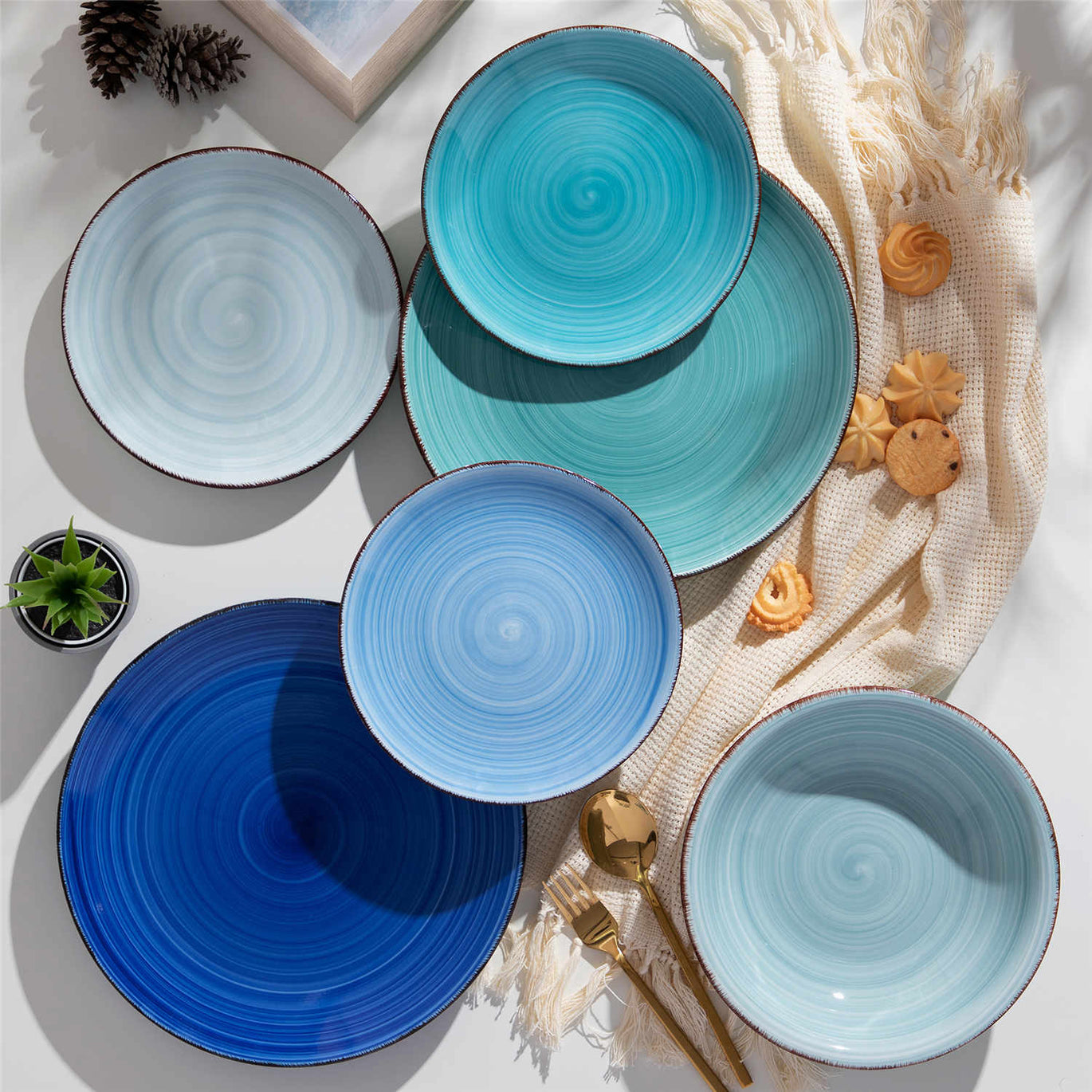


The Future of Gender‑Neutral Ceramic Tableware Design

Gender at the table used to be quiet but loud. Before anyone said a word, the plates, colors, and curves were already whispering “his” and “hers.” Today, those whispers are being rewritten. Designers, hosts, and whole ceramics brands are experimenting with tableware that feels welcoming to every body and every identity, without losing the joy, drama, and personality that make a table sing.
As a colorful tabletop obsessive who spends a lot of time pairing glazes, playlists, and pasta bowls, I see the same pattern over and over. When hosts switch from gender-coded dishes to more balanced, mood-driven pieces, guests relax. Conversation broadens. The table stops performing stereotypes and starts reflecting people.
The future of gender‑neutral ceramic tableware design is not beige minimalism forever. It is expressive, inclusive, non‑toxic, and sustainable. It is a little bit fashion, a little bit science, and a lot of pragmatic joy.
From Pink-and-Blue Plates to Plural Tables
Gender norms in tableware run deep. A Vancasso essay on gender norms in ceramics traces one striking example to Edo‑period Japan, where husband‑and‑wife rice bowls, called meoto jawan, were intentionally sized and colored differently. Men’s bowls were often more than a third larger, and chopsticks were longer, reflecting assumptions about body size and appetite. Color codes divided the table too: muted blues, greens, blacks, and grays for men; brighter reds, pinks, whites, and florals for women. Even ceremonial lacquerware for infants carried sex-specific motifs.
Western culture layered its own coding on top. Think pink and blue baby shower plates, hyper‑floral holiday china for “ladies’ luncheons,” and heavy, dark stoneware marketed for “man caves.” Vancasso points out that modern party culture supercharged this with gender reveal and baby shower themes that turn color into a binary label.
At the same time, there is a strong countercurrent. Event stylists and rental guides now talk about gender‑neutral baby showers built around woodland, celestial, safari, or storybook themes, using palettes of earth tones, soft pastels, muted hues, and monochrome neutrals instead of pink‑versus‑blue. That same logic is quietly moving onto everyday dinner tables.
In other words, we are living through a shift from tableware that reinforces a binary story to tableware that holds space for many stories at once. Gender‑neutral ceramic design is one of the most practical tools for that shift.

What Gender‑Neutral Ceramic Tableware Really Means
A Vancasso guide to gender‑neutral ceramic tableware makes an important point: gender‑neutral is a design approach, not a single look. It is less “this exact plate is neutral” and more “this family of shapes, colors, and textures does not assume who it is for.”
Gender‑neutral tableware starts with balanced proportions. It avoids the extremes of hyper‑romantic, frilly pieces on one side and aggressively industrial, oversized pieces on the other. Instead, it favors shapes that feel good in a wide range of hands, with curves and angles in dialogue rather than in competition.
It also leans into grounded colors. Vancasso highlights whites, creams, beiges, warm grays, and soft earth tones as a popular base because they slide from weekday soup to birthday dinner without jarring the mood. But richer hues like black stoneware, saturated blues, deep reds, or teal can also feel universal when the overall table remains balanced and uncluttered.
Most importantly, the goal is inclusive hospitality. When plates, bowls, and mugs are not coded as “for men” or “for women,” guests can focus on food and connection instead of wondering whether the table is quietly judging them.
Design Cues to Leave Behind
Several existing design habits make tables feel more gendered than they need to be.
One is relying on color as shorthand for gender. Bone and White, a European tableware brand that writes about color psychology, describes red tableware as vivid, exciting, and powerful, and notes that gold accents have often been read as more “masculine” while silver tones are framed as more “feminine.” Those associations can be fun to play with, but when they are used rigidly, they reinforce narrow roles rather than express personality.
Another habit is locking floral, scalloped, pastel pieces into “feminine” collections and reserving heavy, dark, sharply angular pieces for “masculine” lines. Vancasso’s gender norms article notes that even contemporary giftware often bundles bowls into his‑and‑hers pairs, echoing older meoto sets.
The future is less about banning florals or black glazes and more about freeing them from gender labels. A shell‑edged plate can feel poetic rather than “for women only” when it is paired with grounded stoneware and thoughtful color choices. A matte black bowl can feel calm and meditative rather than “for men only” when it sits next to soft linen and pale green salad plates.
Inclusive Cues to Lean Into
Several design moves consistently support gender‑neutral tables.
Vancasso and contemporary designer profiles emphasize reactive glazes and tactile textures as powerful tools. These finishes create depth and character without relying on stereotypical motifs. A speckled, ash‑green stoneware plate with a soft, irregular rim does not signal gender; it signals craft and care.
Shape also matters. Mixing soft curves with subtle geometry keeps the eye engaged and avoids extremes. A round dinner plate with a slightly squared rim, or a gently faceted bowl, feels contemporary without skewing “masculine industrial.”
Finally, variety within a collection has emotional power. Research on emotionally durable tableware, published in the International Journal of Design and highlighted by Vancasso, found that people form intense attachments to pieces that feel uniquely “mine,” especially mugs and bowls with slight irregularities. A family of related but not identical plates supports that personal bond far better than rigidly sorted “hers” florals and “his” stoneware stacks.

Market Signals Shaping the Next Decade
The move toward gender‑neutral design is not happening in a vacuum. It sits on top of very real market forces.
Joyye, a ceramic manufacturer that tracks global trends, reports that the ceramic dinnerware market is projected to grow from about $12.4 billion in 2024 to around $22.2 billion by 2034, roughly seven percent annual growth, with North America holding just over a third of the market. Within that, the sustainable ceramic tableware segment is expected to increase from about $102 billion in 2024 to roughly $145.5 billion by 2030. However the boundaries of those categories are defined, the direction is clear: more people are buying more ceramics, and they are thinking about sustainability.
Joyye also notes strong shifts in style and buying behavior. Consumers are moving away from perfectly matched, one‑pattern sets toward eclectic, mix‑and‑match collections, often owning several small sets for different occasions. Younger buyers prioritize visual appeal and social‑media readiness but remain price sensitive; older professionals are willing to invest more in durable, complete sets.
Reports summarized by Vancasso point out that Gen Z treats plates and mugs as a form of self‑branding. They prefer inclusive, gender‑neutral aesthetics with earthy tones, geometric patterns, soft curves, and culturally diverse motifs. They also care deeply about sustainability and ethical production.
On the quality side, Forbes Vetted spent months testing dinnerware across materials and price points. Their criteria sound like a checklist for future‑proof, gender‑neutral design: durability under daily dishwasher and microwave use, comfort in the hand, stacking efficiency, and the ability to look good on both casual and formal tables. Their testing also exposes the tradeoffs between on‑trend matte glazes, which often show utensil marks, and glossy finishes, which are more forgiving.
Put together, these signals point to a future where ceramic tableware is expected to be expressive, durable, sustainable, and inclusive by default. Gender‑neutral design is simply the most practical way to meet that brief.

Material Futures: Safe, Durable, and Non‑Toxic
If form and color are the language of gender‑neutral design, then material is the grammar. Not all ceramics behave—or age—the same way, and some older or lower‑quality pieces carry real safety concerns.
A Vancasso guide to sustainable ceramic tableware borrows language from slow fashion and treats earthenware, stoneware, porcelain, and recycled ceramics like fabric choices. A technical overview from Euro Ceramica, summarized there, describes earthenware as lower‑fired and more porous, stoneware as high‑fired and dense, and porcelain as refined, very high‑fired, and often translucent. The Good Trade, a sustainable lifestyle publication, offers similar definitions and adds approximate firing ranges: earthenware around 1,950°F, stoneware around 2,200–2,350°F, and porcelain near 2,400°F.
Here is a simple way to think about those materials for a gender‑neutral, future‑ready table:
Material type |
How it feels on the table |
Pros for gender‑neutral design |
Things to watch |
Stoneware |
Substantial, slightly heavier, often matte or speckled |
Reads grounded and casual‑elegant; resists chipping and scratching; great for everyday use and earthy palettes |
Weight can be tiring for some guests; very old or low‑quality glazes may need safety checks |
Porcelain / bone china |
Slimmer profile, smooth and bright, sometimes translucent |
Slides easily between casual and formal; pairs well with both minimal and ornate accents |
Can feel precious or traditional if not balanced with modern shapes; thinner edges may chip if mishandled |
Restaurant‑grade vitrified ceramic |
Simple, robust shapes with a “bistro” feel |
Exceptional chip resistance; designed for heavy daily use; neutral shapes that suit many styles |
Aesthetic can lean utilitarian if color and texture are not thoughtfully layered |
Similar feel to stoneware or porcelain, often with subtle variations |
Conserves resources and reduces waste; visually interesting and story‑rich |
Availability is still limited; glazes must be clearly food‑safe and tested |
Vitrified stoneware from makers like HF Coors, as described in Vancasso’s sustainability guide, is a strong candidate for gender‑neutral collections. It is non‑porous, lead‑free, resistant to staining and cracking, and safe across ovens, microwaves, dishwashers, and even freezers. That level of performance supports “buy less, choose well, make it last” thinking.
Safety is non‑negotiable here. Clean‑living writer Suzi from Gurl Gone Green emphasizes that there is no safe level of lead exposure and that decorative glazes, bone china, and antique pieces made before about 1970 can contain lead or cadmium. Chronic low‑dose exposure, summarized in the Journal of Medical Toxicology and other journals she cites, can affect children’s behavior and cognition and raise blood pressure in adults. Her research also highlights plastics and melamine: BPA, its cousins BPS and BPF, and phthalates act as endocrine disruptors, while melamine can leach into food and has been linked, in the International Journal of Food Contamination, to kidney stone risks at low exposure levels, especially when heated or used with acidic foods.
Anchenggy’s non‑toxic dinnerware guide broadens that list with PFAS “forever chemicals” found in some plant‑fiber disposables and paper products. These substances are associated with cancer, thyroid issues, and immune effects.
Both sources converge on similar material advice. Modern ceramic, glass, and stainless steel are generally safer choices when clearly labeled lead‑free and cadmium‑free and tested to relevant standards. For ceramics, that means favoring brands and studios that can speak openly about their clay bodies and glazes, use independent labs for leach testing, and avoid vague “eco‑friendly” claims.
In other words, the future of gender‑neutral ceramic tableware is not just about who feels welcome at the table; it is also about ensuring every guest is protected from invisible toxins.

Color Psychology without the Gender Script
Color is where the playful part of this work really comes alive. The challenge is using color to shape mood and appetite instead of gender categories.
Bone and White, in an article on tableware colors, describes blue dishes as calm and tranquil, linked to sky and sea, especially lovely in beach or summer settings. Green tableware is framed as relaxing and balancing, evoking nature and freshness. Red is called vivid, exciting, and powerful, best used in small doses because it can be overwhelming. Black dishes convey seriousness, formality, and prestige, while gold accents signal luxury and beauty but risk feeling arrogant if overdone; silver tones are portrayed as more introspective and “feminine.”
A Feng Shui‑inspired overview from Malacasa, summarized in Vancasso’s gender norms guide, offers a more elemental framing. Earthy beiges, sand, taupe, terracotta, and soft yellows relate to comfort and grounding. Greens and browns suggest growth and family. Reds and oranges express joy and passion. Whites and metallics point to clarity and precision. Blues and blacks represent calm and depth.
Reframing these ideas for gender‑neutral design is fairly straightforward: map colors to emotions and intentions instead of gender. A simple way to visualize this is:
Color family |
Emotional tone (from Bone and White, Malacasa) |
Gender‑neutral use idea |
Earth tones (beige, taupe, terracotta, sand) |
Comfort, grounding, warmth |
Use as your base plates for weeknight dinners, then layer brighter serving pieces when you want extra energy |
Greens (sage, olive, forest) |
Freshness, growth, balance |
Pair with neutral bowls for garden suppers or plant‑forward menus, regardless of who is at the table |
Blues (navy, ocean, sky) |
Calm, spaciousness, coastal ease |
Anchor high‑energy food or conversation with deep blue dinner plates and simple linen |
Reds and oranges (brick, tomato, rust, coral) |
Joy, passion, celebration |
Keep as accent salad plates or platters that pop without overwhelming the whole setting |
Blacks, charcoals, deep browns |
Elegance, depth, sophistication |
Ground pastel or floral accents so they feel intentional rather than “girly”; pair with warm woods |
Whites and creams |
Clarity, versatility, openness |
Keep forms and textures interesting so white does not read as sterile |
Vancasso’s gender‑neutral guide suggests one especially future‑proof strategy: invest in a neutral base set, then layer accent pieces in one or two signature colors. That could mean soft gray stoneware dinner plates, sand‑colored bowls, and a rotating cast of emerald, charcoal, or tomato‑red side plates. Once you pick a dominant palette, you can mix different brands, textures, and patterns under that umbrella without losing cohesion.
The result is a table that feels like a carefully edited paintbox, not a gender reveal.
Form, Ergonomics, and Everyday Function
Gender‑neutral design is also profoundly physical. It is about how a cup lands in a hand, how heavy a bowl feels to a wrist, and how easily plates stack in a small kitchen.
The Vancasso article on gender norms argues for reframing size not as men’s versus women’s, but as appetite and use. Instead of “his rice bowl” and “her rice bowl,” imagine labels like “light, medium, and hearty appetite bowls,” or “lightweight comfort mug” and “extra‑capacity noodle bowl.” The underlying ergonomics—rim thickness, handle size, grip, and balance—remain rigorous; the naming simply stops assuming who will use what.
MD Maison’s overview of modern dinner plates underlines just how multifunctional contemporary pieces are expected to be. Plates and bowls should stack efficiently, survive dishwashers and microwaves, and often serve multiple roles, such as pasta‑bowl hybrids that combine a broad surface with enough depth to hold brothy dishes. Those hybrids are fantastic gender‑neutral tools: they suit both tiny risotto portions and generous noodle mountains without judgement.
Joyye’s consumer research echoes this with functional checklists: microwave and dishwasher safety, durability for daily use, and versatility across casual and formal settings. In urban apartments where storage is tight, stackability and nesting are crucial. In busy family kitchens, chip resistance and weight matter more than delicate edges.
Forbes Vetted’s testing brings these ideas down to earth. They call out that matte stoneware, like some Fable sets, can show utensil marks over time, while glossy glazes feel smoother and quieter with metal flatware. They also highlight the value of open‑stock lines, where you can replace a single plate or add new pieces without rebuilding your collection.
The future likely belongs to collections that offer several plate and bowl sizes clearly described by function and feel (“snack plate,” “sharing platter,” “deep comfort bowl”) and backed by serious durability testing, rather than lines divided into “his” and “hers.”

Sustainability and Story: Slow Fashion for Your Table
If you have ever built a capsule wardrobe, you already understand where sustainable tableware is heading.
Vancasso’s sustainable ceramic guide explicitly applies slow‑fashion thinking to plates and bowls. Environmental overviews from manufacturers such as Grescasa and HF Coors describe ceramic tableware as made from abundant natural materials like clay and minerals, fired at high temperatures that often exceed about 2,150°F. Once fired, high‑quality pieces are durable and chemically inert, but the firing process itself is energy‑intensive and typically water‑hungry.
That is why brands are rethinking production. Euro Ceramica and Hosen Home, as summarized in the same guide, highlight moves toward energy‑efficient kilns, recycled clay, water‑recycling systems, safer glazes, and reduced packaging. Some companies incorporate reclaimed grog—ground ceramic waste—into new clay bodies, turning factory scrap into strength and texture. The Good Trade spotlights makers like Heath Ceramics that use significant percentages of pre‑consumer recycled clay and fire at slightly lower temperatures to conserve energy.
Circularity extends into studio practice. Educational resources like LibreTexts and Crafty Clayworks describe reclaiming clay trimmings, rehydrating failed pieces, and crushing broken shards for reuse in new bodies or in mosaics and garden drainage. At industrial scale, Hosen Home encourages treating clay slurry and glaze wastewater in closed‑loop systems and pursuing certifications and audits for transparency.
From a host’s perspective, sustainability shows up in a few simple patterns. Choosing stoneware or porcelain that is engineered for longevity and backed by chip warranties means fewer replacements and less waste. Preferring open‑stock collections with timeless forms allows you to add or replace pieces over years instead of discarding entire sets. Supporting local studios that use regional clay and minimal packaging reduces shipping impacts and keeps craft economies alive.
In the same way that slow fashion invites you to buy fewer, better garments that you actually love, slow tableware invites you to build a small, expressive, gender‑neutral collection that you will happily see on your table for decades.

How to Build a Gender‑Neutral Ceramic Collection Now
Translating all of this into your cupboard can be completely joyful and surprisingly practical.
Start with a Neutral Backbone
Begin by choosing a base material and color story that will work hard in your daily life. Joyye’s research shows that stoneware is a favorite for families because it is non‑porous, scratch‑resistant, substantial in the hand, and often oven‑ready. Porcelain offers a lighter, more refined look that still suits everyday meals.
A neutral, slightly warm palette—think soft white, cream, sand, or light gray—creates an easy canvas. Vancasso suggests starting with a dinner plate and a generously sized bowl that can handle soups, pastas, grain salads, and comfort food, plus one mug you genuinely love. That tiny “capsule collection” already covers most meals for one person.
Layer Expressive Accents, Not Stereotypes
Once the backbone is in place, you can start playing with accents. Bone and White recommends choosing colors based on the mood you want to evoke: tranquil blues for calm suppers, green for fresh, garden‑centered meals, red in small doses for festive bursts.
Vancasso’s gender‑neutral guide and contemporary trend reports from MD Maison both emphasize mix‑and‑match sets over single‑pattern dominance. This is where you can experiment with scalloped dessert plates in sage green, a black stoneware serving bowl, or reactive‑glaze salad plates that look like tiny galaxies. The key is that each addition fits your emotional palette rather than a gender script.
If you love florals, consider pairing them with simple, solid companions so they read as artful focal points. If you love dark, moody glazes, soften them with natural linen and pale side plates. The future table is curated like a gallery wall, not divided like a locker room.
Prioritize Non‑Toxic, Future‑Proof Safety
Before any piece earns a permanent spot, treat safety as seriously as style.
Gurl Gone Green urges readers to seek dishes that are explicitly lead‑free, not just “lead‑safe,” and to be cautious with antique or imported ceramics made before around 1970, especially if they have bright glazes or metallic detailing. Anchenggy’s buying guide adds concerns about BPA, phthalates, melamine, and PFAS in plastics and some disposable plant‑fiber products.
Several practical habits emerge from their advice and from Hosen Home’s technical notes. Look for clear labeling that mentions lead‑free and cadmium‑free glazes and food‑contact safety. Favor brands that mention third‑party testing or compliance with well‑recognized standards. Be skeptical of unlabeled, heavily decorated vintage pieces for daily use; keep them as occasional serving or decor if you love them, and consider home test kits for lead and cadmium when in doubt.
Non‑toxic does not mean boring. East Fork’s stoneware, for example, is third‑party tested and lead‑free yet comes in rich, rotating colors. Duralex’s tempered glass, made in France, remains clear and minimalist while being lead‑ and cadmium‑free. The point is to ensure that inclusive hospitality includes chemical safety for every guest.
Think Mix-and-Match, Not One Perfect Set
Joyye, The Good Trade, and Forbes Vetted all point in the same direction: people are building smaller, flexible collections and adding accent pieces over time rather than buying one “forever” set and stopping there.
This is excellent news for gender‑neutral design. It means you can gradually steer your table away from gendered patterns without throwing everything out. You might keep a beloved floral set for holiday brunches but surround it with grounded stoneware and black or charcoal accent pieces so the overall table feels balanced. You might combine inherited fine porcelain with earthy recycled stoneware to tell a layered, intergenerational story.
Market analyses note a preference for open‑stock purchasing so that broken plates can be replaced individually. That same infrastructure lets you introduce new pieces—perhaps from local queer ceramic artists or sustainable studios—without sacrificing harmony.
Design for Guests You Do Not Know Yet
Finally, gender‑neutral tableware is future‑facing hospitality. It assumes that your future guest list may include people whose genders, bodies, cultures, and preferences you cannot predict today.
Vancasso’s gender norms article highlights queer and feminist ceramic practices, such as exhibitions at the LSU Museum of Art and community projects like “Pride Pots: Community Conversations,” that use tableware to explore LGBTQ+ identity and challenge macho expectations in clay. Those projects remind us that a plate is never just a plate; it can be a tiny stage for visibility, solidarity, and care.
Designing your collection with that in mind changes the questions you ask. Instead of “Does this look masculine enough for steak night?” you might ask “Would someone with arthritis find this mug handle comfortable?” or “Does this palette feel safe and welcoming to friends who have spent years being told they do not belong?” The answers will push you toward balanced forms, thoughtful proportions, and palettes built around mood rather than stereotypes.

Looking Ahead: Where Gender‑Neutral Design Is Going
Based on current research and practice, several future directions are already visible.
First, personalization is rising. Joyye’s data on mix‑and‑match sets and The Good Trade’s emphasis on artisan brands and platforms like Etsy suggest that more people will build highly individual, story‑rich collections. Expect gender‑neutral lines designed specifically for mixing, with shared silhouettes and compatible color families across brands.
Second, recycled and low‑impact materials are moving from niche to norm. Vancasso’s sustainable guide and makers like Heath Ceramics show that recycled clay, reclaimed grog, and energy‑conserving firing schedules can coexist with refined aesthetics. As consumers become more climate‑conscious, they will look for tableware that tells a sustainability story as clearly as a style story.
Third, narrative motifs will broaden. Vancasso points to growing interest in culture‑rich, abstract, geometric, and nature‑based motifs that encode mood and heritage instead of gender. Designers may lean harder into symbolism, Kansei engineering insights, and cross‑cultural references to craft pieces that feel emotionally resonant to many kinds of diners.
Finally, functionality will continue to tighten. Livingtaste’s overview of durable, eco‑friendly dinnerware and MD Maison’s focus on modular, stackable, multiuse plates point toward a world where every piece must justify its space. That pressure naturally favors gender‑neutral workhorses that serve breakfasts, Zoom‑desk lunches, date‑night pastas, and holiday feasts equally well.
There are even early conversations, mapped out in research plans like those from Accio, about how dinnerware might interact with smart homes. Those ideas are still forming, but any tech‑infused future will need the same grounding principles: safety, inclusivity, and emotional comfort at the table.
FAQ: Common Questions about Gender‑Neutral Ceramic Tableware
Does gender‑neutral tableware mean everything has to be beige?
Not at all. Beige and other earth tones make a fantastic starting point because they are calm and versatile, but sources like Bone and White and Malacasa show that rich greens, deep blues, terracotta, and even joyful reds can all be used in gender‑neutral ways when they are tied to mood and intention rather than to “for him” or “for her.” The key is to anchor your palette with a few grounded hues and then layer expressive accents thoughtfully.
How can I tell if ceramic tableware is safe and lead‑free?
Writers like Suzi from Gurl Gone Green and technical resources summarized by Anchenggy and Hosen Home all stress the same approach. Look for clear labeling that specifies lead‑free and cadmium‑free glazes and mentions food‑contact testing. Be cautious with bright, heavily decorated vintage pieces, especially those made before about 1970, and consider using home test kits for lead and cadmium. When in doubt, reserve questionable pieces for decorative or occasional use and rely on modern, well‑documented ceramics for daily meals.
What should I do with gendered sets I already own?
You do not have to purge everything to move toward a gender‑neutral table. Joyye’s findings about mix‑and‑match collections and Vancasso’s styling guidance both suggest a more nuanced approach. Keep the pieces you genuinely love, regardless of how they were marketed, and rebalance them with neutral, durable companions. A very floral, pastel plate looks more universal when it is paired with a charcoal stoneware charger and simple glassware. Over time, you can let go of items that no longer feel aligned and add new pieces that match your evolving palette and values.
When you build a gender‑neutral ceramic collection, you are not just sidestepping stereotypes; you are designing a stage where every guest can show up as themselves and still feel completely at home. Choose materials that last, colors that speak in moods, forms that feel good in many hands, and glazes that are as safe as they are beautiful. The future of the table is not pink, blue, or beige; it is the full spectrum of human experience, grounded in clay and glazed in joy.
References
- https://www.accio.com/business/trend-in-plates-sets-dinnerware-for-smart-homes
- https://www.architecturaldigest.com/story/best-dinnerware-brands
- https://www.bonappetit.com/story/best-dinnerware-sets?srsltid=AfmBOopJXiqjchIB-0CJinvkrh7iSzNaUq8es45pqbB9kF16vyjFYTwY
- https://theartisanemporium.co.in/mastering-ceramic-colors-a-practical-guide-to-choosing-your-palette/?srsltid=AfmBOoq9eOJfQIALwHBIrGJ6llrdn6aYNo7zV_7MgzTef_huhiuaLfch
- https://ekaceramic.com/8-must-have-ceramic-dish-styles-for-modern-homes/
- https://www.etsy.com/market/nordic_ceramic_plate_and_bowl
- https://www.joyye.com/info-detail/consumer-preferences-in-ceramic-dinnerware-styles
- https://www.lovinghomecollection.com/how-to-choose-dinnerware-color/
- https://mdmaison.com/blog/modern-dinner-plates-the-best-contemporary-designs-for-the-best-dining-experience
- https://modesthive.com/porcelain-stoneware-or-earthenware-which-dinnerware-is-best-for-your-kitchen/?srsltid=AfmBOorIwaf9wCl6WB9dsbrpSPtMfg09kHlkzorOBfw0Yx38H6hxLNNl
Sie können auch mögen
Stern 16 Stück Geschirr Set
- €84,95
€96,95- €84,95
- Stückpreis
- per
-
Blue
-
Green
-
Red
-
Grey
Simi 24 Stück Geschirr Set
- €96,95
€129,95- €96,95
- Stückpreis
- per
Bonita 18-teiliges Geschirrset
- Von €60,95
€74,95- Von €60,95
- Stückpreis
- per
-
Blue
-
Multicolor
Starry 16-teiliges Geschirrset
- €84,95
€86,95- €84,95
- Stückpreis
- per
-
Blue
-
Green
-
Red
-
Gradient Green