



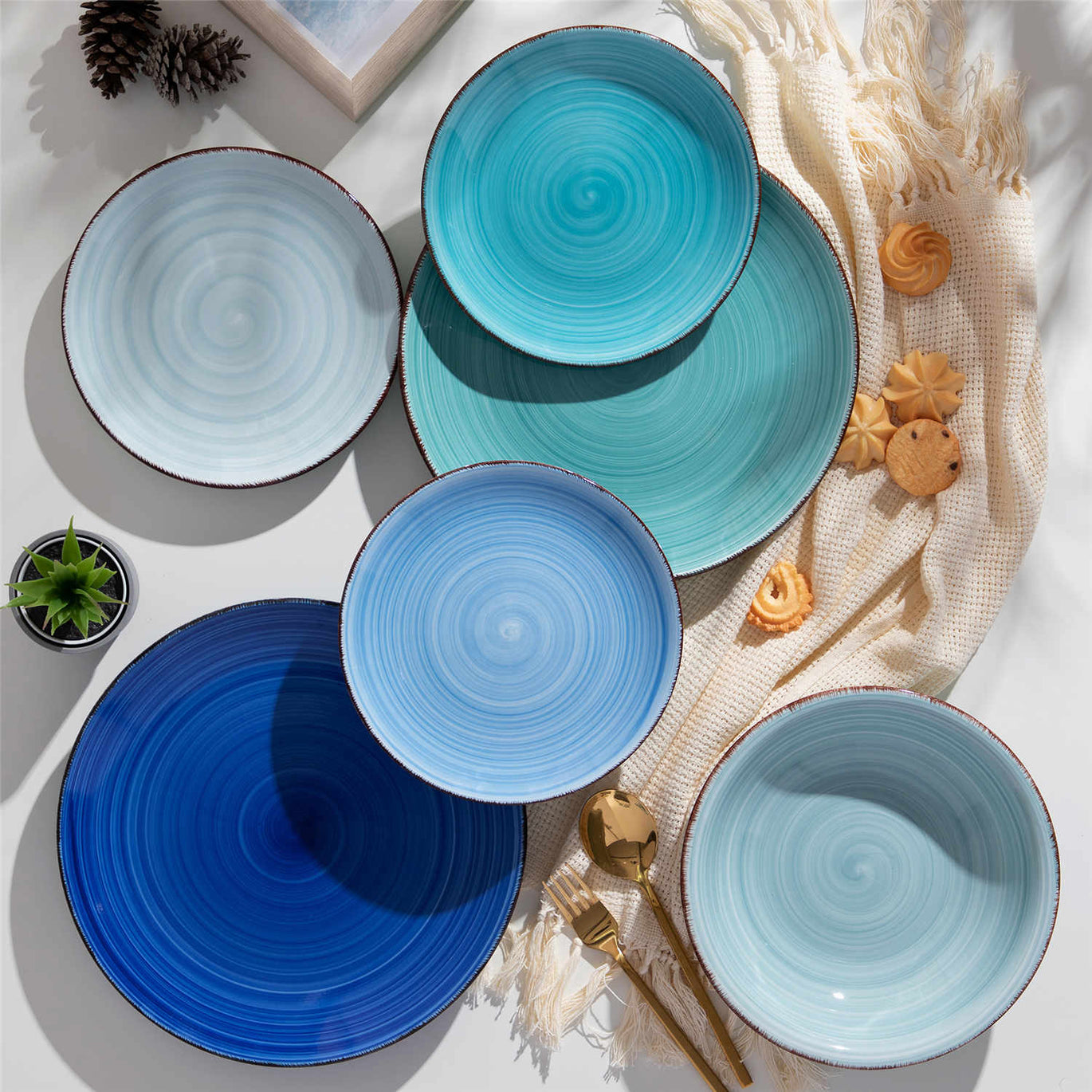


Understanding Sound Feedback Design in Children’s Ceramic Tableware

The Secret Life of Table Sounds
Close your eyes and imagine your child’s place at the table. You can probably hear it almost as clearly as you see it: the bright clink of a spoon on a cereal bowl, the scrape of a fork chasing peas, the occasional crash of a plate landing a little harder than you’d like. Those sounds are not just background noise. For kids, they are information, comfort, warning, and sometimes pure joyful chaos.
As a Colorful Tabletop Creative & Pragmatic Joy Curator, I spend a lot of time listening to dishes. In family kitchens, pottery studios, and sensory-friendly consultations with parents, I see the same pattern: when we ignore sound, tableware becomes a source of stress; when we design with sound in mind, the table turns into a playful, supportive learning space.
Recent work on sensory-friendly ceramics and non-toxic kids’ dinnerware, along with playful exhibitions from the International Museum of Dinnerware Design and research prototypes like sound‑emitting forks, all point in the same direction. Sound is a design material. Understanding it can help you choose, paint, or commission ceramic pieces that delight your child’s ears as much as their eyes.
This article unpacks what “sound feedback design” really means in children’s ceramic tableware, where it helps, where it hurts, and how you can put it to work in your own home.
What Is “Sound Feedback” in Children’s Tableware?
When I talk about sound feedback in kids’ dishes, I am really talking about two overlapping worlds.
The first is the everyday acoustic feedback of ordinary dishes. Ceramic plates, bowls, and cups answer children back whenever they tap, scrape, clink, or drop them. A wooden spoon on stoneware makes a soft, dull thud; a metal fork on porcelain can create a sharp, piercing squeak. These sounds tell a child whether they are hitting too hard, how heavy a bowl is, whether it is empty, and even whether an adult is about to look up and say, “Gentle, please.”
The second world is intentional sound feedback: tableware that is designed to emit sound on purpose in response to specific actions. One research team, in a design paper shared via ResearchGate, proposed “EducaTableware,” a fork that senses when a child is eating and plays sounds to make meals more playful and to encourage certain habits. That fork turned every bite into an audio cue, connecting behavior and sound in a deliberate way.
Most of us are not putting high‑tech forks on the table every night. But both types of feedback matter. Everyday ceramic sounds can be calming or overwhelming. Purposeful audio cues can motivate or distract. Good sound feedback design means thinking about both.

Why Sound at the Table Matters for Children
Cause and Effect, Rhythm, and Joy
For infants and toddlers, sound is one of the quickest routes to understanding cause and effect. Early childhood educators in an activity from EarlyON, shared by PLASP, suggest turning pots and bowls into drums. The setup is charmingly simple: place a pot or metal mixing bowl upside down, strike it with a spoon, and narrate what happens. The child imitates you, tries different utensils like a silicone basting brush or wooden chopstick, and discovers that each tool makes a slightly different sound.
That same curiosity shows up at the dining table. A child taps their ceramic bowl, hears the ring, and taps again, harder. They learn that their actions change the sound and your reaction. They learn rhythm when they bang along to a favorite song. Sound becomes a playful teacher.
Ceramic tableware, with its clear tones and resonance, makes that feedback especially noticeable. Thick stoneware might give a lower, more muted clunk when set down; thin porcelain might ring more brightly when tapped. If we choose and design pieces with intention, we can offer sounds that are rich and interesting without being harsh.
Sound, Conversation, and Concept Building
Sound feedback is not only about noise levels. It also interacts with how children talk and think around the table. A study published by Springer on decorated tableware followed six families as they used themed plates during mealtimes. The plates did not emit sound, but they sparked talk: children and parents discussed who made the plates, whether the designs were “boring” or beautiful, and even big topics like gender roles and fantasy versus reality.
What does that have to do with sound? Conversations flow more smoothly when kids are not flinching from every clank. The same adult who uses a decorated plate to encourage vocabulary and reasoning needs the soundscape calm enough that a child can stay at the table long enough to talk. When ceramic pieces squeal every time a fork touches the surface, language and connection suffer. When the sounds are predictable and tolerable, decorated plates and bowls can pull double duty as both visual and conversational prompts.
Sound and Sensory Sensitivities
For many neurodivergent children, sound is not neutral background. It is a powerful sensory signal that can easily tip from interesting to unbearable. In a neurodivergent-affirming online community, one member described an intense aversion to the sound of metal on ceramic, saying they “absolutely can’t” tolerate it. Their workaround was switching to a child’s spork made from softer material, yet even then they were unsure which option was worse.
This kind of sensory response is echoed in guidance on sensory-friendly ceramic tableware for autistic children. That piece highlights that some kids experience hypersensitivity across senses, including sound, and that squeaky utensils or high‑gloss, echo‑y plates can be genuinely painful. The recommendation is to use ceramic’s strengths while softening its edges: choose satin‑matte or semi‑matte glazes to dampen squeaks, pair plates with silicone or cork placemats to reduce clatter, and use shorter, rounded utensils that touch the plate more gently.
When we take those needs seriously, sound feedback design becomes an accessibility issue, not an aesthetic luxury.

Ceramic as a Sound Medium: Strengths and Challenges
Ceramic is one of my favorite materials for children’s tableware precisely because it has a strong presence. It looks grown‑up, feels substantial in the hand, and, yes, sounds like a “real” plate. Compared with soft silicone or muted bamboo, ceramic announces itself.
Articles on sensory-friendly ceramics point out that stoneware and porcelain offer helpful sensory qualities. They are cool and smooth to the touch, with stable weight that keeps plates from skidding. That same weight also affects sound. A heavier plate tends to land with a reassuring thunk rather than a skittering rattle, especially when paired with a non‑slip mat.
At the same time, ceramic has acoustic challenges.
One is clatter. A child stacking bowls too quickly might create a cascade of loud impacts. A thin mug placed down firmly on a hard tabletop can ring more than you expect. Another is the notorious squeak of metal on ceramic, the “nails on a chalkboard” moment that many sensitive kids (and adults) dread. A high‑gloss glaze can make this squeak sharper, while a slightly textured satin surface often softens it.
Ceramic can also break, and that shattering sound is as much a part of a child’s memory as the visual of shards on the floor. Tempered glass tends to break into safer little pebbles, but ceramic chips and breaks too, so we need to design for sturdiness and quiet handling, especially with younger kids.
The goal is not to eliminate sound but to choreograph it: to shift from sharp, startling noises toward warmer, more controlled feedback.

Designing Quieter, Kinder Sound in Ceramic Tableware
Glaze and Finish: From Squeak to Soft
If you only change one thing about a child’s ceramic plate, change the finish. Sensory‑friendly tableware guidance emphasizes satin‑matte or silky semi‑matte glazes with a fine “eggshell” texture and gently rounded rims. These surfaces tend to reduce both glare and squeaky utensil sounds.
High‑gloss glazes can be absolutely gorgeous under pottery painting studio lights. A Paint Your Own Pottery studio described how glazes applied dull turn glassy and vibrant after firing, producing vivid, food‑safe surfaces. For some children, that high shine is thrilling; for others, especially those sensitive to light and sound, the combination of glare and ringing utensil noises is too much.
If you are commissioning or buying ceramic tableware for a sensory‑sensitive child, ask specifically about glaze feel. Run a spoon across a sample tile in the shop if you can. You are listening for a gentle shush, not a squeal.
Shape and Form: Controlling Clatter
Form affects sound more than many people expect. Open coupe plates with low, friendly rims, recommended in sensory-friendly ceramic guidance, let children see their food clearly while preventing items from rolling. Those gentle curves also soften how utensils hit the plate. Sharp corners and tall, vertical walls tend to concentrate impact and noise.
Divided or bento‑style ceramic plates can be helpful for very picky eaters who panic when foods touch. As a temporary scaffold, they can also localize sound: each section becomes its own little stage for clinks, so a dropped carrot does not have far to travel. The long‑term goal many parents adopt, echoed in sensory-friendly guidance, is to gradually transition toward undivided plates as flexibility improves, but there is no rush. Sound comfort and emotional comfort go hand in hand.
On the underside, a wide, stable foot ring or a slightly thicker base adds weight and stability, reducing the likelihood of spinning or skidding that leads to loud crashes.
Tabletop Interfaces: Mats and Pads as Sound Insulators
Ceramic on bare wood or stone can be loud. Ceramic on a thin, grippy mat is much gentler. Sensory-friendly advice from manufacturers suggests pairing plates with silicone or cork placemats or anti-slip pads to manage both noise and stability. The mat absorbs some of the impact when a child sets a plate down and also dampens vibrations from tapping or banging.
Because silicone can absorb odors over time, it is worth following care guidance from both ceramic and silicone brands: wash mats with neutral‑pH detergents, dry them thoroughly, and replace them if they become tacky or smelly. That way, you are not solving a sound problem by creating a smell or texture problem for a sensitive child.
Utensils: Solving the Metal‑on‑Ceramic Problem
In that neurodivergent community post, the author’s solution to intolerable metal‑on‑ceramic sound was a simple one: swap to a softer utensil, in this case a child’s spork. This lines up with broader recommendations from sensory-friendly and non‑toxic tableware guides, which highlight silicone, wood, and well-designed stainless-steel as safer options than noisy, scratchy, low‑quality metal.
Food-grade silicone utensils are praised in several non‑toxic guides for being flexible, gentle on gums, heat‑resistant up to around 400°F, and essentially silent on plate surfaces. Short-handled stainless-steel utensils with silicone grips, like those reviewed by Wirecutter, offer a hybrid approach: a durable metal eating end with gentle edges and a soft handle that helps kids control pressure.
Rounded tips, slightly thicker tines, and compact handles all reduce the chance of aggressive scraping. Combine that with a satin‑matte plate and a soft placemat, and you have transformed the soundscape without buying any electronics at all.
Color and Graphics: Sound by Suggestion
Color may be silent, but it still influences how kids interact with dishes. Sensory-friendly ceramic guidance recommends calming palettes—leafy greens, sand, oatmeal, soft blues, and off‑whites—that let food colors stand out without visual shouting. Ultra-bright reds and oranges can feel overstimulating and, according to Mamavation’s toxicant guidance, may sometimes signal cadmium-based pigments in certain glazes.
For kids who associate “kiddie” plastics with high‑pitched clatter, a muted, grown‑up ceramic plate can subtly suggest slower, more careful eating. Decorated tableware research published by Springer shows that images on plates can prompt talk about function, ownership, fantasy colors, and even gender stereotypes. When those graphics are combined with a calm color palette and quiet finishes, the overall message is playful but grounded.
You can lean into this by letting children help design or paint their plates in pottery studios or at home with food‑safe methods. Projects described by craft blogs like Red Ted Art and KiwiCo show children decorating ceramic plates as gifts, using porcelain pens or permanent markers on ordinary dishes before oven‑curing them. While those projects focus on visual keepsakes, the emotional bond a child forms with “their” plate often leads to gentler treatment and, consequently, softer sounds.

When Sound Is the Feature: Playful and Educational Feedback
So far, we have mostly tried to quiet things down. But there are moments when you want sound to be front and center.
The EarlyON musical pots and bowls activity is a good example. There, the point is for toddlers to bang, listen, and experiment. Educators encourage pairing drumming with singing favorite songs, turning the kitchen into a tiny percussion studio. For safety, those activities tend to use metal or robust kitchenware rather than breakable ceramics, and adult supervision is non‑negotiable.
EducaTableware offers a different take on intentional sound. In that project, designers created a fork that senses when a child is eating and emits sounds during bites. In a one‑week test with children, they explored whether playful auditory feedback could encourage specific mealtime behaviors and make dietary education more engaging. Instead of clatter, sound becomes a subtle guide.
If you are tempted by sound-emitting dishes or utensils for home use, it helps to ask a few pragmatic questions. What behavior are you actually trying to encourage: more bites, slower bites, trying new foods? Is the sound pleasant enough to hear hundreds of times? And what happens when the novelty wears off? The research prototype is promising, but most families will want to balance high‑tech tools with simpler cues like conversation, decorated plates, and calm soundscapes.
In my own work with families, I see the best results when sound‑forward play is time‑boxed and separated from regular meals. Have a “pot orchestra” session in the afternoon with sturdy, non‑breakable pieces, then switch to quieter ceramic plates and soft utensils for dinner. That way, sound is celebrated as play and tamed as background during eating.

Safety, Materials, and Sound: The Quiet Details
Any discussion about kids’ tableware has to pass through the safety gate first. Several non‑toxic dinnerware guides make the same core point: young bodies are still developing, so chemical exposure from dishes is worth taking seriously.
For ceramic, sensory-friendly and safety-focused sources recommend undecorated, vitrified porcelain or stoneware with plain food-contact surfaces that are clearly labeled lead‑free and cadmium‑free. Mamavation notes a California Proposition 65 leachable lead limit of 0.226 parts per million and advises replacing heavily used ceramic dinnerware roughly every two years to reduce risk from wear, especially with older or mystery glazes.
Ceramic is not the only option on the table, of course, and each material has its own sound profile.
Material |
Typical sound profile with kids |
Key safety and sensory notes from sources |
Ceramic (stoneware/porcelain) |
Clear clinks and occasional clatter; can squeak with metal utensils |
Offers stable weight, cool smoothness, and a “grown‑up” feel; safest when vitrified and explicitly lead- and cadmium-free; satin‑matte glazes and rounded rims are recommended for sensory comfort. |
Food-grade silicone |
Very quiet, soft impacts; almost no clink |
Described as flexible, shatterproof, and heat‑resistant up to about 400°F; excellent for toddlers who throw dishes; must be high-quality food-grade or LFGB‑grade to minimize leaching; can attract dust and may absorb odors if not well cared for. |
Stainless steel |
Light clinks and clangs; can be loud if dropped |
Highlighted by pediatric and safety experts as one of the safest materials: durable, non‑reactive, and free from BPA and phthalates; some people dislike metallic taste; cannot be microwaved; sound is sharper than silicone but usually less squeaky than metal on ceramic. |
Tempered glass |
Clear clinks and chimes; sharp noise when dropped |
Chemically inert and non‑toxic; breaks into safer pebbles rather than sharp shards; recommended more for older children with supervision; sound is similar to ceramic but with its own ring. |
Bamboo and wood |
Soft taps; low-pitched, muted sound |
Pure bamboo and wood are naturally non‑toxic and biodegradable but often require handwashing and regular oiling for wood; safety guides warn that bamboo-melamine blends marketed as “eco” can leach formaldehyde when heated, leading to recalls in some regions. |
Some parents reach for melamine because it is lightweight, colorful, and quieter than ceramic when dropped. However, multiple safety articles warn against using melamine for hot or acidic foods. One guide cites a 2013 study where adults who ate hot soup from melamine bowls showed peaks in urinary melamine four to six hours later, raising kidney concerns. Another notes that heating worn melamine above roughly 160°F can release melamine and formaldehyde above European migration limits.
The bottom line: if you love ceramic for its feel and aesthetics, you do not need to abandon it for safer materials; you just need to choose well‑tested, non‑toxic pieces and pair them with smart sound design.

How to Choose Sound-Savvy Ceramic Tableware for Your Child
Start by listening to your child before you listen to the dishes. Think about how they react in noisy places, how they respond when someone scrapes a fork on a plate, and whether they gravitate toward soft, squishy textures or seek out strong sensory input. Sensory-friendly buying guides encourage beginning with the child’s sensory profile: their preferred textures, colors, and tolerance for visual and auditory contrast.
Next, look at safety labels. For ceramic, seek clear statements that pieces are lead‑free and cadmium‑free, ideally backed by third‑party testing or transparent compliance with regulations like Proposition 65. Some parents also use at‑home lead swabs for extra reassurance on older dishes.
Then, audition your tableware. In your kitchen or in a store, gently tap the rim of a plate with the kind of utensil your child will actually use. Slide a spoon across the surface, set the plate down with the amount of force your child typically uses, and listen. If the sound makes you wince now, it is unlikely to feel better after a long day when everyone is tired and hungry.
Consider mixing materials. Sensory-friendly guidance suggests keeping alternative shatterproof options like silicone or tempered glass on standby for days when throwing is likely, while using ceramic on calmer days to give that grown‑up feeling and stable weight. Similarly, many non‑toxic guides recommend stainless steel cups or divided plates for durability but pair them with silicone bibs, mats, or grips to soften both touch and sound.
Finally, involve your child. Let them help choose plate colors from calming palettes or decorate special pieces in a pottery painting studio. Articles about kids’ ceramic painting projects describe how children take pride in plates they have designed themselves, treating them as keepsakes and gifts. That emotional connection often leads to more mindful handling and, beautifully, fewer accidental crashes.

Short FAQ: Sound-Sensitive Kids and Ceramic Plates
Can ceramic ever be truly sensory-friendly for an autistic child?
It can be, when chosen with care. Sensory-friendly ceramic guidance emphasizes undecorated, vitrified stoneware or porcelain with satin‑matte glazes, rounded rims, and calming colors. Pair those plates with silicone or cork mats underneath and softer utensils on top, and you dramatically reduce the harshest sounds while still offering the stability and “grown‑up” feel many older kids crave. It is also wise to keep a few favorite silicone or stainless pieces available for tough days when any risk of breakage or clatter feels overwhelming.
Are sound‑emitting forks like EducaTableware a good idea for family meals?
The EducaTableware prototype described in a design paper is promising: a fork that emits sounds when a child eats, tested over a week with children to make dietary education more playful. For everyday family use, think of this kind of tool as a short‑term experiment rather than a magic bullet. It can be fun and motivating for some kids, especially around trying new foods, but it should complement, not replace, calm table conversations, decorated plates that prompt talk, and consistent routines. And as with any electronic device at the table, consider whether you are willing to hear the same sound hundreds of times a month.
What if my child loves banging dishes?
Instead of fighting that impulse, redirect it. Early childhood activities like the musical pots and bowls exercise invite children to make noise on purpose with sturdy kitchenware under supervision. You can set up a “sound play” station with safe, non-breakable items in another room or earlier in the day, then clearly signal the shift to quieter ceramic dishes at mealtime. Framing it as, “Now we are using our special grown‑up plates, so we switch to gentle hands and soft spoons,” helps kids understand that different dishes have different sound rules.

A Colorful, Calm, and Joyfully Noisy Future
When we take sound feedback seriously, children’s ceramic tableware stops being accidental noise and starts becoming part of a thoughtful sensory design. Between research on decorated plates that spark deep conversations, sensory-friendly ceramic guidance for autistic children, non‑toxic material recommendations, and even playful prototypes like EducaTableware, the message is clear: what a plate sounds like is as important as how it looks.
Curating a joyful table for kids is not about chasing perfect silence or constant music. It is about tuning the everyday clinks, taps, and songs so your child feels safe, curious, and eager to join the meal. When you choose ceramic with your ears as well as your eyes, you are not just buying dishes. You are composing the soundtrack of your child’s mealtime memories.

References
- https://dl.acm.org/doi/10.1145/3544548.3580755
- https://dinnerwaremuseum.org/main/playful-dining/
- https://www.researchgate.net/publication/274341425_EducaTableware_Sound_Emitting_Tableware_for_Encouraging_Dietary_Education
- https://www.wikihow.com/Paint-Ceramic-Plates
- https://www.anchenggy.com/blog/best-non-toxic-kids-dinnerware.html
- https://www.anzhucraft.com/non-toxic-dinnerware-for-kids/
- https://www.babycutlery.com/choosing-the-right-tableware-materials-for-your-child-a-comprehensive-guide/
- https://www.classpop.com/magazine/ceramics-projects
- https://www.forceofnatureclean.com/non-toxic-dinnerware-kids/?srsltid=AfmBOoqNnvY4Eeu4qvqFsnBnFdYKsXdhnsEd07rC49xSQCBnp31EUPow
- https://www.plasp.com/Blog/414-musical-pots-and-bowls-.aspx
Sie können auch mögen
Stern 16 Stück Geschirr Set
- Von €72,95
€96,95- Von €72,95
- Stückpreis
- per
-
Blue
-
Green
-
Red
-
Grey
Bonita 18-teiliges Geschirrset
- Von €60,95
€74,95- Von €60,95
- Stückpreis
- per
-
Blue
-
Multicolor
Simi 24 Stück Geschirr Set
- €96,95
€129,95- €96,95
- Stückpreis
- per
Starry 16-teiliges Geschirrset
- €73,95
€86,95- €73,95
- Stückpreis
- per
-
Blue
-
Green
-
Red
-
Gradient Green