

Choosing a dinnerware set involves more than deciding how many pieces you want. The configuration inside the box can affect how useful the set is, how much storage it needs and how efficiently it fits into your dishwasher. At checkout, you may see a dinnerware set with mugs, a set that includes soup and cereal bowls instead of mugs, or a dinnerware set without mugs that focuses on plates and bowls.
While all three can be effective, they are appropriate for different households. The answer depends on what you have, the meals you cook most frequently, the amount of space you have, and whether you are building a home or expanding on an existing collection.
The Three Common Dinnerware Set Configurations Explained
Each configuration is based on a different priority. A 16-piece dinnerware set with mugs can consist of four dinner plates, four salad plates, four bowls and four mugs, which makes four coordinated dinnerware sets. This arrangement gives you everyday mealware plus matching drinkware in one purchase.
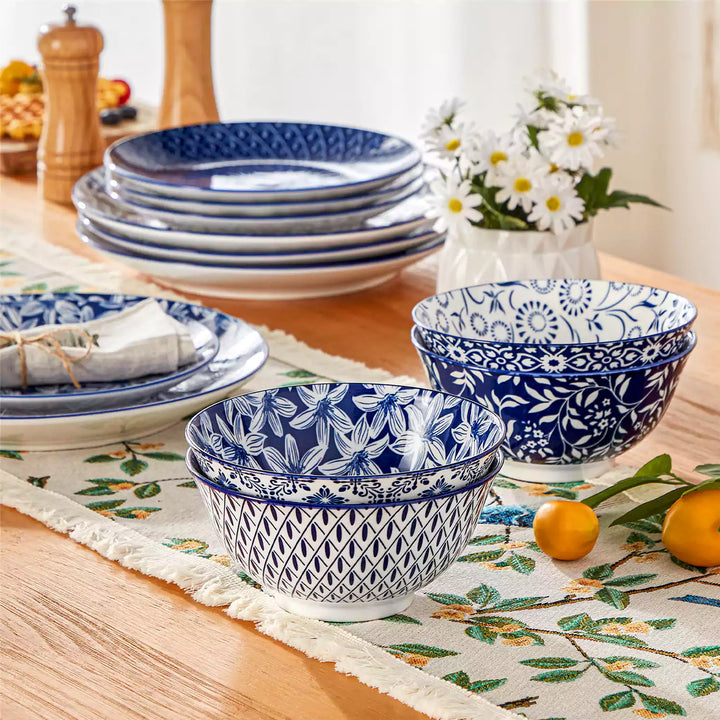
The 16-piece set is designed for a bowl, and the pieces are used differently. It can contain dinner plates, salad plates, soup bowls and cereal bowls, rather than mugs. This setup provides several bowls for each place setting, which is useful for families who often enjoy a bowl of soup, pasta, grains, breakfast foods, and other foods that are better in a deep bowl.

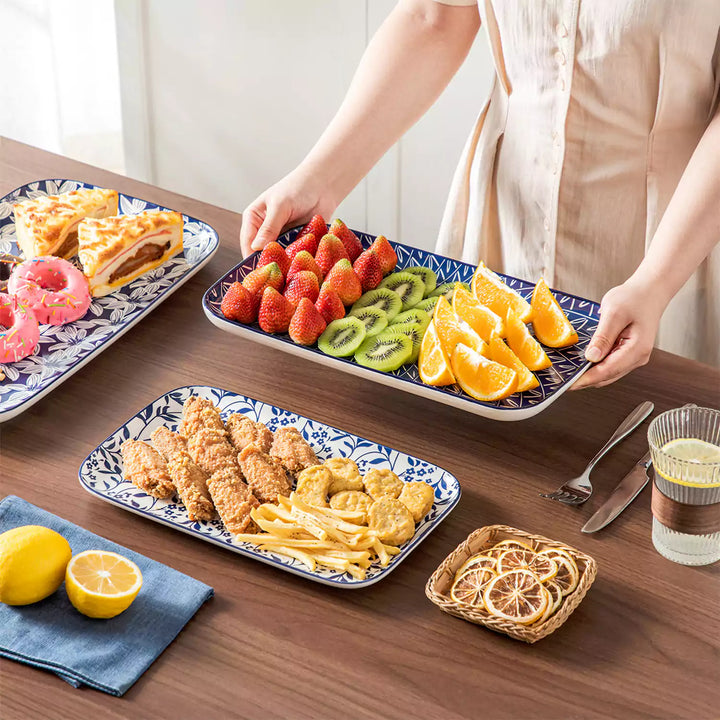
The third is a plate and bowl setup that does not include mugs. A 12-piece dinnerware set can focus on dinner plates, salad plates and bowls, making it ideal for those who already have glasses and mugs or just want to invest in dinnerware.
vancasso offers examples of all three approaches. Pluvo is the mug configuration, Haruka, Macaron, Jasmin and Bubble are the configurations with soup and cereal bowls. Starry, Sata, Webb, Simi and Playa are examples of the plate and bowl method without mugs. Looking at the actual pieces in each box makes the comparison clearer than relying on the total number alone.
Do You Already Own Enough Mugs?
One of the first things you'll think about is your current drinkware. If you already have enough mugs for the entire family, purchasing an additional set of four mugs might be an unnecessary purchase. When you're in this scenario, a dinnerware set that doesn't include mugs can shift more of your spending toward plates and bowls.
But, not all of your old mugs will fit with your new dinnerware. A set of mugs can offer a more cohesive appearance if you're looking for a coordinated table. Matching mugs can also come in handy when you're replacing an older set and want all of the mugs to have the same pattern, color or finish.
Take into account your household's mug consumption as well. Matching mugs might be a nice thing for coffee, tea and hot chocolate drinkers to have at each meal. If you have a lot of mugs that you don't use very often, a cupboard that is set up for a bowl or a mug-free setup might be a better option for you and your budget.
Sets With Soup Bowls: Better for Soup, Pasta, Grain Bowls and Families
For families who enjoy eating meals that need more depth and containment, a bowl configuration may be particularly helpful. Soup bowls offer space for the broth, vegetables and other ingredients and can help minimize spills when transporting food from the kitchen to the table.
They can also be used for pasta, saucier dishes, and multi-ingredient dishes. This is why pasta bowls are a good choice for families that often eat pasta, rice, grains and other starchy foods. Cereal bowls are another shape for breakfast, dessert, fruit and smaller portions.
Having two bowls can also make it easier to serve food for the family. A soup bowl may be used for noodles while a cereal bowl may be used for breakfast. The configuration provides a better choice of bowl for each meal type, rather than using a single general purpose bowl for all meals.
The trade-off is that you are giving up matching mugs in exchange for additional bowl types. If your household already has plenty of drinkware, that may be a worthwhile exchange. If you are furnishing an empty kitchen, however, you may prefer the broader mix offered by a mug-containing set.

Sets Without Mugs: More Plates and Bowls for the Same Price
A set of dinnerware without mugs can be a good option if you're more interested in dinnerware than drinkware. For instance, a 12-piece set can include dinner plates, salad plates and bowls, but not use part of the package for mugs.
This can be especially helpful if replacing broken parts in an already made set. If your mugs are still in good shape, but you need to replace a few plates or bowls, you may end up with duplicate sets of mugs.
The same applies if you're adding more people to your dinnerware. If a person is looking for an 8-piece dinnerware set, but they already have matching mugs, they might just need more plates and bowls. If so, then individual place-setting coverage and the number of useful meal pieces may be more significant than the headline number of pieces.
When comparing prices, consider the price per place setting, as well as the price per individual item. If you have a set of items that will not be used very often, it may not be worth the lower price. Similarly, if you eat the same way, it might be better to spend a little more for a setup that reflects that.
How Configuration Affects Cupboard Space and Dishwasher Loads
The setup you select also affects the way the dinnerware functions in your kitchen. Plates generally stack in relatively compact piles, while bowls can require more vertical space depending on their shape and depth. Mugs add another storage consideration because their handles create gaps and may require a separate shelf or hanging space.
A set of bowls that are heavy can thus alter your storage routine. When buying, make sure that your cupboards are tall enough to store deeper bowls and that your current dinnerware will fit safely with the new bowls.
Another practical aspect is the dishwasher. The plates, bowls and mugs have different positions and forms on the rack. A set of mugs can take up more upper rack space, and more bowls can impact the efficiency of the lower rack arrangement. If you use a dishwasher on a regular basis, consider which setting is best for your typical dishwasher load.
This is especially crucial for families. A setup that offers helpful bits and pieces can turn into a hassle down the road. If you're a couple who has a smaller dishwasher, you might also want to go with a simpler plate and bowl design if you don't want to have too many shapes vying for space.

Which Configuration Is Right for Couples, Families, First Apartments and Gifts?
For couples, the best setup can vary depending on the existing kitchen setup. If you have plenty of mugs, a dinnerware set without mugs can provide the plates and bowls you need. For those who are beginning from the ground up, a 16-piece set of mugs can provide a cohesive base without the need to buy individual drinkware.
For families that typically eat soup, pasta, grains or other bowl meals, the soup-and-cereal-bowl setup might be more helpful. The extra bowl style can be used for various meals without the need for additional purchases. Another factor to keep in mind for families is storage and dishwasher space.
Convenience might be the key for first apartments. A dinnerware set with mugs provides you with mealware and matching mugs all in one coordinated set. It can help lower the number of individual items that need to be purchased when installing a new kitchen.
Gifts and registries call for a little different treatment. If the recipient is building a new kitchen, a mug-containing set may provide useful variety. A set of plates and bowls might be a better addition to their existing collection if they already have matching drinkware. For a wedding, housewarming or registry gift, consider the recipient's current dinnerware and eating habits before choosing the configuration.
Dinnerware Sets With Mugs Soup Bowls: Conclusion
The right dinnerware configuration depends on what your kitchen already has and how you eat every day. Choose a dinnerware set with mugs if you need matching drinkware, a bowl-focused 16-piece set if soup, pasta and grain dishes are regular meals, or a dinnerware set without mugs if you already have enough mugs and want to prioritize plates and bowls. Before buying, consider storage, dishwasher space, price per place setting and the pieces you will actually use most often.

FAQs about Dinnerware Sets With or Without Mugs
Q1: Is a Dinnerware Set With Mugs Better Than One Without Mugs?
Both setups have their advantages and disadvantages. A set of mugs is helpful if you need to coordinate drinkware, and a mug-less set is more appropriate if you already have a lot of mugs.
Q2: Are Soup Bowls Useful Beyond Soup?
Yes. Soup bowls are great for pasta, saucy vegetables, stews, grains and other dishes that would benefit from a deeper eating surface.
Q3: Why Choose Dinnerware Sets Without Mugs?
They can assist you to prevent purchasing duplicate drinkware and allocate more of the set to plates and bowls.
Q4: Should I Choose a 12-Piece Set or 16-Piece Set?
Pay attention to the configuration, not the number. If you already have mugs, a 12-piece plate and bowl set might be more beneficial than a 16-piece set, and a 16-piece set with mugs can come in handy when you're decorating a new kitchen.
Q5: Are Dinnerware Sets With Pasta Bowls Good for Families?
They can be useful when pasta, grains, soups and saucy dishes are the norm. Deeper bowls can also offer flexibility for various serving methods.