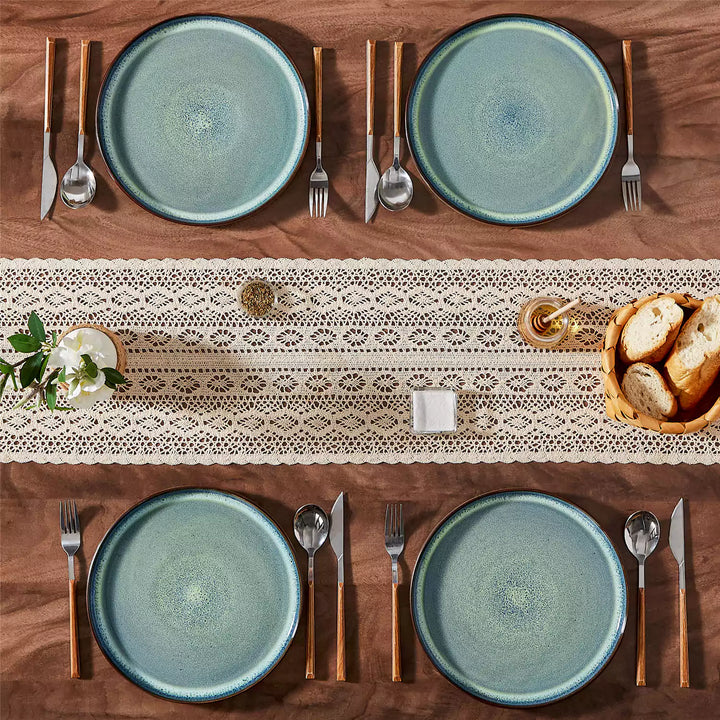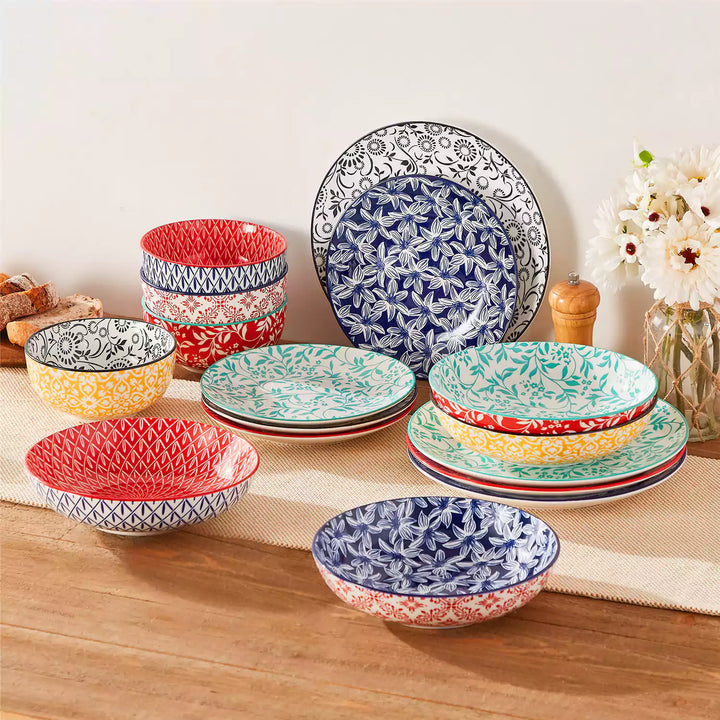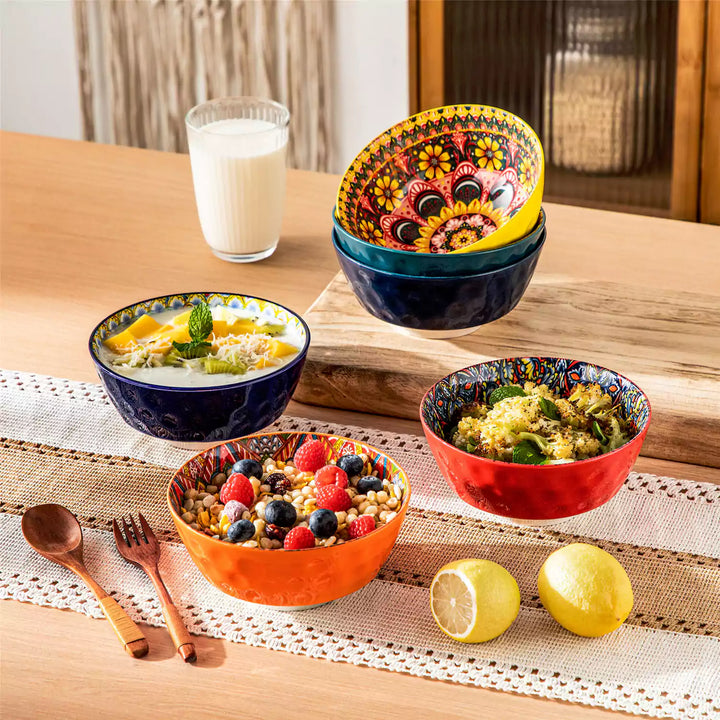


Ceramic dinnerware is heavy, hard, and surprisingly fragile when it comes to impact, making it stressful to move. The best way to pack is to do it in a controlled manner: sort everything out first, wrap items individually, protect handles and edges, distribute weight evenly and eliminate empty spaces within each box.
From everyday dishes to high-quality stoneware dinnerware sets, proper packing can significantly minimize chips, cracks, and breakage. This workflow also works well for durable dinnerware, including chip-resistant dishes, because even strong ceramics can break when they are dropped or allowed to knock against each other.
Inventory and Sort Before Packing
Begin by making a list of all your collection. Keep dinner plates, salad plates, bowls, mugs, serving dishes, platters and specialty items apart. Before wrapping, inspect each item for any pre-existing chips or cracks to avoid the possibility of confusing old damage with moving damage later. It's also a great time to get rid of any parts that you don't use anymore. Keep complete sets together, if possible, when unpacking, to make it easier if you have more than one plate set configuration.
Then arrange pieces by size, shape and weight. Do not automatically place all ceramic items in one large box. Boxes for heavy dinner plates and large serving pieces will need to be stronger than boxes for light accessories. Separate and cushion fragile or oversized items. Making a simple inventory before packing will also help you to determine the number of boxes and amount of protective material you will require.

Choose the Right Boxes and Cushioning
Use sturdy, heavy-duty boxes that will hold up to ceramic dinnerware. Small to medium boxes are safer than large boxes because ceramic dishes are very heavy when stacked in a large box. Even when there seems to be lots of space in a large box, don't overfill it.
Place a thick layer of cushioning material in the bottom of each box. Protection can be provided by bubble wrap, packing paper, corrugated inserts or special dish dividers. The idea is to provide a cushioning layer between the plate and the bottom of the carton. Also, it is important to have extra cushioning on hand to fill in voids later. Empty space allows pieces to shift during transportation, increasing the chance of chips and cracks.
Wrap All Plates, Bowls and Mugs
Each plate, bowl and mug should be wrapped separately, not against another ceramic item. Wrap plates thoroughly, especially around the edges, which are susceptible to impact. Use sufficient material to cushion the base and rim of bowls.
Mugs are an exception and need special care as the handle can break even when the mug body remains intact. Wrap each mug separately and add extra wrapping around the handle. Wherever possible, avoid placing mugs with handles touching other hard surfaces. Do not let ceramic pieces come into direct contact with each other inside the box.
Use several layers of cushioning for very valuable or fragile dinnerware. Individual wrapping takes longer, but is one of the most critical aspects of moving damage prevention.
Pack Plates on Edge and Pad Nested Bowls
Plate orientation matters. Pack plates vertically on their edge, like records are stored. Put padding in between the plates and on the sides of the group. This orientation helps to spread the pressure out and minimizes the chance of a plate cracking from the weight of objects placed on it.

Bowls may be nested to conserve space but nesting should not involve rubbing ceramic surfaces together. Wrap each bowl separately and use separators or padding between bowls. Bowl separators are especially helpful if you are packing multiple differently shaped bowls as they will help to keep them from moving or touching.
Place plates and bowls in place, then add cushioning around sides and top. The pieces should be packed tightly, but not so tightly that pressure is applied to rims or handles.
Control Box Weight and Eliminate Empty Space
One of the most important considerations for safe dinnerware moving is box weight. A heavy box is hard to lift and is more likely to be dropped. It may also break at the bottom while being transported. Don't put large boxes of heavy ceramics just because there is room in the box.
After dinnerware is in place, look for voids. Use crumpled packing paper, soft protective material or appropriate void fill to fill voids. Avoid using loose objects that may become hard projectiles inside the carton. Shake the closed box gently before sealing it, if there is a sound or feel of pieces moving, open the box again and add more cushioning.
Close the box with another protective layer on top. The contents should be secure and not too compressed.
Label, Load, and Unpack in the Right Order
Seal each box tightly and write "FRAGILE – DINNERWARE" and which room it is for on the box. Label boxes with sensitive items with a special mark to ensure that they are handled with care by the movers. Do not stack heavy furniture, appliances or other boxes on top of dinnerware cartons.

To prevent ceramic dinnerware from being crushed, place it in the moving vehicle with care. Ensure boxes are on a firm surface and not in areas where they can slide or fall. Keep them upright and secure them so they do not move if possible.
At your new home, make a first-open box containing a few essential plates, bowls, mugs, glasses, and basic kitchen items. This prevents you from opening every dinnerware carton immediately and gives you the essentials while the rest of the kitchen is organized. Unpack carefully, inspect each piece, and store your dinnerware only after confirming that it arrived safely.
FAQs about Packing and Moving Dinnerware
Q1: Can I Pack Plates Flat When Moving?
It is safer to pack plates on edge rather than stacking them flat. Individual wrapping and cushioning between plates provide additional protection.
Q2: Should I Wrap Every Dinnerware Piece Individually?
Yes. Individual wrapping prevents ceramic surfaces from touching and reduces damage caused by vibration and impact during transportation.
Q3: How Should I Protect Mug Handles?
Wrap each mug separately and add extra cushioning around the handle. Keep handles from pressing directly against other ceramic pieces.

Q4: How Heavy Should a Dinnerware Box Be?
There is no single weight limit for every carton because box strength and material vary. The practical rule is to keep boxes small enough to lift safely and never overload a large box with dense ceramic pieces.
Q5: Are Durable Dinnerware Sets Safe During a Move?
Durable materials such as stoneware and chip-resistant dishes can tolerate everyday use well, but they are not unbreakable. Proper wrapping, plate orientation, cushioning, and weight control remain essential during a move.
Q6: What Is the Most Important Rule When Packing Dinnerware?
Do not allow ceramic pieces to touch directly. Individually wrap every item, cushion the box from the bottom and sides, eliminate empty space, and keep the total weight manageable.