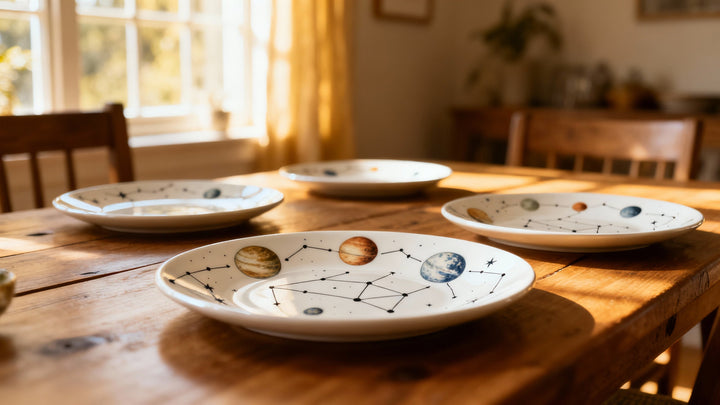


When your beloved porcelain coupe plate is stuck on a ship somewhere and your stoneware supplier just emailed the words “indefinite backorder,” your table can still look joyful, intentional, and restaurant-worthy. A supply chain crisis does not have to mean eating chili out of a mixing bowl or resorting to sad, flimsy plates.
As a colorful tabletop creative and pragmatic joy curator, I think of these moments as design prompts, not disasters. The question becomes: if ceramic takes a breather, what other materials can step up, survive real-world service, and still make your food look fabulous?
This guide leans on hospitality and product testing insights from sources like ChefEquipment.com, Corby Hall, McDonald Paper, Palate & Plate, Bon Appétit, and several restaurant-operations references to map out your smartest alternatives to ceramic dinnersets when supply chains get wobbly.
Why Ceramic Shortages Hurt So Much
Ceramic tableware is the backbone of both home and restaurant tables for good reason. Industry guides consistently point out that porcelain, stoneware, china, and bone china are durable, nonporous, generally dishwasher safe, and comfortable with serious heat.
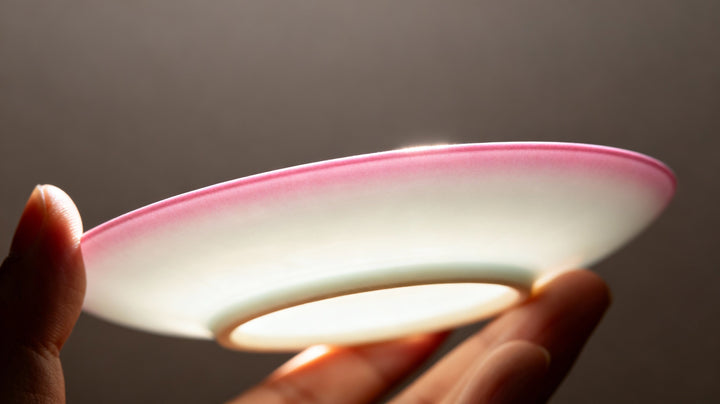
ChefEquipment.com and SlatePlate describe how porcelain and china are made from fine-particle clay fired at high temperatures to become hard, glassy, and nonporous. Bone china, a porcelain variant with bone ash, adds even more strength and a delicate, translucent look while still handling heat around the oven range according to Palate & Plate’s commercial overview. Stoneware brings a thicker, more rustic heft, while earthenware offers the most rustic look at the lowest cost but also the least durability.
All of that performance depends on kilns, clays, glazes, and global shipping. When those systems falter, ceramic plates suddenly feel very fragile in a different way: they may not arrive at all.
So instead of clinging to one clay body or one pattern, it helps to think the way commercial buyers do. The restaurant tableware market is a serious business—Palate & Plate puts it at about $9.2 billion in 2024, with plates alone accounting for nearly sixty percent of demand—and operators routinely juggle materials to stay open when supply lines get tight.
You can do the same at home, in a café, or in a banquet hall.

Rethinking the Table: Beyond “All Ceramic Everything”
During a supply chain crunch, the smartest strategy is to stop thinking in terms of “a single perfect dinnerware set” and start designing a layered ecosystem of materials.
Industry guides from Corby Hall, The Restaurant Warehouse, and Restaurantware all emphasize that material choice should match:
- the style and brand story you want the table to tell
- the way the pieces will actually be used and washed
- the breakage and heat exposure they will face day after day
Once you adopt that mindset, it becomes easier to treat ceramic as one player in a larger cast, not the only star. Melamine, tempered glass, stainless steel, wooden pieces, and plant-based composites can all take turns in the spotlight, especially when clay is hard to get.
Melamine: Colorful, Nearly Unbreakable, and Misunderstood
Melamine is the material that quietly saves countless services when ceramics chip, shatter, or simply do not arrive on time.
Commercial guides from ChefEquipment.com, McDonald Paper, Corby Hall, and SlatePlate all highlight similar themes. Melamine is a hard, plastic-based material that can convincingly mimic china, comes in a huge range of shapes, colors, and textures, and is incredibly resistant to breakage. Corby Hall notes that melamine is made from plant cellulose and resin in many commercial lines, which makes it a more environmentally thoughtful choice than basic disposable plastic.
Bon Appétit’s hands-on testing of an Ekobo set made from melamine resin and bamboo fibers describes its durability in striking terms: scratch resistance “off the charts” and tough enough that you could play frisbee with the plates in a concrete parking lot. That is exactly the kind of resilience you want when your backup plan has to survive months of heavy use.
There are important limits. Corby Hall and restaurant-operations guides warn that melamine is not suitable for microwaves, ovens, or heat lamps because high heat can cause blistering and cracking. McDonald Paper cites FDA guidance that melamine is safe as long as food on the plate is not heated to about 160°F or higher, while SlatePlate notes that melamine is typically dishwasher safe only if the water stays below roughly 140°F. The detail may differ by brand, but the message is consistent: treat melamine as a serving surface, not cookware, and always follow the manufacturer’s temperature guidelines.
In crisis mode, melamine shines in several ways. It is light enough to reduce fatigue for staff or hosts, it stacks tightly in limited storage, and mid-range cost with very high durability can lower replacements compared with cheap ceramic or glass. It thrives in casual restaurants, outdoor patios, family meals, and kid-heavy households where a shattered porcelain dinner plate is not an acceptable outcome.
For an aesthetic win, draw inspiration from restaurant trends. Mix and match colors, run one bright melamine collection for salads and sides, and lean on a smaller set of ceramic “hero” pieces for key courses. Because so many melamine lines are designed to mimic stoneware or china, guests are often more focused on the food and color palette than on the underlying polymer chemistry.

Tempered and Vitrified Glass: Clear Winners Under Pressure
If you want something closer to the familiar weight and feel of ceramic, tempered and vitrified glass are outstanding understudies when porcelain lines are delayed.
ChefEquipment.com explains that dinnerware glass generally comes in two main forms. Tempered glass is heat-treated to increase strength and resistance to chipping and cracking, while vitrified glass is extremely durable and nonporous. SlatePlate points to brands such as Corelle as examples of vitrified glass that are dishwasher and microwave safe and nearly unbreakable in typical home and restaurant use.
McDonald Paper describes vitrified glass dishes as virtually indestructible, highlighting that they resist breaking and chipping even when dropped onto hard floors. They are also nonporous and safe for both dishwashers and microwaves, making them ideal for family-friendly operations or any situation where diners—small children included—handle plates frequently.
During a supply chain crunch, tempered and vitrified glass give you several strategic advantages. They are more resistant to chipping than many low-end ceramics, they tolerate heat better than melamine, and they can often slip neatly into existing storage footprints because many are designed with thin, stackable profiles. A white vitrified glass plate can substitute for a white porcelain plate in many settings without disturbing your color story, and patterned glass can join the playful mix on more casual tables.
The main trade-offs are aesthetic and sensory. Some glass plates feel slightly different in the hand compared with clay-based ceramics, and high-end restaurants may prefer the ultra-refined look of bone china for tasting menus. But if the choice is between having no plates or serving on gorgeous, virtually unbreakable glass, glass is the clear winner.

Plastic and Polycarbonate: Crisis-Proof Workhorses with Environmental Strings Attached
When durability and cost trump romance, plastic and polycarbonate step in as the workhorses of buffets, cafeterias, and highly casual spots.
Corby Hall and McDonald Paper both describe plastic or polycarbonate dinnerware as affordable, lightweight, and highly resistant to breaking. These pieces can mimic the look of china, come in a wide variety of colors and designs, and are generally dishwasher safe, with many items also approved for microwave use. Restaurant Equippers and several commercial catalogs recommend plastic or melamine in high-risk environments for drops and breakage such as buffets, schools, and hospitals.
There is a catch, though, and it is not about supply chain risk. Corby Hall notes the environmental impact as a primary disadvantage of plastic dishes, along with their tendency to discolor when exposed to strongly colored foods over time. The Restaurant Times goes further on the sustainability front, citing research that eco-friendly, compostable service ware can cut carbon emissions by about 43 percent and non-renewable energy use by roughly 28 percent compared with conventional plastics. The same article notes that more than seventy percent of diners prefer eco-friendly establishments and that a majority say they are willing to pay more for sustainable options.
In other words, plastic and polycarbonate can absolutely rescue your operations when ceramic suppliers falter, but they may not fit your long-term environmental values or guest expectations. A smart crisis strategy is to use durable plastic as a temporary bridge while you transition to more sustainable reusables or compostable solutions and to communicate clearly with guests about that plan.

Stainless Steel: Industrial Chic for Tough Conditions
Stainless steel plates and platters sit at the intersection of “virtually indestructible” and “unexpectedly stylish,” especially in outdoor and high-volume settings.
Palate & Plate’s commercial materials guide describes stainless steel plates as having exceptional durability, corrosion resistance, and very high heat tolerance around 500°F or more. They are easy to clean and sanitize, shrug off most forms of abuse, and are naturally shatterproof. These traits make them ideal for rugged environments, outdoor operations, and contexts where plates may move straight from a hot line to a guest’s hands.
The trade-offs are clear. Stainless steel cannot go in the microwave and tends to be heavier than materials such as melamine or wheat straw composites. Visually, plain steel can read as utilitarian or camp-style unless you intentionally frame it with textiles, colorful glassware, and interesting food presentation.
In supply chain crisis mode, stainless steel shines in a few roles. It is a powerful base for small plates and shared dishes in casual-modern concepts, a hero material for outdoor terraces where breakage is a constant threat, and a strong candidate for backup servingware such as platters and trays when ceramic platters are hard to source. Stainless steel’s extremely long service life also improves total cost of ownership even if the upfront investment is not the absolute lowest.

Wood and Bamboo-Like Pieces: Warmth Without the Kiln
Wooden dinnerware is the cozy cardigan of the tableware world: warm, textured, and surprisingly practical when the kiln cannot deliver.
McDonald Paper describes woven wood dishes sealed with lacquer that are non-absorbent, shatter-resistant, safe for dishwashers, and suitable for both hot and cold foods. They create a friendly, casual atmosphere and are positioned as a durable option for restaurants that want a relaxed, welcoming vibe. Restaurant Equippers likewise includes wooden pieces in its dinnerware lines as design-forward options that bring varied textures to the table.
From a crisis perspective, wooden plates, chargers, and serving boards can cover several gaps at once. They instantly add a rustic or natural profile when stoneware is unavailable, they are much less vulnerable to shipping breakage, and they can be sourced from different supply chains than porcelain factories. They pair beautifully with glass and metal to create an intentional mix even when the underlying reason is that half your ceramic order is delayed.
The main caution with wood is care. Even when sealed, these pieces can be sensitive to harsh detergents and overly hot water, so following manufacturer instructions is key. Colorful textiles and ceramics can handle most of the intense hues, while wood offers grounding tones and touchable surfaces.

Wheat Straw and Other Plant-Based Composites: Lightweight Backup Stars
Plant-based composite dinnerware offers a playful, lightweight alternative when ceramic feels too fragile and basic plastic feels too disposable.
Bon Appétit’s testing of a wheat-straw dinnerware set from Grow Forward describes plates and bowls that feel like high-quality reusable paper plates: very lightweight yet surprisingly durable. The set is microwave and dishwasher safe and recommended for families with young children, backyard barbecues, and camping trips. The reviewer notes that these are not lifetime heirloom pieces, but with normal care they can easily last through a child’s early years.
The same article reviews the Ekobo Recycled Bamboo set, made from bamboo fibers and melamine resin. This hybrid material allows for futuristic, rectilinear shapes and delivers dense, high-quality hand feel with exceptional scratch resistance. The plates are dishwasher safe but not microwave safe, and the sizing is a bit unconventional, which actually adds to their creative, space-age charm.
From a supply chain standpoint, wheat straw and bamboo composites are nimble. They are lighter to ship than thick stoneware, resistant to breakage, and often produced in larger manufacturing runs that can be more flexible than artisanal ceramics. They bring wonderful color opportunities, since many lines embrace soft pastels or bold, saturated tones that play beautifully with seasonal menus.
The limitations echo other polymer-based materials. Some composites cannot tolerate high heat or microwaves, and long-term durability will not match porcelain or vitrified glass. In crisis planning, they make excellent kids’ sets, outdoor kits, and accent pieces that can absorb daily wear while you reserve your remaining ceramic for showpiece courses.

Paper and Compostables: When Reusables Just Will Not Work
Sometimes, the reality of a supply chain crisis goes beyond plate shortages and spills into dishwashing bottlenecks, staffing gaps, or pop-up operations where there is simply no safe way to wash reusables at scale. In those moments, paper and compostable plates step in.
McDonald Paper points out that for food trucks and similar concepts, paper plates are often the only practical option because guests expect disposable serviceware they can carry away. The article recommends compostable materials when possible, both to reduce environmental impact and to appeal to environmentally conscious diners.
The Restaurant Times provides deeper sustainability context, noting that compostable service ware can reduce carbon emissions by about 43 percent and non-renewable energy use by around 28 percent compared with conventional plastics, while keeping millions of pounds of waste out of landfills. The same source highlights that more than seventy percent of diners say they prefer eco-friendly establishments and many are willing to pay more for eco-conscious choices.
In a ceramic shortage, thoughtful disposable ware can be the difference between canceling service and keeping your menu alive. To stay aligned with a color-rich, joy-forward tabletop ethos, you can treat compostable plates as a neutral canvas and bring color through linens, printed menus, sauces, and garnishes rather than relying on the dishes themselves. Most importantly, communicate with guests: letting them know you have temporarily chosen compostables in response to supply disruptions and environmental priorities can turn a potential downgrade into a shared value moment.

Alternative Ceramics as Backup Players
While this article focuses on non-ceramic options, it is worth briefly acknowledging how shifting within the ceramic family can help when a specific clay body or pattern is unavailable.
Multiple guides, including ChefEquipment.com, McDonald Paper, Palate & Plate, SlatePlate, and Bon Appétit’s material explainer, describe the core ceramic types:
Porcelain and standard china use fine-particle clays fired at high temperatures to create nonporous, durable dishes that are usually safe in microwaves, ovens, and dishwashers. They tend to look refined and polished. Bone china, a premium porcelain with bone ash, is about forty percent stronger than standard plates according to Palate & Plate and combines light weight with chip resistance and an elegant translucent look.
Stoneware uses a coarser clay body and often incorporates glass for added strength. It is thicker and heavier than porcelain or bone china but, as Bon Appétit notes, is generally considered the most forgiving and durable of the ceramic dinnerware families. Earthenware, fired at lower temperatures, offers a thick, rustic, handmade feel at the cost of durability and stain resistance.
In a shortage, you may find that stoneware or vitrified glass is easier to source than bone china, or that a simple white porcelain line is more readily available than an intricate patterned china. The Good Trade’s sustainable ceramics overview explains that earthenware is typically fired around 1,950°F, stoneware in the 2,200–2,350°F range, and porcelain at roughly 2,400°F, with higher firing generally linked to higher hardness and durability. That spectrum gives you permission to adjust expectations and work with what is available while preserving the everyday durability you need.
Quick Comparison: Alternatives at a Glance
To pull the most relevant crisis-time substitutes together, here is a high-level comparison grounded in the industry and testing notes cited above.
Material |
Durability in Use |
Heat & Equipment |
Care & Safety Notes |
Best Crisis Roles |
Melamine |
Extremely break-resistant; commercial sources rate it among the toughest everyday options. |
Not for ovens, microwaves, or heat lamps; McDonald Paper and FDA guidance emphasize not heating food on melamine above about 160°F; SlatePlate notes many pieces are dishwasher safe only under lower water temperatures. |
Avoid bleach-based cleaners; check brand-specific dishwasher guidance; treat as serving, not cooking, ware. |
Casual restaurants, patios, family tables, kids’ settings, and any operation needing colorful, durable plates when ceramic is scarce. |
Tempered / vitrified glass |
Very strong; Corelle-style vitrified glass is described by McDonald Paper and SlatePlate as nearly unbreakable and chip-resistant. |
Usually microwave and dishwasher safe; tolerates typical serving temperatures well. |
Nonporous and easy to sanitize; still can break under severe impact but far tougher than regular glass. |
Family-friendly eateries, high-turnover home kitchens, and operations that want a porcelain-like look without relying on clay supply chains. |
Plastic / polycarbonate |
Highly break-resistant and lightweight, widely used in cafeterias and high-volume casual operations. |
Often microwave and dishwasher safe, depending on design; not suitable for ovens. |
Corby Hall and Restaurant Times highlight environmental downsides; can discolor with strong foods over time. |
Buffets, schools, hospitals, and emergency backup sets for casual concepts when ceramic and glass are hard to obtain. |
Stainless steel |
Exceptional durability with very high heat tolerance around 500°F and above according to Palate & Plate. |
Oven and grill friendly; not microwave safe. |
Easy to sanitize; can feel heavy; visual style skews industrial unless styled thoughtfully. |
Outdoor venues, rugged pop-ups, backup serving platters, and high-breakage-risk environments. |
Wood (lacquered) |
Shatter-resistant; performs well in casual, family-style settings per McDonald Paper. |
Handles hot and cold foods but not designed for ovens or direct high-heat appliances. |
Typically dishwasher safe when properly sealed; avoid harsh chemicals and very high heat. |
Rustic presentations, bread and appetizer boards, chargers, and accent pieces when ceramic platters are limited. |
Wheat straw and bamboo composites |
Lightweight yet durable; Bon Appétit testing reports strong performance for families and outdoor use. |
Wheat-straw sets reviewed there are microwave and dishwasher safe; bamboo–melamine composites are dishwasher safe but not microwave safe. |
Long-term lifespan shorter than porcelain or vitrified glass; follow manufacturer instructions for temperature limits. |
Kid-friendly tableware, backyard gatherings, camping kits, and colorful backup sets during ceramic shortages. |
Single-use; durability adequate for intended service but not reusable. |
Suitable only for serving; not for ovens or long exposure to heat. |
Compostable options can significantly reduce carbon and energy footprints compared with conventional plastics according to Restaurant Times. |
Food trucks, pop-ups, festivals, and situations where washing reusables is not feasible during a crisis. |
Buying and Planning: Making Alternatives Work Beautifully
Switching materials under pressure does not have to feel like a compromise. Many of the same planning strategies used by restaurants can help your table stay intentional and joyful while you flex around supply disruptions.
Commercial guides, including those from ChefEquipment.com, The Restaurant Warehouse, McDonald Paper, and Corby Hall, repeatedly emphasize sizing, storage, and purchase quantities. Dinner plates in the ten to twelve inch range are standard, but ChefEquipment.com notes that dramatic twelve inch plates can overwhelm smaller tables; their practical suggestion is to mock up layouts with cardboard cutouts before committing. That simple move can be even more important when you are mixing materials, since stack heights and rim profiles differ between melamine, glass, and steel.
Restaurants typically buy by the dozen and stock two to three times as many plates as seats, building in a buffer for breakage and rush periods. For home or small business crisis planning, you can adapt the same thinking on a smaller scale. Maybe that means keeping a dozen vitrified glass dinner plates on hand as your “always ready” base set, plus a dozen melamine pieces dedicated to outdoor or kid duty and a stack of compostable plates in reserve for extremely high headcounts.
Another underappreciated consideration is pattern continuity. ChefEquipment.com points out that many restaurant-grade patterns are rarely discontinued, which makes replacements easy even ten years later. If you choose alternative materials from commercial lines rather than purely retail fashion sets, you increase the odds that you can grow or repair your collection once supply chains stabilize.
Safety, Sustainability, and Sourcing
Beyond durability and aesthetics, three themes run quietly through nearly every source: safety, sustainability, and careful sourcing.
Health-focused retailers such as Healthier Homes caution that marketing labels like “organic,” “sustainable,” and “non-toxic” do not tell the whole story because regulations on glazes, clays, and finishes differ between countries. They recommend buying from brands that actively vet materials and production rather than relying solely on labels or country-of-origin shortcuts.
For melamine and plastic-based materials, safety is largely about heat limits and chemical stability. McDonald Paper highlights FDA findings that melamine dishes do not transfer concerning chemicals to food as long as the food is not heated on the plate beyond about 160°F. SlatePlate reiterates that many melamine products are dishwasher safe only below a specified water temperature. Those details can shift by brand, so treat them as cues to read labels and follow manufacturer instructions carefully rather than as universal rules.
Sustainability considerations show up strongly in The Restaurant Times and The Good Trade. The Restaurant Times quantifies the environmental benefits of compostable service ware, while The Good Trade’s curation of sustainable ceramic brands emphasizes durability and long-term use as a core eco-friendly trait. Even during a crisis, it is worth zooming out and asking which backup materials you will still feel good about six months from now.
A pragmatic approach is to combine three layers. Use durable reusables with long lifespans where possible, choose safer plastics or composites in roles where breakage risk is unacceptably high, and reserve compostables for situations where reusables genuinely are not feasible. Over time, you can rebalance the mix back toward ceramic and other reusables as supply chains recover.
FAQ
How safe is melamine dinnerware for everyday use? Commercial references and McDonald Paper’s summary of FDA guidance agree that melamine dishes are considered safe when used as intended, which means serving hot or cold foods without heating the food on the plate beyond about 160°F. The key is to avoid ovens, microwaves, and heat lamps, and to follow any brand-specific dishwasher temperature limits.
Can I mix materials like stainless steel, glass, and melamine on the same table without it looking chaotic? Yes, and many restaurant trend pieces actually encourage it. Industry sources note a move toward mix-and-match surfaces, organic shapes, and curated color palettes rather than rigidly matched sets. The trick is to anchor your tabletop with a tight color story and a consistent overall mood, then let different materials share that palette rather than competing with one another.
If I invest in alternatives now, will they still be useful after the crisis passes? In many cases, absolutely. Palate & Plate’s discussion of total cost of ownership emphasizes that durability, breakage rates, and service life matter just as much as upfront price. A melamine or vitrified glass set that survives years of heavy use can easily justify its place in your cupboard even after your favorite porcelain pattern is back in stock.
When the global clay train runs late, you do not have to dim the joy on your table. With a little material savvy and a playful, pragmatic eye, melamine can keep your salads safe, vitrified glass can pinch-hit for porcelain, stainless steel can anchor rugged feasts, and wheat-straw plates can make outdoor dinners feel like a party instead of a compromise. The supply chain may be out of your control, but the color and creativity on your tabletop are still entirely in your hands.
References
- https://www.healthierhomes.com/organic-dinnerware?srsltid=AfmBOorLHAg9qDFqIA4XOXlEZKEBg73d0tZz5VECEg0qslQSbUHGSmW6
- https://www.webstaurantstore.com/restaurant-dinnerware.html?srsltid=AfmBOooI0U68qicTggoTjzSxRgWKdDS8VBHXzp2WDMO17Lgi0LndA4A5
- https://www.bonappetit.com/story/best-dinnerware-sets?srsltid=AfmBOop8O3GUPyiPG0eshAuwphraJvJZtnWZ-z3CJbWiknuBLEIidbMl
- https://corbyhall.com/your-comprehensive-guide-to-selecting-commercial-dinnerware/
- https://www.equippers.com/dining-room/dinnerware?srsltid=AfmBOoqjop7Vi78lP8SO5NvA-WYuoaYAFix-8PmwmP_zP8TymFU9JMmc
- https://www.hodegroup.com/8-must-have-commercial-dinnerware-pieces-for-fine-dining/
- https://www.katom.com/cat/dinnerware.html?srsltid=AfmBOoqhpjUJEkANQxnKDQQeUjf6UTSbRPyAOEogHVULVCeupk04HAwq
- https://mcdonaldpaper.com/blog/things-to-consider-when-purchasing-restaurant-dinnerware?srsltid=AfmBOoqWoJVcx4PCSMjvSiOQ9hCIBagvM91n69FoJn0Eq9zUb2J9RVTt
- https://palateandplate.com/collections/blackstone
- https://www.restaurantsupply.com/collections/restaurant-dinnerware?srsltid=AfmBOoo7PsT4KP_eApXR3MtutNkwpYe2BrkKdIN9ho8n09mVmByPSKxG