



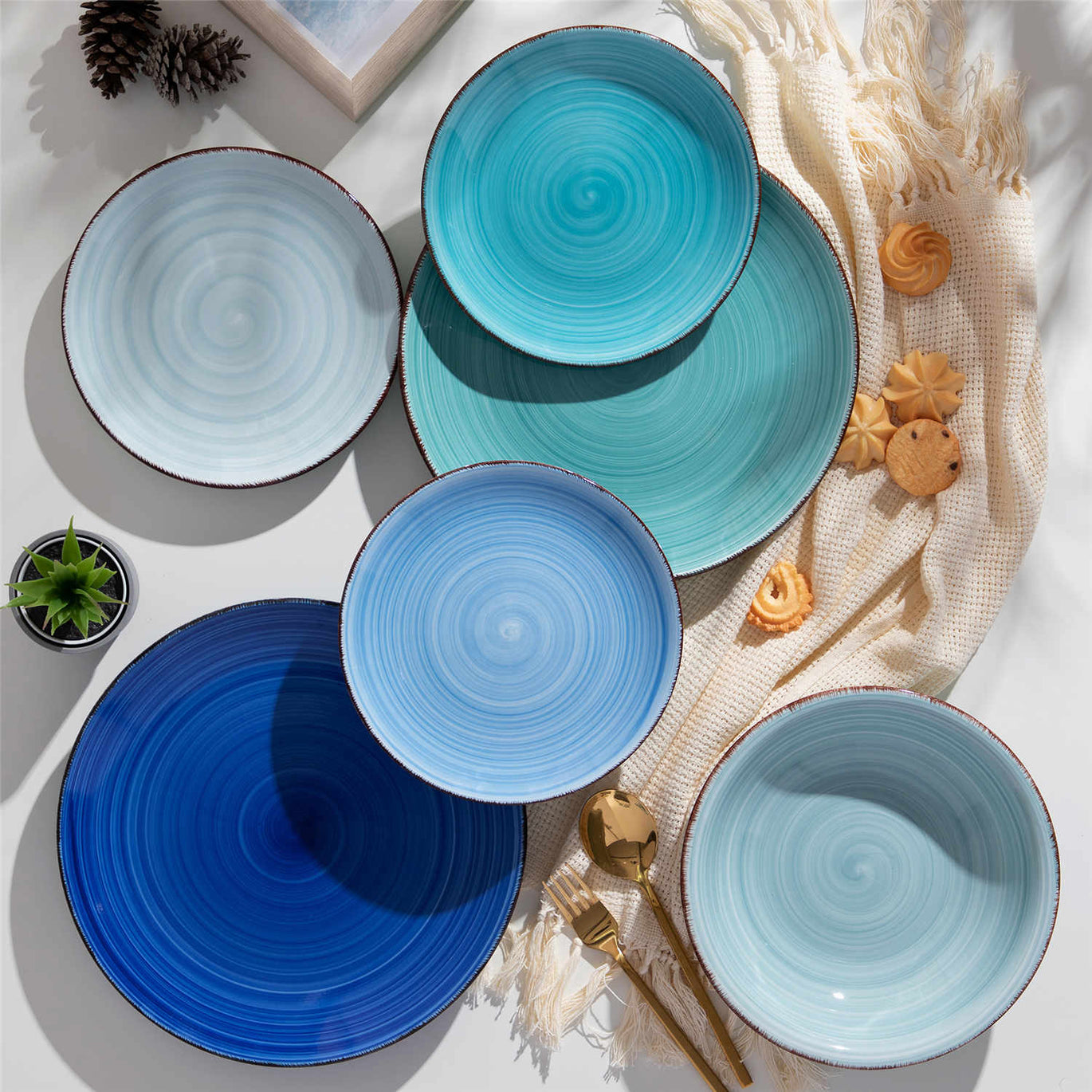


Why Gemologists Prefer Specific Ceramic Cups for Coffee Consumption

Coffee may not sparkle like a well-cut sapphire, but gemologists know a thing or two about how the vessel shapes what we perceive. When your daily brew doubles as a tiny sensory lab, the cup becomes a piece of precision equipment. From glaze chemistry to rim geometry, the details matter. As a Colorful Tabletop Creative & Pragmatic Joy Curator, I spend a surprising amount of time evaluating cups alongside coffees, and I’ve learned that gemologist instincts—neutral backgrounds, controlled lighting, calibrated surfaces—translate beautifully to the mug. The result is a bias-resistant, flavor-true, aesthetically calm experience that lets the coffee, not the cup, star.
Below, we’ll explore why ceramic—especially high‑fired porcelain and stoneware with white interiors—earns top billing with gemology‑minded drinkers, how shape and color nudge perception, and what to buy if you want your cup to behave like a lab instrument with the heart of a joyful tabletop companion.
The Gemologist’s Lens, Applied To Coffee
Gemologists train their eyes under neutral conditions so color is judged on the gem, not the background. Coffee tasting benefits from the same discipline. A white, non‑porous, inert interior acts like a neutral light box for liquid, minimizing color cast and preventing off‑aromas. Professionals in coffee cupping often choose white porcelain bowls for exactly this reason, which aligns with how gemologists standardize their viewing environment. The goal is consistent, repeatable sensory signals. Ceramic cups—especially white porcelain—support that goal by being quiet partners.
Flavor Neutrality And Material Chemistry
Flavor neutrality starts with a surface that neither absorbs nor imparts aroma or taste. Driftaway Coffee notes that ceramic is reliably neutral, while plastics tend to absorb odors and stainless steel can occasionally introduce metallic notes that vary by build quality. Allrecipes echoes the practical reality that residues on poorly maintained stainless steel can carry flavors forward, and that plastic can leach or retain smells that muddy the next pour. Unifury highlights that glazed ceramic is non‑reactive and helps preserve intended flavor.
Coffee contains well over 1,000 flavor‑active compounds, many of them delicate volatiles. Keeping the cup inert keeps those compounds from reacting with the vessel, which means what’s in the cup tastes like the roaster intended. That is the essence of neutrality—and neutrality is what gemologists trust.
Heat, Timing, And The Taste Window
Flavor changes as coffee cools. Many baristas and tasting guides consider the brew sweet spot to unfold as it travels through a comfortable range, typically around 122–158°F. Perth Coffee Exchange frames this practical window in terms of taste clarity, and Driftaway Coffee adds that double‑walled designs slow cooling regardless of material. Ceramic, thanks to its lower thermal conductivity than metal and better heat hold than most glass, stabilizes temperature and buys you more time before the profile dulls or tips bitter. That extra minute or two can be the difference between catching a ripe strawberry top‑note and missing it entirely.

Geometry: Shape, Rim, And Headspace
Perfect Daily Grind documented how cup shape shifts the sensory read, isolating geometry while keeping material constant. In that work, tulip shapes increased perceived aroma intensity, while a wide‑mouth shape nudged sweetness and acidity higher. On the competition stage, cups around 5 fl oz with open, angled rims have been used to intentionally align aroma and taste cues. Headspace—the air gap between liquid and rim, as Unifury describes—also matters because aroma is the primary driver of flavor perception. A narrower opening traps volatiles; a wider mouth makes them bloom and tilt your impression toward sweetness.
When gemologists taste coffee, they favor shapes that control aroma the way a viewing hood controls stray light. Tulip‑leaning profiles concentrate scent toward the nose as you sip, while thin lips deliver a clean, precise flow across the palate.
Color, Contrast, And The White‑Interior Rule
Color psychology isn’t just a parlor trick. Livingetc summarizes research and expert commentary that shows mug color nudges perceived flavor: white can heighten intensity and bitterness, red can read sweeter, blue can lean salty or bitter, and yellow can cue acidity. The Washington Post has reported similar findings around white cups intensifying flavor impressions. Gemologists gravitate to white interiors for the same reason they use neutral backdrops at the bench. A crisp, light interior reduces bias and keeps your brain from pre‑seasoning the coffee with expectations. If you enjoy playful color on the outside, keep the inside white when you want the truest read.

What The Materials Really Do
Here’s a concise comparison that reflects what baristas, sensory researchers, and household testers consistently report.
Material |
Flavor Neutrality |
Heat Retention |
Taste Risks |
Practical Notes |
Glazed ceramic (porcelain/stoneware) |
High; inert when fully vitrified |
Good to very good |
Minimal if glaze is intact |
Everyday workhorse; food‑safe, lead‑free options recommended by Driftaway Coffee |
Stainless steel |
Varies; often neutral but can read metallic |
Very good, especially insulated |
Off‑notes possible with lower‑quality finishes or residues |
Great for travel; test with your coffee as Driftaway Coffee advises |
Glass |
High chemical neutrality |
Moderate without double walls |
Cools fast, muting clarity sooner |
Beautiful and transparent; double‑wall helps |
Plastic |
Low neutrality over time |
Poor to moderate |
Odor and flavor carryover; potential leaching concerns |
Convenient and durable; best avoided for nuanced cups per Allrecipes and Driftaway Coffee |
Paper (lined) |
Low for flavor fidelity |
Poor |
Papery aroma; treated linings can influence taste |
Handy on the go; not for careful tasting |
For gemologists and anyone who wants the purest read, glazed porcelain or high‑fired stoneware is the safest bet.
Material Science Details Gemologists Notice
The engineering behind ceramic strength and stability resonates with anyone who appreciates hard, crystalline things. RockTumbler explains that many ceramic media components used in finishing are around 7+ on the Mohs scale, a hardness neighborhood also occupied by quartz. While mugs are formulated for food service rather than abrasion, the high‑fire processes that vitrify porcelain and stoneware yield dense, non‑porous surfaces that hold up to daily use and resist soaking in smells. LiveScience reported on the Keramos Mug Drop contest at an American Ceramic Society meeting where a composite of alumina and zirconia survived a 12‑foot drop; that’s an extreme case, yet it underscores how advanced ceramics can be tuned for toughness.
The takeaway for the coffee drinker is simpler: fully vitrified, lead‑free porcelain or stoneware, with an intact glaze and smooth interior, is robust, neutral, and sensorially quiet. That checks the same boxes gemologists check when they evaluate a surface for viewing.
Shape Translation For Flavor Goals
Shape is a tool, not a rule. When you want a little more aroma intensity without overwhelming heat, gravitate toward a tulip profile where the body is fuller than the opening. If your coffee’s joy lives in bright acidity and juicy sweetness, a slightly wider mouth can make those notes pop. Perfect Daily Grind’s coverage of Dr. Fabiana Carvalho’s research and a World Barista Championship competitor’s cup choices shows how deliberate cup geometry can become. In practice, I like to reserve a 5–6 fl oz tulip‑like porcelain cup for aromatic, high‑elevation coffees, and a gentle U‑shaped or modestly open rim for softer profiles where body and roundness shine.
Cup Shape |
Typical Sensory Shift |
Use Case |
Tulip (narrower rim, fuller bowl) |
Concentrates aroma; can heighten perceived intensity |
Floral, fragrant coffees; sit‑and‑savor brews |
Wide‑mouth / Splitt‑style |
Increases perceived sweetness and acidity |
Bright, fruit‑forward profiles |
Open U‑shape |
Balanced flow with comfortable mouthfeel |
Everyday brews where texture matters |
Pros And Cons In Practice
Ceramic, especially porcelain, stays the most invisible in flavor terms while keeping heat in a helpful zone. This invisibility is the point. If there is a con, it is that single‑wall ceramic will not keep coffee hot as long as insulated steel, so outdoor winter sipping may call for an insulated vessel. Stainless steel wins travel and temperature endurance but may sometimes read a little tinny, especially if there is detergent residue or a scuffed interior. Glass is beautifully honest in chemistry yet ushers your coffee to cool relatively quickly unless double‑walled. Plastic brings indestructibility and convenience but tends to accumulate a lived‑in aroma that follows you cup to cup. Paper is for portability, not precision.
Buying Guide: Gemologist‑Approved Ceramic Cups
Start with material and finish. Choose fully vitrified, lead‑free porcelain or high‑fired stoneware with a smooth, continuous glaze on the interior. A white interior helps you see clarity and crema without tinting your expectation. For shape, think about how you drink: a tulip‑leaning body with a slightly narrower mouth heightens aroma and keeps sips focused; a gentle open rim softens acids and spreads flow. Aim for comfortably thin lips for a crisp, clean entry; fat rims can increase the feeling of body but can also blunt delicacy.
For size, a tasting‑minded cup in the 5–9 fl oz range supports deliberate sipping without racing the cooling curve; note that some competition cups cited by Perfect Daily Grind were around 5 fl oz. If heat retention is a priority and you want to stay with ceramic’s flavor neutrality, consider a double‑walled ceramic build. If you need to take the cup on the road, test a high‑quality stainless travel mug with your favorite coffee to ensure it reads neutral to your palate.
The tactile side matters too. Gemologists appreciate controlled heft. A cup with a balanced weight in hand signals intention without fatigue. Choose handles that let your fingers land naturally without pinching. Keep exterior color playful if you like, but keep the interior white for neutrality on tasting days.
Care And Maintenance For Taste Clarity
Pre‑warm your cup with hot water so it does not shock the brew and shave off the early aroma peak. Rinse immediately after finishing so residual oils do not polymerize on the glaze and mute future cups. For stubborn coffee rings, a paste of baking soda and a little water breaks up film gently; a splash of vinegar helps when a deeper clean is needed, as home baristas often recommend. Avoid abrasive scrubbers that can scuff a glossy glaze, and keep an eye out for crazing or chips that can harbor odors; Driftaway Coffee recommends avoiding damaged glazes for taste and safety.
Metallic decorations—gold rims, luster decals, or mosaic glints—look glamorous, but treat them like jewelry. These are not microwave‑safe, and handwashing protects their sparkle, a point lifestyle and product guides frequently emphasize. Stainless travel mugs need periodic deep cleans with non‑scented products to remove lingering detergent odors, a practical tip echoed by Allrecipes. Porous, unglazed pottery may absorb oils; for daily coffee, stick with glazed interiors as Unifury advises.
A Simple Home Test To Verify Cup Neutrality
If you love an at‑home experiment, brew a bit extra and divide the same coffee into two pre‑warmed cups—one ceramic, one alternative—at the same serve temperature. Note aroma, sweetness, acidity, bitterness, and aftertaste in short phrases. Check back every few minutes as the temperature drops to see which vessel keeps the profile coherent. Driftaway Coffee and sensory guides suggest that structured comparison and consistent temperatures reveal the cup’s influence quickly. Keep the room light and distractions consistent, just as you would when assessing a gem under controlled lighting.
Common Misconceptions, Clarified
The idea that stainless steel always tastes metallic is overstated. Experiences vary with construction and cleanliness, and high‑quality steel can be neutral, though testing with your coffee is wise. Another misconception is that glass is always the most honest choice. Chemically, yes—but single‑wall glass cools quickly, which can flatten nuance unless you intend to drink fast or use double‑walled designs. Finally, not all ceramic is equal. Fully glazed, vitrified porcelain and stoneware are neutral; unglazed or crazed surfaces can absorb and retain aromas or stain, and that residue shows up in the cup.
Why This Aligns With Gemology
Gem evaluation prioritizes neutral backgrounds, calibrated light, and clean optics. Coffee tasting benefits from neutral interiors, controlled temperature, and clean surfaces. Perfect Daily Grind’s coverage of cup geometry shows how shape guides perception, much like lens choice in close inspection. Livingetc and the Washington Post summarize how color alters taste expectations, reminding us that white interiors help you see what is really there. Driftaway Coffee and Allrecipes reinforce the material‑chemistry reality that ceramic is inert and that residues elsewhere are the enemy of clarity. And when your inner materials scientist wants a smile, remember the American Ceramic Society’s Keramos Mug Drop reported by LiveScience—proof that there is serious engineering hiding in your humble cup.
Takeaway
If you want your coffee to read as faithfully as a gemstone under a neutral light box, reach for a white‑interior, fully glazed porcelain or high‑fired stoneware cup with a shape that matches your flavor goals. Ceramic keeps chemistry quiet, heat stable, and aromatics centered. Add a thin lip, sensible capacity, and clean care habits, and your vessel will stop talking so your coffee can speak.
FAQ
Q: Is porcelain actually better than generic ceramic for tasting?
A: Porcelain is a refined, high‑fired ceramic with a very smooth, vitrified surface that resists absorbing odors and keeps flavor neutral. Many professionals prefer white porcelain for cupping and sensory work because it behaves consistently and presents coffee without bias. High‑fired stoneware can perform just as well if the glaze is continuous and the interior is smooth and light.
Q: What serving temperature preserves the most nuance?
A: Many tasters find that clarity blooms as coffee cools through roughly 122–158°F, with brew temperatures often around 195–205°F before serving. Ceramic supports this glide by stabilizing heat and avoiding rapid swings that can flatten sweetness or emphasize rough edges.
Q: Which cup shape should I pick for bright, fruity coffees?
A: A slightly wider mouth can emphasize perceived sweetness and acidity, while tulip‑leaning profiles intensify aroma. Research summarized by Perfect Daily Grind found that shape alone can shift what you notice. If you love florals, a tulip‑like form is a great starting point. For juicy brightness, try a gentle wide‑mouth.
Q: Are colored interiors a problem?
A: Color influences perception. Studies and reporting summarized by Livingetc and the Washington Post show that mug color can nudge flavor impressions, with white often intensifying perceived bitterness. For unbiased tasting, a white interior is ideal. For everyday fun, exterior color is fair game as long as the inside stays neutral.
Q: Does stainless steel always make coffee taste metallic?
A: Not always. Experiences vary. High‑quality stainless steel can be neutral, but it needs thorough, scent‑free cleaning. Some people still perceive metal notes depending on the coffee’s chemistry. If you use steel for travel, test it with your favorite beans and compare against a ceramic control.
Q: How do I keep my ceramic mug tasting “invisible”?
A: Pre‑warm before use, rinse soon after you finish, and remove stains with a mild baking soda paste or a touch of vinegar for deeper cleans. Inspect for chips or crazing and retire damaged mugs from tasting duty. Avoid microwaving metallic‑decorated cups and handwash delicate finishes to preserve the glaze.
Citations And Further Reading
This article draws on practical guidance and reported research from Driftaway Coffee, Perfect Daily Grind, Allrecipes, Livingetc, the Washington Post, Perth Coffee Exchange, LiveScience, Unifury, and RockTumbler, alongside first‑hand cup trials in a tabletop tasting setting.
References
- https://en.wikipedia.org/wiki/Engraved_gem
- https://ora.ox.ac.uk/objects/uuid:517c3980-7e53-462b-a6f0-a92d6131142f/files/m82a82373a69c00fbb51e8be69563fcec
- https://community.ceramicartsdaily.org/topic/3254-gemstones-in-high-fire/
- https://www.livescience.com/604-world-toughest-coffee-cup.html
- https://deneenpottery.com/ceramic-mugs-taste-test/
- https://smart.dhgate.com/cubic-zirconia-vs-imitation-gemstones-does-anyone-even-notice-the-difference/
- https://driftaway.coffee/effect-coffee-cup-material-taste-ceramic-vs-stainless-steel-vs-plastic/?srsltid=AfmBOoqRhyui5KEpQZxXEzkw_1pmMWY_fGzL3yjP0ZkTg4uLzscabg0E
- https://www.formicagem.com/downloads/siamite-introduction-by-Karen-Avakyan.pdf
- https://www.livingetc.com/advice/how-your-mug-affects-coffee-flavor
- https://www.newsbreak.com/livingetc-1720758/4080571916186-your-choice-of-cup-is-massively-changing-the-way-your-coffee-tastes-here-s-the-science-to-understand-how
You may also like
Stern 16 Piece Dinnerware Set
- From €72,95
€96,95- From €72,95
- Unit price
- per
-
Blue
-
Green
-
Red
-
Grey
Simi 24 Piece Dinnerware Set
- €96,95
€129,95- €96,95
- Unit price
- per
Bonita 18 Piece Dinnerware Set
- From €60,95
€74,95- From €60,95
- Unit price
- per
-
Blue
-
Multicolor
Starry 16 Piece Dinnerware Set
- €73,95
€86,95- €73,95
- Unit price
- per
-
Blue
-
Green
-
Red
-
Gradient Green