



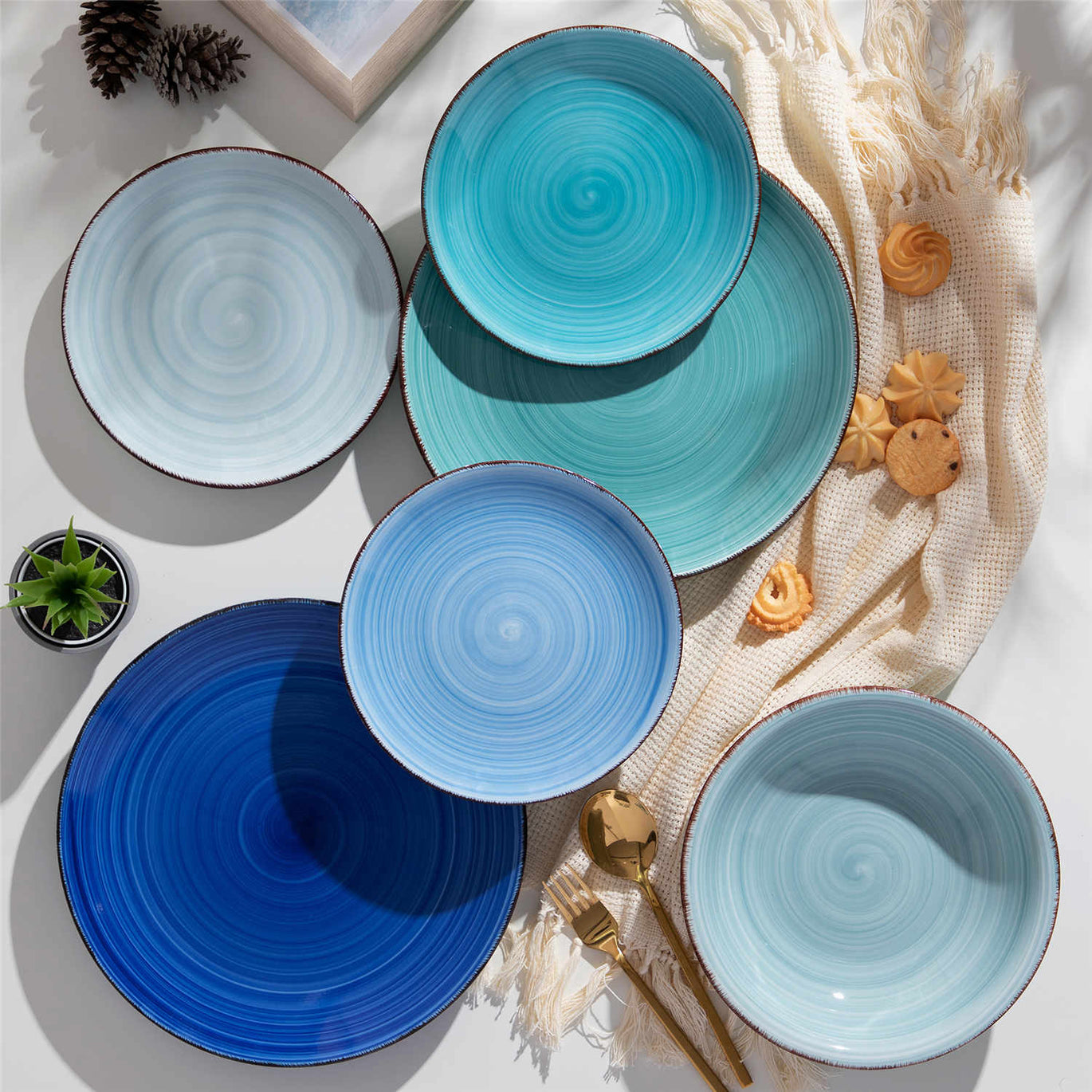


How the Pandemic Changed Consumer Habits for Ceramic Dinnerware

The pandemic did not just change where we eat; it rewired how we think about every plate, bowl, and mug that touches our table. As a Colorful Tabletop Creative & Pragmatic Joy Curator, I watched dining rooms go dark, kitchen tables become offices and classrooms, and humble cereal bowls step into the role of quiet daily comfort. Along the way, ceramic dinnerware moved from “nice-to-have” decor to a tiny, tactile anchor of safety, self-expression, and joy.
Today, the way we choose and use ceramic dinnerware is the product of those intense years. This article unpacks what actually changed, grounded in hospitality research and market data, then turns that insight into practical, playful advice for your own table.
From crowded dining rooms to private and contact-free plates
Before 2020, many consumers happily crowded around communal tables and open dining rooms. Then COVID-19 arrived and flipped the script. Restaurant demand collapsed so sharply that experts predicted more than half of restaurants might not survive, and suddenly the shape of a table and the spacing between plates became a public health question.
A study in the Journal of Hospitality and Tourism Management looked directly at this shift. Across four online studies in the United States during May and June 2020, the researchers found that people who felt more threatened by COVID-19 consistently preferred private restaurant options such as rooms or tables physically separated from others. When the virus felt especially salient, diners rated private tables higher and non-private tables lower, even when those open tables had otherwise desirable features like window views. In other words, the stronger the sense of risk, the stronger the desire for distance.
Those findings echo broader food service research that tracked how lockdowns, capacity limits, and fear of contagion drastically reduced willingness to dine indoors, even when formal restrictions eased. Consumer confidence has been slow and uneven to recover; some guests still feel uneasy in confined spaces and prefer settings that signal low risk.
Out of this landscape came two powerful forces that shaped dinnerware behavior:
First, private and semi-private dining became more valuable. Restaurants added partitions, spaced tables apart, or created private sections. While the research focuses on room layouts, the logic spills down to the tabletop: individual portions, smaller shared platters, and thoughtfully separated place settings all signal respect for boundaries and hygiene.
Second, “untact service” rose from niche term to mainstream necessity. Researchers in food service defined untact service as contact-free experiences, from drive-through and curbside pickup to delivery and app-based ordering. With every touch point under scrutiny, simple, stackable ceramic pieces that could move efficiently from kitchen to doorstep or patio became workhorses of survival.
Those early pandemic adaptations planted seeds that are still shaping how we think about ceramic dinnerware today.

Home became the new restaurant, and the table became a stage
When indoor dining felt risky, home took over. For many of us, the kitchen table became office desk, schoolroom, and restaurant all at once. Lockdowns that stretched a year or more turned homes into multi-purpose hubs where emotional comfort, security, and wellbeing drove design choices. Interior trends highlighted by tile and surface makers describe warm, inviting, nature-linked materials that make spaces feel like sanctuaries. That same craving for sanctuary spilled directly onto the table.
Market researchers now consistently describe post-pandemic home cooking and entertaining as key demand drivers for ceramic dinnerware. One analysis of global consumer preferences notes that North America alone accounts for about a third of ceramic dinnerware demand, with strong interest in both everyday and special-occasion pieces. Another report on the United States ceramics tableware market points to home renovation and dining-area upgrades as major engines of growth, especially as modular kitchens and open-plan living spaces invite more intentional table styling.
Social media amplified this shift. Food had already become content, but during the pandemic the table became the co-star. Hosts used dinnerware as a creative tool for photography, food blogging, and brand storytelling. Articles from tableware specialists describe how reactive glazes, matte white plates, and deeply colored bowls made dishes “pop” on camera while still letting the food stay center stage. As one trend piece put it, modern dining is increasingly about narrative: guests want the table to tell a story, not just hold a meal.
In my own tabletop projects during those years, I watched clients who once kept their “good china” hidden for holidays pivot to collecting a handful of expressive, camera-ready stoneware plates and bowls that could work for weeknight pasta, weekend brunch, and the occasional video-call dinner party. The line between everyday and special blurred, and ceramic dinnerware became both prop and partner in daily life.
Here is a simple way to visualize the before-and-after:
Aspect |
Pre-pandemic pattern |
Post-pandemic pattern |
Main dining location |
Frequent restaurant and café visits |
More meals cooked and shared at home |
Role of dinnerware |
Mostly functional, with separate “good” sets |
Everyday pieces expected to be beautiful, versatile, and photo-friendly |
Emotional expectation |
“Nice plates for guests” |
Plates and bowls as daily sources of comfort, self-expression, and a sense of safety |
Hosting style |
Occasional, pre-planned gatherings |
More casual, mix-and-match hosting with friends and family |
The pandemic did not just send us home; it invited us to see the table as a place where function, feeling, and aesthetics had to work together.

What consumers now want from ceramic dinnerware
Versatility over special-occasion formality
One of the clearest shifts in ceramic dinnerware habits is away from rigid, formal sets and toward flexible pieces that can shape-shift through many occasions.
Reports on the United States ceramic tableware market describe casual ceramic dinnerware gaining share over more expensive, formal porcelain and bone china. Consumers love sets that feel relaxed and approachable yet still coordinated enough to look purposeful. Globally, researchers find that dinnerware is the dominant product segment in ceramic tableware, accounting for roughly 44% of the market, driven heavily by household use.
Style research from JOYYE and other tableware brands adds texture to that story. Instead of committing to a single matching set for life, consumers buy smaller packs of four to eight place settings or pick up open-stock plates and bowls piece by piece. Younger, social-media-savvy buyers tend to be more price sensitive and are happy to build eclectic, personalized mixes. More established shoppers are often willing to pay more for long-lasting quality and durability, but they still value the freedom to mix and match.
The outcome is a more playful, modular table: a few neutral stoneware dinner plates paired with patterned salad plates, a splashy platter in ocean blue, or a couple of scalloped dessert plates that can join multiple lineups. Your table becomes a wardrobe, not a uniform.
Functionality, durability, and everyday superpowers
The pandemic made practicality feel luxurious. With dishwashers running overtime and oven-to-table cooking on the rise, consumers now expect dinnerware that can keep up with real life.
Trend pieces from 2019 and 2020 already noted rising expectations for durability, chip and break resistance, heat resistance, and dishwasher and microwave safety. Those expectations only intensified as people cooked more at home. Stoneware in particular is appreciated as a high-fired, non-porous material with a relatively heavy feel and strong scratch resistance. It retains heat well, making it ideal for slow meals and oven-to-table serving.
Post-pandemic trend reporting from sourcing specialists highlights oven-to-table items that can withstand temperatures above 500°F, modular stacking for small apartments, and stress testing for dishwasher cycles and chip resistance. The message is clear: beautiful plates that chip after a few uses are no longer acceptable. Consumers want pieces that look artisanal but behave like hardworking tools.
In my styling work, clients increasingly ask a simple but telling question: “Can this go from fridge to microwave to table without fuss?” The plate that answers yes while still looking gorgeous tends to win.
Material choices: stoneware, porcelain, bone china, and “ceramic”
Many shoppers emerged from the pandemic more curious about what their dishes are actually made of. Research into consumer preferences provides straightforward definitions that help decode the aisle.
In everyday language, “ceramic” is a broad category that includes stoneware, porcelain, bone china, and other clay-based materials. Within that umbrella:
Stoneware is a high-fired, non-porous material that feels relatively heavy and solid. It often has a speckled or rustic finish, visible throwing lines, and artisanal textures. Stoneware dinnerware sets are gaining share because they resist chipping and scratching, retain heat well, and offer that cozy, handcrafted look that suits slow, homey meals.
Porcelain is fired at very high temperatures to create a lighter, bright white, often translucent body associated with a refined look. In market data, porcelain is currently the leading material segment by share. Consumers choose it when they want a classic white canvas that still feels durable and suitable for both casual and more formal dining.
Bone china adds bone ash to the porcelain formula, producing exceptional strength in a thin profile with a warm-white, fine-dining aesthetic. It appears in trend reporting as the go-to for those who still love a traditionally elegant table yet want pieces that are surprisingly strong for their weight.
A quick comparison:
Material |
Feel and look |
Key benefits described in research |
Best suited for |
Stoneware |
Heavier, tactile, speckled or rustic |
High scratch resistance, strong heat retention, artisanal appeal |
Cozy everyday meals, oven-to-table serving, mix-and-match casual tables |
Porcelain |
Lighter, bright white, often translucent |
Premium finish, durability, classic look with wide design range |
Neutral canvases, restaurant-style plating, bridging casual and formal settings |
Bone china |
Very thin but strong, warm white, refined |
Exceptional strength in fine profiles, timeless fine-dining aesthetic |
Special occasions that still need practicality, heirloom-style collections |
Rather than picking one material forever, many post-pandemic consumers blend them. A stack of stoneware dinner plates with porcelain side plates and a bone china cake stand feels layered, personal, and ready for anything.
Color and mood: from strict minimalism to joyful, grounded palettes
Before the pandemic, white dinnerware was already a timeless favorite because it flatters nearly any dish and photographs cleanly. That remains true, but the color story has become far richer.
Trend reports from 2019 and 2020 spotlighted matte white, royal and matte blues, greys, and blacks as core hues, often combined with patterns or layered in monochromatic schemes. Grey and black in particular create intimate, contemporary settings and photograph beautifully for food content.
By 2024 and into 2025, the palette has broadened dramatically. JOYYE notes demand for vibrant blues, rich greens, sunny yellows, ocean tones, and warm earth shades such as terracotta, rust, and clay. North America still leans toward blues and neutrals, Europe favors earth and Mediterranean tones, and many Asian markets embrace brighter palettes.
Sourcing specialists describe a color story called “Earth Reimagined” built around mocha, citrusy oranges, soft greens, nautical blues, and floral purples. Feminine design trend analyses point out that neutrals like ivory, taupe, beige, and matte grey still account for nearly half of global tableware sales, but are increasingly layered with blush pink, butter yellow, terracotta, sage, and select “dopamine brights.” Color psychology research referenced in these articles links such hues to feelings of freshness, comfort, calm, and playful romance.
The pattern that emerges is simple: consumers want tables that feel grounded and soothing but not boring. A neutral base with a few joyful color pops lets them dial the mood up or down with ease.
Texture, handcraft, and storytelling
If color sets the mood, texture tells the story. Post-pandemic trend reports from ceramic brands highlight “eccentric minimalism,” “slow maximalism,” retro nostalgia, and “timeless earthiness” as leading directions. The common thread is a move away from perfectly smooth, anonymous surfaces toward pieces that look and feel made by human hands.
Reactive glazes that break and pool in unpredictable patterns, unglazed rims that reveal the clay body, and subtle irregularities in shape all play into what some designers call “honest surfaces.” Articles on restaurant and home tableware describe how these details make the food stand out while inviting guests to touch and notice the plate itself. Nature-inspired textures, leaf impressions, and floral motifs echo broader interior trends that bring greenery and organic forms indoors for psychological wellbeing.
Feminine design commentary emphasizes scalloped or wavy edges, shell-like forms, and Rococo Revival florals as ways to express a softer, nurturing ambiance without being overly precious. Brands position such pieces as “tabletop artworks” that mirror personality and family story, especially when layered with vintage or heirloom china.
Social media has rewarded this storytelling approach. One cited study notes that restaurants who adopted bolder plate colors saw roughly a one fifth increase in Instagram posts featuring their dishes. When a plate has a distinct edge, glaze, or silhouette, it becomes part of the visual narrative that guests want to capture and share.
Sustainability and ethics moved from bonus to baseline
Perhaps the most profound mindset shift is not just aesthetic but ethical. Environmental, social, and governance (ESG) criteria now sit at the heart of how many consumers and buyers evaluate ceramic dinnerware.
Market analyses focused on ESG describe environmental initiatives such as sustainably sourced or recycled raw materials, eco-friendly glazing, waste reduction, and energy-efficient kilns as central to brand reputation and consumer trust. Concrete examples include manufacturers like Denby treating the equivalent of roughly 5.3 million gallons of process water per year and recycling about 26,000 gallons of glaze, demonstrating resource-conscious production.
At the same time, reports highlight the social and governance side: fair labor practices, safe working conditions, fair wages, community engagement, transparent supply chains, and compliance with safety regulations like FDA and ISO standards. These practices not only reduce legal risks; they resonate with consumers who increasingly research where and how pieces are made.
JOYYE’s data on sustainable ceramic tableware is especially striking. That segment alone is expected to grow from about $102 billion in 2024 to roughly $145.5 billion by 2030. Separate analyses of the wider ceramic tableware market project overall values rising from around $80.25 billion in 2024 to $126.94 billion by 2032, with sustainability and artisanal positioning cited as major growth drivers. Different methodologies yield different base numbers, but they converge on one conclusion: sustainability is not a niche.
Export-focused research on 2025 trends reinforces this picture. International buyers increasingly treat green ceramics as a core requirement, expecting lead-free and cadmium-free glazes, biodegradable packaging, and documented compliance with food-safety certifications. Producers that once competed purely on low cost are moving toward mid-to-high-end products emphasizing design, cultural value, and eco-credentials.
As a result, when consumers pick up a plate now, many are not just asking “Does this look good on my table?” but “Is this safe, fair, and gentle on the planet?”

Market-level shifts: who buys, where, and how
Behind every shelf of plates lies a global supply chain that weathered the pandemic storm and came out reshaped.
Several research firms estimate that North America currently accounts for about 34% of the ceramic tableware market by value, Europe about 28%, Asia-Pacific around 27%, Latin America about 7%, and the Middle East and Africa roughly 4%. Asia-Pacific is identified as the fastest-growing region, while North America and Europe maintain solid growth supported by advanced infrastructure and pro-sustainability policy frameworks.
Residential customers now represent about 61% of demand in some analyses, a share amplified by urbanization, higher disposable incomes, and lifestyle trends that favor at-home dining and décor-focused tables. At the same time, the recovery of hotels, restaurants, and cafés post-pandemic is structurally boosting demand for durable, design-forward ceramic dinnerware in commercial settings.
On the growth side, one market forecast projects that ceramic tableware will expand by about $3.09 billion between 2020 and 2025, with a compound annual growth rate around 4.55%. Another report estimates the broader ceramic tableware category growing at about 5.9% annually from 2025 to 2032. JOYYE’s focused view of ceramic dinnerware alone anticipates values rising from approximately $12.4 billion in 2024 to $22.2 billion by 2034. The specific numbers vary by scope and definition, but the arc is unmistakable: post-pandemic, ceramic dinnerware is on a sustained growth path.
E-commerce is a big part of how that growth reaches your cabinet. Market analyses reference brands where online sales make up around 30% of total revenue, and U.S. ceramic tableware overviews describe a “strong boom” in e-commerce as a powerful new sales channel. Digital visualization tools, social media styling content, and direct-to-consumer platforms give shoppers unprecedented access to global designs, while export reports emphasize how manufacturers are building omnichannel strategies and brand partnerships instead of remaining anonymous contract producers.
On the flip side, challenges remain. Ceramic production is energy- and labor-intensive, which exposes producers to fuel and electricity price volatility. Competition from substitutes such as glass, stainless steel, and melamine is real, given their durability and lower cost. Intense price competition from low-cost suppliers pressures margins, especially for mid-market players. This is precisely why design, ESG differentiation, and digital storytelling matter; they allow brands to compete on more than price.
For you as a consumer, this market backdrop translates into more choice than ever, plus a clearer expectation that the brands you support are doing right by their workers, their communities, and the environment.

A practical, playful guide to choosing dinnerware in a post-pandemic world
All this research is fascinating, but the real magic happens when it lands on your own table. Here is how to translate post-pandemic ceramic dinnerware trends into choices that feel both joyful and grounded.
Start with your everyday ritual
Instead of beginning with “How many people can I seat on Thanksgiving?” start with a typical Tuesday. Pay attention to what you actually cook, how you like to eat, and who usually sits at your table.
If your life is filled with slow stews, sheet-pan dinners, and big salads, prioritize generous stoneware dinner bowls and coupe plates that can carry many types of meals. If you lean toward simple grains and vegetables with a protein, classic dinner plates with a couple of all-purpose bowls might carry more weight. Research highlights how consumers value pieces that move smoothly between casual and more formal settings, so favor shapes and sizes that can flex from solo lunches to last-minute guest dinners.
Once you understand your daily patterns, you can add accents for hosting without ending up with a cupboard full of rarely used specialty pieces.
Prioritize safety, cleanliness, and ease of care
The pandemic sharpened everyone’s eye for cleanliness and hygiene. Even as the acute crisis fades, those instincts linger in how we judge plates and bowls.
Look for dinnerware that clearly states it is dishwasher-safe and microwave-safe if those are part of your routine. Trend and consumer research repeatedly emphasize these features as core purchase criteria, not extras. When possible, favor brands that mention compliance with recognized food-safety standards and explicitly note lead-free and cadmium-free glazes, reflecting the rising importance of green and safe ceramics in export and ESG-focused reports.
Visually, lighter interiors on bowls and plates can make cleanliness easier to assess and enhance how food looks. That is one reason bright white porcelain and pale stoneware remain popular. At the same time, smooth, well-finished glazes without rough patches help cleaning feel straightforward and satisfying.
Balance art and longevity
One of the greatest shifts in post-pandemic dinnerware habits is the refusal to choose between expressive design and durability. Consumers now expect both.
Research covering manufacturer practices discusses how serious producers subject their pieces to dozens of dishwasher cycles, chip-resistance tests, and cutlery-scratch assessments to ensure they hold up. You can mirror this mindset by paying attention to details that signal robustness: slightly thicker rims on stoneware, well-finished edges on irregular shapes, and glazes that do not feel overly thin or chalky.
At the same time, do not be afraid of character. Reactive glazes, scalloped edges, subtle speckles, and organic silhouettes are all part of current trends precisely because they break the monotony of rigid minimalism. The key is to keep the overall surface practical. A plate that tilts dramatically or a bowl with extremely uneven edges might be eye-catching but less enjoyable to use or store.
A helpful mental test I use with clients is simply this: would you be thrilled to see this plate in a photo and still delighted to load it into the dishwasher three times a week for years? If the answer is yes on both counts, you are close to the sweet spot.
Make sustainability and ethics part of the purchase
Environmental and social responsibility are no longer niche concerns for ceramic dinnerware; they are part of mainstream growth. ESG-focused market research shows that brands investing in recycled raw materials, eco-friendly glazes, waste reduction, and energy-efficient equipment are winning both trust and market share.
When choosing your pieces, scan for clues that a brand takes these issues seriously. Evidence can include mentions of recycled content, water-treatment and reuse, energy-efficient kilns, or explicit adherence to safety and sustainability standards. Some companies share numbers, such as millions of gallons of process water treated annually or specific glaze-recycling volumes, which demonstrate concrete action rather than vague promises.
On the social side, look for stories about craftspeople, local production, fair wages, or community projects. Reports on global ceramic dinnerware highlight fair labor and transparent supply chains as part of good governance, and consumers increasingly reward that integrity.
You do not have to interrogate every plate like an auditor, but gentle curiosity about how your pieces are made can align your table with your values and support brands nudging the industry in a healthier direction.
Build a flexible, mix-and-match collection
Research on post-pandemic buying patterns is unequivocal: mix-and-match is here to stay. Smaller sets, open-stock purchasing, and eclectic style combinations are how many consumers achieve both creativity and practicality.
A simple way to build this flexibility is to choose a neutral base in one material and deliberately layer in accents. For example, you might anchor your table with matte ivory stoneware dinner plates, then add a quartet of reactive-glaze salad plates in deep blue, a couple of terracotta-toned serving bowls, and a single statement platter in a nature-inspired print. Because the forms and underlying tones harmonize, the result feels intentional rather than chaotic.
This approach mirrors what trend reports call “slow maximalism”: visually rich but curated combinations that tell a story without overwhelming the senses. It also makes it easy to evolve your table over time. Instead of buying a completely new set, you can swap out a few accent pieces to refresh the mood for a new season or life stage.
As a joyful side effect, mix-and-match collections reduce the emotional pressure around breakage. When each piece is part of a broader family rather than an irreplaceable member of a rigid set, replacing or repairing becomes a creative opportunity rather than a disaster.

FAQ: post-pandemic ceramic dinnerware questions
Is stoneware or porcelain better for everyday use now?
Both can be excellent everyday options; the better choice depends on your habits and taste. Stoneware offers a cozy, grounded feel with strong scratch resistance and excellent heat retention, which suits slow meals, oven-to-table dishes, and rustic styling. Porcelain brings a lighter, bright white canvas and a more classic, restaurant-style look, with market data affirming its durability and popularity. Many post-pandemic consumers use stoneware for primary plates and bowls, then fold in porcelain side plates or serving pieces for contrast and versatility.
How much should I worry about safety and glazes?
It is wise to pay attention, but you do not need to be anxious. Reports on export trends and ESG in ceramic dinnerware stress that major markets like the United States and Europe increasingly require compliance with food-safety standards, and reputable producers often advertise that their glazes are lead-free and cadmium-free. If you buy from established brands or from makers who clearly state their materials and certifications, the risk is low. Where possible, avoid opaque bargains with no information about origin or safety; instead, support producers who are transparent about their processes.
Are bold colors and playful shapes a passing fad?
Research on trends suggests that specific palettes will evolve, but the deeper shift toward expressive, story-driven tableware is here for the long term. Articles on 2024 and 2025 ceramics trends frame plates, bowls, and mugs as expressive lifestyle objects and “functional art,” not just neutral containers. Social media, renewed at-home entertaining, and the emotional importance of everyday rituals all support the desire for pieces that feel personal. Choosing bold colors or playful shapes within a reasonably timeless material and form gives you the best of both worlds: the joy of trend-forward design with the staying power to carry you well beyond the current moment.

A closing toast from the tabletop
The pandemic changed ceramic dinnerware habits not by nudging us toward a new color or pattern, but by reminding us how much the humble plate matters when everything else feels uncertain. Today’s consumers are asking more of their dinnerware than ever: it must be safe, durable, sustainable, and versatile, yet also soulful, camera-ready, and deeply personal.
As you curate your own collection, think of each piece as a tiny, tactile vote for the kind of everyday life you want. Choose plates that make vegetables sparkle, bowls that welcome soups and stories, and mugs that feel like a hand squeeze at 7:30 AM. In a world that has learned the value of gathering, every colorful, well-chosen piece of ceramic is a small act of pragmatic joy.

References
- https://pmc.ncbi.nlm.nih.gov/articles/PMC7373016/
- https://www.semanticscholar.org/paper/Effects-of-COVID-19-on-preferences-for-private-in-Kim-Lee/6296adf811d5e81ab1bf45441adc44faf8856d7a
- https://www.fortunebusinessinsights.com/ceramic-tableware-market-113079
- https://www.credenceresearch.com/report/ceramic-tableware-market
- https://www.eater.com/24382679/pandemic-restaurant-food-pivots-that-stuck-five-year-anniversary-covid-19
- https://www.joyye.com/info-detail/consumer-preferences-in-ceramic-dinnerware-styles
- https://www.lavishceramics.com/ceramic-trend-after-covid-19/
- https://www.linkceramics.com/2025-ceramic-tableware-export-trends/
- https://www.technavio.com/report/ceramic-tableware-market-industry-analysis
- https://www.wdfdinnerware.com/news/hand-painted-ceramic-tableware-demand-surges-85242399.html
You may also like
Stern 16 Piece Dinnerware Set
- €84,95
€96,95- €84,95
- Unit price
- per
-
Blue
-
Green
-
Red
-
Grey
Simi 24 Piece Dinnerware Set
- €96,95
€129,95- €96,95
- Unit price
- per
Bonita 18 Piece Dinnerware Set
- From €60,95
€74,95- From €60,95
- Unit price
- per
-
Blue
-
Multicolor
Starry 16 Piece Dinnerware Set
- €84,95
€86,95- €84,95
- Unit price
- per
-
Blue
-
Green
-
Red
-
Gradient Green