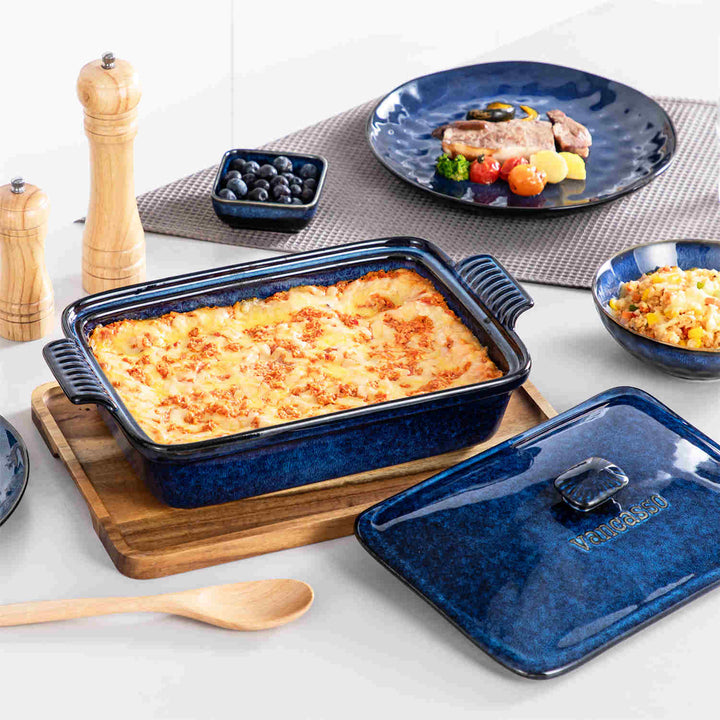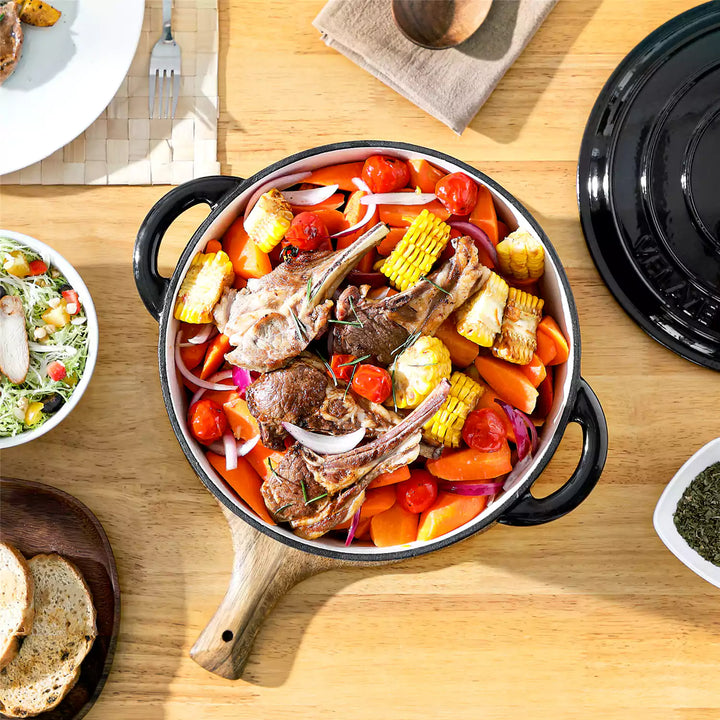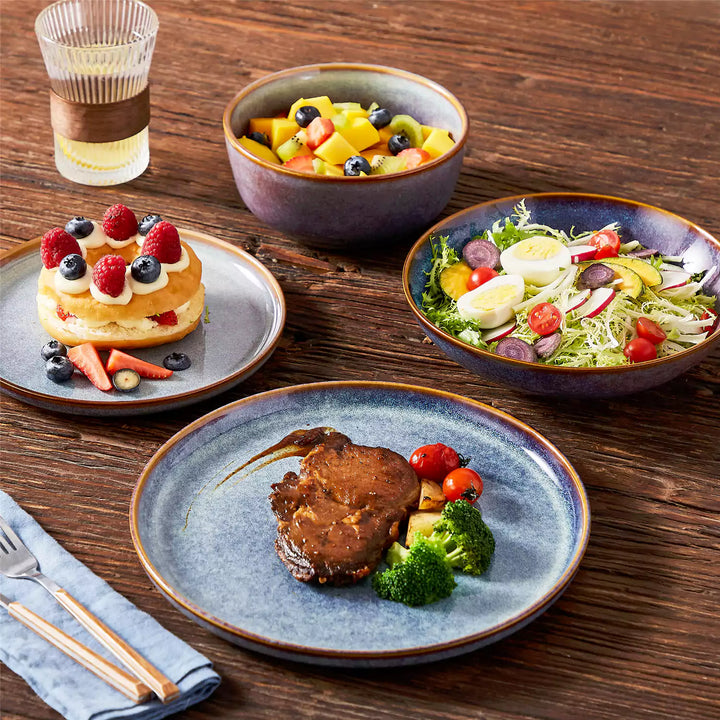


Stoneware dinnerware is characterized by its rustic appeal, durability, and heat retention. It is used by many households not only to eat but also to bake and store food. However, when it comes to freezing leftovers or preparing meals in advance, one question arises: Can you freeze stoneware?
The answer is yes, but with some significant caveats. Stoneware is hard but not unconquerable. Knowing its response to extreme temperature changes is the key to preserving your favorite stoneware dinner plate and stoneware bowls. Therefore, we will deconstruct everything you need to know about freezing stoneware safely, including the dangers associated with it, and how to ensure that your dinnerware sets will last for years.
Quick Answer: Yes, but With Crucial Precautions
Yes, stoneware dinnerware can be put in the freezer — but only when it is done properly. The majority of good stoneware is produced using dense clay that is fired at very high temperatures, which renders it non-porous and relatively heat-resistant. Nevertheless, cracks, fractures, or even breakage may occur due to sudden changes in temperature.
When you are going to freeze food in stoneware, always make sure:
- The food is completely cooled before freezing.
- The freezer is set to a moderate, stable temperature.
- You avoid sudden changes in temperature, like putting a dish from the oven straight into the freezer or vice versa.
These precautions allow stoneware to store soups, casseroles, desserts, or even meal preps without any problem.

Stoneware vs. Other Resources: Freezer Safety Comparison
When comparing ceramic and stoneware or other dinnerware materials, stoneware is more likely to withstand temperature changes; however, it is important to note that it does not perform as well as glass or silicone, which are designed for freezer use.
In short, stoneware offers a middle ground — it is more durable than simple ceramic, but not as versatile as glass or metal in terms of freezing.
Thermal Shock Risk: Why Stoneware Can Crack in Freezers
Thermal shock is the greatest danger to your stoneware dinnerware in the freezer. This occurs when the temperature changes rapidly, causing the clay molecules to expand or contract at an unreasonable rate.
For example:
- Placing hot leftovers in the freezer.
- Placing a frozen stoneware dish directly into a hot oven.
- Adding boiling liquids to a cold stoneware bowl.
Such activities may result in fine cracks (crazing) or even crack your dinnerware. The trick is to allow for gradual changes in temperature. Hot food should be allowed to cool to room temperature before freezing, and frozen food should be allowed to thaw gradually before heating.

Freezing Food in Stoneware Safely
To maximize your use of your freezer-safe stoneware dinner plate or bowl, consider the following practical steps:
Cool Before Freezing
Let the cooked food and dish cool down. Even a slightly warm stoneware object can break when it is subjected to freezing conditions.
Wrap or Cover Properly
Cover with plastic wrap, aluminum foil, or an airtight lid to avoid freezer burn and exposure to moisture.
Use Gradual Cooling
Put the stoneware in the refrigerator and leave it there for approximately an hour, and then put it in the freezer. This helps the temperature change gradually.
Label and Store Flat
Write the date and contents on your dish. Stoneware should always be kept flat to prevent falling or being broken by other frozen products.
Avoid Overfilling
Liquids expand when frozen. Keep a small opening at the top to avoid pressure cracks.
These steps will help you to safely freeze leftovers, lasagnas, or casseroles in your favorite stoneware bowls and baking dishes.
Five Stoneware Killers That Will Destroy Your Stoneware
To save your money, avoid the following pitfalls of freezers:
Storing Hot Stoneware in the Freezer
The abrupt change from hot to cold puts strain on the clay body and can cause cracks.
Cheap or Decorative Stoneware
Not every stoneware is designed to withstand high and low temperatures. Unglazed or decorative pieces have a higher chance of absorbing moisture and fracturing.

Skipping the Cooling Step
Internal stress can be caused even by warm food. Always allow the dish and contents to cool.
Piling Heavy Items on Frozen Stoneware
Other frozen products may add weight, which can cause them to crack or chip over time.
Heating Frozen Stoneware Instantly
Heat frozen stoneware to room temperature before heating. Quick heating leads to thermal shock.
These mistakes can be avoided, which will greatly increase the life of your stoneware dinnerware sets.
How to Safely Thaw Food from Frozen Stoneware Dinnerware
Freezing is not as important as thawing. Here's how to do it safely:
Transfer to the Fridge First
Remove your frozen stoneware dish from the freezer and place it in the refrigerator for a few hours. This enables it to warm up slowly.
Avoid Direct Heat
Do not put a frozen stoneware plate or bowl in a hot oven or microwave. Rather, allow it to warm at room temperature for approximately 30 minutes after refrigeration.
Low Oven Temperature When Necessary
When reheating, start with a low temperature (approximately 250°F or 120°C) and then raise the temperature slowly after the dish is warmed.
This step-by-step method will avoid cracks and leave your food safe to consume.
Is Your Stoneware Freezer-Safe? How to Check
Not all stoneware is designed for freezing. To determine if yours is:
- Check the Label of the Manufacturer: Find "Freezer Safe" or "Oven-to-Freezer Safe."
- Evaluate Quality: Stoneware that is high-fired and glazed tends to be more durable.
- Simple Test: Fill with cold water and put it in the fridge for an hour. If there is no moisture leakage or cracks, it is probably safe to freeze lightly.
- Avoid Antique or Handmade Pieces: These can lack consistency in glazing or firing temperatures.
Note: Even stoneware that is freezer-safe must be handled carefully when moving between hot and cold conditions.

The Bottom Line on Freezing Stoneware
So, is it possible to freeze stoneware? Yes — when you take good precautions. The thick clay body of stoneware makes it durable enough for cold storage, but it can be subjected to thermal shock unless it is handled properly.
When comparing ceramic to stoneware, the latter is more durable and versatile, which is why it is a good option in modern dinnerware sets. You can freeze soups in stoneware bowls or freeze lasagna in a baking dish, but you must always remember to allow your stoneware to cool and thaw slowly.
With proper care, your stoneware serving bowl or dinner plate can be moved in and out of the oven and freezer (and back) for many years of dependable service.
FAQs About Freezing Stoneware
Q: Is It Possible to Freeze and Then Put Stoneware in the Oven?
A: Only when the manufacturer expressly states so. The majority of stoneware cannot withstand drastic changes in temperature, and therefore it is always advisable to allow the stoneware to cool to room temperature before baking.
Q: Is It Possible to Freeze Soup or Stew in Stoneware Bowls?
A: Yes, provided the bowl is freezer-safe and cooled prior to freezing. Allow space for the liquid to expand.
Q: What Is the Maximum Time I Can Freeze Food in Stoneware?
A: Until 2–4 months, depending on the type of food. It is essential to make sure that it is well sealed to avoid freezer burn.
Q: Is It Possible to Use Ceramic Dishes Rather Than Stoneware in the Freezer?
A: Simple ceramic dishes are more porous and delicate, and therefore stoneware has an advantage in cold resistance.
Q: What Should I Do in Case My Stoneware Cracks a Little After Freezing?
A: Temperature stress may cause minor surface cracks (called crazing). Damaged pieces should not be used to bake or heat directly afterwards.