



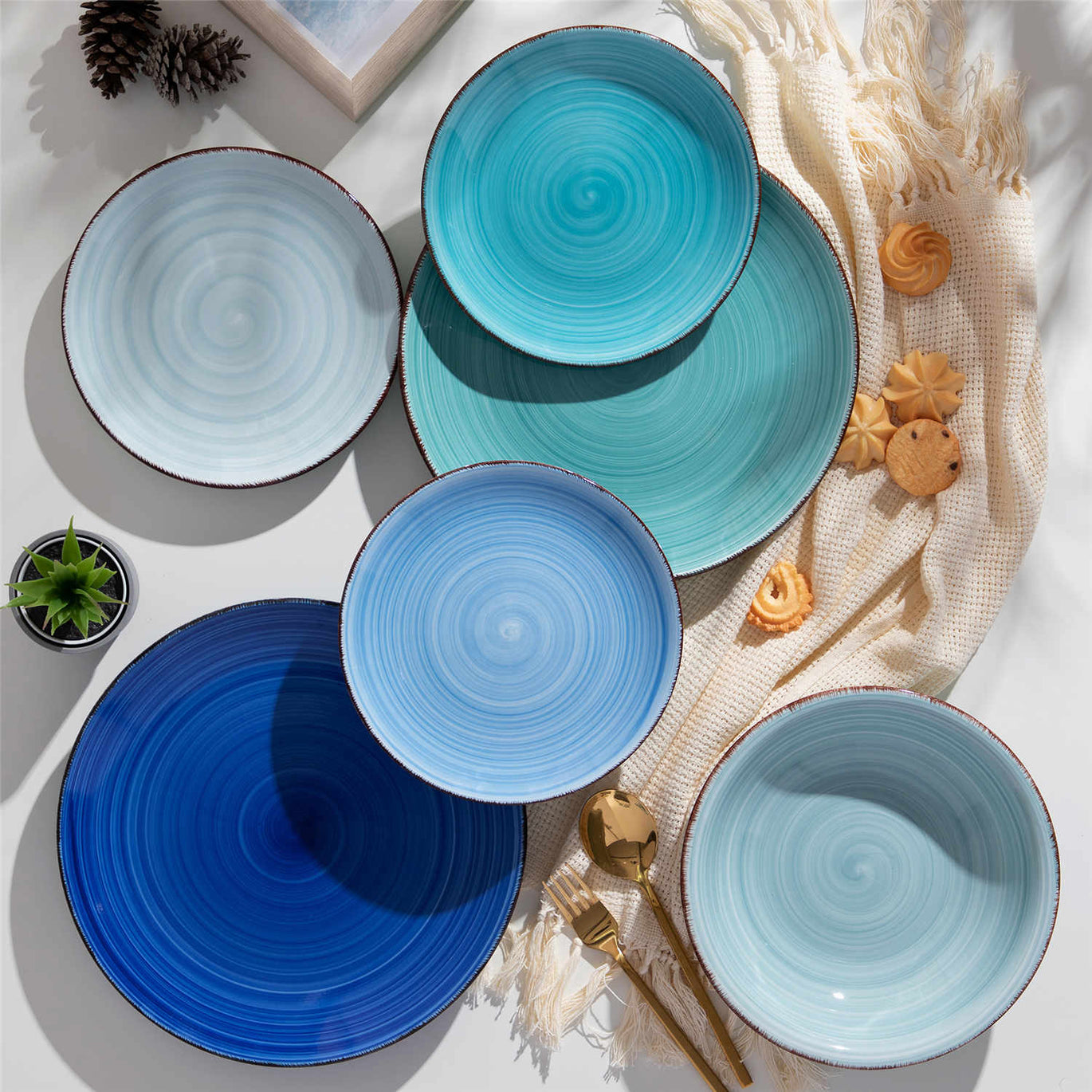


How to Choose the Right Dinnerware Size?
You enter your kitchen, open a cabinet, and take out a dinner plate, only to find that it does not fit well in your dishwasher or that it is too large on your dining table. Sound familiar? Selecting dinnerware may appear to be an easy task until you end up with plates that are too big to store or bowls that are too shallow to hold your favorite pasta.
Behind the color schemes and ceramic finishes lurks a practical consideration that most shoppers do not think about: size. With limited kitchen storage space and changing dining patterns, the choice of dinnerware size is more important than ever before. This guide will assist you in navigating the surprisingly complicated world of dinnerware dimensions and finding your ideal fit.
Why Dinnerware Size Matters More Than You Think
The size of dinnerware is not only a matter of beauty, but it also influences the way you eat, the appearance of your table, and the efficiency of your kitchen. Large plates can be luxurious, but they can be too much on small tables and can promote overeating. Small plates, however, can be cute but can be a source of frustration to family members when they are having a hearty meal.
And don’t forget about the logistics - big dinnerware may not fit in your dishwasher, cabinets, or microwave. Size is critical, whether it is in terms of convenience in everyday life or the way you entertain your guests. It affects the size of the portions, the way food is served, and even your mood during the meal.

Dinnerware Dimensions: A Standard Size Guide
It is also necessary to know the standard sizes of dinnerware before you begin shopping. This is a brief guide:
- Dinner Plates: These are usually 10-12 inches in diameter. The most popular size is approximately 10.5 inches.
- Salad Plates: Typically 7-8.5 inches. Perfect as a side salad, appetizer, or light meal.
- Soup or Cereal Bowls: 5 to 7 inches in diameter, 16 to 22 ounces.
- Dessert Plates: Normally 6-7 inches. Perfect with sweets, snacks, or small portions.
-
Mugs: Standard sizes are 10-16 ounces, although this may vary depending on design.
These figures may differ a little depending on the brand or material, but they provide a good reference point. Being aware of these numbers will allow you to determine whether a set is feasible for your requirements or a bad fit for your room.
Your Personal Dinnerware Size Checklist: 5 Questions to Ask
To make a good choice, think about the way your lifestyle and surroundings match your dinnerware. These are five important questions to consider when making your decision:
What is the size of your dining table?
Take the diameter or length of your table and think about the number of place settings you normally use. Bigger plates may be beautiful but may clutter your setup. Make sure that each setting has room to breathe, preferably 24 inches of table width per person.
What are the dimensions of your cabinet and dishwasher?
Among the most frequent problems of oversized plates is the fact that they do not fit in standard cabinets or dishwashers. Measure the vertical height and width of your shelves and dishwasher racks. When your plate touches the top spinner in the dishwasher, it is too large to be cleaned in regularl cycles.

How does your family eat?
Are you a fan of simple meals or extravagant spreads? Large dinner plates and bowls can be helpful to big eaters, whereas smaller ones can assist portion-conscious people in controlling their portions. Consider the way you usually eat your meals, buffet, plated courses, or family-style, and make your choice.
Are you an entertainer?
A combination of sizes can be useful in case you frequently entertain at dinner parties. Think about layering sets of full-size dinnerware when you are having a formal dinner and a bit smaller or unusual shapes when you are entertaining casually. When serving larger groups, space efficiency and ease of handling will be more important.
What is your style?
Size is also important in visual harmony. When you want a layered, styled table setting, the various sizes will enable you to create depth and texture. Large items give a bold, contemporary feel, whereas smaller, dainty items give a minimalist or vintage feel. To achieve a harmonious appearance, match size to style.

Measuring Your Space Before You Buy
The mistake you should avoid is purchasing dinnerware without measuring. This is a three-step easy way:
-
Cabinets and Shelves: Measure the depth and height of the place where you will keep your plates. Allow a clearance of at least half an inch to facilitate stacking and retrieval.
- Dishwasher Compatibility: Note the vertical clearance of your bottom rack. To ensure that you do not exceed the capacity of your appliance, attempt to fit your largest plate at the moment and measure its diameter.
- Table Setup: Set up a place setting on your dining table. Compare the amount of space occupied by one setting with the dinner plate, salad plate, and bowl stacked. Ensure that every guest has adequate elbow space.
These preemptive measures guarantee a seamless integration into your kitchen and dining area, and there are no frustrations after the purchase.
Stoneware Sizing: It is a Matter of Material
Material influences not only the appearance but also the size. Stoneware has a robust, rustic look-and-feel, but it is also thicker and heavier than porcelain or bone china. That thickness can cause even normal-sized stoneware plates to feel bigger and heavier. When buying stoneware, take into consideration the following:
- Stacking Height: The thicker the plates, the higher the stacks, and the fewer you can fit on each shelf of the cabinet.
- Weight: Plates that are heavier may be bulky to children or older members of the family.
- Durability: Thick stoneware is more forgiving to chips, but occupies more space in dishwashers and can dry more slowly.
When selecting stoneware, do not only measure diameter but also thickness and stacking height, particularly when space is at a premium.

The Art of Layering: Combining Dinnerware Sizes to Add a Stylish Touch
To the person who desires more than functionality in their dinnerware, mixing sizes is a design element that can give your table style and personality. This is how to do it:
- Mix Plate Sizes: At formal dinners, use larger chargers or underplates under smaller dinner plates to create a visual effect.
- Play with Shapes: Mix round dinner plates with square or oval salad plates to avoid monotony and lead the eye.
- Combine Textures and Colors: Pairing a smooth glazed bowl with a matte salad plate or a patterned dessert plate will give a curated appearance.
When properly executed, this method will allow you to customize every meal to the event, whether it is a casual brunch, a celebratory dinner, or a romantic dinner date. However, to perfect layering, ensure that all your pieces are of a similar size range so that they can be stacked and stored easily.
Conclusion: The Just Right Fit in Your Home
The size of dinnerware might not appear to be a life-changing choice, but when carefully selected, it can make your kitchen look and work better. Whether it is the proportions of your table and your eating habits or the fact that it fits perfectly in your dishwasher and cabinets, the correct size of your dinnerware is a silent hero in your everyday life. The trick is to measure your space, understand your lifestyle and be conscious of the materials you use.
Whether you are purchasing a simple porcelain set or a rustic stoneware set, the right fit is the one that makes every meal served with ease, elegance, and practicality. The next time you are lured by that fashionable oversized plate, you should ask yourself: does it fit your space or your imagination?
You may also like
Stern 16 Piece Dinnerware Set
- €90,95
€103,95- €90,95
- Unit price
- per
-
Blue
-
Green
-
Red
-
Grey
Simi 24 Piece Dinnerware Set
- €103,95
€143,95- €103,95
- Unit price
- per
Bonita 18 Piece Dinnerware Set
- From €64,95
€80,95- From €64,95
- Unit price
- per
-
Blue
-
Multicolor
Simi 24 Piece Dinnerware Set with Double-Sided Bowls
- €109,95
€143,95- €109,95
- Unit price
- per