

In the era of Instagram and online menus, food is no longer only a treat to our taste buds, but to our eyes. A well-presented dish can convey a narrative, emphasize textures, and evoke an emotional response. As a food blogger, home cook, or a professional chef who wants to sell dishes, learning how to plate food to take photos can transform the dishes into something that people cannot resist.
So what is it that makes a plate of food look good on camera? It is not only about the food. The plate you use, the color, composition, and finishing touches are all crucial. In this guide, we will take you through professional tips to ensure your food and plate combinations stand out on camera, whether you are using stoneware plates, colorful dinnerware sets, or anything in between.
The Best Way to Select the Right Plate to Serve Your Food
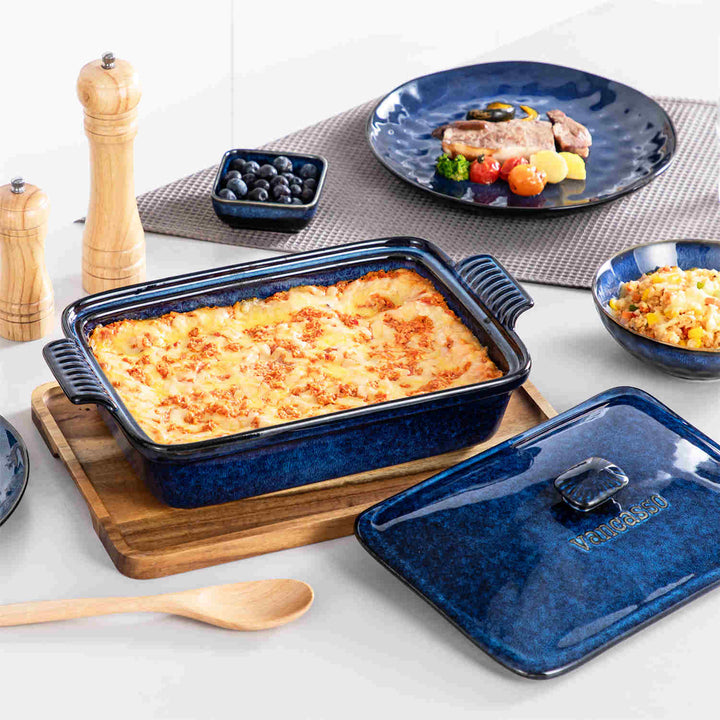
Take a moment before you plate a single ingredient of your meal to select your canvas: the plate. The plate you serve can either match or clash with the food you are attempting to highlight. To achieve clean, minimalist shots, stoneware plates in neutral colors such as beige, charcoal, or ivory provide a rustic yet elegant background that does not overpower the food. They also have a slightly textured surface that minimizes glare in bright light conditions, which is perfect for photography.

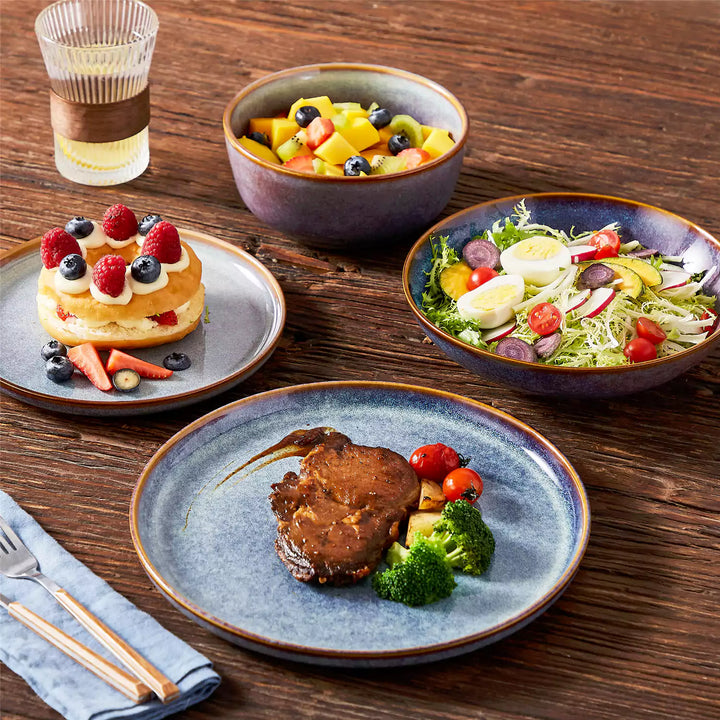
Conversely, when your food is not very visually appealing, such as plain pasta or beige pastries, colorful dinnerware sets can do the heavy lifting by adding color and contrast. Use bright plates with similarly toned ingredients to achieve harmony, or contrast them with opposite hues to achieve a dramatic effect.
The size also counts. Large plates may make the portions appear small, and small plates may seem crowded. Never fill up all the space, leave some negative space to give your dish some breathing room. The shape of the plate, round, square, or oval, must also reflect the mood of the food. Geometric plates are suitable for contemporary dishes, whereas organic-shaped stoneware plates are suitable to rustic or home-style food.
Learn Color Theory to Pop Your Dish
In food photography, the fundamentals of color theory can make a big difference when plating food. Colors are emotional and can make a dish appear more appetizing or dull based on how they are used.
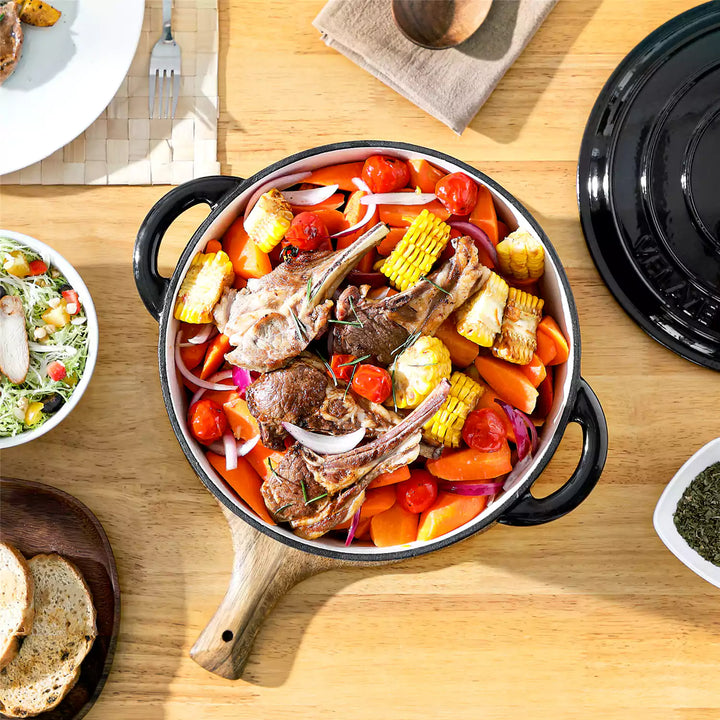
A single rule? Complementary colors can be found using the color wheel. As an example, when you are photographing a dish that has roasted carrots (orange), a blue or teal stoneware plate will bring out the colors beautifully. Red tomatoes contrast with green herbs. Yellow corn brings purple cabbage to life.
Bright dinnerware sets provide unlimited possibilities to experiment with color and mood. Warm and cozy colors such as terracotta and olive are earthy. Fresher colors such as sky blue or mint can add a freshness, perfect for spring salads or cold desserts.
Remember that warm colors (reds, oranges, yellows) are stimulating and make people hungry, whereas cool colors (blues, greens, purples) produce a relaxed and elegant atmosphere. Apply this knowledge to style your food and plate combinations to fit the theme or season.

Creating a Focal Point in Food Plating Photography
A good photograph shows the audience where to look. When serving food, consider what you would like to emphasize. Is it the charred sear of a steak? The shiny frosting of a cake? The bright yolk of a poached egg?
The most visually appealing aspect of your dish should be your focal point and all the other elements should complement it. Place this element off-center instead of right in the middle using the rule of thirds, it will create visual interest and balance.
The eye can also be drawn by stacking. Add layers to give height and dimension. As an example, put grilled vegetables under a protein, and add microgreens or a drizzle of sauce. This not only gives depth to the picture, but also makes your subject more dynamic to the lens.
Use plate angles deliberately. Foods that are arranged symmetrically such as flatbreads or bowls are best photographed in a flat lay (birds-eye view). Stacked dishes are best shot at 45 degrees, whereas layered items such as burgers or cakes are best shot straight on.
The Power of Contrast and Balance in Composition
Good food photography depends on two visual concepts: contrast and balance. This applies not only to color, but also to texture, shape, and negative space.
We will begin with contrast. Smooth textures (such as creamy mashed potatoes) are enhanced by being served with something crunchy or rough (such as crispy onions). Bright sauces appear even brighter against dull backgrounds. A textured stoneware plate can contrast beautifully with soft food.

Balance comes into play when you are organizing various elements. Consider your plate a small landscape. Do not crowd one side or pile too much in the middle. When you have a strong central element, make it balanced with a weaker or less pronounced element somewhere.
Contrast is also achieved through lighting. Side lighting brings out texture, backlighting brings out translucency, which is perfect with beverages or fresh greens. Play with shadows and highlights to make your dish come alive.
How to Enhance Food Plating with Garnishes for Better Photography
The garnish is never to be underestimated. Garnishes can be used to enhance the appearance of a dish without dominating the other ingredients when used properly. Herbs, citrus zest, edible flowers, and spice dustings will give your photos color, texture, and a feeling of freshness.
Not every garnish is equal, however. The golden rule? Whatever is on the plate must be edible. Do not use props that cannot be eaten as they may mislead the audience or destroy the illusion of deliciousness.
Make your garnish match the color story of your dish. A sprig of parsley on a green pea soup? Too similar. Add a bit of contrast with red chili threads or crushed pink peppercorns.
Direct the eye of the viewer with garnishes. A dribble of sauce or a sprinkling of seeds can be used to hint at your point of focus. Be sparing--more garnishes than are necessary are cluttered and artificial. Some deliberate touches take you a long way beyond a cluttered mess.

Are you Ready to Take Instagram-Worthy Food Photos?
Ultimately, food plating to photograph is both an art and a science. It is about the celebration of food in its most beautiful, most expressive form, not only what it is, but what it feels like to eat it.
When you are dressing up a home-cooked meal or creating content on behalf of a brand, the first step is always intentional. Select the appropriate stoneware plate or colorful dish in your colorful dinnerware sets, learn how color and composition can affect perception, and complete with considerate garnishes that will bring the story to a close.
Food photography is not merely about presenting food, it is about making a person desire it, recall it, and perhaps even share it.
Start Creating: Plate, Shoot, and Captivate Your Audience
Food photography is not just taking a photo, it is a visual experience. Whether it is choosing the appropriate stoneware plates or using the color theory and creating a balanced layout, each of your decisions will improve your final picture. Whether you are styling a social media feed or taking your personal food blog to the next level, these plating tricks will assist you in making your food look mouthwatering and Instagram-worthy with plate compositions that will make people stop scrolling and get their appetites going.