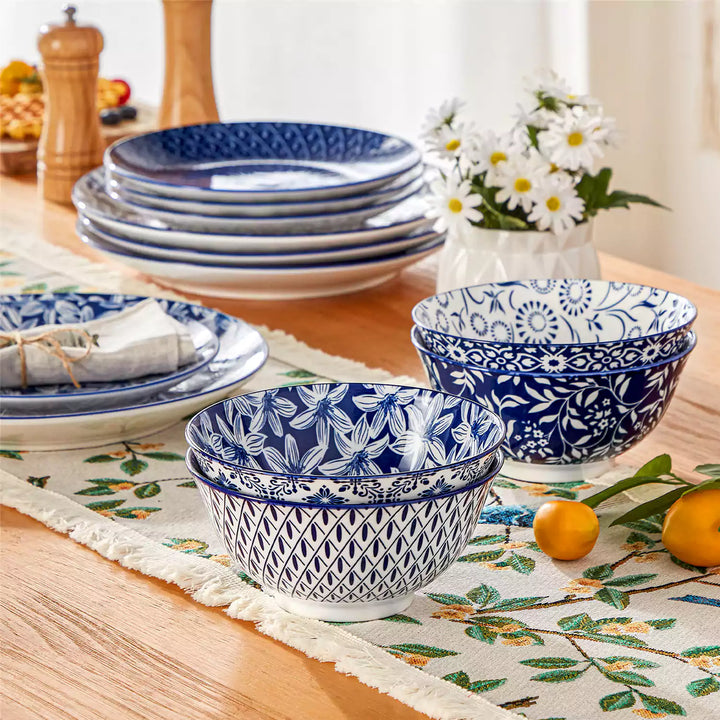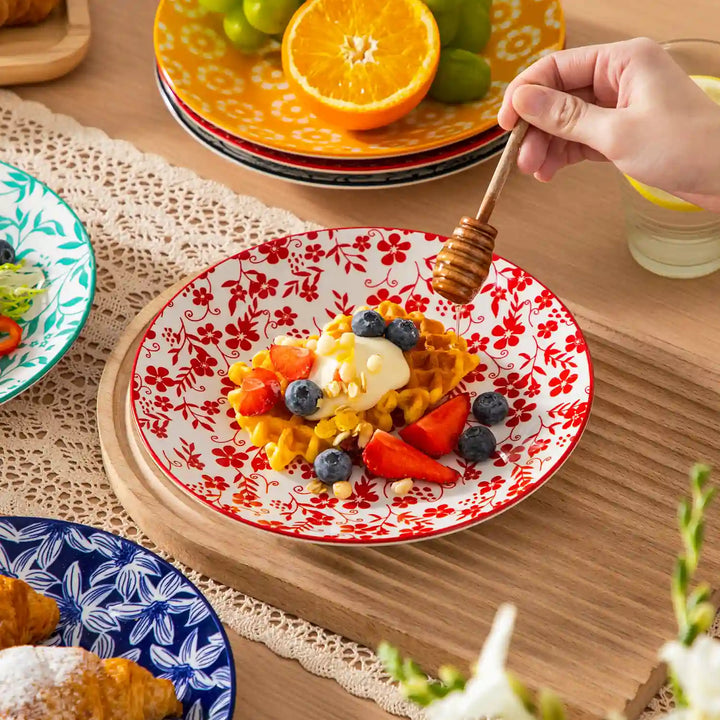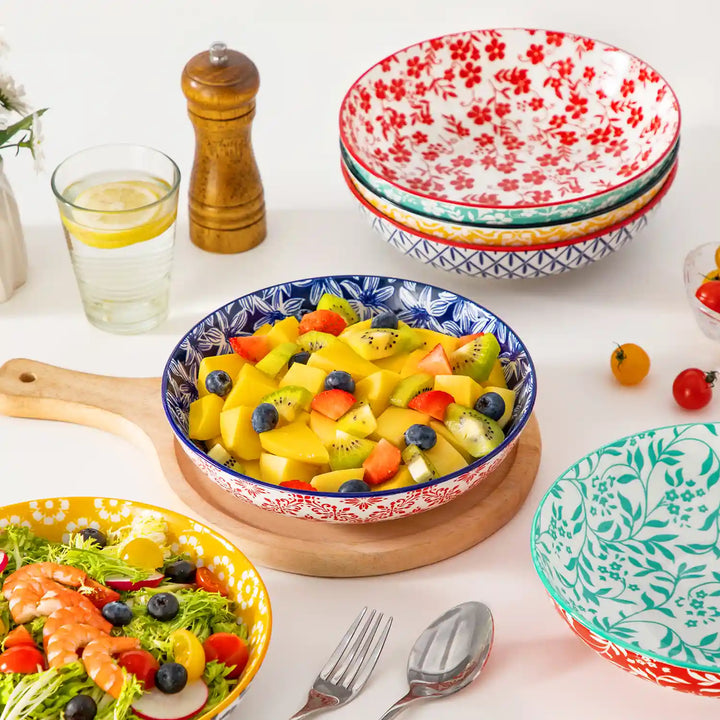


Choosing a dinnerware set often starts with color, finish, or pattern. One design feature that does make a difference to everyday eating is the edge of the plate. Whether you're serving pasta or stacking dishes in the cabinet, a slight lip or a flat, straight edge can make a difference.
The difference might not be obvious at first glance, but edge design can have a significant impact on how you control spills, handle food, store it efficiently, and even present your table. These are functional differences that can help you make a smarter purchase, whether you're purchasing stoneware dinnerware sets for family dinners or modern dinnerware sets for a minimalist dining room.
Brands such as vancasso provide both. Collections like Bonita, Sata and Starry offer functional lipped-edge designs, and collections like Webb focus on a sleeker straight-edge shape. The question isn't which style looks better, it is which one works better for you on a daily basis.
What Is the Difference Between Lipped-Edge and Straight-Edge Dinnerware?
The primary difference lies in how the rim of the plate is shaped.
Lipped-edge dinnerware features a slightly elevated rim around the edge of the plate. It is only a few millimeters tall, but it forms a shallow wall which helps to keep food and liquids in place.
In contrast, straight-edge dinnerware is flatter with a low or nonexistent raised rim. The eating surface goes right up to the edge, giving the impression of a clean, modern look.

Here's the comparison:
| Feature | Lipped-Edge Dinnerware | Straight-Edge Dinnerware |
|---|---|---|
| Rim height | Raised lip | Flat or minimal rim |
| Spill control | Excellent | Moderate |
| Food containment | Better for sauces | Better for dry foods |
| Appearance | Casual yet practical | Clean and contemporary |
| Scooping food | Easier | Slightly less convenient |
Which Edge Is better for Saucy Foods and Everyday Meals?
For those who often find themselves eating pasta, curries, stews, stir-fries, casseroles or dishes with sauces, lipped-edge dinnerware is a practical benefit.
The raised edge helps in several ways:
- Minimizing spills when transporting plates
- Keeping sauces from reaching the table
- Making it easier to scoop rice, vegetables, and pasta
- Keeping small, loose foods from sliding off the plate
That is why many families opt for a lipped dinnerware set for their daily meals. Raised rims are easier for even children to eat from, as food remains contained and children are learning how to use their utensils.
For instance, vancasso's Bonita collection features a lip that enhances spill control and offers a more secure grip when carrying plates.
Straight-edge dinnerware works well with foods that are relatively dry, including:
- Grilled meats
- Sandwiches
- Pizza
- Salads
- Breakfast foods
- Desserts
These plates offer more flat surface area, which makes the food look more generous and the plate itself appear cleaner. Soups, pasta with sauce, or dishes with broth, however, will need a bit more attention when serving or transporting.
Lipped-edge plates are usually more versatile for every day dinnerware for households that prepare a diverse range of meals each week.

Which Design Is better for Stacking, Storage and Table Presentation?
Storage is important, particularly if you have limited space in your cabinets or dishes are used multiple times a day.
Lipped-edge plates tend to fit snugly, as the raised edges align themselves when stacking. The lip can also help to lift plates one at a time, without fingers touching the eating surface.
Advantages include:
- Stable stacking
- Easier separation
- Comfortable grip
- Better handling when unloading dishwashers
But sometimes, taller rims may result in slightly higher stacks than flat plates.
Straight-edge dinnerware has its own advantages. Its streamlined profile stacks cleanly and takes up less vertical space in most cabinets. The smooth edges also help to create a more minimalist look, which is popular in many modern dinnerware sets.
Straight edge plates make for a beautiful "restaurant-style" presentation as the food is the focal point. They have a smooth surface, which makes dishes look elegant and modern.
Meanwhile, lipped-edge plates enclose the meal naturally and are frequently more relaxed and warmer, making them ideal for family dinners.
Both are good, but it will depend on your preference as to which one is more practical or presentational.
Lipped-Edge vs. Straight-Edge Dinnerware for Families and Entertaining
Your lifestyle is a key factor in choosing a dinnerware set.
For families with children, lipped-edge dinnerware often proves more forgiving.
Benefits include:
- Better spill control
- Easier carrying
- Simpler scooping
- Fewer food particles falling on the floor.
- Easy to hold for all ages.
These practical features help to make breakfast, lunch and dinner a little less messy.
When entertaining guests, the decision depends on the atmosphere you want to create.
Lipped-edge collections are still very useful and stylish for casual events such as pasta, shared dishes, comfort food or buffet style meals.
Straight-edge dinner plates offer a sophisticated look for formal dinners, tasting menus, or when serving carefully plated food, and look like restaurant service.
Many homeowners even opt for both profiles:
- Lipped-edge plates for everyday meals in the family.
- Straight edge plates for holidays and special occasions.
This pairing enables you to experience the best of both designs without sacrificing practicality.

How to Choose the Right Edge Style for Your Daily Routine
Don't just consider color or pattern, but how your dishes will be used.
Choose lipped-edge dinnerware if you:
- Serve pasta or saucy meals often
- Want better spill control
- Have young children
- Want everyday dinnerware that's easy to use
- Value easier food scooping.
- Carry plates frequently from kitchen to dining room
Choose straight-edge dinnerware if you:
- Love modern minimalist style
- Enjoy restaurant-inspired plating
- Mostly serve dry foods
- Appreciate clean, geometric lines
- Want a contemporary dining table
When you're looking for stoneware dinnerware sets, keep in mind that edge profile is as much about function as it is about quality of material. Similarly, don't take a beautiful design for granted when shopping for one-of-a-kind dinnerware sets; it may not fit your lifestyle.
Collections such as vancasso's Bonita, Sata, and Starry showcase the versatility of a well-crafted lip, offering both functional and fashionable options, while straight-edge collections like Webb are ideal for those who prefer a more understated and contemporary look.
The ideal dinnerware set is the one that best suits the foods you cook most frequently and the eating habits of your family.
FAQs About Dinnerware Edge Styles
Q1: Should Lipped-Edge Dinnerware Be Used for Everyday Dining?
Yes, for many homes. The raised rim offers superior spill control, scooping food is easier and is particularly helpful for pasta, rice, curries and other saucy foods.
Q2: Does Straight-Edge Dinnerware Look More Modern?
Generally, yes. Straight-edge designs offer clean lines and minimalist styling, which is appealing to those seeking modern dinnerware sets.
Q3: Which Edge Is Easier to Stack?
They stack both ways, but differently. Lipped-edge plates tend to stack nicely and are easier to separate, whereas straight-edge plates can provide a more streamlined look, depending on the design.
Q4: Are Lipped-Edge Plates Better for Children?
Yes. The raised rim keeps food on the plate and makes it easier and less messy for younger eaters.
Q5: Is There Any Difference in Durability Between Edges?
No. It is more important that the material, firing process, and C368 Standard Test Method for Impact Resistance of Ceramic Tableware of the plate are all of good quality, rather than whether the plate has a raised lip or a straight edge.