



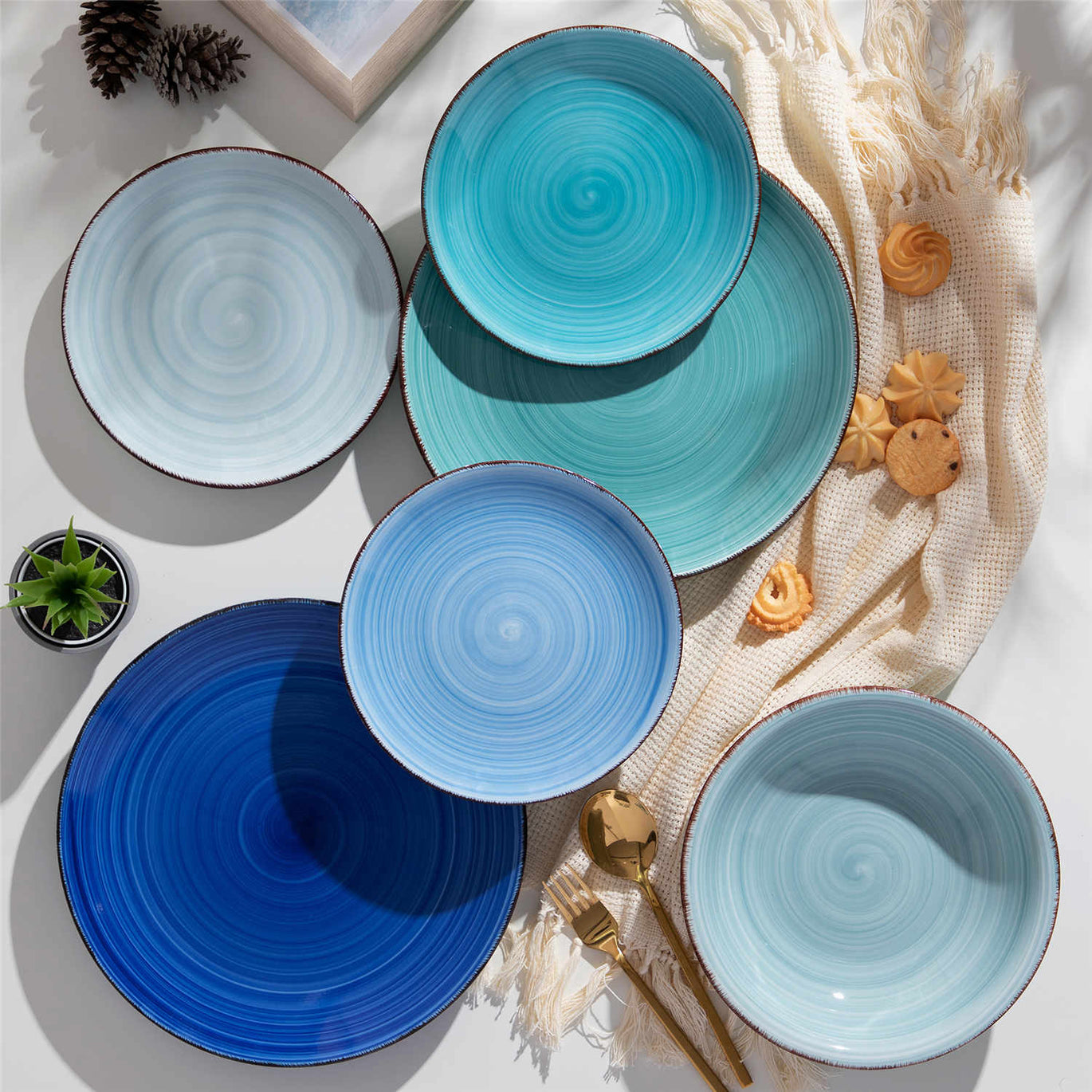


Choosing the Right Ceramics for Mindful Eating Workshops

Ceramic plates are more than props. In a mindful eating workshop, they become tempo-setters, portion coaches, and quiet co-facilitators. I have watched guests arrive rushed and distracted, then visibly soften the moment they wrap their hands around a weighty stoneware mug or see a bright salad framed by a calm, satin-glazed rim. The right ceramics do not just hold food; they hold attention.
This guide pulls together what potters, health-focused dinnerware brands, and mindful eating researchers have learned about ceramics, then translates it into practical choices for your workshops. Consider it a color-drenched, evidence-aware roadmap from box to table.
Why Ceramics Belong in Mindful Eating Workshops
Mindful eating is present-moment attention without judgment. At the table, that means noticing aroma, temperature, texture, color, and the arc from first bite to comfortable fullness instead of slipping into autopilot. Health guidance from sources like Teladoc Health emphasizes deceptively simple anchors: sit at a table, remove distractions, and use right-sized plates that make portions easy to read. Ceramics support every part of that.
Research summarized by brands such as Malacasa and Vancasso notes that plate size, shape, and color influence how much people serve and how “normal” a portion feels. Smaller plates and bowls, especially when paired with high contrast between food and dish, help participants see realistic portions as abundant rather than sparse, which aligns with recommendations from Harvard T. H. Chan School of Public Health, NIDDK, and Mayo Clinic on portion awareness.
There is also a sensory story. Joyye highlights that high-quality ceramic tableware is nonreactive, flavor-neutral, and free from chemicals like BPA and phthalates that can leach from plastic, especially with hot or fatty foods. HF Coors and other American-made dinnerware producers underline how vitrified, lead-free ceramics create non-porous surfaces that resist odors and bacteria, and can move between oven, microwave, and dishwasher without drama. That makes your workshop logistics smoother and your participants’ safety less of a question mark.
Finally, a 2024 study cited in the Journal of Environmental Psychology found that natural, tactile kitchen materials are associated with more mindful behaviors and higher meal satisfaction than synthetic alternatives. When you put a hearty grain bowl into a matte stoneware “blate” instead of a slick plastic plate, you are quietly nudging the group toward the kind of presence you are trying to teach.

Understanding Ceramic Types (And How They Feel in a Workshop)
Not all ceramics behave the same way under workshop pressure. Earthenware, stoneware, porcelain, and bone china share a family tree but offer very different moods and durability profiles.
Here is a condensed view using temperature and feel data drawn from sources such as The Good Trade and Malacasa.
Type |
Typical Firing Temp (°F) |
Look & Feel |
Durability & Best Workshop Use |
Earthenware |
Around 1,950 |
Rustic warmth, thicker walls, earthy colors |
More porous and chip-prone; best for low-impact snacks or decorative demo pieces rather than heavy rotation |
Stoneware |
Around 2,200–2,350 |
Substantial, smooth or matte, modern-organic |
Everyday workhorse; good heat retention; ideal for primary plates and bowls in repeated workshops |
Porcelain |
Around 2,400 |
Lighter in hand, refined, usually glossy white |
Strong, low absorption; great for mixed casual-formal events and when you want colors of food to pop |
Bone china |
High-fired with bone ash |
Thin, luminous, elegant |
Chip-resistant with care; save for special, small-group sessions or closing rituals rather than high-turnover tasting rounds |
In most mindful eating workshops, stoneware is your sweet spot. It is sturdy enough for frequent handling, has a reassuring weight that slows participants down, and often comes in the matte or satin finishes that make food look rich without glare.
Porcelain, especially in classic white, is fantastic when you want maximal contrast between food and plate and a more formal, retreat-like atmosphere. Because it is typically thinner, pay attention to rim protection and stacking in transport.
Earthenware and delicate bone china can absolutely play a role, but they are better in low-impact contexts: earthenware for rustic bread or fruit platters, bone china for a final tea or dessert ritual where the group is seated and you are not bussing dishes at speed.

Health, Safety, and Non-Toxic Glazes
When people sign up for a mindful eating workshop, they are also quietly asking, “Is this safe for my body?” That question includes the plate.
Health-focused sources such as Elfinview and Healthier Homes are very clear: there is no safe level of lead exposure, and cadmium used in some bright glazes can accumulate in the body over time. Older or poorly documented ceramics, especially with intense reds, oranges, and yellows in vintage pieces, can be risky if the glazes are not tested. The safest path for workshops is simple but strict.
Modern brands like Emerson Creek Pottery and HF Coors define sustainable, non-toxic dinnerware as lead-safe or lead-free, cadmium-safe, and third-party tested under standards such as California Proposition 65 and FDA food-contact regulations. Many of the sustainable plate guides from Ecowiser and The Good Trade explicitly select brands that state their glazes are 100 percent lead-free and food-safe.
For your workshops, that leads to several practical rules.
Choose clearly labeled, modern, food-safe ceramics from reputable makers who publish or at least state their testing standards. Phrases like “lead-free,” “cadmium-free,” “Proposition 65 compliant,” and “food-safe glaze” are green lights when backed by brand transparency.
Treat vintage or unknown ceramics as props or for dry foods. Healthier Homes and Elfinview both advise caution for older ware, particularly highly saturated bright glazes. They recommend reserving such pieces for decorative duty or dry snacks unless you have test results.
Retire chipped, crazed, or cracked pieces from hot or acidic foods. Cracks and craze lines can harbor bacteria and may expose underlying clay or older glaze layers. Joyye and HF Coors both stress replacing damaged items, especially for hot dishes and oily or acidic recipes.
Avoid microwave use with metallic decoration. Porcelain with metallic banding may be stunning for a closing tea circle, but it should not go into the microwave. That is a practical safety rule echoed across multiple dinnerware and cookware guides.
When you lead with these standards in your own shopping, you can honestly reassure participants that the plates they are eating from are part of your wellness design, not a hidden risk.
Design Psychology: Color, Shape, and Portion Awareness
Mindful eating workshops are part science lab, part art studio. The plate is one of your most useful experimental tools.
Brands like Malacasa and Vancasso pull together research that shows how plate diameter, bowl capacity, color contrast, and even the weight of a dish influence what and how much people eat. Behavioral science calls one of these effects the Delboeuf illusion: the same amount of food looks smaller on a larger plate, which can nudge people toward overserving. In a workshop context, you can flip that illusion into an ally.
Many mindful-dining educators, drawing on guidance from Harvard T. H. Chan School of Public Health, NIDDK, and Mayo Clinic, suggest everyday dinner plates in the eight to nine inch range and bowls between about twelve and sixteen fluid ounces. Smaller ramekins of about two to four fluid ounces are enough for oils, nuts, dips, or dessert bites.
Here is how that translates into a concise, workshop-friendly size map, inspired by work from Malacasa and Vancasso.
Piece |
Everyday Target Size |
Mindful Eating Effect |
Dinner plate |
About 8–9 in diameter |
Portions look generous with a visible rim as a “stop line” |
Shallow pasta bowl |
About 8–10 in across |
Saucy dishes look complete with a single, contained serving |
Soup or grain bowl |
About 12–16 fl oz |
Cozy, satisfying volume without automatic seconds |
Ramekin |
About 2–4 fl oz |
Oils, nuts, sweets feel intentional rather than endless |
Sauce dish |
About 1–2 fl oz |
Dressings and sauces become measured accents, not floods |
Color does just as much heavy lifting. Table Matters and other tabletop guides note that warm tones such as reds and yellows can rev up appetite and energy, while blues and greens feel calmer and may encourage slower eating. For workshops, I like to pair high-contrast combinations: leafy greens or roasted carrots on a pale, satin-glazed plate; lighter dishes such as fish or cauliflower on deep charcoal or navy stoneware. The goal is not a restaurant photo shoot; it is clear edges and visible volume so participants can see what they are eating without mental fog.
Texture and weight add another layer. Vancasso’s mindful living guidance points out that slightly heavier plates and softer matte or satin finishes create micro-pauses between bites. The heft signals quality, and the subtle drag of a matte glaze slows the hand just enough to interrupt mindless scooping. In my own workshops, stoneware dinner plates with a soft-matte finish almost always lead to slower pacing than glossy, ultra-thin options.
When you combine these cues—right-sized plates, high contrast, rounded forms that frame food rather than sprawling, and a bit of satisfying weight—you are building mindfulness prompts right into the ceramics.

Building a Workshop-Ready Ceramic Kit
Now let’s get concrete. You do not need an inventory worthy of a hotel banquet hall to run beautiful, effective mindful eating sessions. A well-chosen capsule kit will do more than a crowded prop cupboard.
Drawing from practical advice by Angie Homes, Good Housekeeping testers, and sustainable brands highlighted by The Good Trade and Ecowiser, a strong starting point for small to medium workshops looks like this, scaled per participant plus a few extras for breakage and demos.
Begin with one dinner plate, one smaller side or salad plate, one bowl, and one mug for each expected participant. Choose an open-stock line or a brand known for long-running collections so that replacements are possible over the years.
Use stoneware as your primary material for plates and everyday bowls. Its balance of sturdiness, weight, and heat retention makes it ideal for repeated use and dishwashing. For special segments that focus on color contrast or more formal plating, add a layer of porcelain salad plates or dessert dishes.
Include small vessels such as ramekins and sauce dishes for high-impact elements: oils, nuts, chocolate, and condiments. As Malacasa’s summary of medical and public health guidance reminds us, calorie-dense foods benefit from clear portion boundaries. A two to four fluid ounce ceramic cup makes “just enough” both beautiful and obvious.
Select a simple color palette that can flex. Annabode and other interior stylists often recommend a neutral base—white, cream, oatmeal, soft gray, even matte black—so food takes center stage and mixing future pieces is easy. You can layer personality with a few accent plates in seasonal glazes or nature-inspired patterns from artisan brands like East Fork, Emerson Creek Pottery, or other makers featured by The Good Trade.
Because you are hosting groups, storage and transport matter as much as aesthetics. Choose forms that stack gracefully, fit your cabinets or crates, and sit securely in your dishwasher racks. Straight-sided bowls store densely but can fight with tight racks; gently sloped “blates” (half plate, half bowl) often stack more comfortably and work beautifully for one-bowl meals that are common in healthy-eating curriculums.
When in doubt, buy a single sample plate or bowl first and live with it for a week, as many design-forward brands and stylists suggest. Run it through your dishwasher, plate a few typical workshop recipes, and set it on your actual tables in daylight and evening light. If it still feels joyful and practical by the end of the week, then commit.

Sustainability and Story: Adding Depth to Your Teaching
Mindful eating is not just about what is on the plate; it is about the systems that plate came from. Choosing sustainable ceramics lets you fold environmental mindfulness into the story you tell.
Guides from Ecowiser, The Roundup, and brands like Fable and East Fork underscore that while stoneware and porcelain require high firing temperatures, their long lifespan gives them a low environmental impact per use. A durable, chip-resistant plate that serves thousands of meals over many years is far easier on the planet than a stream of cracked, low-quality dishes or disposable plastic.
Some potteries, such as Emerson Creek Pottery and Heath Ceramics, emphasize recycled clay, local raw materials, or pre-consumer recycled content in their bodies and glazes. Others, like Fable, highlight recyclable packaging and a zero-waste mission. Sharing one or two of these stories during your workshop turns each plate into a subtle values statement: this is not just pretty; it is part of a gentler way of living.
From a health angle, articles on non-toxic dinnerware from Elfinview and Healthier Homes strongly recommend choosing ceramics and glass over plastic or melamine for routine eating, especially with hot and acidic foods. They document how some plastics and melamine-based composites can release chemicals when heated, while properly glazed porcelain and stoneware remain inert. Weaving that evidence into your teaching helps participants see why your workshop plates feel different from the takeout containers in their recycling bins.

Caring for Your Workshop Ceramics
Mindful ceramics deserve mindful care, especially when they travel between venues.
Care recommendations converge neatly across sources like Joyye, Modesthive, Crate & Barrel, and sustainable dinnerware guides. For workshop use, it helps to translate them into a small set of habits.
Avoid thermal shock. Do not take a plate from a hot oven straight into a cold rinse, or a freezer-cold dish into a roaring oven. Let pieces rest briefly at room temperature when moving between extremes to prevent cracking.
Follow maker labels for microwave and dishwasher use. Many stoneware and porcelain lines are designed to handle both, while earthenware or metallic-banded pieces may not be. When labels say dishwasher-safe, still give items a bit of spacing so rims do not knock together mid-cycle.
Treat matte and reactive glazes gently. Matte finishes show utensil marks more readily; most can be buffed out with a soft cleaner or a paste of baking soda and water. Avoid harsh abrasives and bleach, which can haze glazes and dull color. Reactive glazes, which pool and shift color in the kiln, are especially worth babying so their depth stays visible on camera and in person.
Stack with rim awareness. The rim is where chips most often appear, and it is also the visual frame for your food. Thin felt or cork liners between stacks, or simply organizing plates by size and usage frequency, reduces knocks. For travel, use cloth wraps or soft dividers in bins and keep the heaviest pieces on the bottom.
Retire damaged items from high-risk use. As Healthier Homes points out, cracks and crazing can compromise the glaze barrier and provide pathways for leaching in poorly made pieces. In workshops, a visibly chipped or crazed plate is also a distraction from your message. Keep a small cushion of extra pieces so you can quietly swap out damaged ones without stress.
These care rituals are not fussy for the sake of it. When your ceramics age gracefully, your workshop visuals stay strong and your participants get to experience what “buy fewer, better, and use them hard” actually looks like.

Pros and Cons of Ceramics for Mindful Eating Workshops
Ceramic tableware is almost purpose-built for mindful eating education, but acknowledging both strengths and limitations will help you design smarter.
On the plus side, high-fired stoneware and porcelain offer nonreactive, flavor-neutral surfaces that keep attention on the food. Their heat stability makes them comfortable to touch and reliable for keeping dishes warm without scorching hands. Modern lead-free glazes, as highlighted by brands like HF Coors, Emerson Creek Pottery, and non-toxic dinnerware reviewers, are non-porous and hygienic, which makes cleaning between sessions straightforward and safe.
Ceramics also excel at sensory coaching. The weight, texture, and color of a plate can slow eating, reshape portion perception, and turn an ordinary tasting into a tiny ritual. This aligns beautifully with findings from environmental psychology, Teladoc Health’s practical mindful eating anchors, and behavioral guidance from major health organizations about plate size and environment.
The trade-offs are mostly practical. Ceramics can chip or break, especially when transported often or stacked carelessly. Some sets, particularly thick stoneware, are heavier to carry and store. Earthenware and low-fired pieces are more porous and demand gentler handling. Safety varies with glaze quality, so sourcing requires a bit of research and brand trust rather than anonymous bargain hunting.
In my experience, those drawbacks are manageable when you plan ahead: choose durable, tested lines; buy a few extra pieces; design storage that respects rims and handles; and set clear house rules for helpers about how to load the dishwasher and bins. What you gain—durability, sensory richness, and built-in behavior cues—is worth the attention.
A Few Quick Questions You Might Get
Are all ceramic dishes safe for mindful eating workshops?
Not automatically. Modern, reputable brands that state their pieces are lead-free, cadmium-safe, and food-safe are a strong choice. Healthier Homes and Elfinview both caution against assuming older or cheap pottery is safe, particularly with very bright vintage glazes. When in doubt, treat questionable pieces as decorative or for dry items only, and reserve certified, well-documented ware for meals.
How many pieces do I really need to start?
For a small-group workshop, a single place setting per participant plus a couple of extra plates and bowls is enough. That means one dinner plate, one small plate, one bowl, and one mug per person, with a handful of ramekins or sauce dishes to spotlight oils, nuts, or dessert bites. You can grow the collection over time as your content evolves rather than trying to buy everything at once.
Can I mix brands, colors, and styles?
Absolutely. Many sustainable dinnerware guides, including those from The Good Trade and Ecowiser, celebrate mixing artisan lines as long as the core palette is cohesive. A neutral base set from one maker paired with a few colorful or textured accent pieces from another keeps the table playful while still feeling intentional. As long as your safety criteria are met and the pieces stack and wash well together, you have creative freedom.
Graceful ceramic plates, right-sized bowls, and joyfully weighty mugs can transform your mindful eating workshops from lectures into lived experiences. When you choose pieces that are safe, durable, and sensorially rich, every clink and color block on the table becomes part of the curriculum. May your tabletops be colorful, your portions intentional, and your workshops filled with the kind of quiet, practical magic that lingers long after the last dish is washed.
References
- https://theroundup.org/eco-friendly-dinnerware/
- https://smart.dhgate.com/expert-tips-for-choosing-the-ideal-ceramic-dish-set-to-elevate-your-dining-experience/
- https://www.elfinview.com/non-toxic-dinnerware/
- https://emersoncreekpottery.com/non-toxic-eco-friendly-pottery-housewares/?srsltid=AfmBOooGDAKkazWBURdjbRyqKbN6Bp8VmiG-WoHToRGNpOVQTdHfEYbh
- https://us.fable.com/pages/beautiful-dinnerware-nothing-to-hide
- https://www.healthierhomes.com/post/what-is-the-safest-lead-free-dinnerware?srsltid=AfmBOoqegexjSPxR0g0XFL6vpBa9CO1w6OZ2R0NcNncWqHAblx49k5F2
- https://hfcoors.com/collections/dinnerware-sets?srsltid=AfmBOorLtH1SBcAED3E1OCf5B6D209azGBhUuY3deZ6KtkRaSv5jNyCO
- https://joyye.com/info-detail/how-ceramic-tableware-enhances-healthy-dining-experiences
- https://www.lovinghomecollection.com/which-dinnerware-set-material-is-best/
- https://wiser.eco/best-ceramic-plates/
You may also like
Stern 16 Piece Dinnerware Set
- From €72,95
€96,95- From €72,95
- Unit price
- per
-
Blue
-
Green
-
Red
-
Grey
Bonita 18 Piece Dinnerware Set
- From €60,95
€74,95- From €60,95
- Unit price
- per
-
Blue
-
Multicolor
Simi 24 Piece Dinnerware Set
- €96,95
€129,95- €96,95
- Unit price
- per
Starry 16 Piece Dinnerware Set
- €73,95
€86,95- €73,95
- Unit price
- per
-
Blue
-
Green
-
Red
-
Gradient Green