





Smart Storage Solutions for Outdoor Ceramic Dinnerware During Typhoon Season

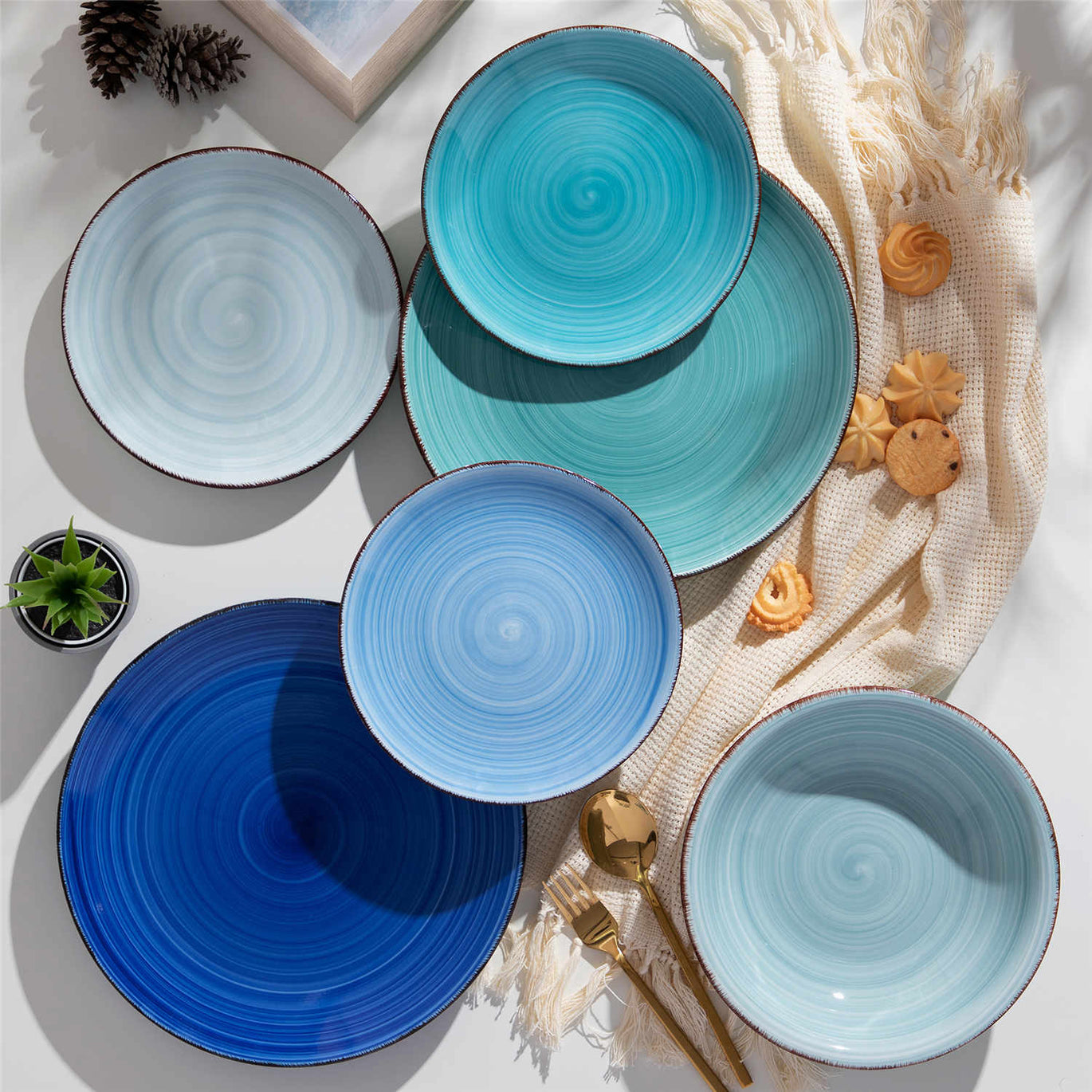
Storms test our tabletops as much as our rafters. If you love setting a colorful outdoor table—mixing stoneware salad plates with glossy porcelain dinner plates, charming mugs, and lidded snack bowls—you already know the emotional gut punch of a chipped rim or a box of dishes that smells like damp plywood after a long, wild night of wind and rain. I host and style outdoors in storm‑prone regions every year, and I’ve learned that smart storage is equal parts design, science, and choreography. With a few practical upgrades and a calm, pre‑storm routine, your ceramics can stay bright, chip‑free, and ready for a triumphant return the moment the skies clear.
The Real Risks: Wind, Water, and Wild Swings
Typhoon and hurricane conditions challenge ceramics in three ways that matter to storage. Wind wants to turn anything unsecured into a projectile, which means lightweight cabinet doors must be anchored and freestanding trunks must be strapped down. Water wants to get into everything, from cabinet seams to plate stacks that weren’t fully dried, which creates staining, mold, and soggy packaging. Rapid changes in temperature and humidity want to stress glazes and clay bodies, which can lead to fine crackle patterns or outright cracks. Outdoor‑living specialists highlight wind exposure and the value of anchoring and drainage in storm design, stressing ground anchors, bolted elements, and passive drainage paths so water has a way out without your intervention, advice echoed by outdoor kitchen professionals who caution against last‑minute, ad‑hoc fixes and advocate built‑in weep paths and robust covers. Museum conservation guidance adds that stable conditions and gentle handling reduce both mechanical damage and environment‑driven deterioration in ceramics. Put simply: secure the box, control the water, cushion the contents.

Know Your Ceramic: Strong Bodies, Sensitive Surfaces
Ceramic dinnerware sits on a spectrum. Earthenware is charming and often porous; stoneware is tougher and typically more resilient; porcelain is dense, hard, and refined. Conservation references group these materials and spotlight risks that map neatly onto storm storage: mechanical shocks chip edges, temperature and humidity swings stress glazes, and pollutants in cramped enclosures can haze or dull finishes. For outdoor duty, I favor high‑fired stoneware and porcelain with well‑applied glazes, a point also made in buying guides for durable ceramics, which note that matte or unglazed finishes can stain more easily. That doesn’t mean you avoid earthenware; it means you store it with extra padding and a bit more climate caution.
Thermal Shock and Crazing, Defined
Thermal shock is the crack that happens when a plate goes from very hot to very cold—or the reverse—too quickly. It’s why makers and care guides advise allowing pieces to reach room temperature before you heat or chill them, and why outdoor storage should avoid vents, sun patches, and rapid swings. Crazing is the fine, web‑like network of glaze lines that arises when moisture and heat cycles stress the glaze‑to‑body fit. Manufacturers and conservation sources caution against soaking and against high‑heat dish cycles for pieces prone to it; better to wash with mild detergent, rinse, and dry promptly than to leave decorated pieces stewing in hot water. During storm season, that translates into dry before storing and keep the ambient swings as gentle as the weather allows.

Build the Right Storage Architecture Outdoors
Storing dinnerware outdoors is about the furniture as much as the plates. Closed storage works hardest in a storm climate, especially outdoor‑rated buffets and cabinets that also serve as prep surfaces. Design voices who obsess over outdoor storage swear by closed cabinetry, vertical panels, and hide‑in‑plain‑sight solutions because they look good and shrug off weather, and I agree. The goal is sealed, padded, and anchored.
When planning or upgrading, anchor cabinets and islands to decking or slabs, and add discreet chain points for quickly tethering lightweight pieces. Outdoor kitchen builders call wind exposure the primary risk for movable elements, so treating storage like semi‑permanent architecture pays off. Add passive drainage with weep holes in any area that could collect water—doors, toe kicks, and floor cavities—so rain can escape without pooling. Avoid the classic last‑minute scramble of tossing furniture in a pool; fabric covers, wind screens, and pre‑installed anchors are safer and more effective.
If your patio is roofed, use slatted wall panels to reclaim vertical space for non‑fragile items like grill tools while reserving the safest, closed compartments for ceramics. Keep heavy bins on low shelves to lower the center of gravity once winds rise. And remember: the prettiest storage is the storage you actually use. Make the grab‑and‑go path painless so your pre‑storm routine is fast and calm.

Pack It Like a Conservator (But Make It Cute)
The most protective storage is mundane and methodical. Handwash with mild detergent and a soft sponge, then dry fully with a lint‑free cloth before any packing, a rhythm supported by home care guides and food‑safe cleaning advice. Manufacturers warn that soaking and abrasive scrubbers are a bad idea, especially for decorated or sensitive glazes. After washing, resist stacking plates bare; I use felt or foam separators between every plate, then slide stacks into padded, zippered plate saver cases. Entertaining pros who manage large collections recommend plate dividers, limiting stacks to about eight plates to reduce pressure, and never stacking cups, which is a golden rule in my studio. For cups and stemware, padded compartmented cases keep rims and handles safe without bulky padding.
Skip newspaper; ink can migrate and smudge patterns. Wrap long‑term storage with acid‑free tissue and bubble wrap, a museum‑tested standard, then label the case with a photo tag of the contents and quantities. This tiny detail turns a dozen anonymous totes into an instant visual index when you need to set a table after the storm passes. Inside cabinets, add non‑slip shelf liners so cases don’t skate during wind gusts. And keep everything off the floor; even an inch of water from wind‑blown rain can wick into cardboard and textiles, so a raised shelf or stand makes a real difference.
Dry Means Durable
Moisture is the gremlin. Several reputable sources emphasize drying before storage to prevent stains and microbial growth, and manufacturers warn that hot dish cycles and long, wet soaks can trigger glaze issues on sensitive bodies. I dry, air briefly, then store with the cabinet doors slightly ajar until I’m sure everything is bone‑dry. If you do use a dishwasher for labeled dishwasher‑safe pieces, stay conservative on temperature; a 140°F limit aligns with care guides that caution against hotter cycles and with pre‑soak ranges from professional dinnerware sources.

A Pre‑Storm Drill That Actually Works
My storm checklist is compact and muscle‑memory simple. I keep a tote with dividers, plate savers, a dry microfiber stack, nitrile gloves for clean handling, a roll of acid‑free tissue, and painter’s tape for quick labeling. The drill starts with wash‑rinse‑dry, then case‑and‑label, then secure and anchor. Outdoor kitchen pros recommend unplugging electrical accessories and covering outlets; I do this while cabinets are open. Gas lines to grills or side burners get shut off and disconnected to eliminate accidental leaks if the unit shifts. Outdoor pros also nudge us to clean gutters and ensure water can leave, and that logic extends to cabinets; I clear door sills and check weep holes so nothing holds water.
When |
Action |
Why it works |
Notes |
72–48 hours out |
Wash, rinse, and fully dry all ceramic pieces you plan to store; pre‑stage plate savers and dividers |
Dry glaze and clay resist staining and crazing; staging shortens scramble time |
Care routines from Saje Rose and Portmeirion emphasize gentle handwashing and complete drying |
24–12 hours out |
Case plates with separators; pack cups in padded compartments; label by set with a quick photo |
Reduces rim pressure and prevents handle impacts; labels speed post‑storm setup |
Entertaining storage best practices recommend plate savers, dividers, and no cup stacking |
12–6 hours out |
Move cases into closed, anchored cabinets; add non‑slip liners under cases; latch or strap doors |
Controls wind movement and door flapping; keeps cases from sliding |
Outdoor kitchen guidance prioritizes anchoring and secure closures |
Final pass |
Unplug outdoor electrics; cover outlets; disconnect gas; confirm cabinet weep holes are clear |
Avoids shock and leaks; gives water an exit path |
Advice from outdoor kitchen specialists and storm prep articles underscores these steps |

After the Storm: Safe Re‑Entry, Cleaning, and Sanitation
If floodwater or suspicious runoff touched anything, treat dinnerware as potentially contaminated. Food safety authorities are clear: floodwater exposure calls for discarding foods and sanitizing tools and surfaces, and the same principles guide dish sanitation. Wash with soap and safe water—bottled or boiled and cooled if your community issues a Boil Water Advisory—then sanitize utensils and durable glazed ceramics. A widely cited, practical method is to soak cleaned items in a sanitizing solution made with 1 tablespoon of unscented liquid chlorine bleach per 1 gallon of safe water for about 15 minutes, then air dry. Alternatively, boiling is a robust sanitizer; bring clean items to a rolling boil for a brief period and allow them to air dry. Do not taste anything to judge safety and do not rush to use tap water until local health officials and extension services confirm it’s safe, a point emphasized by UF/IFAS and FoodSafety.gov guidance during hurricane season.
Conservators add an important nuance: avoid wet cleaning on fragile, low‑fired, or decorated surfaces that may not tolerate immersion, and never immerse gilded or hand‑painted pieces unless you are certain of their stability. For routine glazed dinnerware in good condition, gentle wet cleaning is appropriate; for heirlooms or anything cracked, consult a professional or stick to dry dusting with a soft brush and a HEPA‑protected vacuum through a mesh screen.
Smart Accessories That Punch Above Their Weight
There are a few small items that pay for themselves every storm season. Felt or foam plate dividers dramatically cut down on scuffing. Padded, zippered plate saver cases keep stacks from sliding and spread pressure evenly. Padded stemware bins with compartments guard rims and handles without bulky wrap. Non‑slip shelf liners reduce skating inside cabinets during gusty moments. Photo labels on cases fast‑track your post‑storm reset and reduce handling time. And a modest repair kit with food‑safe epoxy helps you rescue a tiny chip on a durable, non‑rim area until you can replace or professionally restore, echoing home and décor advice that minor repairs are possible with the right materials while deep structural cracks should be retired.
Accessory |
Primary job |
Best use |
Credible note |
Felt/foam plate dividers |
Prevents abrasion and chips |
Between every stacked plate |
Recommended by entertaining and care guides that discourage bare stacking |
Zippered plate saver cases |
Spreads pressure and blocks dust |
Dinner and salad plates, chargers |
Popular with collectors; aligns with low‑stress stacking guidance |
Padded stemware bins |
Protects rims and handles |
Mugs, cups, stemware |
Supports “never stack cups” rule from home storage sources |
Non‑slip shelf liner |
Stops case sliding |
Cabinet shelves and drawers |
Practical add from general kitchen organization and ceramic care |
Photo labels + painter’s tape |
Fast inventory and retrieval |
All cases and bins |
A workflow trick from large‑collection storage pros |
Storage Option Pros and Cons at a Glance
Storage option |
Pros |
Cons |
Use notes |
Outdoor‑rated closed cabinet (anchored) |
Weather‑resistant, lockable, quick access |
Needs anchoring and drainage paths |
Recommended by outdoor design sources focused on survivability |
Hard‑sided tote inside cabinet |
Stackable, inexpensive, protective |
Can trap moisture if items aren’t dry |
Pair with acid‑free tissue and full drying |
Padded plate cases |
Gentle pressure, easy carry |
Requires dividers and labeling discipline |
Ideal for frequent entertainers |
Glass‑front hutch under cover |
Dust protection and display |
Not ideal for severe wind zones without anchors |
Add quake restraints and door latches per conservation guidance |

A Buying Checklist for Storm‑Savvy Dinnerware and Storage
Choosing the right pieces and infrastructure now will save you heartbreak later. Durable, high‑fired bodies with robust glazes, storage designed for outdoor environments, and hardware that resists corrosion are the trinity for typhoon season. Dishwasher safety depends on the maker; I always check the backstamp and the maker’s guidance before putting a piece in a machine and stay mindful of temperature.
Item |
Look for |
Why it matters in storm season |
Source note |
Dinner plates and bowls |
High‑fired stoneware or porcelain with well‑applied glazes |
Better chip resistance and stain control |
Durability pointers from ceramic buying and care guides |
Finish |
Glazed surfaces over matte where staining is a risk |
Easier to sanitize post‑storm |
Ceramic décor care notes on finish behavior |
Maker guidance |
Clear dishwasher‑safe label and temperature limits near 140°F |
Reduces crazing risk and preserves glaze |
Manufacturer care sheets |
Outdoor cabinet |
Outdoor‑grade materials with gasketed doors and corrosion‑resistant hardware |
Keeps water out and survives wind |
Outdoor kitchen and storage advice |
Anchors and weep holes |
Factory or retrofitted anchor points and drainage |
Resists wind uplift and water pooling |
Outdoor kitchen preparation guidance |
Packing supplies |
Felt dividers, padded cases, acid‑free tissue, non‑slip liners |
Prevents chips and moisture issues |
Storage practices from collectors and conservation |
Care Routine Between Storms
Consistent care makes storm prep shorter and safer. Handwash with mild detergent and a soft sponge, rinse, and dry fully, which echoes multiple ceramic care authorities. If a dishwasher is your normal, use it only for pieces marked dishwasher‑safe and keep cycles conservative on heat; several makers caution that high heat and long, wet soaks can stress glazes, and one suggests not exceeding around 140°F. Keep ceramics out of direct sun and away from vents in outdoor kitchens to avoid rapid swings and thermal stress. Organize cabinets so the most frequently used pieces live at chest height, where handling is steadier, and save the lowest and highest shelves for secured totes.
Common Mistakes to Skip
Stacking plates without separators turns micro‑vibrations into scratches and chips, and stacking cups asks for rim damage. Storing even slightly damp items in closed totes invites stains and odors. Soaking decorated pieces in hot water for long periods risks crazing, and mixing ceramic with metal inside a dishwasher rack encourages contact marks. Plopping a storage cabinet on the patio without anchors and drainage sets you up for a wind tip‑over and water pooling under your best salad plates. And throwing patio items into a pool is dramatic but not protective according to outdoor kitchen pros; carefully planned anchors, covers, and closures are the way to go.
When Floodwater Touches Your Dinnerware
If you suspect contact with floodwater or contaminated runoff, wash with soap and safe water and then sanitize. Food safety authorities recommend simple, proven approaches such as soaking clean items in a solution of 1 tablespoon unscented bleach per 1 gallon of safe water for about 15 minutes or using a brief boil, then air drying. If your area issues a Boil Water Advisory, treat all dishwashing and surface cleaning water as potentially unsafe until it is boiled or properly disinfected, a point public health and extension services emphasize. Do not immerse gilded or fragile decorative surfaces; stick to dry cleaning or seek a professional conservator if you are unsure.

Quick Word on Portable, Space‑Saving Sets
In compact outdoor kitchens and in RVs that live near the coast, owners often praise lightweight, stack‑friendly dinnerware for tight cabinets. Community recommendations highlight stackable, microwave‑safe lines that coordinate easily. Even with lightweight options, separators and padded cases reduce wear and tear, and vertical racks inside cabinets keep stacks stable under vibration.
Short FAQ
How many plates can I safely stack when using dividers? For typical dinner plates with felt separators, limiting a stack to about eight reduces pressure and sliding, which mirrors guidance from avid hosts who manage large collections.
Should I handwash or use the dishwasher before packing for a storm? Handwashing with mild detergent and a soft sponge, followed by complete drying, is the safest baseline recommended by multiple ceramic care sources. If a piece is labeled dishwasher‑safe, keep the cycle conservative and avoid very hot, long programs.
What if I see fine lines in the glaze after the storm? That network is likely crazing. Avoid soaking, keep cleaning gentle, and monitor for staining. For valuable or sentimental pieces, consult a conservator; museum guidance favors reversible, professional repairs over quick hardware‑store fixes.
Is bleach safe for sanitizing dinnerware after floodwater exposure? Food safety guidance supports a dilute bleach sanitize after a normal wash on robust glazed ware, followed by air drying. Use clean, safe water for both wash and rinse, and avoid bleach on delicate decorations.
Closing
Storm season calls for bold color on the table and quiet confidence in the cabinet. Anchor the box, dry the goods, pad the stack, and give water an easy way out. With a few smart upgrades and a calm routine, your outdoor ceramics will weather typhoons with pragmatic grace and return to the sunshine ready to sparkle.
References
- https://www.foodsafety.gov/blog/whats-your-food-safety-plan-hurricane-season
- https://edis.ifas.ufl.edu/publication/FS131
- https://www.fda.gov/food/buy-store-serve-safe-food/food-and-water-safety-during-power-outages-and-floods
- https://www.nps.gov/subjects/museums/upload/MHI_AppP_CeramicGlassStoneObjects.pdf
- https://www.thedeck-tech.com/how-to-prepare-your-deck-and-outdoor-living-space-for-a-major-storm
- https://www.admiddleeast.com/story/caring-for-dinnerware-sets-10-expert-tips-to-keep-your-plates-looking-good-for-longer
- https://armorscreen.com/5-ways-to-protect-your-restaurant-from-hurricanes/
- https://smart.dhgate.com/expert-tips-to-protect-handmade-ceramic-decor-from-damage-and-wear/
- https://www.fortessa.com/care-and-handling-guide/ceramic-dinnerware-care?page=1
- https://www.hinklehardscapes.com/how-do-i-protect-my-outdoor-kitchen-from-extreme-weather-conditions-kansas-city/
You may also like
Stern 16 Piece Dinnerware Set
- From €72,95
€96,95- From €72,95
- Unit price
- per
-
Blue
-
Green
-
Red
-
Grey
Bonita 18 Piece Dinnerware Set
- From €60,95
€74,95- From €60,95
- Unit price
- per
-
Blue
-
Multicolor
Simi 24 Piece Dinnerware Set
- €96,95
€129,95- €96,95
- Unit price
- per
Starry 16 Piece Dinnerware Set
- €73,95
€86,95- €73,95
- Unit price
- per
-
Blue
-
Green
-
Red
-
Gradient Green