



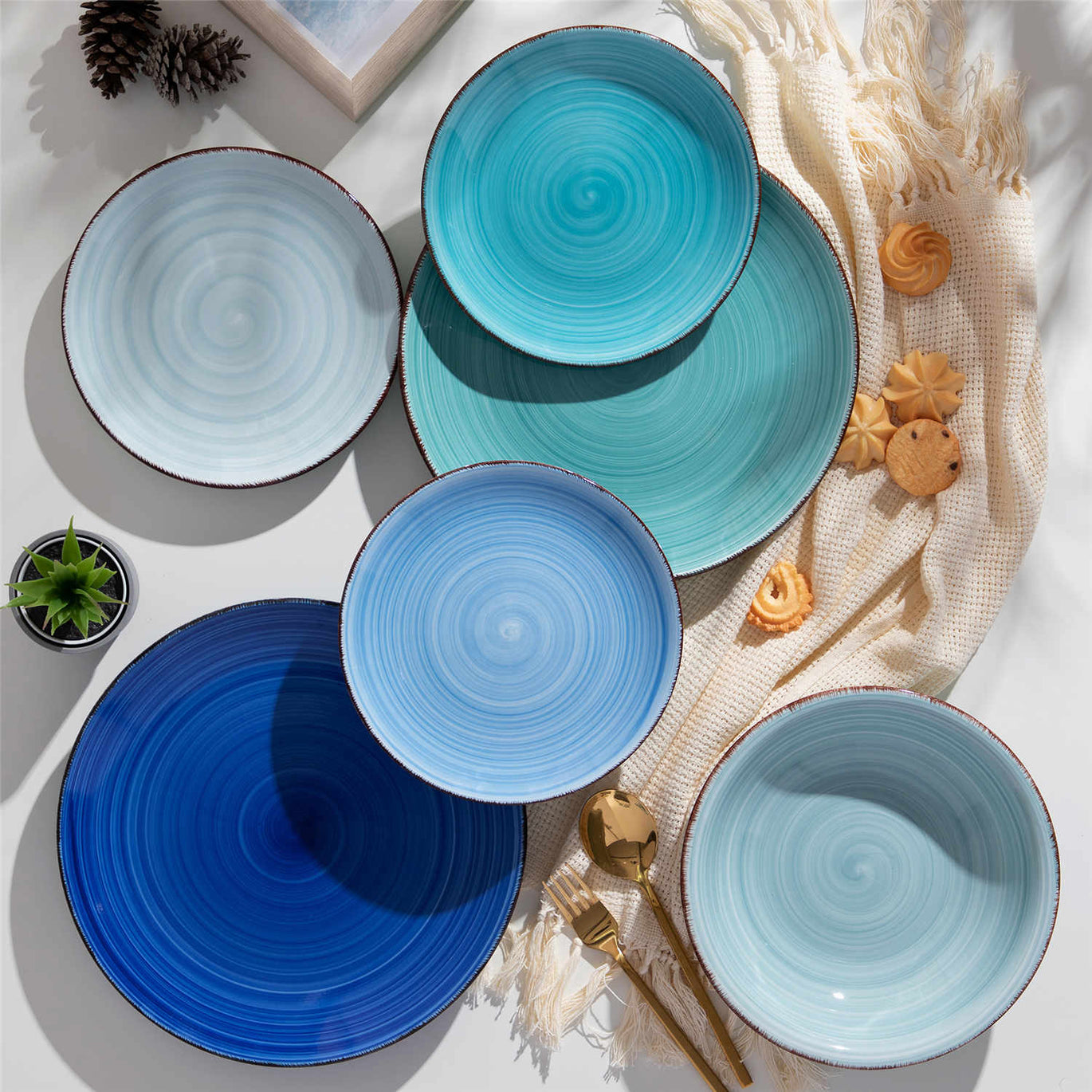


How Does the Size and Shape of Your Dinnerware Affect How Much You Eat
Have you ever wondered why sometimes you eat off a big plate and you feel that you have not eaten enough, and other times you eat off a small plate and you feel that you have eaten enough? The size, shape, and color of your dinnerware plates can have an insidious effect on the amount of food you consume without your knowledge. This is a psychological and research-supported idea that demonstrates that your dinnerware sets are important in terms of portion perception, appetite, and satisfaction.
Whether it is soup bowls or pasta bowls, or even the weight of your cutlery, every design element influences the way your brain perceives your food. Being aware of these cues can make you more mindful of what you eat and have a balanced diet.
The Psychology of Plate Size: Bigger Is Not Always Better
Visual illusions can easily affect our perception of food portions - one of the most well-known being the Delboeuf Illusion. This illusion demonstrates that the same circle (or in this case, portion of food) when put in two circles of varying sizes will seem smaller. Simply put, when you put food on a big dinner plate, your brain will think that the amount is less than it is. This usually results in overeating, since you subconsciously put more food on the plate to fill it.
Smaller dinnerware plates, however, make portions look bigger, which can also fool your brain into being satisfied with less food. Therefore, when you next lay your table with a dinner set, use moderately sized plates rather than large ones,your stomach will automatically adapt.

Which Size Plate Is Best For Losing Weight?
When you want to manage your portions or lose weight, the size of your plate can make a big difference. The following is a basic plate and bowl size guide that encourages mindful eating:
- Dinner Plates: 9 to 10 inches in diameter are perfect. Normal restaurant dishes are usually 12 inches or above, which may promote overeating.
- Salad Plates: 7 to 8 inches- ideal for light meals or moderate portions.
- Dessert Plates: 6 inches or less,enough room to have a treat without being overindulged.
- Pasta Bowls: Use shallow bowls of about 20-25 cm. Deep bowls may cause you to lose track of portions.
- Soup Bowls: Select smaller, moderate-depth bowls (approximately 350-400 ml) to serve in controlled portions.
- Cereal Bowls: Choose medium-sized bowls rather than large bowls that can accommodate more than one serving of cereal.
Eating less is not only possible by using portion-controlled dinnerware plates, but also by promoting a balanced presentation. White dinnerware sets are particularly handy in this case, as they present food in a clean and simple way, allowing you to concentrate on the amount and content of food, not on the extravagance.
Round Vs Square Plates: The Shape of Plates and the Amount of Food You Eat
The form of your plate also influences the way you see food. Research indicates that individuals are more likely to place more food on square plates than on round plates. The straight sides and angles of square plates may cause you to think that some part is smaller, and you will add more to the plate.

Round plates, however, provide a natural frame to your meal, allowing you to see portions better. They are also more conventional, and our brains tend to relate them to balanced meals. Nevertheless, even modern square plates may be helpful, particularly when you are mindful of how you divide your food, such as half the plate of vegetables, a quarter of protein, and a quarter of carbs.
The Influence of Plate Color on Appetite and Food Perception
The color contrast contributes significantly to the amount of food you serve and consume. Your dinnerware color will either boost or kill your appetite:
- White Dinnerware Sets: White dishes provide a clean, traditional appearance and contrast with colorful foods, such as vegetables or sauces. They are also perfect for controlling portions since the contrast makes you notice the amount of food you are consuming.
- Black Dinnerware Set: Black or dark dishes are elegant but may cause distortion of portion size, particularly with darker foods such as pasta or stews. Nevertheless, they are able to make light meals appear more attractive and sophisticated.
- Bright or Colored Plates: The bright colors, such as red or yellow, are known to stimulate appetite and energy, whereas blue is known to reduce hunger.

White or neutral dinnerware sets are the most appropriate in case you want to eat mindfully, as they do not overstimulate your senses.
The Effect of Cutlery and Dinnerware Weight on Taste
Interestingly, the weight of your dinnerware and cutlery can alter your flavor experience. Heavy plates and utensils are more likely to make food richer and more fulfilling. This is a psychological impact since weight is an indicator of quality and significance to your brain. You will probably be happier with smaller portions when you eat from heavier spoons, forks, or bowls, such as heavy pasta bowls or ceramic soup bowls.
Light plates and cutlery, however, may make a meal seem less satisfying, which promotes overeating. One way to mindfully eat is to invest in quality dinnerware sets that have some weight to them so that you can take your time and savor every bite.
Portion Control Food Plating: How To Make Small Portions Appear Large
With ingenious plating, you can make smaller portions look more substantial. The following are some professional tips:
- Smaller Plates - They make the same portion appear larger.
- Add Height and Layers - Pile foods in an attractive manner to give the appearance of plenty.
- Space Between Foods - A small gap between foods gives a clean and classy appearance that deceives your mind into believing that you are eating a balanced meal.
- Color Contrast Play - Use white dinnerware sets when having colorful meals, or black dinnerware sets when having light meals, to make them look better.
- Garnish Sparingly - Fresh herbs or a drizzle of sauce can transform small portions into restaurant-quality.
These visuals make you feel more content with less food, which is beneficial to your wellness without undermining pleasure.
How To Eat Mindfully With The Right Dinnerware
Mindful eating is concerned with what, how, and why you eat. This practice can be supported by the right dinnerware sets:
- Naturally portion-limit with smaller bowls and plates.
- Do not eat out of large pasta bowls or cereal bowls,always take a portion.
- Use heavier utensils to slow down your eating rate.
- Use colors that soothe and not those that arouse appetite, like white, gray, or light blue.
- Pay attention to balance,half your plate should be vegetables, a quarter protein, and a quarter whole grains.
With the help of mindful habits and the appropriate dinnerware, you can make the eating experience healthier and more enjoyable.

Conclusion: Control Your Plate, Control Your Health
The design, size, and shape of your dinnerware plates have a subtle yet effective effect on the amount of food you consume. Since the Delboeuf Illusion in the influence of plate color and weight, each detail influences the perception and satisfaction of portions. With the right selection of dinnerware sets, smaller pasta bowls and soup bowls, and mindful plating, you can have a satisfying meal that looks and feels good without overeating. Keep
In mind,the road to good health does not necessarily begin in the gym; it can begin right at your dinner table.
FAQs
Q1: Are Smaller Plates Effective In Weight Loss?
A: Yes. Smaller dishes will make portions look bigger, and you will eat less without feeling deprived. This visual illusion promotes portion control in a natural way.
Q2: Are Round Plates Better Than Square Plates For Eating Less?
A: Generally, yes. Round plates offer balanced visual framing, making it easier to judge portions accurately. Square plates can make you over-serve without realizing it.
Q3: What Color Dinnerware Is Best For Mindful Eating?
A: White dinnerware sets are ideal because they highlight your food and help you gauge portion size clearly. Avoid colors that blend with your meal, like red plates for tomato dishes.
You may also like
Stern 16 Piece Dinnerware Set
- €84,95
€96,95- €84,95
- Unit price
- per
-
Blue
-
Green
-
Red
-
Grey
Simi 24 Piece Dinnerware Set
- €96,95
€129,95- €96,95
- Unit price
- per
Bonita 18 Piece Dinnerware Set
- From €60,95
€74,95- From €60,95
- Unit price
- per
-
Blue
-
Multicolor
Starry 16 Piece Dinnerware Set
- €84,95
€86,95- €84,95
- Unit price
- per
-
Blue
-
Green
-
Red
-
Gradient Green