

Heating, cooking, or baking with your daily dinnerware can save time and dishes, but only when done safely. Most individuals believe that every plate and bowl can be placed in the oven or microwave only to find themselves with broken dishes, scalded hands or even sparks flying out of the microwave. You may be reheating leftovers, baking small portions, or even serving meals directly out of the oven, but it is important to know which dishes are safe, and how to use them correctly.
We will take you through the steps of determining whether your dishes are oven safe, the distinction between microwave safe dinnerware and oven-ready dishes, the most effective heating methods, and how to maintain your plates and bowls in great condition over the years in this guide.
Checking Whether Dishes Are Oven Safe
The first rule is easy before putting any plate, bowl, mug, or baking dish in the oven, look at the manufacturer's label. The majority of reputable brands indicate whether their items are stoneware oven safe, porcelain-safe, or not heat-safe at all.
Look for Symbols or Wording
Invert your plate or bowl. Labels may include:
- "Oven Safe"
- "Stoneware Oven Safe"
- Temperature constraints (e.g., up to 450°F / 230 °C)
When it is not marked, it does not necessarily imply that it is unsafe, but you should take care.

Consider the Material
Here’s a quick guide:
| Material | Oven-Safe? | Notes |
| Stoneware | Yes, usually | Often safe up to 450–500°F; always check specifics. |
| Porcelain | Usually | High-quality porcelain handles moderate oven heat. |
| Ceramic | Sometimes | Depends on glazing and firing. Low-fire ceramic may crack. |
| Glass (Borosilicate) | Yes | Oven-safe; avoid extreme temperature shock. |
| Plastic | Never | Even if microwave safe, it should not go in the oven. |
| Melamine | Never | Melamine is neither oven-safe nor microwave-safe. |
| Metal-trimmed Dishes | Not safe | The metal reacts in microwaves and heats dangerously in ovens. |
When you are asking, Can stoneware be put in the oven? The answer is yes, provided it is marked as oven safe and warmed slowly.
Do Not Use Homemade or Unidentified Pieces
Ceramic dishes made by hand can be beautiful but not necessarily safe for high heat. Only serve them when you are not sure.
Oven Safe vs. Microwave Safe: What Is the Critical Difference?
Most individuals believe that oven safe is microwave safe. However, they are not interchangeable.
What "Microwave Safe" Means
A microwave-safe plate or bowl is able to withstand microwave heat without:
- Melting
- Sparking
- Leaching chemicals
- Cracking from rapid heating
Microwave safe dinnerware is made to withstand brief, high-intensity bursts of heat.
What "Oven Safe" Means
- Oven-safe dishes withstand
- Sustained temperatures
- Dry heat
- Heat on every side
Ovens take longer to heat and have a higher temperature than microwaves. Therefore a dish that is labeled as microwave safe can still shatter in the oven.

The Key Difference
- The food is heated by microwave heat, not air.
- The dish itself is heated by oven.
That is why a plastic plate may be fine in the microwave but will melt immediately in the oven.
Microwave Use Simple Rules: Preventing Sparks and Hot Spots
Microwaves are easy to use, however, when misused, they can destroy your dishes and the microwave. Follow these simple rules:
Do Not Microwave Metal or Metallic Trim
This involves plates with gold rims, mugs with silver edges, or metallic painted dishes. They cause sparks.
Do Not Use Super-Thin or Inexpensive Ceramics
Poor quality ceramic absorbs water and can break without warning.
Don't Overheat Empty Plates
Do not microwave a dish that is empty. It heats the material excessively and may lead to its breaking.
Watch Out for Hot Spots
Microwaves heat unevenly. Even a microwave safe plate can get hot under your food. Use a cloth or mitt.
Lift Lids Carefully
When opening food that has been reheated, steam can burn you.
Cook Longer on Medium Heat Than on High Heat
This shields your microwave safe dinnerware against thermal stress.

Dinnerware Tips on Using the Traditional Oven
To warm dinner plates, bake individual portions, or roast in stoneware, follow these guidelines:
Preheat the Oven First
Do not put your dish in when the oven is warming up, because sudden changes in temperature may crack it.
Do Not Use Abrupt Changes in Temperature
Stoneware, porcelain, and ceramics are capable of handling heat, but not shock.
Examples of what NOT to do:
- Removing a cold dish out of the fridge and putting it in a 400°F oven.
- Taking a hot baking dish and putting it on a cold granite counter.
Cook in Oven-Safe Dishes
Save decorative plates for serving. When you are preparing casseroles or roasting vegetables, use official baking dishes, which are designed to withstand high temperatures.
Keep Temperatures Moderate
Even stoneware oven safe dishes must not exceed manufacturer specifications—typically about 450°F (230°C).
Support the Dish Fully
Stoneware is heavy when loaded; it should be carried with both hands to avoid warping or dropping.
Post-Heat: Cooling and Cleaning Advice to Avoid Damage
Cooling and cleaning your dinnerware properly will increase its life.
Allow Dishes to Cool Slowly
Place hot dishes on:
- A wooden board
- A fabric trivet
- A silicone mat
Cold counters are to be avoided, as they crack stoneware immediately.
Allow Hot Food to Cool Down and Then Wash
Do not pour cold water on hot ceramic or stoneware. It causes thermal shock.
Avoid Abrasive Scrubbers
Protect glazing with soft sponges.
Watch for Fine Cracks
Some dishes can develop hairline cracks after repeated use in the oven. Retire them from heat and use them only for serving.

Serve Straight Out of the Oven With Style
Convenience is one of the greatest advantages of oven-safe dinnerware. You can cook and serve in the same dish. It's perfect for:
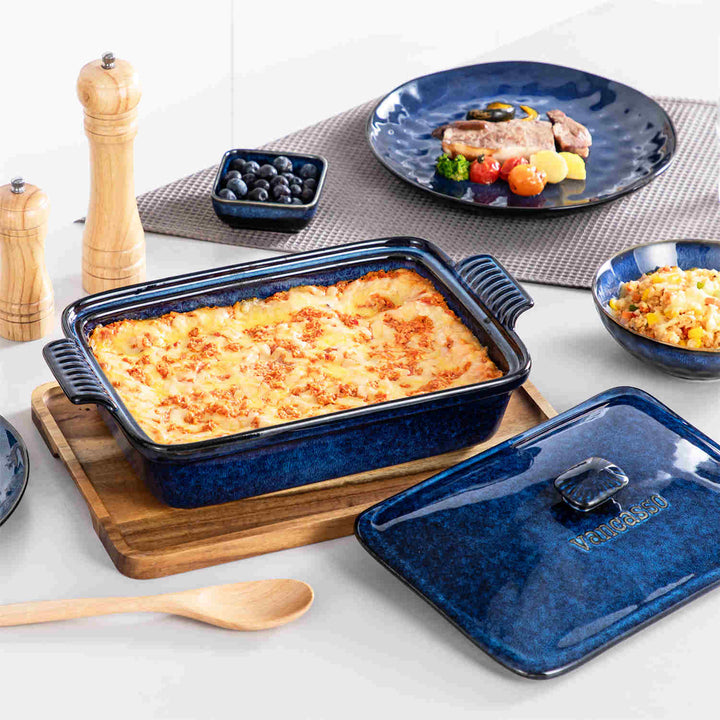
- Bake lasagna in stoneware.
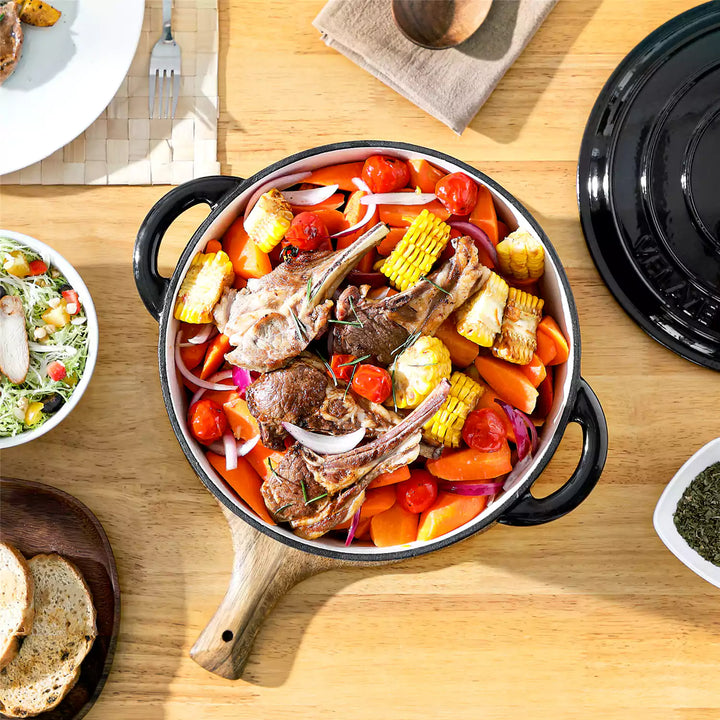
- Roasted vegetables in rough serving bowls.
- Deep stoneware bowls of baked pasta.
- Warm in small ramekins in the oven.
- Single desserts in oven-proof dishes.
FAQs About Oven and Microwave Safe Dinnerware
Q1: Can Stoneware Go in the Oven?
A: Yes, if it's labeled oven safe. The majority of good stoneware is safe for bakery and roasting.
Q2: Are All Microwave Safe Dishes Oven Able?
A: No. Microwave safe only implies that it will not melt or spark in the microwave. It does not ensure resistance to ovens.
Q3: Why Was My Microwave Safe Dinnerware Hot?
A: Certain materials absorb heat of food or are not uniform in thickness. This is normal.
Q4: Is It Possible to Place Porcelain in the Oven?
A: The majority of porcelain can be used in the oven at moderate temperatures, though consult the instructions of the brand.
Q5: Do Glass Dishes Crack in the Oven?
A: Yes, when subjected to extreme temperatures. Always heat gradually.
Final Thoughts on Oven and Microwave Use
It does not need to be complex to use your dinnerware safely in the oven and microwave. You can avoid cracks, breakage, and expensive replacements by selecting microwave safe dinnerware, ensuring that the plates are oven safe, and preventing temperature shock. When properly used, stoneware, porcelain, and glass can withstand heat, and you can warm food, bake small dishes, and serve food directly out of the oven with confidence and style. Give your dishes a bit of extra attention and they will last beautifully for years.