

Choosing the appropriate dinnerware set to use in your home is not only about the beauty but also about durability. Durability is a priority whether you are feeding a busy family, entertaining guests, or simply want a reliable set that can take the daily meals. However, there are so many materials available, stoneware, porcelain, bone china, Melamine, and so on, how do you know which will really stand the test of time?
This blog will discuss what durability actually means in dinnerware, compare the six most popular materials, and provide some practical advice to help you select and maintain the best dinnerware to suit your lifestyle.
Why a Durable Dinnerware Set is a Smart Investment
When you invest in a long-lasting dinnerware set, you will have less chipping, less breaking, and fewer replacement. It saves you time and money in the long run, not to mention the frustration of finding another broken plate or bowl.
Durability also brings peace of mind. You desire plates that can be microwaved, served, and washed in the dishwasher without any hesitation. As life becomes more hectic, nobody has time to wash fragile dishes by hand each night or freak out when a mug falls.

In the case of families with children, durability is not negotiable. And even in the case of people who live alone or in pairs, the selection of durable, high-quality dinnerware will help you not to buy something on the fly.
Cracking the Code of Durability in Dinnerware: 4 Metrics to Monitor
Durability may seem an abstract concept. In order to get a real sense of what materials are constructed to last, we can divide durability into four quantifiable attributes:
Chip Resistance
This is the ability of the edges and surfaces to withstand daily knocks, e.g., bumping into another plate in the dishwasher or hitting a countertop. Such materials as stoneware and vitrified glass are likely to score high in this.
Scratch Resistance
Easy-to-scratch dinnerware will soon appear worn and weary. Low-quality finishes can be marked by forks, knives, and stacking. Seek glazes and materials that are not easily scratched, such as porcelain and Melamine.
Thermal Stability
The Safety of microwave and dishwasher is an important aspect of everyday usability. Not every dinnerware is able to withstand quick temperature changes. Porcelain and stoneware tend to perform well, and Melamine must never be put in the microwave.
Non-Porosity
Non-porous materials do not absorb water, oils, or odors, which makes them more hygienic and stain-resistant. This is necessary to ensure long-term durability, and it is a key advantage of vitrified glass and porcelain.

A Deep Dive into 6 Popular Materials: What is the Best One to Use in Your Everyday Life?
Selecting the optimal dinnerware to use every day is a matter of functionality, touch, and shape. Here is a more detailed examination of six common materials that you will encounter in contemporary dinnerware sets:
Stoneware
Best for: Aesthetic longevity and family application
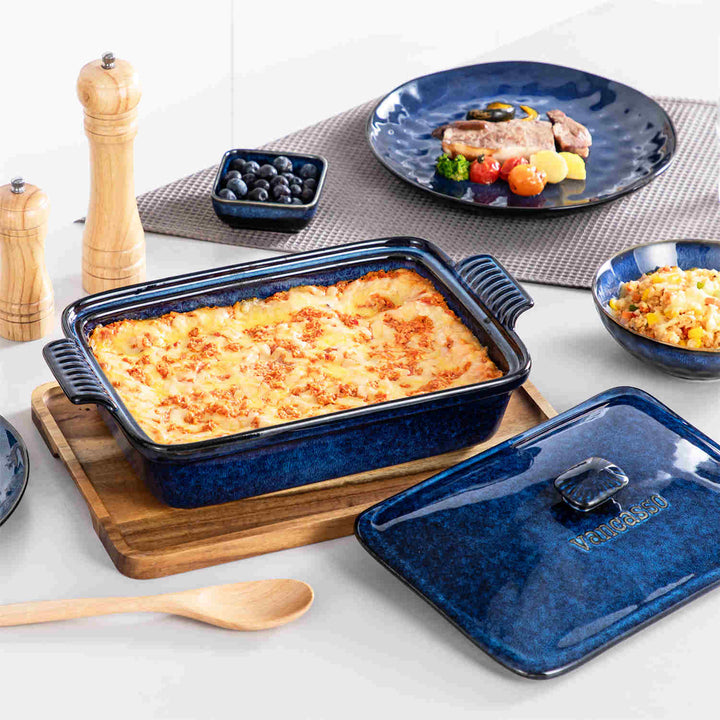
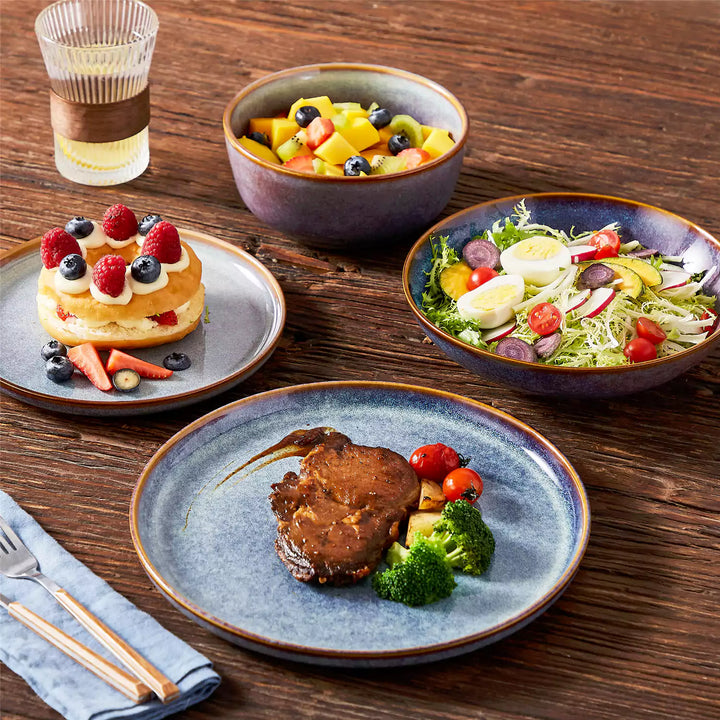
Strengths: The finest stoneware dinnerware is beautiful, a bit rustic, and very sturdy. It is thicker and heavier than porcelain, and therefore more resistant to chipping. Most stoneware sets are also microwave and dishwasher safe. But glazes count—a badly glazed set of stoneware dinnerware can stain or craze with use.
Porcelain
Best for: Daily glamour and flexibility
Strengths: One of the most balanced choices is porcelain; it is thin and strong, non-porous, microwave/dishwasher safe, and scratch-resistant. It is as good in informal meals as in formal dinners. It is lightweight and elegant in appearance, and many households use it, but it is not as delicate as bone china.

Bone China
Best for: Light, fancy dining
Strengths: It is the most luxurious ceramic. Bone china is very light, transparent, and extremely smooth. Although it looks fragile, it can be very strong when taken care of. But it is more likely to chip and is not the best choice in a family with young children or heavy use.
Vitrified Glass
Best for: Minimalist homes and everyday wearability
Strengths: Vitrified glass (such as Corelle) is non-porous, microwave safe, and highly impact resistant. It is also light and stacks well, which makes it perfect in small kitchens or apartments. It is not as warm as stoneware or as elegant as porcelain, but it is very practical.
Ceramic (Earthenware)
Best for: Low-end customers and decorative products
Strengths: Ceramic dinnerware includes earthenware, which is less expensive, but also more porous and brittle. It is easily chipped and stains unless glazed properly. It is aesthetically appealing, but it tends to be more appropriate in light applications or decorative settings.
Melamine
Best for: Outdoor and children’s meals
Strengths: Melamine is almost indestructible, extremely lightweight, and usually has fun, bright designs. It is dishwasher safe and ideal for picnic, patio, or children dinnerware. The downside? It cannot be microwaved, and cheaper ones may wear out.
How to Choose the Right Durable Dinnerware for Your Lifestyle
| Material | Durability | Price Range | Appearance | Maintenance | Microwave/Dishwasher Safe |
|---|---|---|---|---|---|
| Stoneware | High | $$ | Modern | Moderate Effort | Yes |
| Porcelain | High | $$-$$$ | Timeless | Easy | Yes |
| Bone China | Medium | $$$ | Delicate | Tough | Yes |
| Vitrified Glass | Very High | $$ | Simple | Easy | Yes |
| Ceramic | Low | $-$$ | Decorative | Moderate to Tough | Varies |
| Melamine | Very High | $ | Playful | Easy | Dishwasher Yes Microwave No |
Your dream dinnerware set will be based on what is most important to you: beauty, budget, or bulletproof reliability. To have a combination of strength and elegance, a stoneware dinnerware set or porcelain could be your best choice. Families or people who tend to drop dishes may want to consider vitrified glass or Melamine.
Care Tips: How to Maintain Your Favorite Dinnerware in Good Condition over the Years
Even the most durable dinnerware requires appropriate treatment to prolong its life. These are some of the basic maintenance tips:
Stack carefully: Use a soft cloth or paper between plates to prevent scratches on the surface, particularly with porcelain and stoneware.

Avoid extreme temperature changes: Do not take plates out of the fridge and put them in a hot oven. Even the strongest materials can be cracked by thermal shock.
Apply mild detergents: Abrasive chemicals may erode glaze finishes and make the surface dull.
Treat Melamine with care: It is durable, but do not put it in the microwave or use sharp knives on it, as it can be scratched.
Check regularly: Look out for cracks or crazing (fine cracks in the glaze), particularly in ceramic and stoneware, to prevent bacteria growth.
Your stoneware dinnerware set or porcelain plates can last decades with the right care.
Choosing the Most Durable Dinnerware for Your Lifestyle
In terms of everyday use, the best dinnerware set is a compromise between beauty, price, and, most importantly, durability. Although stoneware and porcelain are ideal in most homes, vitrified glass and Melamine are ideal in high-impact settings.
The ideal set is the one that suits your lifestyle, cooking habits, and design preferences. Durability does not imply sacrificing style, but rather selecting quality materials that can withstand the daily wear and tear without wearing out.