

Selecting dinnerware is not only a matter of style or coordinating with your table decor; it is a matter of safety. All the plates, bowls, or mugs you use are in direct contact with your food. When it has toxic chemicals, they may seep into your food, particularly when subjected to heat, acidity, or prolonged storage. There are so many products on the market, and it is necessary to know what materials are really safe and what may be dangerous to your health.
In this guide, we will reveal the secret dangers of some dinnerware, compare safe materials, and provide you with a smart checklist so that your next purchase is not only beautiful but also non-toxic.
Why Your Dinnerware Choice is More Important than You Think
Most individuals believe that every dinnerware available in the market is safe. Although there are regulations, they are not universal and not all dinnerware is made the same. Old, imported, or poorly manufactured pieces may contain toxic chemicals such as lead or cadmium, which can gradually contaminate food.
Newer products are not necessarily safe, either: plastic dinnerware may contain BPA or phthalates, and some nonstick coatings may contain PFAS, so-called forever chemicals because they persist in the body and environment.
Because dinnerware is an item you use daily, non-toxic dinnerware is not only a lifestyle choice, but a long-term health investment. This is particularly significant to children, pregnant women, and individuals with weakened immunity since they are more vulnerable to chemical exposure.

The "Big 6" Chemicals to Avoid in Your Kitchen
There are six substances that may be harmful to your health when purchasing safe dinnerware:
Lead
Lead was once a common component of ceramic glazes, and may still be present in old plates, imported pottery, and some of the more colorful glazes. Even low-level exposure in the long-term can lead to severe health problems, especially among children. Whenever possible, use lead-free dinnerware from well-known brands.
Cadmium
Cadmium is commonly found in red, orange and yellow pigments and can leach out of ceramic glazes into food. Similar to lead, it builds up in the body and may lead to kidney and bone issues.
BPA (Bisphenol A)
BPA is primarily found in hard plastics and certain resin coatings and can disrupt hormones and is associated with reproductive and developmental problems. Even plastics labeled as BPA-free may contain other chemicals of unknown risk.
Phthalates
These plasticizers make plastics flexible and can leach into food, particularly fatty or hot foods. They are also endocrine disruptors, which implies that they may disrupt hormonal balance.
PFAS ("Forever Chemicals")
PFAS are found in some nonstick cookware and grease-resistant coatings and are very persistent in the body and environment. Cancer, thyroid disease, and immune system effects have been associated with exposure.
Melamine
Melamine dinnerware is lightweight and shatterproof, but it may leach toxic chemicals when combined with acidic foods or when heated to high temperatures. This renders it inappropriate to use microwaves and some hot foods.
7 Safe Dinnerware Materials: Head-to-Head Comparison
In the case of non-toxic dinnerware, there are materials that are much safer than others. The most popular options are compared as follows:
Porcelain
Good quality porcelain is usually lead-free and non-porous and can be used on a daily basis. It has a smooth glaze that is not easily stained and can be microwaved and is dishwasher safe when marked as such.

Stoneware
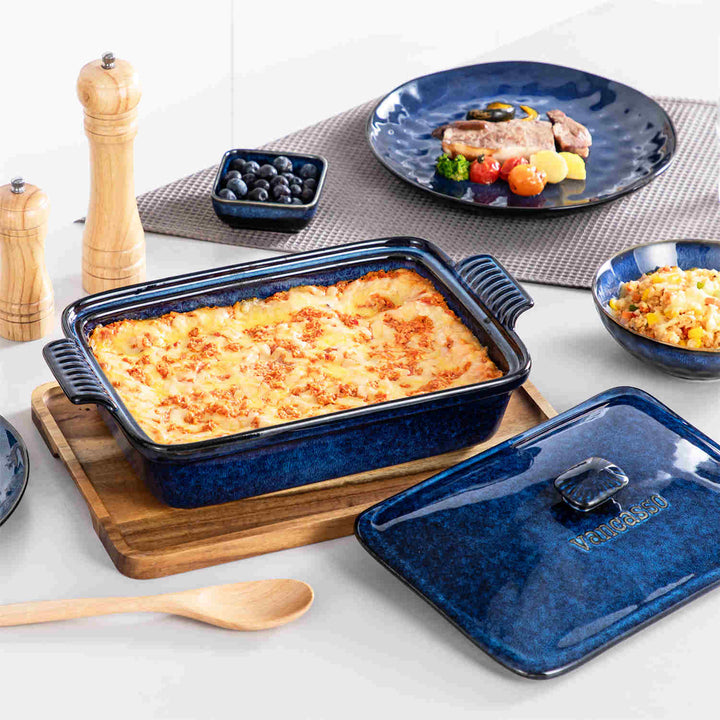
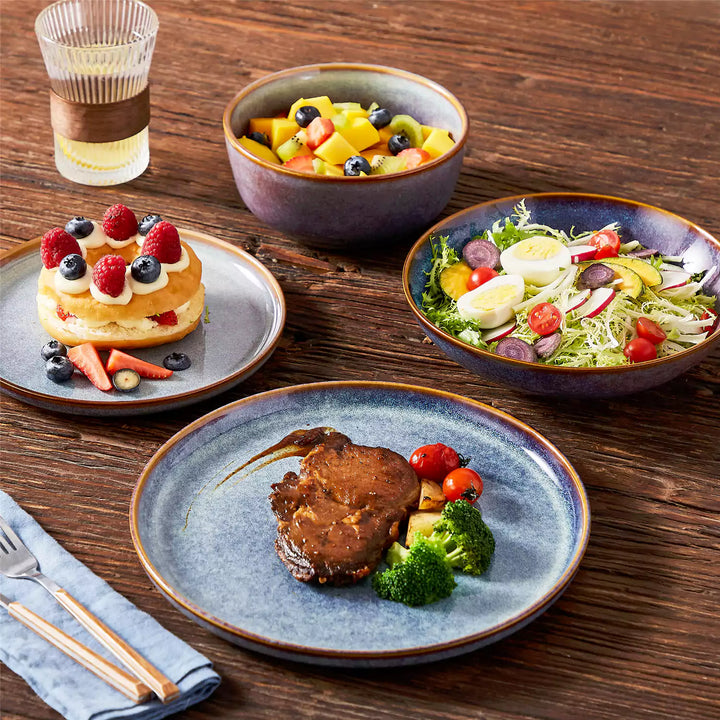
Is stoneware non-toxic? The response: Yes, but only when it is made by a well-known manufacturer that does not use lead- and cadmium-containing glazes. Stoneware dinnerware sets are heavy, durable, and chip-resistant, which makes them a convenient option to use during everyday meals. Make sure it is food-safe certified.
Glass
Tempered glass dinnerware, including borosilicate glass, is inert and non-porous. It is a great option as lead-free dinnerware and does not leach chemicals into food. Clear glass is the safest, because decorative coatings can include heavy metals.
Stainless Steel
Lightweight, nearly unbreakable, and without any harmful coating, stainless steel is perfect to use outdoors and with children. Seek high-quality 18/8 or 18/10 stainless steel to be as safe as possible.
Bamboo Fiber
Although advertised as environmentally friendly, not all bamboo fiber dinnerware is safe to use at high temperatures because it is glued with melamine resin. When you decide to use bamboo, make sure it is melamine-free and food-safe.
Wood
Wood Natural wood plates and bowls are safe when untreated or treated with food-grade oils. Nevertheless, they should be cleaned thoroughly to avoid bacterial accumulation.
Plastic
Even BPA-free plastics can have other chemicals of unknown risk. Plastic is also easily scratched, which provides bacteria with hiding places. To be on the safe side, use plastic as little as possible to serve food and do not heat food in it.

Your Smart Shopper Checklist: 5 Things to Consider Before You Buy
- Material Safety Certifications: Find lead-free, cadmium-free, and food-safe certifications. In the US, products that are marked as being in compliance with California Proposition 65 are tested against some harmful chemicals.
- Origin and Brand Reputation: Dinnerware manufactured in countries with high manufacturing standards (e.g., the US, Japan, or some parts of Europe) is typically safer. Brands with a good reputation tend to use non-toxic glazes and reveal materials.
- Finish and Glaze: Do not use dinnerware with decorative glazes on food-contact surfaces unless they have been determined to be safe. Low-cost ceramics with bright reds, oranges, and yellows may be a red flag of cadmium.
- Intended Use: Think about how you will use the dinnerware. Porcelain, stoneware, or borosilicate glass are good choices to use in the microwave and oven. Stainless steel or tempered glass is best suited to outdoor or child-friendly use.
- Durability and Care: Non-toxic dinnerware must also be long- Ceramics that are poorly glazed or of low quality can chip and crack, posing a potential safety hazard and allowing bacteria to grow.
The Verdict: What is the Safest Dinnerware in General?
When we consider durability, safety, and ease of use, the safest options overall are lead-free dinnerware that is made of high-quality porcelain, stoneware, tempered glass, or stainless steel. All these materials, when bought from good manufacturers, are long-term safe and do not risk chemical leaching.
To have a more versatile everyday choice, stoneware dinnerware sets are a perfect balance of durability and style, but be sure they are certified non-toxic and glazed with safe glazes. Clear tempered glass is the safest you can get, in case you want to have maximum peace of mind.
Keep in mind that the safest dinnerware is the one that is not only healthy but also fits your lifestyle and is well taken care of.

FAQs about Safe Dinnerware
Q1: Is stoneware non-toxic?
A: Yes, stoneware is non-toxic provided it is produced by well-known brands with lead- and cadmium-free glazes. Always check the safety of the product before buying.
Q2: Is it safe to use vintage dinnerware?
A: Certain antique items can have lead or cadmium in the glaze. They should be used as decoration and not as everyday food unless they are tested and proven safe.
Q3: How can I tell whether my dinnerware is lead-free?
A: Seek manufacturer certification, or test with a home lead test kit. Brands that comply with the FDA and California Prop 65 are generally safer.
Q4: Are melamine plates safe?
A: Melamine plates are safe to use with cold and room-temperature foods but not hot or acidic foods, which may cause the release of toxic chemicals.
Q5: Which is the best dinnerware to use with kids?
A: Stainless steel, tempered glass, or certified melamine-free bamboo are great choices because they are durable and non-toxic.