



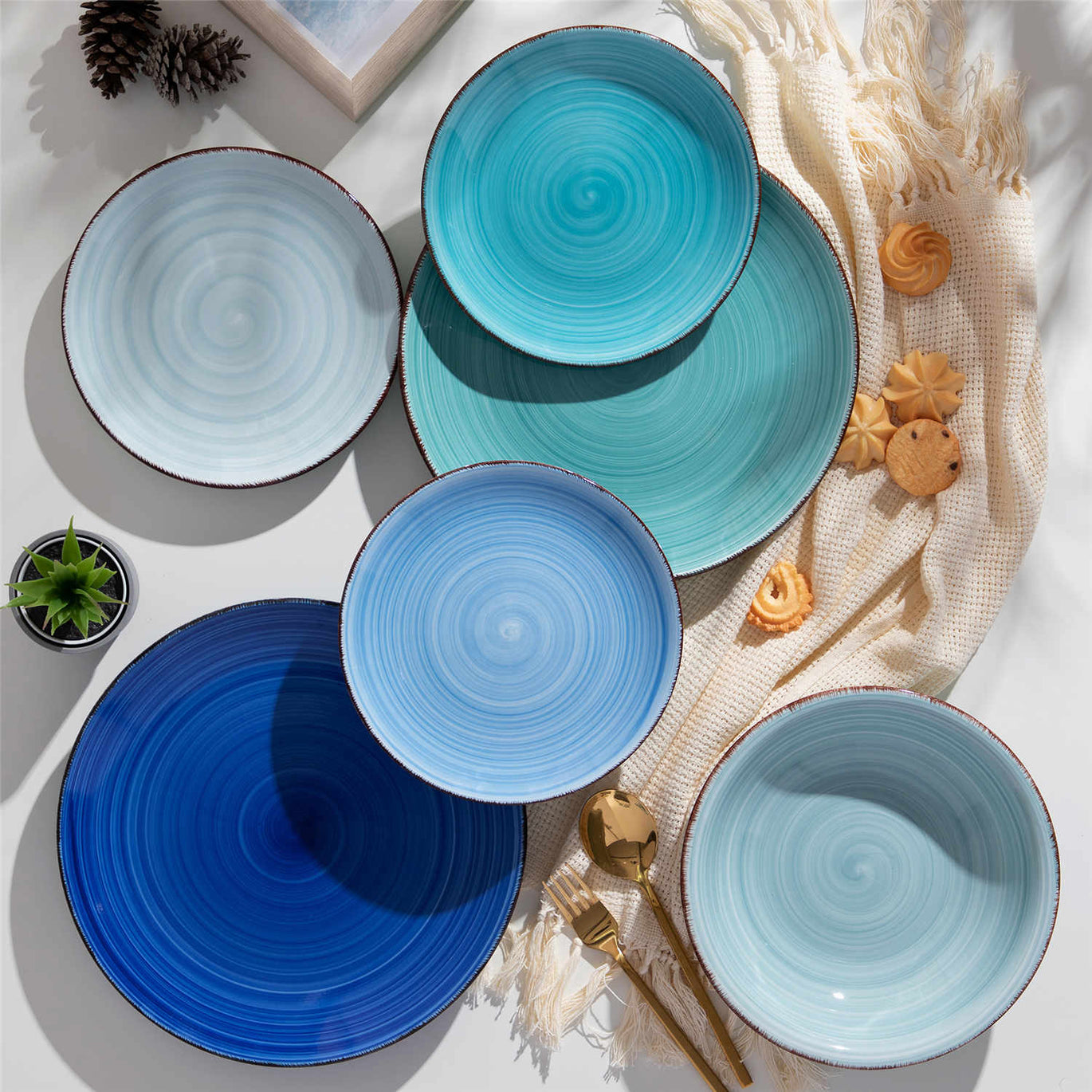


Understanding the Tableware Purchasing Experiences of Transgender Individuals

The Table Is A Tiny Stage For Identity
Tableware is not just ceramic and glass; it is the stage where so much of everyday life unfolds. The plate you reach for after a long day, the mug that witnesses your hormones-and-coffee morning, the glasses you line up for a Pride brunch or a quiet solo dinner at home—these objects quietly shape how safe, seen, and joyful a meal feels.
For transgender people, that stage is rarely neutral. It sits inside a world where gender is policed in store aisles, at restaurant tables, and in family kitchens. Research on transgender health published in the Journal of the Academy of Nutrition and Dietetics notes that trans adults face higher rates of many chronic conditions, from cardiovascular disease and type 2 diabetes to depression and kidney disease, driven by a mix of biological, social, and structural factors. Stigma and limited access to affirming care are identified as key upstream forces. When the world makes it harder to care for your body, something as simple as feeling safe enough to sit down and eat with appetite and pleasure becomes part of health care too.
Queer food culture already understands that spaces and objects around food carry enormous emotional weight. Queer-owned restaurants and bars across the United States are described in coverage by Resy, Toast, and Fiorry as community hubs and safe spaces, not just places to order cocktails or tacos. These venues invest in gender-neutral bathrooms, inclusive signage, and deliberate visibility of queer and trans staff and clientele. Articles about the Queer Food Foundation and The Underground Kitchen emphasize how queer and trans people work across the food system yet are often underrepresented in leadership and mainstream narratives. In that context, tableware is more than décor; it is one of the most intimate touchpoints where inclusion, erasure, or outright hostility can land.
In this article, we will explore what shapes the tableware purchasing experiences of transgender individuals, how gendered marketing and hospitality norms show up in dining and retail, and how both shoppers and brands can turn plates, cups, and cutlery into tools for gender affirmation rather than stress. Think of this as a colorful, pragmatic design brief for a kinder tabletop world.

How Gender Shows Up Long Before The Plate Hits The Table
Even before someone chooses a bowl or a glass, gendered assumptions are already at work. A piece on Scarleteen about gender-affirming hygiene products describes personal care aisles drenched in gender signals: pastel pinks and florals coded as feminine, dark packaging and smoky scents coded as masculine, and language that tells you which shelf supposedly belongs to which body. The article underscores that products themselves do not have gender, even when marketing screams otherwise.
Food and home goods brands often use a similar playbook. A gender-inclusive food innovation overview in Food and Beverages Processing notes that companies have historically marketed “light” products to women and bold, protein-heavy items to men, and are only recently shifting toward more neutral values like quality, taste, and sustainability. If cereal and yogurt can be pink-coded or muscle-coded, plates and mugs can be too. Floral “ladies’ tea sets,” aggressive “grill master” serveware, “his” and “hers” mug sets, bridal-registry collections labeled for “her entertaining” and “his bar” all create a visible map of who is imagined to buy what.
For a transgender shopper, walking into that map can feel like walking into a test. If you are a woman who is trans, standing in a section loudly labeled “for men” may feel like being pushed back toward an old story you are actively leaving. If you are nonbinary, both sides of the aisle can feel like a demand to pick a team that does not fit. And if you are not out or safe at home, any purchase that looks too “feminine” or too “masculine” can trigger scrutiny from family or housemates.
Scarleteen also points to a financial angle: a 2015 analysis cited there found that personal care products marketed to women cost, on average, about 13 percent more than those marketed to men, sometimes with smaller sizes or nearly identical formulations. While that data is specifically about hygiene products, it illustrates how gendered marketing can also be a pricing tactic. It is easy for the same pattern to appear in home goods: a neutral bowl and a “girly” floral bowl may be functionally identical, but the one with a scripted “her” on the box might quietly cost more.
From “Ladies First” To Gender-Neutral Service
Gendering does not stop at packaging; it also shows up in how people are addressed and served while they shop or dine. PureWow’s look at gender-neutral dining highlights Chicago’s Tied House, where staff avoid gendered titles like “sir” and “ma’am” and drop old rules like taking the “ladies’” orders first. The restaurant frames these changes not as trendy performative moves, but as basic respect for guests whose gender is not obvious or whose pronouns do not match traditional expectations.
Contrast that with more traditional venues where “ladies first” is still a service rule and where staff routinely sort tables into men and women. That might seem harmless to cisgender diners, but for trans and nonbinary people the stakes are different. Being misgendered by a server, or having an order taken or a bill handed over based on assumptions about who is “the man of the table,” can sour a meal instantly.
The same principle applies to tableware purchasing. A store associate who greets a group with “Hey ladies” or “What can I help you with, sir” is declaring a gender verdict before anyone has even reached for a plate. A sales script that assumes “the bride is choosing china” or “this will make a great gift for your wife” can be alienating when the shopper is trans, queer, or simply uninterested in heteronormative roles. As hospitality guidance from Tripleseat stresses, inclusive venues are moving away from gendered language in marketing and face-to-face interactions because they recognize that safety and comfort start with words.
For transgender customers, a seemingly small detail like a gender-neutral “Hi folks” in a tableware store, or a staff member casually asking “What pronouns do you use” during a registry appointment, can be the difference between bracing for impact and exhaling enough to enjoy browsing.

Trans Experiences In Restaurants And Shops: Tableware As A Safety Signal
Transgender diners often read a space very quickly, and tableware is part of that reading. Articles from Fiorry and Toast about LGBTQ-friendly restaurants emphasize several cues that trans and queer guests look for: gender-inclusive bathrooms, visible queer clientele, leadership or ownership that is openly LGBTQ, and policies or community practices that go beyond rainbow marketing. When these cues are present, a restaurant can become what some queer food writers call a “third space,” a home-like environment distinct from both work and private houses where people can relax, connect, and feel affirmed.
The design of the table matters in these spaces. A Fiorry guide talks about places like n/naka in Los Angeles or Via Carota in New York, which are queer-owned and treat queer patrons as normalized, not tokenized. Other pieces highlight lesbian bars such as The Ruby Fruit in Los Angeles or Cubbyhole in New York, where the very existence of explicitly queer, trans-centered environments is framed as critical cultural infrastructure. In many of these venues, tableware choices are part of a larger aesthetic project: colorful glassware, playful plates, or sturdy diner mugs that invite lingering, chatting, and a sense of belonging.
Queer-owned restaurants often push inclusivity beyond aesthetics into accessibility and mutual aid. An analysis on GetBento describes restaurants like Mis Tacones in Portland offering free meals to trans people of color and HAGS in New York dedicating Sundays to pay-what-you-can dining. Ursula in Brooklyn hosted a sliding-scale benefit to help fund a community member’s top surgery. These choices turn the table into a site of economic justice as well as pleasure. For a trans guest, knowing a restaurant has built economic inclusion into its model can make it easier to say yes to ordering that dessert or staying for another drink.
Shopping experiences can echo this energy. A Chicago city guide to trans-owned and trans-affirming businesses mentions Flower Power Furnishings, which sells handmade and upcycled furniture, colorful glassware, and eclectic décor in a cooperative “mini antique mall.” It also spotlights queer and trans-owned cafés and bakeries like Jennivee’s Bakery and Loaves & Witches, where the whole concept is community care. When a trans shopper buys a plate or cup in places like these, they are not just buying an object; they are investing in a network of affirming spaces that support them back.
To clarify how different environments feel from a trans-centered perspective, consider this comparison.
Aspect |
Common experience for trans shoppers |
Gender-affirming alternative |
First greeting |
Gendered “sir/ma’am,” bridal or couple assumptions |
Neutral “Hi folks,” no assumptions about relationships or roles |
Visual cues |
Heteronormative photos, “his/hers” sets, pink and blue coding |
Diverse couples and families, gender-neutral language, queer-owned or trans-owned signage |
Product framing |
“Ladies’ entertaining,” “man cave barware,” binary registry options |
Emphasis on function, aesthetics, sustainability, and joy without gendered labels |
Safety signals |
No explicit policy, gendered bathrooms, no mention of inclusion |
Clear nondiscrimination statements, all-gender restrooms where possible, staff visibly trained in inclusive language |
When brands and retailers lean into the gender-affirming column, trans shoppers can stay focused on finding pieces they love instead of constantly scanning for danger.

What Makes Tableware Gender-Affirming?
Gender-affirming tableware is not a specific shape or palette; it is tableware that supports a person’s gender identity, safety, and self-expression across different contexts. That support can show up in different ways depending on the person and the situation.
One clear expression is identity-forward design. On a large e-commerce marketplace, there is a decorative porcelain dinner plate whose title explicitly references gender differentiation, identity, rainbow, and equality. Equality- and pride-themed plates like this take the rainbow flag and related symbols straight onto the dish itself. For some trans and queer people, eating from a plate that literally spells out equality can feel like a daily micro-celebration, especially in a home or gathering where their identity is affirmed.
Identity-forward design also appears in queer-owned brands highlighted in outlets like Good Housekeeping and NBC News, which profile LGBTQ-owned companies across food, home, and kitchenware. Some of these businesses make table and kitchen items tied directly to queer joy, while others, like Darling Spring, focus on “slow living” decor and kitchenware that emphasize everyday joy and ethical production. In either case, the knowledge that a plate or mug comes from a queer-owned or trans-affirming business can itself be part of what makes the object feel right.
At the same time, the Fiorry article warns that true LGBTQ-friendly spaces are defined by more than rainbow merch. All-gender bathrooms, visible queer clientele, and consistent community involvement matter more than a pride-themed special in June. The same applies to tableware: a rainbow plate in an otherwise hostile store does not magically make the experience affirming. Products and context have to work together.
Identity Signaling Versus Everyday Neutrality
For some transgender people, loudly queer objects are perfect for public visibility or community events but feel risky or exhausting in other settings. Scarleteen’s advice about hygiene products emphasizes that gender goals, safety, and comfort should drive choices, not marketing categories. It points out that scents and packaging are culturally gendered, but those codes are flexible and can be mixed, subverted, or ignored.
Applied to tableware, that might mean a trans person chooses a bold rainbow dessert plate for dinners with trusted friends, but reaches for a minimalist stoneware bowl when eating with unsupportive relatives. Both choices can be gender-affirming if they are chosen intentionally. One is affirming because it shouts; the other because it protects.
There are pros and cons to each approach. Overt identity signaling through tableware can feel exhilarating, especially in supportive environments like queer-owned restaurants or trans-led community spaces. It can also be politicizing in ways that are not always safe. Gender-neutral or quietly expressive pieces—think deep teal mugs, speckled clay plates, clear or softly tinted glassware—may not read as queer to outsiders but can still align beautifully with a person’s gendered sense of self.
Designers and retailers can support both needs by offering pieces that are proudly queer as well as pieces that are simply free from binary coding and stereotypes, and by making it clear that all of them are for anyone who feels joy using them.

Money, Health, And The Emotional Budget Behind A Plate
The context around a purchase matters. Research summarized by Forbes highlights how women in the restaurant industry, especially women of color, face precarious work, wage gaps, and barriers to advancement. LGBTQ-owned restaurants profiled by Toast often use creative models like pay-what-you-can events and low-price “divey” spaces to widen access. These stories point to a broader reality: many queer and trans people are navigating economic stress alongside everything else.
Scarleteen notes that personal care products marketed to women are on average pricier than those marketed to men. That “pink tax” is not limited to trans women; trans men and nonbinary people also end up paying more when they align with certain gendered categories. When tableware and home goods follow similar patterns, already-tight budgets get squeezed further.
On the health side, the Journal of the Academy of Nutrition and Dietetics article underscores that dietary patterns are closely tied to chronic disease risk, and that trans adults carry a disproportionate burden of conditions like diabetes and cardiovascular disease. It also stresses that stigma, discrimination, and limited access to care reduce the likelihood that trans people receive ongoing, preventive support, including nutrition counseling. Registered dietitian nutritionists are encouraged to offer gender-affirming, tailored care to transgender clients.
If we zoom out, tableware sits at the intersection of these pressures. A trans person who is dealing with chronic illness, economic strain, and stigma may still be trying to build a home where meals feel calm and nourishing. A cheap but beloved thrift-store plate that fits a person’s gendered sense of self, or a single splurge mug from a queer-owned brand, can make the difference between eating straight from takeout containers in bed and sitting up at a table for a meal that actually feels like it belongs to them.
From a practical standpoint, that means pricing, durability, and flexibility matter. Gender-affirming tableware needs to be not just beautiful, but attainable, forgiving of everyday use, and compatible with different living situations, from shared apartments to supportive chosen-family homes.
Practical Advice For Trans Shoppers Curating Their Table
Transgender individuals are not a monolith, but themes from the research on inclusive dining, gender-neutral service, and gender-affirming product choices point toward some shared strategies that can make tableware shopping more affirming and less stressful.
Read The Space Before You Reach For A Plate
Before you even pick up a mug, take a few seconds to scan the environment. Articles on LGBTQ-friendly restaurants emphasize physical cues that translate well into retail. Gender-inclusive bathroom signage, visible nondiscrimination statements that explicitly mention gender identity, and marketing images that show diverse couples and families are often signs that a business has at least thought about inclusion. Guides like those from Tripleseat and Fiorry note that year-round engagement with LGBTQ communities, rather than just June displays, is another powerful indicator.
If you are shopping online, the same logic applies. Look for product descriptions and imagery that do not default to “for him” or “for her,” see whether any queer or trans-owned brands are featured, and notice whether the brand’s social presence talks about inclusion outside of Pride Month.
If the space feels hostile or ambiguous and you have the option to go somewhere else, it is worth considering a different retailer, a queer-owned shop, or even a secondhand or consignment store that is known to be trans-affirming.
Choose Tableware That Affirms You, Not The Label
Scarleteen’s core message is that products do not have gender; they are tools for your comfort, expression, and practical needs. Apply that to tableware by starting with how you want to feel, not what category the product claims to serve. If soft pink plates make you feel like your womanhood is real and present, they are yours regardless of who the catalog imagines buying them. If heavy, industrial-style serving pieces make your masculinity feel solid and grounded, that alignment is valid too.
For some trans people, androgynous shapes and colors feel like home: sand-colored stoneware, slate grays, deep greens, clear glass, or chrome. For others, mixing signals is the whole point: delicate floral teacups on top of a bold black table runner, or rainbow dessert plates sitting next to simple white everyday dishes. There is no right way to match tableware and gender identity; the only rule is that the story your table tells should support your story of yourself.
If you are not out or not safe where you live, you can borrow tactics from Scarleteen’s guidance on hygiene products. Consider keeping more obviously queer or gender-affirming pieces in places where you can control who sees them, like a private shelf or a box that only comes out for solo time or gatherings with trusted friends. More neutral dishes can live in the shared cabinet for everyday use. You can also frame bold pieces as “design choices” or “souvenirs” if you need to deflect questions without revealing more than you want.
Budget With Joy In Mind
Economic realities shape what is possible. The examples of pay-what-you-can dining at places like HAGS and Mis Tacones remind us that queer and trans communities are already inventing models that stretch dollars while centering dignity. You can bring that spirit into how you buy tableware.
Start small rather than feeling pressure to own a complete matching set. One deeply affirming bowl, one cup that makes every morning feel like a little celebration, or a single serving platter that turns potlucks with friends into ritual can matter more than twelve identical plates that you had to compromise on. Gender-neutral gift guides in outlets like Cosmopolitan and Good Housekeeping point to the popularity of practical, universally appealing home and kitchen upgrades: a single quality pan, a hydroponic herb setup, a cozy set of bedding. In the tabletop world, that might look like investing in pieces you will actually reach for daily, rather than items that are “supposed” to be grown-up or fancy.
Pay attention to pricing tricks. If two items are similar in material and size but one is labeled with highly gendered language and costs more, remember the “pink tax” pattern Scarleteen describes. It is legitimate to choose the more affordable option even if the marketing suggests it is not “for” your gender.
Secondhand and community-sourced options are worth exploring too. Trans-owned or trans-affirming shops like those profiled in the Chicago guide, community swap events, or even informal exchanges among friends can turn tabletop curation into a collective art project rather than a lonely, costly task.
Protect Your Safety Before Your Aesthetic
It bears repeating that safety comes first. The Scarleteen article is frank about how some people must navigate unsupportive homes or communities where openly gender-affirming purchases would be dangerous. In those cases, using more neutral-looking items, sharing or co-owning pieces with supportive housemates, or keeping some items elsewhere can be crucial.
If you need to shop online without outing yourself, strategies from Scarleteen include using prepaid gift cards instead of traceable payment methods, shipping to a trusted friend or relative, or coordinating with LGBTQ centers and organizations that can receive packages. While that article focuses on hygiene products, the same workarounds can be used for tableware and decor.
The point is not to delay joy until everything is safe and perfect; it is to layer joy in ways that do not compromise your safety. A plain bowl filled with food you love, eaten while texting a friend who sees your gender clearly, can be as affirming as the most glamorous pride plate in the right context.

Guidance For Brands, Retailers, And Restaurants
If you design, stock, or serve with tableware, you can do more than watch trans customers quietly navigate your aisles. The research and case studies above suggest clear moves that create genuinely gender-affirming experiences.
Design Beyond The Binary
The Food and Beverages Processing overview on gender-inclusive food innovation describes a shift away from gendered branding toward universal values like taste, quality, and sustainability. Tableware can follow the same arc. Instead of collections divided into “his barware” and “her brunch,” frame lines around moods, materials, and uses: bold and sculptural, light and airy, everyday durability, outdoor-friendly, heirloom-inspired.
Queer-owned brands highlighted by NBC News and Good Housekeeping show how this can look in practice. Many of them emphasize inclusive sizing in apparel, gentle formulations in skincare suitable for all genders, or kitchenware rooted in cultural authenticity and ethical production. For tableware, that might mean designing pieces that are comfortable for a wide range of hand sizes and strengths, avoiding stereotypes in color naming, and ensuring that marketing copy speaks to diverse households: roommates, chosen family, polycules, single parents, grandparents raising grandkids.
Collaborating with queer and trans artists, designers, and chefs is not just an aesthetic win; platforms like Big Queer Food Fest and The Underground Kitchen demonstrate how elevating LGBTQ chefs and creatives can reshape the broader narrative around who belongs in food and hospitality. A line of plates co-designed with a trans chef or a nonbinary ceramicist sends a very different message than an anonymous rainbow decal slapped on a mug for June.
Make The Shopping Journey Gender-Neutral
PureWow’s profile of gender-neutral dining at Tied House and inclusivity guidelines from Tripleseat both stress the power of language and service norms. Apply those insights to every touchpoint in your store or restaurant.
Train staff to avoid gendered forms of address unless a customer explicitly uses them. Replace “ladies and gentlemen” with “friends,” “folks,” or “everyone.” When helping guests set up registries or choose gifts, ask open-ended questions: “Who are you shopping for” instead of “Is this for your wife.” If you need to reference people, follow the language customers use for themselves and their partners.
Remove or revise old etiquette-based rules that assume binary gender, whether in how you seat and serve tables or how you present tableware collections. The tension between inclusive practices at places like Tied House and more traditional “ladies first” rules at venues like Rotisserie Georgette, as described in PureWow’s reporting, shows that norms are changing; choose the side of respect and flexibility.
Inclusive bathrooms and facilities, highlighted in both Fiorry’s and Tripleseat’s guidance, are part of this journey too. Single-stall restrooms can often be relabeled as all-gender. Any policy or facility change should be clearly communicated in your physical space and digital profiles so trans guests do not have to guess.
Partner With Queer And Trans Communities
From Big Queer Food Fest’s celebration of LGBTQIA+ culinary talent to the Queer Food Foundation’s mission of creating platforms for queer food workers, there is a rich network of organizations and events ready to collaborate. Trans-owned businesses highlighted in Chicago, queer bars and restaurants featured in global guides, and LGBTQ-owned brands profiled by NBC News all demonstrate that queer entrepreneurship is vibrant and diverse.
Tableware and home brands can support and benefit from this ecosystem by hosting pop-ups with queer and trans chefs, donating a portion of proceeds from specific lines to organizations like Brave Space Alliance or Chicago Therapy Collective, or co-creating events where guests learn about table styling, food, and identity from queer experts. Toast’s profile of restaurants that run charity events and give back to local nonprofits shows that such collaborations are not just good optics; they build real community resilience.
The key, as multiple sources stress, is consistency. Support should not be limited to Pride Month or one-off “rainbow collections.” Year-round partnerships, hiring practices that include queer and trans people across roles, and visible, enforced nondiscrimination policies demonstrate that inclusion is a core value rather than a campaign.
Signal Safety Clearly And Honestly
LGBTQ-friendly hospitality guidance repeatedly recommends making nondiscrimination policies explicit. Post them on your website, in your store, and in your staff handbook, and ensure they mention gender identity and expression as well as sexual orientation. Provide clear, preferably anonymous feedback channels where customers and employees can report problems, as Tripleseat suggests, and take that feedback seriously.
Visual storytelling matters too. Use photos and testimonials that reflect the real diversity of your customer base and the communities you want to welcome. That includes trans and nonbinary people across ages, body types, races, and styles, not only thin, young, white queer couples. Coverage of LGBTQ-owned bookstores and “third spaces” by NBC News highlights how curated catalogs and events can turn commercial spaces into cultural anchors. Your shelves of plates and glassware can play a similar role if you let them.
Finally, be honest about where you are on this journey. As chef Dominique Crenn argues in her framework for improving equality in hospitality, acknowledging past exclusion and committing to new practices are foundational steps. You do not need to pretend your brand has always gotten it right; you do need to be transparent about what you are changing and why.

FAQ: Everyday Questions At The Trans Table
Is it okay if I love very “feminine” or “masculine” tableware even if that does not match what people expect of my gender?
Yes. Scarleteen’s core point about products holds here: tableware does not have a gender, and gendered marketing is just a story. If a certain plate, color, or texture makes you feel more like yourself, that is what makes it gender-affirming. You do not owe anyone consistency with stereotypes.
What is one simple thing an ally host can do to make their table more welcoming for trans guests?
Focus first on behavior and language rather than decor. Use your guests’ names and pronouns correctly, avoid gendered group addresses, and ensure everyone has equal access to food, seats, and conversation. If you want to go further, consider sourcing from queer-owned restaurants, bakeries, or makers for your tableware or food, and let your guests know you did so because you value their communities.

Setting The Table As A Daily Act Of Liberation
Every plate is a tiny canvas, and every table is a chance to rewrite the script about who belongs where. When tableware purchasing experiences center transgender people’s safety, identities, and joy, dinners become more than fuel; they become little declarations that say, you are allowed to take up space here, with your name, your pronouns, your colors, your appetite.
Whether you are a trans person building a mismatched, utterly perfect stack of dishes one piece at a time, or a brand rethinking an entire product line, remember that the goal is not perfection. The goal is a table where the first thing someone feels is not scrutiny, but welcome—and where every glass, bowl, and plate quietly joins in the chorus.
References
- https://www.queerfoodfoundation.org/
- https://www.theundergroundkitchen.org/about
- https://www.jandonline.org/article/S2212-2672(18)30299-5/fulltext
- https://bigqueerfoodfest.com/about
- https://foodnbeveragesprocessing.com/from-gendered-to-inclusive-the-future-of-food-innovations/
- https://www.ladiestouchent.com/blog/queer-owned-bars-and-restaurants-a-global-guide-to-inclusive-dining-and-nightlife
- https://www.purewow.com/food/gender-neutral-restaurant-service
- https://www.vogue.com/article/im-a-transgender-woman-these-are-my-favorite-inclusive-fashion-brands
- https://fiorry.co/blog/lgbtq-friendly-restaurants-us/
- https://www.getbento.com/blog/resilience-transformation-lgbt-restaurants/
También te puede interesar
Stern Juego de vajilla de 16 piezas
- Desde €72,95
€96,95- Desde €72,95
- Precio unitario
- por
-
Blue
-
Green
-
Red
-
Grey
Bonita Juego de vajilla de 18 piezas
- Desde €60,95
€74,95- Desde €60,95
- Precio unitario
- por
-
Blue
-
Multicolor
Simi Juego de vajilla de 24 piezas
- €96,95
€129,95- €96,95
- Precio unitario
- por
Starry 16 Piece Juego de vajilla
- €73,95
€86,95- €73,95
- Precio unitario
- por
-
Blue
-
Green
-
Red
-
Gradient Green