



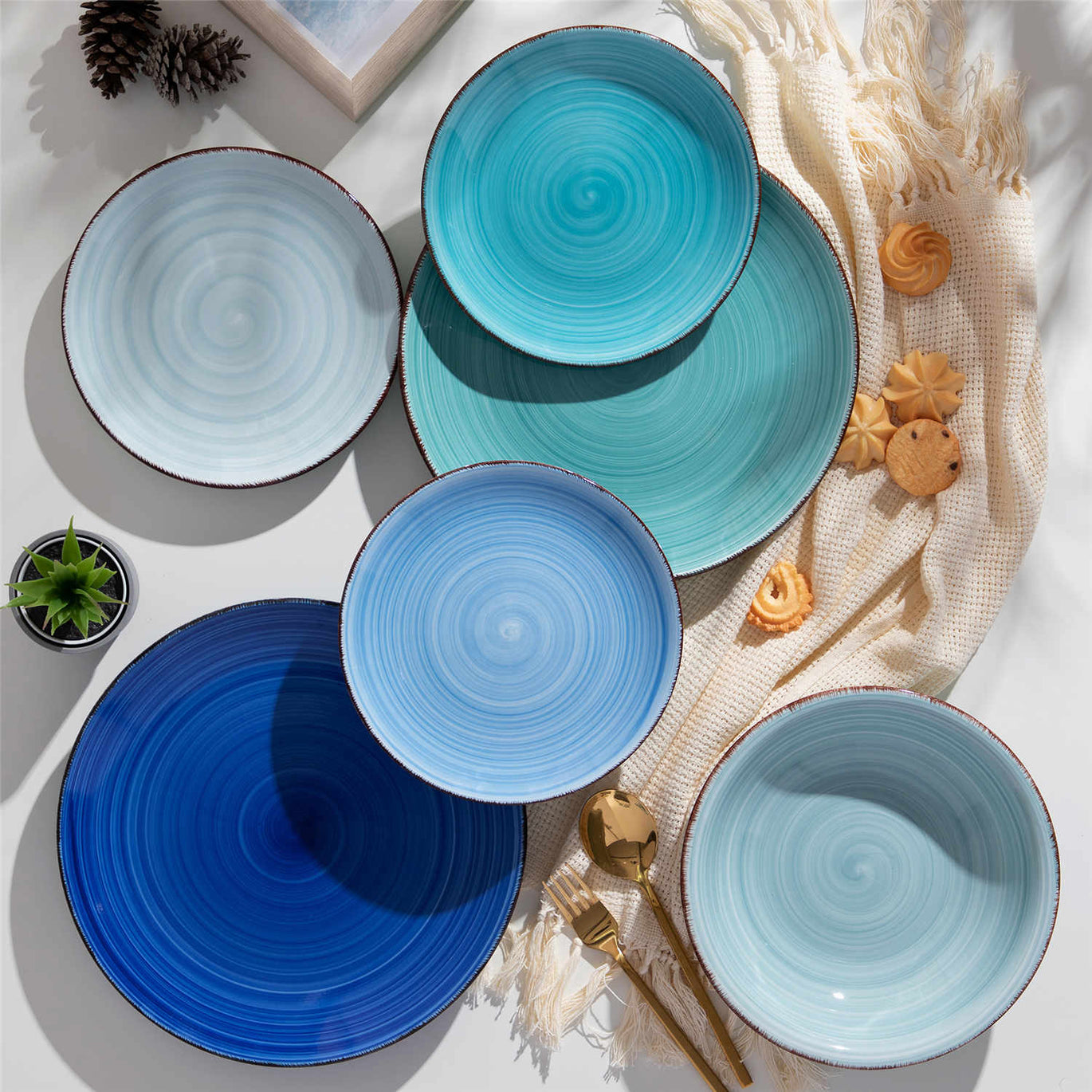


Why Gardeners Love Plant‑Patterned Ceramic Tableware

Gardening does something magical to the way you see the world. Once you’ve watched a tomato ripen from tight green marble to sun-warmed red jewel, a supermarket plate of pasta feels… incomplete. Gardeners know that food has a story, and they want their table to tell it. That is exactly where plant‑patterned ceramic tableware shines: it is the tabletop equivalent of a thriving border bed, full of leaves, tendrils, and texture.
In my own garden-to-table gatherings, I’ve seen quiet weekday dinners turn into little celebrations simply because the salad landed on a fern-framed plate or the dessert nestled into a bowl ringed with citrus blossoms. It is not just cute. Research on plate patterns, plus a growing body of work on ceramics, sustainability, and indoor greenery, all point to real reasons gardeners gravitate toward leafy, botanical ceramics.
Let’s dig into those reasons in a way that is both artful and deeply practical.
Gardeners, Plates, and the Indoor Jungle Moment
Indoor gardening has exploded, especially for people in dense cities or small homes who want a slice of nature inside. Articles on ceramic planters and vases describe ceramic containers as the go‑to choice for this movement, because they are made from fired clay, offer good breathability for roots, regulate temperature, and come in an enormous range of colors and textures. Sources focused on home and garden décor note that ceramic planters and vases bring a timeless, elegant look in natural tones that fit both modern and rustic interiors while supporting plant health.
At the same time, ceramic décor in general is having a moment. Ceramic brands describe post‑pandemic homes as sanctuaries, and recommend clay-based pieces—planters, bowls, vases, statement objects—to create calming, personality-filled spaces. They frame ceramics as a way to bring the grounding qualities of earth indoors and to anchor mindfulness rituals with items like incense bowls and flower vases.
If you are already surrounding your living room and patio with ceramic plant pots and vases, reaching for plant-patterned ceramic plates is a natural next step. It extends the same materials and motifs from potting bench to dinner table, so the meal feels like part of the garden rather than something separate.
What Exactly Is Plant‑Patterned Ceramic Tableware?
Ceramic tableware simply means dishes and serving pieces made from clay and other natural minerals that have been shaped and fired at high temperatures. Multiple sources describe ceramic dinnerware as durable, non‑porous, and practical for everyday use, often safe in microwaves and dishwashers when produced and glazed correctly. Makers use techniques like slip casting in molds for consistent plate shapes, wheel throwing for more organic forms, and hand building for intricate pieces such as teapots and display platters.
Plant‑patterned ceramic tableware adds botanical art to that foundation. The “canvas” of the plate or bowl is decorated with leaves, vines, flowers, herbs, branches, or even stylized vegetables and fruits. As ceramic design articles explain, patterns and textures are often created with stamps, decals, or hand painting before the final firing. Some patterns feel classical and orderly, with clear, symmetric motifs; others are expressive and painterly.
The material underneath is still the same clay‑based ceramic praised for:
Durability and long service life, especially when vitrified and high‑fired.
Thermal stability that helps keep hot dishes warm and cold dishes cool.
Non‑porous, food-safe surfaces when lead-free glazes and reputable manufacturers are used.
Ceramic décor and dinnerware sources emphasize that well-made ceramics are also relatively easy to clean and maintain and can be used across casual and special-occasion settings. The plant pattern is an aesthetic layer that speaks especially strongly to people who spend their free time coaxing things to grow.

Reason One: Botanical Ceramics Extend the Garden’s Calm, Positive Energy
Ceramic décor pieces are often framed as tools for creating peaceful, uplifting environments. One article on ceramic décor describes ceramics as natural, earth-based objects that bring a grounding connection to nature indoors, reducing stress and enhancing a sense of harmony. Another brand that builds its identity around environmentally responsible pottery emphasizes slow, intentional production and “quiet timelessness,” suggesting that each piece is designed to support long-term calm rather than trend-chasing.
Gardens offer a very similar emotional palette. Longtime potters and ceramic décor brands recommend using ceramic vases, planters, and organically shaped pieces in calming colors to reinforce feelings of refuge and emotional well‑being. When garden motifs appear on plates and bowls—think trailing ivy along the rim, herb silhouettes circling a salad plate, or a single ginkgo leaf in the center—they echo those same sanctuary vibes right where you eat.
For gardeners who already treat their homes as plant-filled retreats, this continuity matters. When the same material that holds your fern or rosemary—the same cool, smooth ceramic—also frames your soup or fruit, your brain reads the whole space as one coherent, nature-forward environment. That is why ceramic planters, vases, and plant‑themed plates often appear together in design guidance: they build a layered, plant-centric story through a room.

Reason Two: Beautiful Plant Patterns Can Change How Food Tastes (In Your Mind)
It is tempting to say pattern is “just decoration,” but research suggests otherwise. A peer-reviewed paper titled “Tasting More Than Just Food,” archived on the National Library of Medicine, explored how plate patterns influence perception of tastiness, healthiness, and other sensory attributes. The researchers categorized plate designs into classical aesthetics (orderly, clear, symmetrical patterns) and expressive aesthetics (more unusual, emotionally charged designs), and then had participants rate identical foods served on plates that varied in beauty and style.
In one experiment, high‑beauty plates significantly boosted rated tastiness and healthiness of the same food, with strong statistical effects. Another experiment with 136 participants found that beauty increased perceived sweetness, greasiness, and overall tastiness. Pattern type alone did not always have a main effect, but the interaction mattered: food on less beautiful expressive plates received the lowest scores, while food on beautiful expressive plates performed as well as food on beautiful classical plates.
For gardeners, plant‑patterned ceramics can tap directly into these dynamics. Botanical motifs naturally lend themselves to both classical and expressive aesthetics. You might choose:
A classical herb wreath circling the rim of a plate, clear and orderly.
A more expressive jungle of overlapping leaves around a bowl, full of motion and color.
Guidance from tableware specialists on colors and patterns aligns with this research. They note that warm colors like red, yellow, and orange tend to stimulate appetite and a cozy feeling, while cool greens and blues evoke calm. They also caution that overly busy patterns can distract from the food, recommending simpler patterns for already colorful dishes and allowing bolder motifs to shine when the food itself is more neutral.
A home cook’s perspective shared in a discussion about plate choice echoes this: most chefs lean toward plain white plates so the food stands out, but a beautifully designed bowl can enhance simple dishes like pureed soups where the food’s surface is plain. For gardeners, plant‑patterned ceramics hit a sweet spot when they are beautiful but not chaotic, enhancing the sense of “fresh, green, and healthy” without stealing the show from your roasted carrots or basil‑flecked pasta.

Reason Three: Ceramic Is Functionally Fantastic for Garden‑to‑Table Meals
Beyond beauty, gardeners tend to be pragmatic. If something chips, warps, or leaches chemicals, it does not matter how cute the leaf print is. Research into ceramic dinnerware, however, consistently highlights its functional strengths.
Articles on ceramic tableware list several key benefits.
Ceramic has excellent thermal properties. It retains heat well, keeping soups, stews, and casseroles warm longer, and also preserves coolness for salads and desserts. This is particularly handy for long outdoor summer meals where you want warm food to stay warm and chilled dishes to resist the sun.
Most modern ceramic dinnerware is microwave-safe, and many lines are also safe for oven use within reasonable temperature ranges. Sources note that ceramic withstands high heat without melting or warping and often provides more even heating than some alternative materials. That makes it ideal for reheating garden leftovers or finishing a gratin right in the dish.
Durability is another core strength. Multiple brands emphasize that high‑fired, vitrified ceramics are chip‑resistant, non‑porous, and suitable for everyday use. One long-established American manufacturer backs its ceramic dinnerware with a two‑year guarantee against chipping under normal use and notes that its pieces are safe in broilers, ovens, microwaves, dishwashers, and freezers. Other makers describe ceramic as tougher than many glass pieces and designed to handle daily bumps without constant replacement.
Ceramic surfaces are generally non‑porous and easy to clean. Décor-focused sources highlight that ceramics resist water stains and do not harbor mites, mold, or bacteria when properly glazed and used, making them both hygienic and friendly for allergy-sensitive households.
Food safety is repeatedly emphasized. Eco-friendly and artisan‐oriented brands stress the importance of using lead‑free, non‑toxic, food-safe glazes. Some highlight their commitment to chemical-free processes and advise customers to check that dishes are explicitly labeled as safe for microwave use and food contact rather than assuming all ceramics meet that standard.
For gardeners who often serve juicy tomatoes, oil-dressed greens, and colorful fruits, those functional benefits add up: plant‑patterned ceramic plates do not just look natural, they behave in ways that support enjoyable, low‑stress meals.

Reason Four: Plant Motifs Frame Garden Produce like Art
Several ceramic and hospitality sources describe plates as a “canvas” for food. The shape, color, texture, and pattern of ceramic dishes directly influence how diners perceive what is served. Rough textures tend to feel rustic, smooth surfaces more refined; plate color can amplify or mute the colors of the food.
Global food presentation trends show a drift away from stark minimalism and strictly white plates toward warmer, handcrafted aesthetics. Restaurants and home cooks alike now favor earthy tones like terracotta and sage, organic shapes, and pottery-like finishes that tell a story about the ingredients. Ceramic brands note that social media has accelerated this shift, because matte glazes, organic forms, and subtle patterns photograph beautifully and help turn meals into visual storytelling.
Plant‑patterned ceramics are almost tailor‑made for gardeners who love that kind of storytelling. Imagine:
A salad of mixed greens on plates ringed with watercolor leaves, where the motif echoes the freshness of the bowl.
Herb‑sprinkled roasted potatoes on plates with tiny sage and rosemary illustrations near the rim.
A berry tart on a plate edged with wildflower drawings, connecting dessert back to the pollinator-friendly border outside.
Color psychology advice from dinnerware experts suggests aligning plate color with the mood and space. Warm botanical patterns with reds and yellows suit cozy farmhouse tables, while cooler green and white motifs fit more minimalist kitchens. Versatile backgrounds like white, cream, or light grey keep the focus on food even when patterns are present, and plant designs can be used sparingly near the rim to avoid crowding the center where food sits.
For gardeners, this is a dream: a plate that can both showcase harvest colors and quietly whisper “this came from the garden.”

Reason Five: Ceramic Aligns with Sustainable, Earth‑Loving Values
Many gardeners care deeply about soil health, biodiversity, and reducing waste. The way ceramic tableware is made can support those values.
An article dedicated to sustainable and eco‑friendly ceramic tableware explains that ceramics are crafted primarily from abundant natural clay, making them a renewable alternative to plastic or disposable paper tableware. It notes that ceramic production often has relatively low environmental impact when manufacturers use energy‑efficient kilns and minimize water usage. Durability and longevity are framed as key sustainability strengths: a well-cared‑for ceramic set can last for years, reducing the need for frequent replacements and the associated waste.
Sustainable pottery discussions go further, describing practices such as using recycled clay, locally sourced minerals, and even alternative inputs like agricultural waste or volcanic ash to conserve natural resources. They emphasize non‑toxic, water-based, lead‑free glazes to protect both artisans and users, as well as energy‑efficient kiln technology and low‑fire techniques to cut fossil fuel use and lower emissions. Waste reduction strategies include reclaiming excess clay and recycling broken pieces in closed-loop systems.
Eco-conscious porcelain producers highlight recycled porcelain that blends broken or discarded pieces with fresh clay, retaining the quality of conventional porcelain while supporting circular economy principles. They also describe zero‑waste collections and biodegradable porcelain alternatives for certain use cases, paired with recyclable or biodegradable packaging.
Ceramic décor brands underline that ceramics are generally long-lasting and recyclable, and that many pieces incorporate recycled materials. They present ceramics as eco‑friendly partly because their durability reduces the churn of short-lived items.
For gardeners, this sustainability story feels familiar. Choosing plant‑patterned ceramic plates is akin to picking perennial flowers or investing in a good compost system: it is a long‑term, earth‑aligned decision that replaces disposable habits with something enduring.
Here is a quick snapshot of how ceramic’s sustainability features map to gardener values.
Sustainability Angle |
Ceramic Evidence |
Why Gardeners Tend To Care |
Natural materials |
Made from clay and minerals, often locally sourced |
Mirrors the use of soil, compost, and natural amendments in the garden |
Longevity |
Durable, long-lived, chip‑resistant when well‑made |
Reduces waste, like choosing perennials over single‑season décor |
Non‑toxic glazes |
Lead‑free, food‑safe finishes highlighted by ethical brands |
Aligns with concern about chemicals in soil, water, and food |
Recycled and closed-loop production |
Reclaimed clay, recycled porcelain, and zero‑waste practices |
Similar to composting and reusing organic matter |
Energy‑conscious manufacturing |
Energy‑efficient kilns and low‑impact firing techniques |
Resonates with efforts to reduce household carbon footprints |
When those sustainable production practices are paired with plant imagery on the surface, the result is a piece of tableware that signals ecological care both inside and out.
Reason Six: Botanical Tableware Plays Nicely with Planters, Vases, and Indoor Greenery
Guides on ceramic planters for indoor plants describe several advantages: breathability that supports air circulation around roots, stable temperatures that buffer against heat or cold, and weight that helps prevent tall plants from tipping. Plates or saucers under pots are recommended to catch excess water, protect surfaces, and even create a small humidity zone around the plant.
Design-focused articles on ceramic planters and vases stress their aesthetic role as well. They point out that ceramic containers come in many shapes and colors, from minimalist neutrals to hand‑painted florals, and that they visually elevate even simple plants. A well-chosen planter can turn a basic houseplant into a focal point in the living room or on the dining table.
Gardeners who already know and trust ceramic for their pots are therefore predisposed to appreciate ceramic on the table. Plant‑patterned plates echo the motifs in nearby planters, creating a cohesive visual rhythm: vines on the pot, vines on the salad plate; fern fronds in the vase, fern silhouettes on the dessert dish.
Some manufacturers even highlight the functional versatility of ceramic dinnerware beyond the dining table, noting that mugs and bowls can be repurposed as indoor planters or organizers, while small dishes corral jewelry or office supplies. To a gardener, this flexibility is appealing: yesterday’s plant‑patterned soup bowl might become tomorrow’s propagation station for cuttings.

Pros and Cons: Is Plant‑Patterned Ceramic Always the Right Choice?
No material or design is perfect for every gardener or every meal. The research does point to some real trade‑offs to consider, especially if you are building a collection from scratch.
On the plus side, ceramics score high on durability, heat retention, aesthetic value, and perceived quality. Comparative discussions of pot materials note that ceramic containers have high durability and good drainage when designed with holes, while also offering high aesthetic value. Ceramic tableware sources echo this: high‑fired sets withstand daily use, retain temperature well, and present food attractively.
However, those same comparisons also point out that ceramic is heavier than plastic or many metals. That weight is great for stability but can make stacks of large plates or oversized serving platters harder to move, especially to an outdoor dining area. Ceramic is also breakable. Even with chip‑resistant formulations and guarantees, drops onto hard surfaces can result in chips or cracks.
Pattern brings its own set of pros and cons. Plant motifs add personality and visual joy, and research shows that beautiful plate patterns can boost perceived tastiness and healthfulness. Yet tableware experts and chefs warn that overly busy designs may compete with the food visually, particularly when dishes are already colorful or intricate. Gardeners who grow rainbow tomatoes and multicolored salads may find that simpler botanical patterns near the rim, on a neutral background, work better than dense all‑over prints.
Here is a conceptual comparison tailored to gardeners.
Factor |
Plant‑Patterned Ceramic |
Plain White Ceramic |
Lightweight Non‑Ceramic Everyday Ware |
Visual connection to plants |
Strong, with leaves, herbs, flowers on the surface |
Subtle, relies on food and greenery around the plate |
Weak, usually minimal or generic patterns |
Durability and lifespan |
High when well‑made; can chip if dropped |
High, similar |
Varies widely; some plastics stain or warp over time |
Weight and handling |
Heavier; stable but less portable |
Similar |
Light and easy to carry, but can feel less substantial |
Presentation of garden produce |
Enhances “fresh and green” story when patterns are well chosen |
Keeps absolute focus on the food |
Depends on design; often less visually rich |
Sustainability story |
Strong when made with natural, non‑toxic, or recycled materials |
Strong, same as above |
Mixed; some options are sustainable, others not |
For many gardeners, the pros of plant‑patterned ceramic—especially aesthetic resonance and sustainability—overwhelm the cons. But knowing the trade‑offs helps you buy consciously rather than impulsively.
How Gardeners Can Choose Plant‑Patterned Ceramic Tableware Wisely
Choosing plant‑patterned ceramic pieces can feel as nuanced as choosing the right plant for the right place. The same principles that guide good gardening—match, context, and care—apply here, and research offers some clear pointers.
Match Pattern Style and Density to Your Food
The plate pattern study on the National Library of Medicine showed that beauty matters more than pattern category alone. Beautiful expressive and beautiful classical patterns both boosted tastiness and healthiness ratings, while less beautiful expressive designs did poorly. At the same time, tableware advisors caution that busy patterns can overshadow the food.
For gardeners, that suggests an approach similar to companion planting. Pair simple, mostly green dishes—such as a lettuce salad or a creamy soup—with more expressive botanical plates where leaves and flowers take up more of the rim. For vibrantly colorful harvest dishes, such as roasted root vegetables or fruit salads, lean toward classical, orderly plant motifs with more open space or keep the pattern near the edge so the center stays calm.
Use Color Psychology to Support the Mood
Dinnerware experts explain that warm colors like red, yellow, and orange tend to stimulate appetite and create a sociable feeling, while cool blues and greens emphasize calm. They also note that white, cream, and light grey are the most versatile because they let food remain the visual focus.
A gardener’s version of this might be:
Use warm-toned plant motifs—sunflowers, marigolds, autumn leaves—for lively gatherings or holiday feasts.
Choose plates with green foliage on white or pale backgrounds for serene everyday dinners and breakfast tables that sit near your indoor jungle.
Coordinate plate colors with your table and surrounding planters, much as you would coordinate flower colors and foliage in a bed.
Check Material and Safety Details
Eco-conscious ceramic brands repeatedly stress the importance of lead‑free, non‑toxic glazes and transparent manufacturing. Some outline their use of water-based glazes and testing to ensure no harmful chemicals leach into food. Others advise checking whether a piece is explicitly labeled as microwave safe or oven safe, because metallic or delicate glazes may not tolerate high heat.
When you fall in love with a plant‑patterned plate, look for information about glaze composition, food safety, and temperature guidelines. Established dinnerware manufacturers that emphasize safety and offer guarantees provide an extra layer of reassurance.
Think About Size, Shape, and Everyday Use
Guidance on ceramic dinner sets reminds buyers to match plate size and shape to serving habits. Large dinner plates can make small portions look sparse, while smaller plates create a sense of abundance. Bowls with higher sides keep saucy pastas and leafy salads contained; shallow plates suit composed vegetable dishes where arrangement matters.
For gardeners, it can be helpful to picture the actual harvest. If you often serve towering salads, deep bowls with leaf motifs around the exterior might be ideal. If you plate thin slices of tomatoes or cucumbers in careful patterns, wide-rimmed plates with subtle plant borders leave room for artistry.
Because ceramic is heavier than plastic, consider how far your plates travel. If most meals are at an indoor table, weight is less of an issue. If you regularly carry stacks outside to a patio, slightly smaller or thinner pieces may be more comfortable.
Plan for Care and Longevity
Articles on ceramic care emphasize simple but consistent habits: regular cleaning to prevent buildup, gentle cleaners that respect hand‑painted surfaces, and occasional checks for chips or cracks. One planter-focused guide suggests using a mild mix of water and vinegar to clean ceramic surfaces, a tip that can be adapted for the undersides and backs of plates where mineral deposits sometimes accumulate.
The sustainability literature reminds us that ceramic’s environmental advantage depends partly on its long life, so treat plant‑patterned pieces as you would a favorite tool: store them thoughtfully, avoid abrupt temperature shocks, and be mindful when stacking.
FAQ
Are plant‑patterned ceramic plates safe for everyday use?
Ceramic dinnerware is generally considered safe for daily meals, especially when made by reputable manufacturers who use lead‑free, food‑safe glazes and test their products against safety standards. Articles on eco‑friendly and artisan ceramics repeatedly emphasize the importance of non‑toxic, water-based glazes and encourage consumers to check labels for food-contact and microwave suitability. If a plant‑patterned plate is clearly sold as dinnerware rather than purely decorative, and the maker highlights safety and compliance, it is intended for everyday use. When in doubt, favor brands and potters who explicitly discuss their materials and firing processes.
Will leafy, busy patterns distract from my beautiful harvest dishes?
They can, depending on how intense the pattern is and what you are serving. Culinary voices and dinnerware designers both note that highly decorative plates may compete with the food visually, while plain or lightly patterned plates keep the focus on the dish. Research on plate patterns shows that beauty, not maximalism, is what enhances perceived tastiness. For gardeners, the sweet spot is often a balanced design: botanical motifs placed near the rim or in small clusters, with generous open space in the center for your vegetables and herbs to shine.
Are plant‑patterned ceramics really more eco‑friendly than other options?
Ceramic tableware made from natural clay, fired with energy‑efficient methods, and finished with non‑toxic glazes is widely presented as an eco‑friendly alternative to plastic or disposable paper. Sustainability-focused pottery and porcelain producers describe using recycled clay and recycled porcelain, closed-loop systems that reclaim waste, and minimalist, long‑lasting designs that reduce the need for replacement. Because ceramics are durable and can last for years when cared for, they generate less waste over time than frequently replaced low‑quality pieces. If your plant‑patterned set comes from a maker who talks openly about these practices, it lines up well with gardener values around conservation and stewardship.
A Colorful Closing from the Tabletop Garden
When you put a branch of cherry tomatoes on a vine‑edged plate or pour herb‑flecked soup into a bowl wrapped in leaves, you are not just matching the dish to a pattern. You are closing a loop—from soil to plant to plate to story. Plant‑patterned ceramic tableware lets gardeners carry their favorite landscape right onto the table in a way that is beautiful, practical, and deeply aligned with earth‑loving values. It is dinnerware as a tiny, joyful garden, ready to be replanted with every meal.
References
- https://pmc.ncbi.nlm.nih.gov/articles/PMC8997541/
- https://www.28ceramics.com/blog-eco-friendly-porcelain-dinnerware-sustainable-choices-for-green-living.html
- https://mysacraft.com/index.php?route=blog/article&article_id=20
- https://ekaceramic.com/5-ways-ceramic-dinnerware-is-shaping-global-food-presentation-trends/
- https://www.happygodinnerware.com/Dinner_Plates/How_Can_Chain_Restaurants_Use_Ceramic_Presentation_to_Improve_Customer_Experience_and_Brand_Reputati.html
- https://ourgoodbrands.com/sustainable-pottery-how-eco-friendly-ceramics-shape-industry/
- https://arbhuenterprises.com/blog/top-10-ecofriendly-tableware-options-for-sustainable-dining/
- https://www.biggle.ca/blogs/news/upgrade-your-home-with-stunning-ceramic-items?srsltid=AfmBOoo0bv_Vnf6vL2mDZYc5s-vjB1OEes8kE8QY7ivpmUC5ETFi2toi
- https://claymistry.com/blogs/news/why-ceramic-decor-is-the-hottest-trend-for-positive-energy-in-modern-homes?srsltid=AfmBOorvJznzWwKRgXXt5pSMxq22YL4E2Yhw6orY2XsqLYoOGRpI3TTv
- https://deckers-nursery.com/garden-learning-center/indoor-plant-pottery-decor-tips/
También te puede interesar
Stern Juego de vajilla de 16 piezas
- Desde €72,95
€96,95- Desde €72,95
- Precio unitario
- por
-
Blue
-
Green
-
Red
-
Grey
Bonita Juego de vajilla de 18 piezas
- Desde €60,95
€74,95- Desde €60,95
- Precio unitario
- por
-
Blue
-
Multicolor
Simi Juego de vajilla de 24 piezas
- €96,95
€129,95- €96,95
- Precio unitario
- por
Starry 16 Piece Juego de vajilla
- €73,95
€86,95- €73,95
- Precio unitario
- por
-
Blue
-
Green
-
Red
-
Gradient Green