



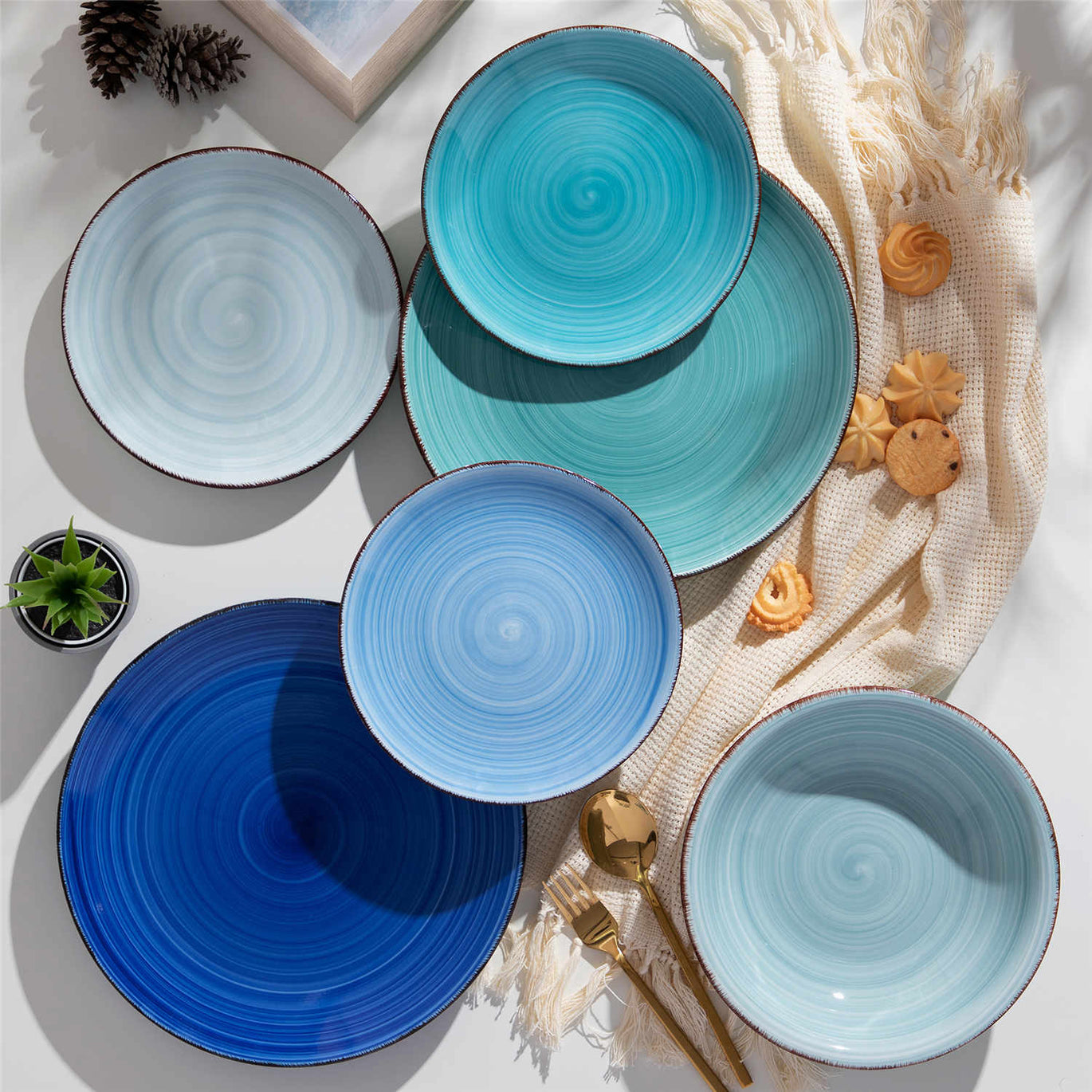


Essential Guidelines for Storing Ceramic Tableware in Siberian Permafrost

Imagine opening a cupboard in the middle of a Siberian winter. Outside, the world is frozen hard and glittering, but when you pull out a plate, it is pristine, chip-free, and ready to frame steaming borscht or a technicolor salad. That is the dream: a colorful tabletop life, even when the ground itself is locked in permafrost.
Storing ceramic tableware in deep cold is not only possible, it can be joyful and efficient when you understand how ceramics behave. Potters, collectors, and manufacturers have already tested ceramics in harsh winters, unheated buildings, grain bins, storm seasons, and freezers. Drawing on their experience, plus practical design and organizing wisdom, you can build a storage system that is both permafrost-tough and delightfully aesthetic.
This guide walks through the essential science, the real-world cold-climate lessons, and the design decisions that keep your plates, bowls, and mugs safe in Siberian-level cold.
Why Permafrost Storage Is Its Own Beast
Permafrost and deep winter introduce two forces that matter dearly to ceramics: cold and moisture. The cold itself is not the villain you might expect. Multiple ceramic experts have found that pottery can live happily in unheated buildings and extreme temperatures if one condition is met: the pieces stay dry.
An expert writing for the Red Wing Collectors Society described storing a pottery collection for nearly twenty years in an unheated, uncooled building where temperatures swung from summer heat above 100°F down to about -5°F. The collection remained fine because the space was dry and the pottery was not sitting on damp concrete. The same expert was clear that moisture, combined with freezing, is what causes serious damage.
Ceramic Arts Network, discussing outdoor ceramic art in cold-winter regions, explains why. Even tiny amounts of water in a clay body expand when they freeze. That expansion builds internal pressure and can crack or break the piece. The article emphasizes that it is practically impossible to keep all water out of ceramic objects completely; microscopic pores and small cracks always exist. Freeze–thaw cycles, where water enters, freezes, thaws, and repeats, are especially destructive.
Permafrost regions complicate this story. The ground itself stays frozen for long periods, and unheated storage can mirror outdoor temperatures. The good news is that long stretches of consistent deep cold are often less damaging than repeated cycles around freezing. The bad news is that moisture from leaks, condensation, or poor packing can still find its way into ceramics or their packaging and then turn into destructive ice.
In other words, storing your tableware in Siberian permafrost conditions is not about fighting cold. It is about choreographing cold, moisture, and mechanical stress so that nothing gets trapped, shocked, or crushed.
Know Your Players: Ceramic Types in the Cold
“Ceramic tableware” is an umbrella for several different clay bodies and finishes. How each one behaves in deep cold depends on how it was fired and how porous it is.
Manufacturers and ceramic guides such as HF Coors, Portmeirion, Vancasso Tableware, and museum and conservation sources highlight differences among earthenware, stoneware, porcelain, and bone china. At the same time, outdoor pottery specialists and frost-proofing guides from sources like Ten Thousand Pots and Moana Nursery demonstrate which materials cope best with winter.
Here is a simplified overview.
Ceramic type |
Typical character in use |
Behavior in cold storage |
Practical permafrost notes |
Earthenware |
Often thicker, more porous, casual everyday or decorative pieces |
Absorbs more moisture, more vulnerable to freeze–thaw damage and staining |
Treat as the most fragile in deep cold; keep extra dry and well padded, and favor indoor or more tempered storage when possible |
Stoneware |
High-fired, dense, often “workhorse” dinnerware |
More durable and less porous than earthenware, especially when well glazed |
A strong candidate for unheated, permafrost-like storage if kept dry and protected from thermal shock and heavy pressure |
Porcelain |
Fine, vitrified, often thin but strong |
Very dense surface but can develop fine cracks where water enters; vulnerable to sudden temperature shifts and impact |
Great for cold storage when well padded; avoid rapid hot–cold transitions and high stacks |
Bone china |
Lightweight porcelain with bone ash, typically very refined |
Strong yet thin, with delicate rims and handles that dislike impact and heavy stacking |
In deep cold, treat like jewelry: short stacks, excellent padding, and preferably kept closer to controlled interior zones |
HF Coors describes its vitrified dinnerware as non-porous, freezer-safe, and resistant to stains and moisture. At the same time, Ceramic Arts Network reminds us that even dense, highly fired clay bodies are not automatically freeze-proof. Microscopic cracks can let water in, and if that water cannot move out as it freezes, the result can be breakage.
The takeaway is that stoneware and porcelain are your best allies for Siberian storage, especially when made as vitrified dinnerware. Earthenware and very delicate bone china can still be stored in permafrost conditions, but they need more thoughtful planning and protection.

The Three Core Rules: Dryness, Gentle Loads, and Slow Temperature Changes
All the cold-climate stories and manufacturer guidelines keep circling back to three principles. Think of these as your deep-freeze commandments.
First, dryness. Red Wing’s storage guidance is blunt: temperature extremes alone usually do not harm pottery if everything stays dry. Moisture, especially in combination with freezing, is the real danger. Vancasso’s storage advice echoes this for dinnerware, emphasizing that dishes should be completely dry before storage to avoid water spots, mold, and long-term glaze damage. Portmeirion adds that prolonged soaking and trapped water can cause crazing, those delicate spider-web lines in the glaze that result from water entering the body and expanding in high-temperature dishwashers.
For permafrost storage, dryness means more than towel-drying. It means letting pieces air out until they are bone-dry, avoiding damp wrapping materials, keeping boxes off cold, sweating floors, and choosing storage containers that do not trap humidity against the ceramic.
Second, gentle loads. Almost every storage article, from Architectural Digest’s museum-informed china care to Noritake, Vancasso, and Life at Bellaterra, warns about over-stacking plates and stacking cups. Heavy stacks concentrate weight on the bottom piece and magnify any tiny imperfection into a chip or crack. Museum-style practice calls for short stacks with dividers between each plate, padding under stacks, and cups stored in compartments rather than nested in towers.
In cold conditions, gentle loading matters even more. A storage company guide on winter units notes that glass and ceramic items become more prone to cracking under pressure when they are cold and recommends placing them near the top of stacks, carefully wrapped, with stable support beneath. In other words, your plates and bowls should never be the buried foundation under boxes of books and hardware in a frozen shed.
Third, slow temperature changes. Manufacturers such as HF Coors and Portmeirion, along with care guides from Saje Rose and Vancasso, repeat a similar caution: avoid sudden temperature changes. Thermal shock happens when one part of a ceramic piece heats or cools much faster than another. In the Houzz story of the mug that exploded in a snowy yard, boiling-hot water met air around -13°F with fierce wind chill. The cup and handle separated under that brutal, instant stress.
Pottery frost-proofing articles translate that lesson into outdoor winter practice: keep pots and ceramics away from vents and hot-cold blasts, let them come to room temperature before putting them into very hot environments, and avoid fast swings between cold and heat. In permafrost life, that means you do not pull a plate from a near-freezing shed and immediately pour bubbling stew onto it. You let it warm gently in a more moderate space first.

Designing Your Permafrost Storage Zones
Permafrost living is a game of zones. You might have a warm kitchen, a cool but above-freezing interior pantry, and somewhere truly cold: an unheated porch, a detached storage room, a buried container, or a shed sunk into frozen ground.
Ceramic and storage experts offer some strong clues about which spaces suit which pieces.
Architectural Digest recommends storing fine china in stable interior spaces, away from attics, basements, exterior walls, and direct sunlight, to avoid swings in temperature and humidity. That is your gold standard. In a Siberian home, this might be a cabinet on an interior wall or a glass-front hutch in a room that stays heated most of the time.
The Red Wing experience with an unheated building shows that an unconditioned structure can work if it is dry and leak-free and if the pottery is elevated off the floor. A self-storage guide for winter storage suggests putting a tarp on the concrete floor, then raising boxes and totes on wooden crates or pallets. They also favor plastic totes over cardboard to reduce moisture absorption and recommend especially careful wrapping for glass and ceramic items.
Outdoor pottery guides from Ten Thousand Pots and Moana Nursery add another layer for true deep-freeze conditions. They suggest insulating pottery with materials like bubble wrap or burlap and then shielding everything with a waterproof tarp or plastic sheeting that reaches to the ground and is secured against wind. Drainage, pot feet, and negative space inside pots help water move away from ceramic walls and prevent outward pressure when frozen.
Translating all of this to dinnerware storage in Siberian permafrost, a workable zoning strategy might look like this.
Storage zone |
Best candidates |
Key risks |
How to tame it |
Interior heated cabinet or hutch |
Finest porcelain, bone china, most beloved everyday plates |
Limited space |
Use dividers and plate racks; keep stacks short; enjoy these pieces regularly |
Cool but above-freezing pantry or interior closet |
Sturdy stoneware sets and everyday mugs |
Moderate temperature swings |
Keep shelves lined with non-slip padding and avoid overcrowding; still dry thoroughly before storing |
Unheated but dry room, shed, or container in permafrost |
Extra stoneware, durable vitrified dinnerware, serving pieces |
Deep cold, possible condensation on floors or walls |
Elevate everything on pallets or shelves, use plastic totes with padding, and keep well away from leaks |
Fully outdoor or semi-exposed spaces |
Large decorative platters used as decor, hardy ceramics inspired by garden pots |
Direct moisture, wind, snow loads |
Treat more like outdoor pottery: insulate, cover, allow drainage, and keep only what you are prepared to lose if weather is more intense than expected |
The glamorous goal is not to shove everything into the warmest room. It is to match each piece’s sensitivity with the right storage zone and then style each zone so it still makes you smile when you open a door.
Preparing Your Tableware Before It Meets the Deep Freeze
You would not step onto a frozen lake without checking the ice. Your ceramics deserve the same pre-season ritual before a long stay in permafrost-like conditions.
Start with a spa-level clean. Care guides from HF Coors, Portmeirion, Saje Rose, and others agree: treat ceramic surfaces gently. Use warm water and mild dish detergent or a gentle, non-abrasive cleanser. Avoid harsh scouring pads and aggressive powders that can scratch the glaze and weaken the surface. Rinse well so no detergent film remains.
Then dry more thoroughly than you think you need to. Multiple sources emphasize that air-drying alone is not enough before long-term storage. Saje Rose and Vancasso recommend drying each piece with a soft, lint-free cloth, making sure no moisture is left in crevices. Portmeirion points out that trapped water can later contribute to crazing, especially when pieces go through high-temperature dishwasher cycles. In a permafrost environment, that trapped water also becomes a freeze–thaw hazard.
After toweling, give your pieces some time on a rack or clean towel to air out completely. Think of it as letting them acclimate and breathe before you tuck them into cocoons of padding and plastic.
Next comes inspection. Look closely for fine cracks, known as crazing, and any existing chips or hairline fractures. Saje Rose suggests that minor chips can sometimes be repaired with food-safe epoxy, but deeper cracks that compromise structural integrity are better handled by replacing the piece for safety. For permafrost storage, heavily crazed or cracked pieces are best kept in more controlled spaces, not pushed into the harshest outposts.
Now you build the padding. Across many sources, a consensus emerges on what works.
Architectural Digest and Life at Bellaterra recommend felt pads, foam sheets, or acid-free tissue between each plate. Noritake and Vancasso talk about felt or silicone separators and microfiber cloths as cushioning layers. A Facebook community of porcelain lovers praises felt liners sold in home-improvement stores for placing between stacked dishware. Life at Bellaterra advises against newspaper because ink can bleed and stain patterns; Architectural Digest and Vancasso similarly steer you toward acid-free or unprinted paper.
With padding in place, you create stacks that are short and sensible. Noritake suggests limiting stacks to roughly four to six plates; Life at Bellaterra recommends about eight. Architectural Digest notes that heavy stacks increase pressure and cracking risk and warns against putting large or heavy pieces on top of delicate ones. Vancasso encourages stacking in descending size order so weight is distributed more evenly.
Cups and mugs deserve their own strategy. Some storage guides recommend hanging mugs by their handles; others, including Vancasso, caution that this stresses the handle attachment over time. Museum-style advice tends to favor storing them upright on their bases, in compartmented or padded containers that protect rims and handles from bumping each other. For permafrost storage, where cold can make materials less forgiving, treating mugs as tiny sculptures in padded compartments is the safer, more joyful choice.
Finally, choose containers and placement suitable for deep cold. A winter storage guide prefers plastic totes over cardboard because plastic resists moisture better and is less likely to grow soggy or moldy. Vancasso and Life at Bellaterra both like padded plate cases and compartmented stemware bins. Moana Nursery and Ten Thousand Pots show how bubble wrap and similar padding can be used as insulation. For permafrost-level storage, rigid plastic totes with inner padding, raised up on pallets or shelves, bring this wisdom together in a practical package.

Living With Permafrost: Using Cold-Stored Tableware Safely
Storage is only half the story. The thrill of a colorful tabletop is in the moment you pull pieces out of their icy sanctuary and put them to work.
The main rule from ceramic manufacturers and care guides is simple: never shock a cold piece with sudden heat. HF Coors highlights “avoid extreme temperatures” as a core principle for chip and crack prevention. Saje Rose and Vancasso each describe temperature shock as a key enemy and advise that ceramic plates should not be thrown from freezing into extreme heat. Portmeirion recommends avoiding very hot dishwasher cycles and notes that crazing can be linked to water expansion at high temperatures.
In permafrost life, that means planning a gentle warm-up. If your plates have spent weeks in an unheated shed where temperatures stay far below freezing, bring them into a cool but above-freezing room first. Let them sit until they feel closer to room temperature before serving very hot food or placing them near an oven. Avoid putting a near-frozen plate into a hot oven or microwave unless the manufacturer specifically states that it is freezer-to-oven safe and you follow their instructions carefully.
HF Coors explicitly describes its vitrified dinnerware as freezer-safe and designed to handle normal kitchen conditions including oven and dishwasher use. That does not mean every brand shares that capability. For mixed collections, treat the entire group according to the most delicate member unless you know a specific piece is labeled for freezer and high-heat use.
The same caution applies in reverse. If you use ceramics in hot settings, such as plates warmed in an oven or pots used for cooking, do not send them directly back into permafrost storage while they are still hot. Allow them to cool slowly to room temperature before you move them into very cold spaces, or they could experience reverse thermal shock and crack as they hit the deep cold.

Permafrost Storage: Pros and Cons Compared to Indoor Cabinets
Why even bother with permafrost storage for tableware? Sometimes the answer is simple space: small apartments, shared kitchens, or off-grid cabins often need the deep-freeze outbuildings as overflow storage. Other times, it is about rotating seasonal pieces or outdoor dining sets.
A quick comparison helps clarify what you gain and what you risk.
Aspect |
Climate-controlled cabinet |
Permafrost-like unheated storage |
Temperature |
Moderate and relatively stable |
Deep cold, following outdoor swings |
Moisture risk |
Lower if indoors and ventilated |
Higher if leaks, condensation, or damp floors occur |
Convenience |
Easy access, good for frequent use |
Less convenient for daily access; better for long-term or seasonal storage |
Risk of freeze–thaw damage |
Low, if pieces stay above freezing |
Moderate if moisture is present and temperatures cross freezing; lower if consistently below freezing and dry |
Capacity and flexibility |
Limited by interior space |
Often larger, good for backup sets and serving pieces |
Ceramic, storage, and conservation experts converge on a simple conclusion. Use the most stable indoor spaces for your finest, most sentimental, and frequently used pieces. Use the permafrost-level spaces for durable, well-prepared ceramic sets when you need extra capacity, and only when you can keep them properly padded, elevated, and dry.
Common Mistakes When Storing Ceramics in Deep Cold
Seeing what goes wrong for others is one of the fastest ways to refine your own system. The stories and guides behind this article share several recurring missteps.
One mistake is trusting concrete floors. Both the Red Wing pottery expert and winter storage professionals warn against placing boxes or pottery directly on concrete. In cold climates, concrete can hold moisture and transfer it into boxes and ceramics, especially near floor edges. Raised wooden pallets, shelves, or even a thick insulating layer with crates on top reduce that risk.
Another mistake is putting damp dishes away. Care guides from Saje Rose, Vancasso, and Portmeirion all stress that storing dishes even slightly wet can lead to bacteria growth, staining, mold, and glaze problems. In permafrost conditions, dampness also becomes a freeze–thaw issue. Always dry and then give pieces extra time to air before packing.
A third error is using the wrong paper. Life at Bellaterra, Architectural Digest, and Vancasso all caution against newspaper because ink can bleed and permanently stain patterns. Acid-free tissue, unprinted packing paper, felt, or foam dividers are safer choices and bring a satisfying sense of ceremony to your packing ritual.
Overstacking is another regular culprit. Noritake and Vancasso point out that tall stacks magnify pressure and sliding, leading to scratched glazes and cracked rims. Life at Bellaterra sets a practical limit of around eight plates per stack, and Architectural Digest warns against putting heavy platters on top of smaller pieces. In the cold, where ceramics become slightly less forgiving, modest stack heights and generous padding are especially important.
Finally, people often underestimate how brittle things feel when cold. The winter storage guide notes that glass and ceramics in unheated units are more prone to cracking under pressure, especially if placed at the bottom of heavy stacks. In permafrost storage, let your ceramics be the honored guests: carefully wrapped, cushioned, and near the top of arrangements, not the frozen foundations under toolboxes and crates.
Short FAQ: Ceramic Tableware in Siberian-Level Cold
Q: Can I store my everyday stoneware plates in an unheated shed all winter? If the shed is dry, leak-free, and you elevate the plates on shelves or pallets with good padding and short stacks, many stoneware sets can handle deep cold, as long as they do not go through repeated cycles of getting wet and then freezing. Experience from pottery collectors and outdoor ceramic art makers suggests that dryness and controlled moisture are more important than cold alone. For your most loved everyday plates, consider splitting the set, keeping some in a heated cabinet and some in carefully prepared permafrost storage.
Q: Do I need a heated, climate-controlled unit just for my dishes? Not necessarily. A climate-controlled cabinet is ideal for fine porcelain and heirloom pieces, but guidance from collectors and storage professionals suggests that durable ceramics can live safely in unheated spaces when the environment is dry, stacks are sensible, and padding is generous. Items that would not be safe left outside in winter, such as electronics, usually do require heated storage, but dishes fall more into the category of “fine if you respect moisture and mechanical stress.”
Q: Is it safe to freeze greenware or unfired clay pieces in permafrost conditions? Greenware, meaning unfired clay that still contains bound and sometimes free water, is substantially more vulnerable than finished tableware. Potters discussing freezing greenware explain that water expansion during freezing can create microcracks or visible fractures, especially in damp or thick sections, and repeated freeze–thaw cycles make this worse. Bone-dry greenware may sometimes survive cold storage, but it is still more fragile than fired ceramics. For Siberian-style conditions, keep greenware and unfired clay wares in the most stable indoor environment you have and reserve permafrost storage for fully fired, glazed tableware.
When you combine ceramic science with an eye for beauty, Siberian permafrost becomes less a threat and more a design constraint. Dry thoroughly, cushion thoughtfully, stack lightly, and move slowly between cold and heat. Do that, and even in a landscape of ice and snow, you can pull open a cabinet or tote and find a little riot of color—plates, bowls, and mugs ready to turn the next steaming meal into a tiny, hard-won celebration.
References
- https://community.ceramicartsdaily.org/topic/26949-can-ceramic-greenware-survive-freezing-temps/
- https://ceramicartsnetwork.org/daily/article/Tips-for-Preventing-Freeze-Thaw-Disasters-in-Outdoor-Ceramic-Art
- https://www.redwingcollectors.org/18407/ask_the_experts/dinnerware/storing-advice-for-dinnerware-and-art-pottery
- http://www.noritakeindia.com/how-to-store-dinnerware.html
- https://www.ambowls.com/info/how-to-choose-the-appropriate-storage-temperat-95096356.html
- https://www.architecturaldigest.com/story/store-fine-china-victoria-albert-museum
- https://designthusiasm.com/dining-room-storage-tableware/
- https://lifeatbellaterra.com/how-to-safely-store-fine-china-and-special-occasion-dinnerware/
- https://www.moananursery.com/protect-your-pottery/
- https://www.portmeirion.co.uk/stories/post/a-guide-to-looking-after-your-ceramics?srsltid=AfmBOorbFgLfMORKfe_CCAuJevaUVY2owQNiISnxKdZfBO_oKVnT8juv
Tu pourrais aussi aimer
Stern Ensemble de vaisselle 16 pièces
- À partir de €69,95
€92,95- À partir de €69,95
- Unit price
- pour
-
Blue
-
Green
-
Red
-
Grey
Bonita Service de table 18 pièces
- À partir de €58,95
€71,95- À partir de €58,95
- Unit price
- pour
-
Blue
-
Multicolor
Simi Ensemble de vaisselle de 24 pièces
- €92,95
€124,95- €92,95
- Unit price
- pour
Service de vaisselle étoilé 16 pièces
- €70,95
€82,95- €70,95
- Unit price
- pour
-
Blue
-
Green
-
Red
-
Gradient Green