



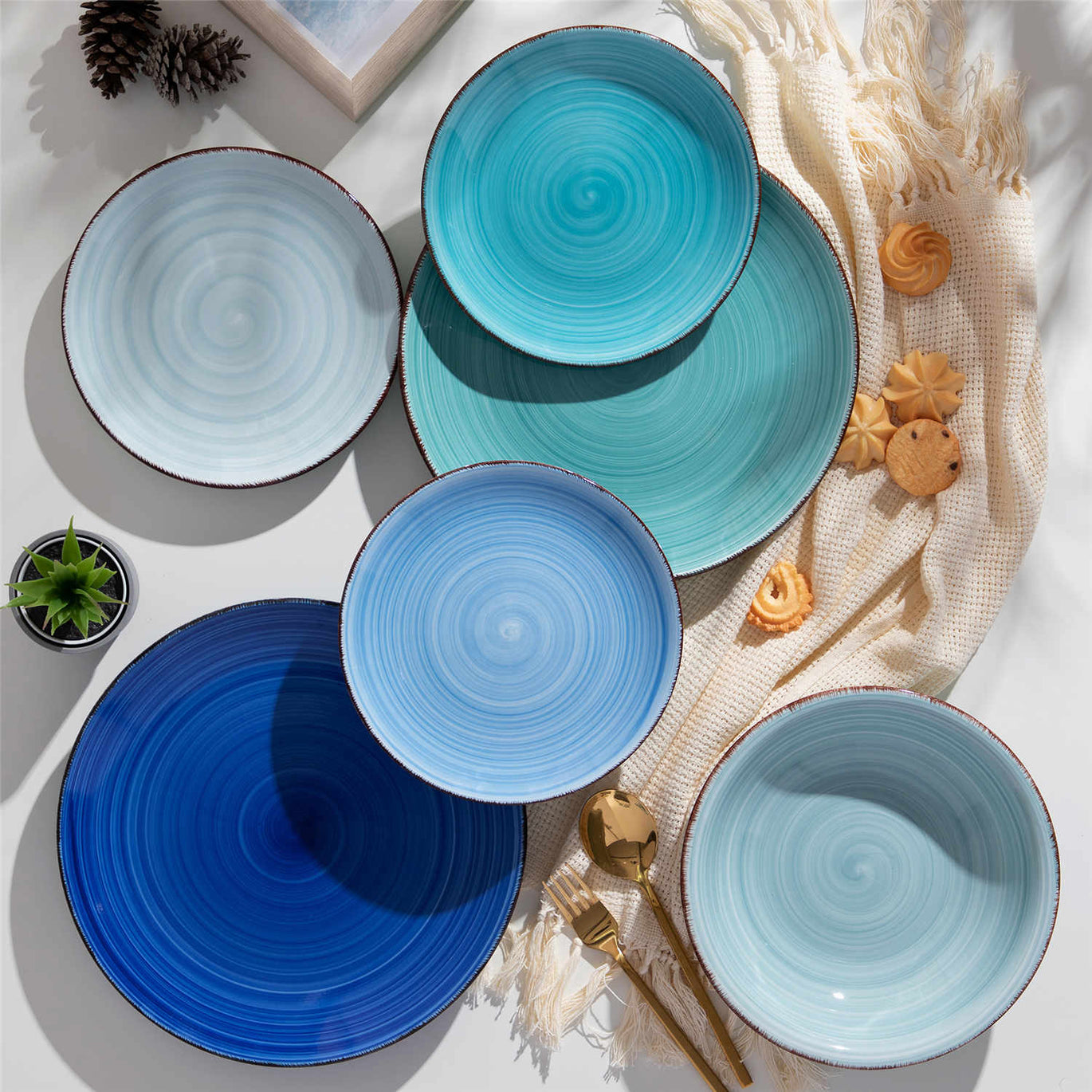


Evaluating the Sustainable Values of Children’s Ceramic Tableware

Ceramic plates covered in dancing whales, tiny mugs sized for toddler hands, bowls that make broccoli look like a forest adventure: children’s ceramic tableware can turn an ordinary weekday dinner into a tiny celebration. But if you care about health, the planet, and the sanity of your dishwashing routine, the real question is not just “Is it cute?” but “Is this actually a sustainable choice for my child and my home?”
Parents today are wading through a sea of options and claims: bamboo, silicone, stainless steel, wheat straw, porcelain, melamine, “BPA‑free” plastic. At the same time, research keeps raising red flags about microplastics, endocrine-disrupting chemicals, and heavy metals. Environmental reports highlight overflowing landfills and invisible plastic dust in our air and water. It is a lot to hold in your head while also trying to convince a three‑year‑old to eat a single green bean.
In my work curating colorful, practical tabletops for real families, I see a pattern. Parents often start with plastic because it feels shatterproof and easy. Then they read about BPA, phthalates, melamine, and microplastics. They retire the rainbow plastic pile and start searching for something that feels both joyful and genuinely safer. Ceramic keeps showing up in that search, especially once kids are past the baby stage. The real task, then, is to evaluate whether children’s ceramic tableware truly delivers on health, environmental, and lifestyle sustainability, and what to watch for when it does not.
Let’s pull up a tiny chair, pour something warm into a ceramic mug, and take a clear-eyed, colorful tour through the sustainable values of ceramic for kids.
What Sustainability Means at the Kids’ Table
Sustainability at the children’s table is not only about whether a plate is recyclable. For dinnerware, it weaves together three threads that need to be considered at the same time.
The first is health safety. Non‑toxic dinnerware for kids means plates, cups, and bowls that are designed to avoid known or suspected harmful chemicals under normal use. Articles from sources like Ashley Alexis Creative and LeafScore point to the usual suspects: BPA and related bisphenols, phthalates, PVC, melamine, formaldehyde, and heavy metals like lead and cadmium. For children, whose bodies and brains are still developing, small exposures matter more.
The second is environmental impact across the entire life cycle. That includes what the material is made from, how energy‑intensive it is to produce, how long it lasts in your home, and what happens when it finally breaks or wears out. Emerson Creek Pottery highlights how plastics’ strength becomes a liability when they land in a landfill, persisting for decades. Wildini and Eluxe Magazine describe how ceramics, made from clay, water, and minerals, have a very long useful life and then return to the earth as an inert material.
The third is social and emotional value. Sustainable objects are the ones we actually love and use for years. Ceramic children’s dishes sit right at the intersection of function and feeling: they can make food more appealing, reinforce a child’s sense of belonging at the table, and even become heirloom pieces as Saje Rose notes in its exploration of the emotional connection to ceramic tableware. That emotional durability can keep you from constantly buying new sets “just to get the kids interested again.”
When you evaluate ceramic kids’ tableware, sustainability is really the sum of all three: the chemical story, the environmental story, and the everyday family story.

Ceramic Basics: What Are We Putting On the Table?
Ceramic is not one single material; it is a family. At a high level, ceramic tableware is made from natural clays shaped and fired at high temperatures until the clay body and glaze fuse into a hard, non‑porous surface. Humans have used ceramic vessels for an estimated 30,000 years, making it one of the oldest food-contact materials we have, as Emerson Creek Pottery notes.
Within ceramic, there are subtypes. Porcelain is a dense, non‑porous ceramic made from refined clay, fired at especially high temperatures. Malacasa describes porcelain as naturally non‑toxic, scratch‑resistant, and resistant to flavors and odors. It is the smooth, glossy, elegant cousin in the ceramic family. Many everyday children’s dishes, however, are made from stoneware or earthenware, which tend to feel slightly heavier and more rustic, but still offer a smooth glazed surface when properly finished.
From a practical standpoint, most well‑made ceramic children’s dishes share several traits highlighted across multiple sources. They are microwave safe when certified as such, distributing heat more evenly than many plastics. They hold warmth well, so soup and pasta stay appealing longer, as Saje Rose emphasizes. Once properly fired and glazed with safe glazes, they are non‑porous and do not absorb or leach chemicals into food. Many are dishwasher safe, which is crucial if you are feeding small children three times a day.
The catch is that “ceramic” is not a safety stamp by itself. The sustainable value of ceramic only appears when the clay body and glazes are lead‑free, cadmium‑safe, and properly fired and tested. That is where the evaluation work really begins.

Health Safety: Ceramic Versus Plastics, Melamine, and “Eco” Composites
A big reason parents start looking at ceramic is concern about plastics. A range of sources, including Emerson Creek Pottery, Wellthya Wellness, Wildini, Malacasa, LeafScore, and Nature Kids Co, sketch a consistent picture.
Common plastic children’s dishes often contain plasticizers like phthalates and chemicals like BPA. These substances are used to soften and stabilize plastic but are known endocrine disruptors. Emerson Creek Pottery notes that phthalates and BPA have been linked to cancers, reproductive health disorders, obesity, and reproductive development issues, especially in young boys. Wildini highlights research from UCLA, reported by CNN, showing that common BPA replacements such as BPS may be just as harmful, raising doubts about the safety of many “BPA‑free” plastics.
Melamine, often marketed as “imitation porcelain,” is another frequent player in kids’ dishes. Wellthya describes melamine as a plastic made by combining melamine and formaldehyde under high heat and pressure. It is lightweight and resistant to breaking, but studies cited by Wellthya show that melamine compounds can leach into food, especially when hot, raising melamine levels in children’s urine by up to several times after a single meal and potentially contributing to kidney stones and damage. The Chinese lab summary notes that melamine can dissolve at high temperatures and ties excessive melamine exposure to serious health risks, including childhood leukemia.
Even so‑called eco composites like “wheat straw plastic” or some bamboo dishes can hide plastic binders. Nature Kids Co points out that many plant‑based and bamboo dinnerware items use melamine‑formaldehyde resin as a binder, sometimes making up around half the product. A parent in a toxin‑free budgeting community discovered that their wheat straw dishes were not truly non‑toxic and went back to search for better options. LeafScore echoes this warning, noting that many “dishwasher‑safe bamboo” dishes are actually bamboo‑melamine composites.
On top of that, Nature Kids Co highlights a 2024 Environmental Science & Technology study showing that infants may carry 10 to 20 times more microplastic particles in their bodies than adults, with particles found in placenta, breast milk, and infant stool. That puts plastic dinnerware in the crosshairs as a daily microplastic exposure pathway.
Ceramic, by contrast, is described by sources like Saje Rose, Wildini, Childish Plates, and Emerson Creek Pottery as inert once properly fired with safe glazes. It does not contain BPA, phthalates, PVC, melamine, or formaldehyde. It does not soften with heat, so there is no analogous chemical leaching when you ladle hot soup into a ceramic bowl. Childish Plates emphasizes that correctly glazed, lead‑free ceramic is one of the safest food-contact surfaces available when it is properly tested and FDA‑compliant.
That “when” is important. Ceramic glazes can contain heavy metals if poorly formulated, making lead and cadmium the main remaining chemical concerns.

Lead-Free Glazes: The Non-Negotiable for Kids’ Ceramics
If you remember one safety rule about ceramic kids’ tableware, let it be this: lead‑free, cadmium‑aware glazes are absolutely non‑negotiable.
Emerson Creek Pottery stresses that if you choose ceramic baby or children’s dishes, they must be clearly labeled lead‑free. Wellthya goes further, describing how glazes and decorative paints can contain lead, cadmium, and other heavy metals, especially on imported or uncertified products. The Chinese testing summary points out that excessive heavy metals from inferior tableware can harm children’s intellectual development.
The risk is amplified because children absorb lead more readily than adults. Even low‑level, chronic exposure can contribute to irreversible developmental delays, learning difficulties, and behavioral problems, as Wellthya notes. The danger is often invisible: cheerfully painted, glossy dishes that arrive as wedding gifts or holiday presents may not have been tested under modern standards.
Several sources describe practical ways to evaluate ceramic safety. Wildini notes that its BittyMugs are fired at high temperatures and tested to meet FDA standards and California Proposition 65 guidelines. Childish Plates emphasizes FDA‑approved ceramic with lead‑free glazes for its kids’ plates. The Chinese testing guidance recommends choosing glass and ceramic pieces with smooth, pattern‑free inner surfaces, which are easier to clean and less likely to hide contaminants or flaking decorative paints.
Scratches, chips, and cracks are also part of the health picture. Get Fresh points out that scratched ceramic items should be discarded. The Chinese lab notes that chipped or cracked ceramics can expose underlying materials and harbor bacteria. The sustainable move here is surprisingly simple. Use your ceramic pieces for as long as they are structurally sound and intact, then retire anything that is chipped, crazed, or heavily scratched from food service.
When you evaluate a children’s ceramic set, treat certification and labeling as foundational. Look for phrases such as lead‑free, food‑safe glaze, tested to meet FDA standards, or compliance with regulations like Proposition 65. Favor brands that explicitly discuss their testing and materials rather than those that only advertise colors and characters.
Environmental Sustainability: Ceramic in the Age of Microplastics
Once you are confident in the chemical safety of ceramic, the next lens is environmental sustainability. How does a ceramic plate compare with plastic, stainless steel, silicone, bamboo, and wood from an eco standpoint?
Plastics and melamine are made from fossil fuel–derived polymers and can take decades or longer to break down. They often do not fully disappear but fragment into microplastics. Nature Kids Co, citing recent scientific concern, notes that children’s exposure to microplastics is now a major health issue. When everyday items like plastic dinnerware shed particles during use and washing, that exposure accumulates.
Ceramic has a very different environmental story. Wildini and Eluxe Magazine describe ceramic as made from natural clay and minerals. Firing does require high temperatures, often above about 2,200°F, and sometimes multiple kiln passes. However, industrial kilns typically use heat‑recovery systems and fire many pieces at once. Eluxe Magazine argues that when you account for long lifespan and batch firing, the overall energy use for pottery is relatively low compared with manufacturing glass, metal, or many plastics.
Ceramic is also remarkably durable. Wildini notes that, compared with plastic, paper, wood, and bamboo, ceramic has a longer lifespan. People routinely use the same ceramic sets for decades, as Saje Rose highlights. When ceramic does eventually break or end up in a landfill, it returns to the earth as an inert shard rather than a source of microplastic fibers. Emerson Creek Pottery contrasts this with plastic’s almost indestructible nature, which turns into a landfill liability.
Of course, breakage is the elephant in the room. Ceramic is not unbreakable. But sustainability is about the full equation, not only whether something can survive being thrown from a highchair. A ceramic plate that lasts through a decade of family dinners and then breaks cleanly one day has a very different footprint from a stack of plastic plates that warp, scratch, and get replaced every year while also shedding microplastics along the way.
Ceramic Versus Other Materials: A Quick Comparison
A useful way to see ceramic’s sustainable value is to place it alongside other common children’s tableware materials.
Material |
Health profile for kids |
Durability in daily use |
Eco considerations |
Where it shines for families |
Lead‑free ceramic |
Inert, non‑leaching when properly glazed and tested |
Long‑lasting with normal care; breakable if thrown or dropped hard |
Made from natural clay; long lifespan; inert in landfill; energy use offset by durability |
Everyday family meals, shared tableware with adults, appetite‑boosting designs |
Porcelain |
Non‑toxic, non‑porous, avoids BPA and similar chemicals |
Scratch‑resistant; can chip if mishandled; heavier for toddlers |
Similar to other ceramics; durable, long‑term |
Older toddlers and kids who can manage weight; “special” family sets |
Stainless steel |
Described by pediatric guidance as gold standard for chemical safety |
Extremely durable; almost impossible to break |
Highly recyclable; long service life |
Babies, toddlers, travel, daycare, and any setting where dropping is constant |
Silicone |
Food‑grade silicone is generally non‑toxic; quality varies and long‑term data limited |
Unbreakable, flexible, withstands heat up to around 425°F |
Not biodegradable; may hold odors; production footprint higher than natural materials |
Suction mats and bowls, snack cups, travel pieces, and impact zones |
Bamboo or plant‑based composites |
Safe when truly melamine‑free and well tested; composites with melamine are a concern |
Good impact resistance; may degrade with dishwasher or microwave use |
Renewable resources; biodegradable when pure; composites complicate disposal |
Babies and early self‑feeding when choosing carefully vetted, melamine‑free brands |
Glass and tempered glass |
Non‑toxic and inert; no chemical leaching |
Strong, but can shatter; tempered versions better |
Recyclable; no microplastics |
Older kids and adults; situations with close supervision |
This table draws from Nature Kids Co, LeafScore, the Chinese testing summary, and brand case studies such as EcoCubs and Childish Plates. Stainless steel stands out as the health and durability champion, which is why the American Academy of Pediatrics and recent pediatric studies highlighted by Nature Kids Co favor it for food containers. Ceramic, in comparison, offers a powerful blend of non‑plastic material, long life, and emotional appeal, especially when used as part of a mixed-material strategy.
Durability, Breakage, and Teaching Care
Now for the clink in the story: ceramic breaks. For some families, that single fact feels disqualifying. But several sources invite us to reframe breakability as part of its sustainable and developmental value.
Wildini points out that ceramic kids’ mugs, when properly sized and designed, can be used safely by children around ages two to six. Its BittyMugs are made to be durable, spill‑resistant, and tested for safety, while still fragile enough to encourage mindful handling. Childish Plates takes a similar approach with plates that are thick, toddler‑tested, and paired with silicone bases to improve grip and stability. They describe breakability as an opportunity to teach “rituals of care” rather than a flaw.
Emerson Creek Pottery emphasizes another piece of the puzzle: children’s need for “real goods.” When kids eat from dishes that feel like their parents’ dishes, they experience a sense of worth and belonging that plastic cartoon plates rarely deliver. The same article notes that eating with babies and young children, rather than leaving them to eat alone, can dramatically reduce plate‑throwing and spills. In other words, mealtime behavior and supervision are as important as material choice.
That said, fragility is real. The Chinese testing summary stresses that glass and ceramic can break into sharp pieces if dropped, posing a physical injury risk. Get Fresh reminds caregivers to discard scratched or damaged ceramic items. The practical takeaway is nuanced. Ceramic is not ideal for solo snacking in a highchair with a plate‑throwing toddler. It fits best where you are already sitting with your child, such as family dinners, weekend breakfasts, and special snacks, and where you are prepared to model care.
Seen this way, ceramic fosters sustainable habits. Children learn that some objects are precious and need gentle hands. They practice fine motor skills with real weight and texture. And because these pieces are emotionally significant, they tend to be cherished and used rather than treated as disposable.
Appetite, Aesthetics, and the Joy Factor
Sustainability lives or dies on whether people actually use an item. Here, ceramic can be a secret weapon.
Several sources emphasize how tableware aesthetics influence children’s appetite and willingness to try new foods. Get Fresh notes that warm, bright colors such as yellow or red can stimulate appetite, particularly in picky eaters. Malacasa describes how attractive, well‑arranged porcelain plates make food more enticing and turn meals into small events, reinforcing table manners and curiosity about new ingredients.
Ceramic is a design playground. Saje Rose celebrates its versatility: glossy neutrals, vibrant hand‑painted patterns, rustic earth tones. Childish Plates uses illustrated ocean motifs and carefully designed curves to help kids scoop successfully and connect with sea life. Emerson Creek Pottery leans into simple, durable shapes that still feel special. When children are allowed to choose a plate with dinosaurs, ocean creatures, or simple speckles that match their personality, they become co‑curators of the table, not just reluctant guests.
From a sustainability standpoint, this matters. A child who loves their plate is more likely to ask for it, use it, and treat it thoughtfully. A plate that consistently makes broccoli look fun is far more likely to be washed and reused than one that makes dinner feel like a chore. That emotional loyalty is a quiet but powerful form of resource conservation.
A Practical Framework for Evaluating Ceramic Kids’ Tableware
Translating all of this into a real shopping decision can feel overwhelming. Here is a practical, step‑by‑step way to evaluate the sustainable value of a ceramic children’s set, framed in everyday language rather than a checklist.
Start by checking what the maker says about safety. Look for clear statements that the ceramic is lead‑free and tested to relevant standards like FDA food‑contact regulations or Proposition 65. Brands such as Emerson Creek Pottery, Wildini, and Childish Plates make those claims explicit and back them with testing. If a ceramic kids’ plate only talks about colors and characters and never mentions lead‑free or food‑safe glazes, treat that silence as a warning.
Next, inspect the glaze and design details. Prefer pieces with a smooth, light‑colored interior surface. The Chinese testing guidance notes that smooth, pattern‑free interiors are easier to clean and less likely to hide contaminants. If designs or metallic paints occupy areas where food sits, make sure the manufacturer specifically states these are food‑safe and lead‑free. Avoid obviously rough, crazed, or pitted glazes inside serving surfaces.
Consider how the plate will be used day to day. Malacasa, Saje Rose, and Childish Plates highlight the value of microwave‑ and dishwasher‑safe ceramics for busy families. If you frequently reheat leftovers or warm oatmeal before school, microwave safety is critical. If you run a dishwasher almost daily, confirm that the manufacturer calls the pieces dishwasher safe and that glazes and decals are formulated to withstand hot water and detergents.
Think about your child’s age and stage. Get Fresh suggests that children around nine to twelve months start wanting to self‑feed, which is a time when non‑breakable options like bamboo or stainless steel are helpful. Wildini and Childish Plates show that around ages two to six, many children can handle ceramic mugs and plates safely with guidance. One sustainable strategy is to start with stainless steel or melamine‑free bamboo for the earliest, most drop‑prone months, then introduce ceramic as the “big kid” set for shared family meals once your child’s motor skills and impulse control have caught up.
Weight and ergonomics matter too. Pick up the plate. Does it feel reassuringly solid but not like a workout weight? Childish Plates purposefully designs curves and edges that support little hands and scooping motions. Wildini sizes its BittyMugs so they feel special but still manageable. When you test a piece, imagine a small hand carrying it from table to counter with slightly wobbly focus. If the plate feels heavy even to you, it may be better reserved for older kids.
Finally, zoom out to the emotional and environmental horizon. Ask yourself whether this is a set your family could happily use for years. Emerson Creek Pottery talks about buying “real goods” that form part of family life. Saje Rose describes ceramics as pieces that collect stories along with small chips and imperfections. If a ceramic child’s plate looks like something you could imagine at the table in five or ten years, with a teenager reminiscing about the days their peas marched across it, you are looking at a truly sustainable object.
A Colorful, Realistic Strategy for Mixed Materials
One of the cleverest ways to unlock the sustainable value of ceramic is to let it play on a team.
Nature Kids Co and LeafScore both emphasize that no single material wins on every axis. Stainless steel is a safety and durability superstar. Silicone offers unbreakable suction and spill protection. Pure, melamine‑free bamboo and plant‑based sets can support early self‑feeding. Ceramics bring aesthetic pleasure, emotional weight, and a plastic‑free surface for shared meals.
A pragmatic, playful strategy might look like this. Use stainless steel or well‑vetted, melamine‑free bamboo bowls for the highchair era and messy early mornings. Layer in silicone suction mats or bowls where you need extra security. As your child reaches toddlerhood and begins eating more meals at the family table, introduce a lead‑free ceramic plate or bowl for those shared moments, while keeping stainless steel or silicone for travel, picnics, and genuinely chaotic snack times.
Ashley Alexis Creative encourages mixing materials, colors, and textures to keep mealtimes engaging. Picture a thick, ocean‑themed ceramic plate anchored by a discreet silicone grip ring, a shiny stainless fork, and a neon silicone cup. That kind of mix does not dilute sustainability. It honors it, matching each material to the job it does best and giving ceramic a starring role where its strengths are most powerful.
FAQ
Is ceramic really safer than plastic for children?
Ceramic and plastic sit on very different sides of the safety conversation. Multiple sources, including Emerson Creek Pottery, Wellthya, Wildini, and Nature Kids Co, highlight ongoing concerns about plastics and melamine releasing chemicals such as BPA, phthalates, melamine, and formaldehyde, especially when heated or used with hot or acidic foods. There is also growing evidence, summarized by Nature Kids Co, that microplastic exposure in infants is significantly higher than in adults. Properly made, lead‑free ceramic does not contain these plastics or plasticizers and does not soften with heat, so it does not leach the same types of chemicals. The crucial condition is that the ceramic be tested, lead‑free, and free of unsafe heavy metals in its glazes. When those conditions are met and the dish is intact, ceramic offers a very safe, inert surface for children’s meals.
At what age can I start using ceramic dishes with my child?
There is no single age that fits every child, but the patterns described across sources give a helpful range. Get Fresh notes that babies around nine to twelve months begin showing interest in self‑feeding, which is when non‑breakable materials like bamboo or stainless steel are particularly valuable. Wildini and Childish Plates show that children roughly two to six years old can successfully handle ceramic mugs and plates when those items are sized for small hands and introduced with guidance. A sustainable approach is to reserve ceramic for supervised, sit‑down meals at the family table once your child has some control over throwing and dropping, while continuing to use stainless steel, silicone, or melamine‑free bamboo for more chaotic situations.
What should I do if my child’s ceramic plate chips or cracks?
From both a health and sustainability perspective, damaged ceramics should be treated with care. Get Fresh points out that scratched ceramic pieces should be discarded, and the Chinese testing summary explains that chips and cracks can expose underlying materials and create crevices where bacteria hide. For children’s dishes, that means retiring chipped, crazed, or heavily scratched plates and bowls from food use rather than trying to stretch them a little longer. The sustainable win comes from the long years of service before that point: a ceramic plate that has anchored hundreds of family meals and helped your child learn to eat and share safely has already delivered considerable value.
Ceramic children’s tableware is not a magic wand, but when it is thoughtfully chosen and paired with other smart materials, it can be a deeply sustainable choice. Lead‑free, well‑tested ceramics offer a plastic‑free surface for daily meals, a long life of service, and an emotional sparkle that makes kids want to sit down and eat. Add in the environmental advantage of avoiding microplastics and disposable‑feeling dishes, and you have a small, sturdy way to align your dining table with the values you want your child to grow up with. Here is to plates that are as full of color and care as the little people eating off them.
References
- https://health.ucdavis.edu/media-resources/mind-institute/documents/pdfs/Plastics_and_Plastic_Toys_7_14.pdf
- https://www.ecocubs.com.au/?srsltid=AfmBOorAprQRtz9-B2LP11QSGzv1vVdlCVOSDIzMhU3DTSam13lQ1TMn
- https://www.healthierhomes.com/organic-dinnerware?srsltid=AfmBOoqt81oCDWusiG2NGbXNerpwDw-8-PEBrdDT5lRHyEbNFscgfRhY
- http://www.agccert.com/testing_show/233.html
- https://www.amazon.com/kids-plates-non-toxic/s?k=kids+plates+non+toxic
- https://ashleyalexiscreative.com/non-toxic-dinnerware-that-kids-and-parents-will-love/
- https://eha.eco/enduring-allure-of-ceramic-crockery-why-it-belongs-at-home/
- https://emersoncreekpottery.com/switch-to-lead-free-dishes-for-a-safer-mealtime-for-your-family/?srsltid=AfmBOooLY5rxSL594LhvyTI_Dt0cxX3_9tPI3xCHH-HwXGnYKYq2LuSE
- https://www.forceofnatureclean.com/non-toxic-dinnerware-kids/?srsltid=AfmBOorvzBl5lLxoAx-VdvBNGVGWt9R4QPuyZWg44-VPTfVgbXnOt72q
- https://joyye.com/info-detail/kid-friendly-tableware-that-parents-will-love-too
Tu pourrais aussi aimer
Stern Ensemble de vaisselle 16 pièces
- À partir de €69,95
€92,95- À partir de €69,95
- Unit price
- pour
-
Blue
-
Green
-
Red
-
Grey
Bonita Service de table 18 pièces
- À partir de €58,95
€71,95- À partir de €58,95
- Unit price
- pour
-
Blue
-
Multicolor
Simi Ensemble de vaisselle de 24 pièces
- €92,95
€124,95- €92,95
- Unit price
- pour
Service de vaisselle étoilé 16 pièces
- €70,95
€82,95- €70,95
- Unit price
- pour
-
Blue
-
Green
-
Red
-
Gradient Green