





Ultrasonic Cleaning for Ceramic Tableware: Museum‑Grade Care at Home

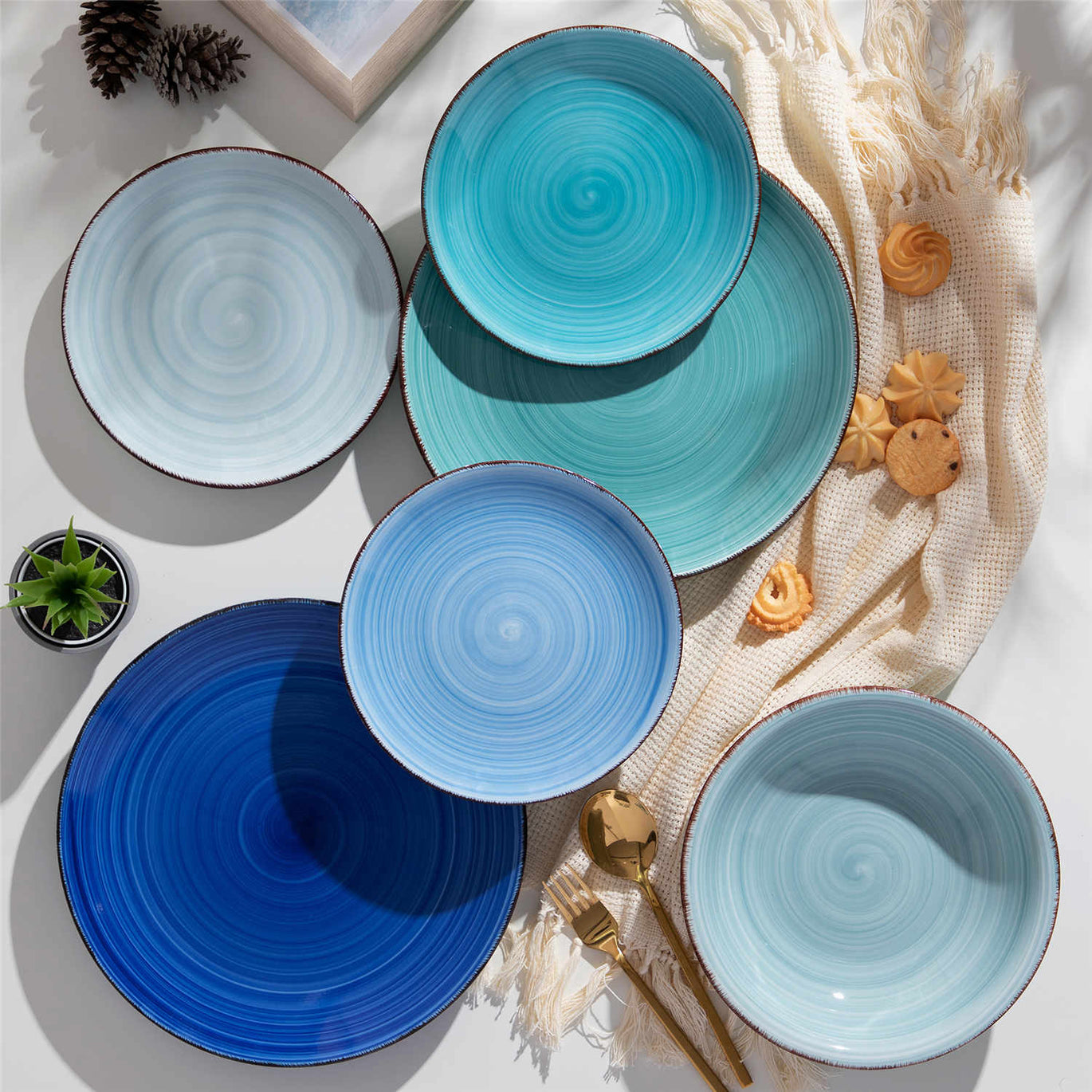
Ceramic plates with painterly glazes, stoneware bowls with a tactile matte, your daily mug that makes the morning coffee ritual feel like a small celebration—these deserve care that keeps color, shine, and bite‑edge texture intact. Ultrasonic cleaning brings that level of thoughtful care home. It’s the same physics museums and conservation labs rely on to lift soils from fragile surfaces without scrubbing, translated into a countertop routine that’s practical on weeknights and delightful ahead of dinner with friends. Consider this your energetic, artful, and completely approachable guide to turning ultrasonics into a joyful habit for your colorful tabletop.
From Gallery to Galley: Why Ultrasonics Belong on the Colorful Tabletop
Ultrasonics clean by sound, not scuff. High‑frequency waves ripple through a water‑based bath and generate microscopic bubbles that form and collapse. That implosion creates tiny jets that shear away oils, residues, and films, even inside crevices where brushes stall out. Conservation work has long embraced ultrasound‑assisted techniques for fragile ceramics because, when properly controlled, the action is effective while avoiding mechanical abrasion. That same principle—careful control of time, temperature, frequency, chemistry, and part handling—maps beautifully to glazed dinnerware. You get bright results, less elbow grease, and protection for delicate surfaces, patterns, and edges that give your table personality.
Manufacturers and technical guides from Ultrasonic Power Corporation, Kemet International, and Chemtronics describe the approach consistently: use frequency and power thoughtfully, pair them with the right solution, manage heat, and let the physics do the scrubbing. For home tabletop care, this adds up to cleaner ceramic surfaces with fewer scratches, less detergent, and a workflow you can run while you chop herbs or fold napkins.

What Ultrasonic Cleaning Actually Does
At the heart of ultrasonic cleaning is cavitation. A transducer turns electrical energy into high‑frequency sound in the bath. Those waves alternately compress and expand the liquid, forming microbubbles in the expansion phase and collapsing them during compression. The collapse releases tiny, fast jets of fluid that dislodge soils without abrasive contact. Guides from Chemtronics and Ultrasonic Power Corporation describe the frequency sweet spots in plain terms: lower frequencies produce larger, more aggressive bubbles; higher frequencies produce smaller, gentler bubbles that reach into tighter spaces. For general tableware, 40 kHz is a well‑proven choice, while higher frequencies are popular for very delicate pieces or intricate detail.
Heat helps. Within sensible ranges, warmer baths improve solvency and speed cleaning. Industry references from Tovatech regularly cite typical operating temperatures between about 120–180°F for many aqueous chemistries, while guidance for delicate items from Drawell Analytical encourages 86–104°F to protect heat‑sensitive components. For glazed ceramics meant for food, a center‑lane range around 120–140°F pairs efficiency with caution, and it lines up neatly with practical observations from experienced users who see a substantial jump in cavitation strength as temperatures cross roughly 140°F.
Power matters, too, but you don’t need to tune like a factory engineer. Industrial sizing schemes sometimes target a watts‑per‑volume figure; in the home, a benchtop unit with a quality transducer does the lifting. Routine verification is easier than it sounds: the classic aluminum foil check and the quick pencil‑lead test, both popularized for shop floors by process experts like The Flexo Factor, translate well to the kitchen to confirm your tank is humming evenly.
Is It Safe for Glazed Ceramics and Glass?
Ceramic as a material loves ultrasonics. Technical guidance from Kaijo explains why: hard, heat‑resistant, and generally impervious to mild, water‑based detergents, ceramics suit robust ultrasonic action well, especially in heated baths. This is echoed across industrial guides, with the usual nuance: fragile coatings, platings, or special finishes demand thoughtful settings. While most dinnerware glazes are tough, some surface treatments—metallic lustres, fragile overglaze details, or repair fillers—may behave more like “coatings” than bare ceramic. Kemet International’s compatibility cautions underscore that coated or plated surfaces deserve conservative trials.
Glassware, another tabletop staple, also does well in ultrasonic baths when handled appropriately. Omegasonics’ guidance for glass calls out the same pillars this article champions: full submersion, sensible heat, the right solution, and gentle handling through baskets instead of hard contact with tank walls. For both glazed ceramics and glass, rest your items in a basket, avoid stacking, and let the sound travel.
My At‑Home Setup and Routine
I use a benchtop tank that holds roughly 2.6 gallons—about the size many households find workable—set to 40 kHz with a reliable heater and a basic timer. This size easily handles a few dinner plates, a cluster of bowls, or a batch of mugs and serving spoons. I warm the bath to around 130°F, add a small measure of mild, low‑foam dish detergent, and run a brief degassing cycle. Then I load pieces in a stainless basket so they don’t sit on the tank bottom, orient curved items and utensils so air can’t trap in blind pockets, and give them a short cycle. Most everyday grease and film lift in minutes. Afterward, I do a clean water rinse and a soft towel dry.
If I suspect mineral scale or stubborn residues, I refresh the bath and add a small amount of a gentle, kitchen‑appropriate acidic helper, such as citric acid. That tip aligns with industrial guidance from Tovatech and Refractron that pairs mild acids with mineral deposits; more aggressive acids and anything hazardous stay off the table completely in home use. For sanitizing concerns, ultrasonic action helps remove microbial contamination, and some sources note it can kill germs, but I still treat sanitation as a separate step. An oxidizing agent in a separate rinse water, used per label directions, gives peace of mind for cutting boards, utensils, or heavily used serving pieces, echoing Refractron’s note that oxidizers like household bleach or hydrogen peroxide can be appropriate for biological soils. Always rinse thoroughly.

Choosing Your Cleaner: Features That Matter
Shopping for a home ultrasonic cleaner can feel like deciphering a sound engineer’s wish list; it doesn’t have to. The most important factors are capacity, frequency, heating, and the quality of the transducer. Piezoelectric transducers—highlighted by Sonic Soak for their efficiency and broad frequency options—are the norm in consumer machines and offer great performance for long duty cycles. A working capacity around 2.6 gallons fits most place settings; that Creworks‑style 10 L class commonly runs at 40 kHz, which is a sweet spot for tableware and silverware.
Coverage depth matters. Sizing guidance from Chautauqua Chemicals Company emphasizes that items should be fully submerged with a cushion of liquid above them—at least about 1 inch—to let waves reach every surface. Heat control and a simple timer are essential; a basket is non‑negotiable for protecting surfaces and keeping sound energy distributed evenly. If you plan to clean lots of utensils or run longer cycles, a unit with a pump and filter helps keep the bath cleaner and your results repeatable.
Spec or Setting |
Why It Matters |
Typical Pick for Tableware |
Frequency |
Governs bubble size and “gentleness”; 40 kHz is a general‑purpose standard described by Ultrasonic Power Corporation and Kemet International |
40 kHz for daily dinnerware; higher kHz for very delicate decorative pieces |
Capacity |
Ensures full coverage with headspace above items, as Chautauqua Chemicals Company advises |
About 2.6 gallons handles common loads |
Heat |
Boosts solvency and cavitation strength within sensible ranges, per Tovatech and Kemet International |
|
Transducer |
Drives efficiency, frequency precision, and duty cycle; Sonic Soak notes piezoelectric advantages |
Piezoelectric transducer in a benchtop unit |
Handling |
Baskets prevent contact with the tank bottom; Kemet International stresses orientation and spacing |
Stainless basket, no stacking, avoid trapped air |

Chemistry That Plays Nice with Dinnerware
Ultrasonic “muscle” is mechanical; chemistry is finesse. Tovatech frames it clearly: match the soil to the solution and protect the substrate. Oils and grease respond to neutral or mild alkaline detergents that lower surface tension and keep soils suspended. Mineral scale and oxide films benefit from mild, food‑safe acids. For biological residues, oxidizers have a role in separate rinses. Refractron’s ceramic cleaning guidance sets guardrails for ceramics—keep solutions in a comfortable pH window and avoid hazardous acids such as hydrofluoric or phosphoric. In a kitchen context, that translates to simple, low‑foam dish detergents for most jobs; occasional citric acid for scale; and, when needed, an oxidizing rinse in a separate water step used as the label directs.
A few chemistry don’ts from Chemtronics and Ultrasonic Power Corporation are worth underlining. Skip flammable solvents like acetone or toluene in consumer machines; specialized, explosion‑proof systems exist for industrial solvent work, but they are far beyond home needs. Avoid overly viscous or high‑foam products that trap air and damp cavitation. If you are cleaning mixed materials in one batch—say, ceramic bowls and stainless utensils—stay with mild, aqueous solutions and rinse well afterward.
Kitchen Soil |
Home‑Safe Solution Approach |
Notes for Ceramics |
Oils and cooking residues |
Neutral to mild alkaline, low‑foam dish detergent |
Strong, simple starting point for everyday dishes |
Mineral deposits and scale |
Mild, food‑safe organic acid like citric acid |
Refresh bath after use; avoid harsh acids |
Biological residues |
Oxidizing agent in a separate rinse water per label |
Ultrasonics help remove; sanitizing is a separate, well‑rinsed step |

Results That Spark Joy: Time, Energy, and Water
Part of the charm of ultrasonics is how little you do while the bath does the work. Cavitation cleans uniformly, which is why industrial operators champion it for consistent results across uneven contamination. Sonic Soak points to efficiency advantages that show up at home: many small ultrasonic units draw on the order of about 50–100 W, while dishwashers can be above 1,200 W, and the sonic method uses dramatically less water than a deep sink soak—on the order of dozens of times less in some comparisons. It’s not about replacing your dishwasher; it’s about preserving special surfaces, rescuing stained favorites, refreshing utensils down to the tine roots, and doing it with resource thrift that feels satisfying.

Quality Control and Care: The Foil Test, Pencil Trick, and Degassing
Even in a home routine, a couple of easy checks keep performance museum‑grade. The Flexo Factor recommends a simple aluminum foil test: suspend three strips across the tank, spaced center and near the ends, and run a short heated cycle. You should see evenly distributed pinpricks or indentations across the strips; a patchy pattern hints at uneven sonics, and a lack of texture suggests weak chemistry or low power. A quick pencil‑lead test—drawing an X on a frosted glass tile and timing how fast it clears—is another “in a pinch” indicator when the bath is warm and degassed.
Degassing matters because dissolved air suppresses cavitation. Best practice is to degas each time you fill the tank and again after it heats. You can dedicate the first few minutes with no load in the bath; once the stream of tiny bubbles stabilizes, load your pieces. Finish a session by draining food‑soil baths instead of parking them for days. That habit reduces redeposition, keeps odors down, and rewards you with consistently bright results.
Common Pitfalls and How to Avoid Them
Underfilling a tank doesn’t create “extra intensity”; it upsets the way the generator is tuned and can damage equipment. Fill to the manufacturer’s mark and keep a sensible headspace above the tallest piece, a best practice echoed by process pros who caution against underfill myths. Avoid resting items on the tank bottom; baskets and supports protect both ware and transducers while keeping sound energy moving. Be wary of plastic inserts and containers inside the bath—experienced users have seen plastic dampen ultrasonic waves and cut cleaning efficiency. Foamy or viscous detergents catch air and reduce cavitation; go low‑foam and free‑rinsing. For delicate, highly decorated pieces, shorten cycles and lower temperature into the Drawell Analytical “delicate” zone to stay conservative. And for very fine decorative coatings or anything repaired, borrow a conservator’s mindset from the ICOM‑CC world: trial an inconspicuous area, document what you did, and proceed only when happy with the result.
When to Change the Recipe: Tough Cases and Special Items
Heavily baked‑on residues or thick contamination benefit from a quick pre‑soak or a short hand‑wipe to remove loose material before the ultrasonic cycle. Mineral rings or hard‑water film respond better when you add a mild, food‑safe acid to a fresh bath or run a separate, short session dedicated to that chemistry. If a piece has embedded metal inlays, plated rims, or unusual finishes, treat it as a coated surface. Kemet International’s compatibility notes recommend gentler frequencies, shorter cycles, and rigorous rinsing afterward. Very soft, porous materials such as wooden handled utensils, cork, or paper napkin rings do not belong in the tank.

A Small Industrial Flex: What This Looks Like at Scale
If you’re curious how far the physics can scale, consider a job documented by IKM where a team ultrasonically cleaned 260 fragile separator dishes—ceramic‑coated components used to separate oil and water—until they met high cleanliness standards for recoating. Sandblasting would have damaged the surfaces; the ultrasonic bath, paired with biodegradable fluid, removed fats, particles, and residues thoroughly and gently. The kitchen take‑home isn’t to blast your dinnerware like an offshore plant, but to note that the same non‑abrasive mechanism that protects fragile, high‑value parts is what keeps your glaze intact and your colors singing.
A Quick Buyer’s Compass for Home
Focus on a piezoelectric benchtop unit around 2.6 gallons with a 40 kHz transducer, an accurate heater, a timer you will actually use, and a sturdy stainless basket. Models in this class are common and align with the Creworks‑type specification many households adopt. If you foresee back‑to‑back batches, a built‑in pump and filter extend bath life and consistency. Everything else is nice‑to‑have flair.
Pros and Cons at a Glance
What You’ll Love |
What to Watch |
Deep, even cleaning without scrubbing, including crevices and textures |
Coated or plated details may need gentler settings and shorter cycles |
Gentle on glazes and patterns when properly set |
Foamy or thick detergents and plastic inserts can damp cavitation |
Efficient with water and energy; many home units draw modest power compared to large appliances |
Flammable solvents are off‑limits in consumer machines |
Fast, unattended cycles that fit dinner prep rhythm |
Underfilling, over‑stacking, or resting on the tank bottom compromise results |
Flexible chemistry choices from simple dish detergent to mild acids and oxidizing rinses |
Very delicate or repaired pieces require conservative trials and documentation |
Optional FAQ for Peace of Mind
Will an ultrasonic cleaner chip or scratch my plates?
Cavitation is a fluid action, not a bristle or abrasive pad, so properly used ultrasonics are non‑abrasive on glazed ceramics. Guides from Kaijo and Kemet International support the idea that hard, solvent‑resistant ceramics fare well with ultrasonic cleaning. Protect finishes by using a basket, avoiding contact with the tank, and choosing sensible time, temperature, and frequency settings. For coated or plated decorations, shorten cycles and test first.
What temperature should I use for everyday dinnerware?
A range around 120–140°F balances speed and care, supported by Tovatech’s operating windows and Kemet International’s note that heat shortens cycles. For very delicate pieces, Drawell Analytical suggests cooler baths around 86–104°F. In all cases, fully submerge items and degas the bath for consistent results.
Does ultrasonic cleaning sanitize?
Ultrasonics lift and remove microbial contamination and can contribute to killing germs, as consumer kitchenware guidance from Sonic Soak notes, but think of sanitation as its own step. An oxidizing rinse used per label directions after ultrasonic cleaning, followed by thorough fresh‑water rinsing, aligns with ceramic cleaning guidance that recommends oxidizers for biological soils. For tableware, that separation of cleaning and sanitizing makes the routine both thoughtful and safe.
Closing
Color makes every meal feel like a tiny celebration. Ultrasonic cleaning keeps that color crisp and the surfaces you love smooth, glossy, and ready for the next course—without the scuffs and sighs of hard scrubbing. It’s museum‑grade care with a playful, practical streak: set the bath, spin the timer, lay the table, and serve your brightest version of everyday joy.
Sources
This article draws on guidance and technical references from Chautauqua Chemicals Company, Ultrasonic Power Corporation, Chemtronics, Kemet International, Kaijo, Drawell Analytical, Tovatech, Sonic Soak, Omegasonics, IKM, Creworks, and The Flexo Factor.
References
- https://www.academia.edu/5157849/Cleaning_with_ultrasound_scaler_technique_adjustment_for_archaeological_ceramics
- https://www.chemtronics.com/ultimate-guide-to-ultrasonic-cleaning?srsltid=AfmBOopxDDN_EFavr7qbMCmqWestYwoID4YmsD88ev7MesgLUefXWmY7
- https://alphasonics.co.uk/the-benefits-of-ultrasonic-cleaning-in-the-ceramics-industry/
- https://www.drawellanalytical.com/choosing-the-best-ultrasonic-cleaner-for-delicate-items/
- https://www.kaijo-shibuya.com/considerations-when-using-ultrasonics-to-clean-ceramics/
- https://www.precgroup.com/exploring-the-benefits-of-ultrasonic-cleaning/
- https://refractron.com/porous-ceramic-cleaning-guidelines/
- https://yujiepiezo.com/blog/how-piezoelectric-ceramics-enhance-efficiency-ultrasonic-cleaners
- https://www.besttechnologyinc.com/ultrasonic-cleaning-systems/how-do-ultrasonics-work/
- http://cchemco.com/blog/ultrasonic-cleaning-user-guide/
Tu pourrais aussi aimer
Stern Ensemble de vaisselle 16 pièces
- €81,95
€92,95- €81,95
- Unit price
- pour
-
Blue
-
Green
-
Red
-
Grey
Simi Ensemble de vaisselle de 24 pièces
- €92,95
€124,95- €92,95
- Unit price
- pour
Bonita Service de table 18 pièces
- À partir de €58,95
€71,95- À partir de €58,95
- Unit price
- pour
-
Blue
-
Multicolor
Service de vaisselle étoilé 16 pièces
- €81,95
€82,95- €81,95
- Unit price
- pour
-
Blue
-
Green
-
Red
-
Gradient Green