



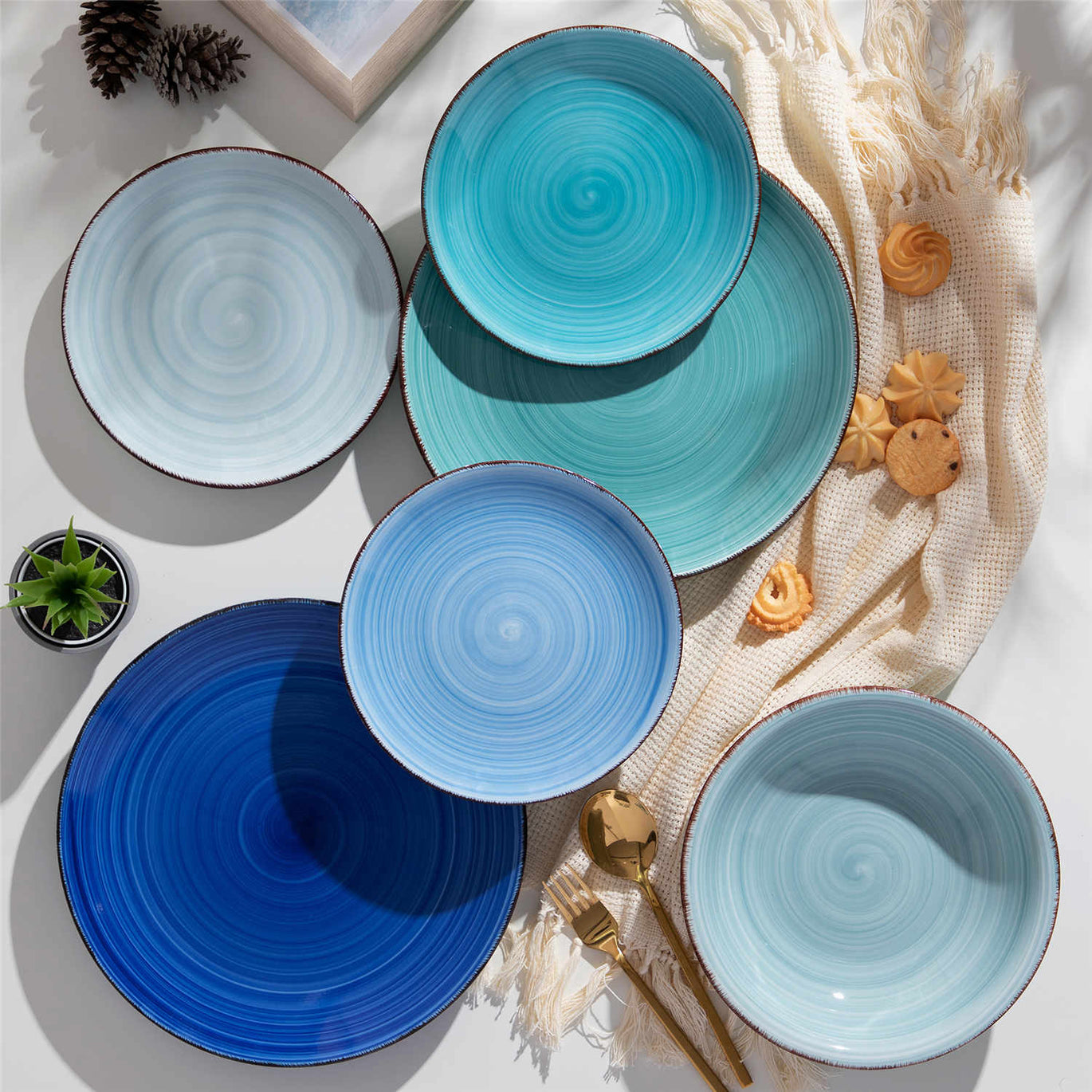


The Importance of Specialized Ceramic Bowls for Left-Handed Children

Left-handed kids live in a right-handed world, and nowhere is that more obvious than at the dinner table. As a tabletop stylist who works with families and as someone who has watched countless kids build and paint their own little clay bowls, I see the same pattern over and over: the right bowl and the right angle can turn a chaotic, slippery meal into a calm, colorful rhythm.
When that bowl is both left-hand–friendly and made from safe, lead-free ceramic, you get a rare combination: ergonomic ease, material safety, and everyday beauty that actually invites your child into the meal. Let’s dig into why that matters so much more than it might seem at first glance.
When the Table Is Built for the Other Hand
How Handedness Shows Up at Mealtime
Handedness is not just a quirk; it is a stable preference for using one hand for skilled tasks. Pediatric resources cited by Horizon Education Centers note that this preference usually becomes clearer around ages 2 to 3, though it can still wobble a bit before settling. For many kids, mealtime is one of the first places that preference shows up reliably.
For a left-handed child, the natural “starting position” is the left hand reaching for the tool that controls the bite. Observations compiled by the Anything Left-Handed blog and echoed in MALACASA’s review of left-handed children’s tableware show a pattern: when two utensils are involved, right-handers often give the right hand the cutting job, while many left-handers instinctively reserve their dominant hand for the feeding tool.
If the bowl, rim, and utensil are laid out for a right-handed scoop, a lefty has to twist the wrist, cross arms with neighbors, or chase food around the dish. Those micro-adjustments cost real effort, especially when fine motor skills are still developing.
The Hidden Cost of Right-Handed Bowls and Utensils
Pediatric feeding guidance from Kidseatincolor, Rehabmart, and Horizon Education Centers converges on a simple idea: the right tool and setup make self-feeding smoother. When the setup fights the child’s dominant hand, several things tend to happen:
The child needs more small corrections just to get one bite to the mouth. The wrist angles become awkward and tiring. Spills increase because the food slides away from the natural scoop path. Adults jump in with “rescues,” turning self-feeding back into assisted feeding.
Anything Left-Handed reports a particularly telling case: in a school that encouraged a uniform right-handed eating style, one left-handed child developed headaches, tics, and coordination issues that eased once the child returned to using the natural eating hand. That is a case report rather than a large trial, but it lines up with broader recommendations to respect the dominant hand rather than forcing a switch.
In other words, this is not about being “fancy” with tableware. It is about reducing unnecessary stress and friction so your child’s energy goes into eating, not battling the geometry of the table.
Why Ceramic Is a Smart Base Material for Kids’ Bowls
Before we zoom into left-handed design, let’s talk about the material itself. A bowl that fits the hand but leaches chemicals into hot soup is not the kind of upgrade anyone wants.
Non-Toxic, Lead-Free, and Built for Real Food
Several health-focused sources, including Emerson Creek Pottery, HF Coors, Hocc, Wildini, Wellthya Wellness, and Healthier Homes, repeat a core message: well-made, food-safe ceramics are a strong foundation for family tableware.
Modern ceramic and porcelain are formed from mineral clays and fired at very high temperatures, often over 2,200°F. Healthier Homes notes that when these pieces are properly glazed and certified food-safe, they become nonporous, durable, and easy to clean. HF Coors emphasizes that vitrified ceramic with lead-free glazes provides a stable surface with no harmful coatings, and their dishes are designed to be microwave, oven, and dishwasher safe.
By contrast, multiple sources raise concerns about plastic. Emerson Creek Pottery points to chemical groups like phthalates and BPA in some plastic dishes, which have long histories as endocrine disruptors. Wildini highlights research showing that even BPA-free plastics can use substitute chemicals with similar hormone-disrupting effects. Wellthya Wellness details how plastic and low-quality dinnerware can leach chemicals into hot or oily foods, potentially disrupting hormones, immune function, and the gut microbiome over time.
The healthiest ceramic bowls for kids are:
Lead-free and cadmium-free, clearly labeled as food-safe. Produced by reputable manufacturers that test glazes and meet regulations similar to FDA or strict state-level standards. Free of cracks or chips that could expose older, unsafe layers.
Healthier Homes recommends avoiding vintage or unknown bright-glazed pieces for regular food use, because older glazes were more likely to contain lead. Save flea-market treasures for plant pots; keep your child’s soup in modern, certified pieces.
Heat, Hygiene, and Daily Practicality
Ceramic bowls bring practical health benefits beyond “no bad coatings.”
HF Coors and Hocc both underline ceramic’s strength in heat distribution and retention. For families, that translates into oatmeal or soup that stays pleasantly warm without hot spots, and dishes that can safely go from oven or microwave to table when labeled as such. That is a big contrast to some plastic and melamine pieces that are not meant for high heat and can release chemicals under stress.
Glazed, vitrified ceramic is also nonporous. HF Coors and Healthier Homes note that this makes it resistant to absorbing liquids, smells, and bacteria, provided the surface is intact. Wellthya points out that porous or heavily scratched materials can trap food residue and harbor germs, whereas a smooth, dense ceramic glaze is easier to wash thoroughly.
So from a purely practical standpoint, a good ceramic bowl earns its cabinet space by being non-toxic, heat-tolerant, and hygienic.
Sensory Joy and Motor Skill Practice
Ceramic starts as clay, and clay is a developmental playground. Ceramic School describes how kids working with clay squash, pinch, roll, and shape their way into better fine motor skills, hand–eye coordination, and tendon strength. The sensory experience of clay—the feel, weight, and even the quiet sound of fingers moving across it—teaches cause-and-effect and gives children an absorbing outlet for emotions.
Teachers and studio owners often report, as Ceramic School does, that clay work builds self-esteem because mistakes can be reshaped and reworked. That forgiving nature is powerful for kids who are just learning that effort and iteration matter more than instant perfection. TikTok clips from art classrooms, like those showing kindergarteners making clay bowls, capture that same mix of concentration and joy.
When you serve food in a ceramic bowl, especially one a child helped paint or chose themselves, you are tapping into that sensory memory: real weight, real texture, real craft. Kids notice the difference between lightweight plastic and the “real goods,” as Emerson Creek Pottery puts it. Many are calmer and more engaged when the table feels like a place where they belong as full participants.

What Makes a Ceramic Bowl “Left-Handed”?
Most bowls are designed as if hands don’t matter. Specialized ceramic bowls for left-handed children quietly disagree. They treat the bowl as a functional sculpture that lines up with a child’s dominant motion.
Geometry That Matches the Left-to-Right Scoop
MALACASA’s deep dive into left-handed children’s tableware frames left-handed design as a geometry change, not a gimmick. For utensils, that means curves and angles that allow the left wrist to stay neutral and the eyes to see the food clearly. For bowls, that same logic shows up in several features:
A higher, gently sloped wall where a left-handed scoop starts, so food collects rather than fleeing the spoon. An inner curve that guides food toward the left-to-right motion instead of away from it. Portion zones that naturally sit under the left hand when the bowl is placed in front of the child.
Rehabmart’s overview of pediatric eating aids describes how built-up rims and lips can catch runaway peas and keep food where the utensil can find it. When you combine that with a left-friendly orientation, the child spends less effort repositioning the bowl and more time successfully completing scoops.
From a tabletop stylist perspective, I often place a left-hand–friendly ceramic bowl so its slightly higher back wall is on the child’s right side and the lower, more “open” lip faces the left. With the right curve, the spoon naturally glides along that inner wall and lifts food up instead of pushing it over the edge.
Stability That Saves Energy
Stability is the unsung hero of left-handed design. Rehabmart calls out non-slip bases and suction features as key tools for reducing spills and supporting independence. Wirecutter’s testing of nonplastic feeding tools notes how suction bases on bowls help toddlers focus on scooping rather than plate chasing, even though no suction is truly child-proof. Food52’s coverage of kids’ tableware similarly highlights wide, suction-ready bases as a simple way to defend walls and floors from splatters.
Specialized ceramic bowls can borrow these same ideas while keeping the benefits of clay. Some designs integrate silicone rings or removable suction pads under the ceramic base, so the bowl grips the highchair tray or table while still offering the weight and warmth of ceramic above. That combination is especially helpful for left-handed kids who might otherwise push the bowl away from themselves while learning a smooth scoop.
When the bowl stays put and the food re-collects in the same corner, motor learning speeds up. The child gets repeated success with the same motion, which is how self-feeding skills actually stick.
Size, Depth, and the “Just Right” Factor
Design-focused brands featured by Food & Wine and Heath Ceramics remind us that bowl proportions matter. Many single-serving cereal and soup bowls sit in the range of roughly 16 to about 24 fluid ounces, with enough depth to protect the milk-to-cereal ratio but not so much diameter that food spreads out into a thin, hard-to-scoop layer.
For young left-handed children, a good specialized ceramic bowl tends to:
Offer enough depth that a spoon can dive in without hitting the bottom immediately. Keep the diameter modest, so food clusters where the left hand naturally reaches. Avoid steep vertical walls that are hard for a short spoon to navigate, favoring smooth curves instead.
Kidseatincolor emphasizes that child-sized utensils improve fine motor practice and engagement. The same principle applies to bowls: right-sized, right-shaped ceramics act like friendly training wheels rather than oversized serving dishes that dwarf the child’s efforts.

Pros and Trade-Offs of Specialized Ceramic Bowls for Left-Handed Kids
Every thoughtful object has trade-offs. The goal is not perfection; it is informed choice. MALACASA’s discussion of left-handed children’s tableware lays out benefits and trade-offs honestly, and those map neatly onto specialized ceramic bowls as well.
Here is a concise comparison of what you gain and what you need to plan around.
Aspect |
Upside for left-handed kids |
Trade-off to plan for |
Motion comfort |
Neutral left wrist, scoop follows natural path, fewer awkward rotations |
Requires some experimentation to find the best orientation for your child’s specific scoop pattern |
Spills and mess |
Non-slip bases and rims reduce runaway food and plate sliding, as Rehabmart describes |
Ceramic can still break if thrown; supervision and seating setup matter |
Engagement and confidence |
Success builds self-esteem and keeps kids engaged, echoing Kidseatincolor’s observations |
A child may strongly prefer “their bowl,” so backups or travel options may be needed |
Stress and fatigue |
Natural dominant-hand use reduces strain and frustration; aligns with Anything Left-Handed reports |
Sourcing true left-hand–friendly designs can take extra time compared with standard sets |
Long-term independence |
Smoother self-feeding leads to more autonomy and caregiver relief, as Rehabmart highlights |
Not every environment (school, restaurants) will have specialized bowls; kids still need flexible skills |
Material health (ceramic) |
Lead-free ceramic avoids plastic leaching, supports immune safety per Wellthya and Wildini |
Breakability and weight mean more careful handling than disposable plastic or lightweight bamboo |
If you are weighing whether to invest in specialized ceramic pieces, it helps to look beyond a neat “20 percent improvement” promise. MALACASA notes that large controlled studies of that exact number are not available, but the mechanism is clear: reduce ergonomic friction and choose safer materials, and many families see noticeable gains in comfort, rhythm, and reduced cleanup.

How to Choose and Set Up a Left-Handed Ceramic Bowl
Safety Checklist for Ceramic Bowls
Healthier Homes, HF Coors, Emerson Creek Pottery, and Wildini all converge on a safety-first checklist. When you are choosing a ceramic bowl for a child, especially one you hope will become their everyday favorite, these are the essentials to confirm.
Safety point |
What to look for |
Lead and cadmium content |
“Lead-free” and “food-safe” labeling from reputable brands or certifications |
Glaze and surface quality |
Smooth, intact glaze with no cracks, chips, or crazing where liquids could seep or older layers show |
Intended use |
Clear indication that the bowl is safe for food and, if relevant, for microwave, oven, and dishwasher use |
Age and origin |
Modern production from known manufacturers; avoid unknown vintage pieces for daily kids’ meals |
Material category |
Vitrified stoneware or porcelain preferred; avoid low-fired, porous earthenware for everyday soupy foods |
Wellthya’s review of dinnerware and children’s health also reminds us that unsafe materials can be a slow, silent problem. Microplastics, lead, and other toxins accumulate in the body over time. That is why taking a little extra effort to select truly non-toxic ceramic is such a powerful long-term gift.
Setting Up the Table for a Left-Handed Child
The bowl is only one part of the story. How you set the table can make or break the experience, and this is where practical guidance from Horizon Education Centers, Kidseatincolor, and Rehabmart becomes gold.
Seat your left-handed child so their left elbow faces open space rather than a wall or another diner’s right elbow. This simple seating shift often eliminates constant bumping and the subtle message that their natural movement is “in the way.”
Place the feeding utensil on the left side at the start of the meal and angle the bowl so the left-friendly rim or higher back supports the scoop. Turn cup handles toward the left. These small defaults tell your child, without words, that the table was set with them in mind.
When you model a new motion—say, scooping yogurt along the ribbed inner wall of a specialized bowl—sit across from your child and demonstrate with your right hand. Horizon Education Centers highlight this mirror-model approach because it dramatically reduces the mental gymnastics of “flipping” a motion in real time. Your right hand becomes a visual twin for their left hand, rather than a confusing opposite.
Kidseatincolor adds an important layer: supervise and support, but keep things playful and low pressure. Let the bowl and geometry do some of the heavy lifting, while you keep the mood curious rather than performance-focused.
Measuring the Difference Without Turning Dinner into a Lab
MALACASA suggests a very pragmatic way to evaluate whether specialized left-handed tableware is helping without putting your child on the clock. The idea is not to chase an exact percentage, but to notice real-world changes.
You can use a simple, observational “before and after” check like this.
Metric |
How to watch it |
Time to finish a familiar meal |
Start a mental or phone timer when your child begins eating; note when they naturally say “all done” |
Spills that need cleanup |
Notice how many times you reach for a napkin or wipe a major drip off the table or floor |
Bite success rate |
Gently observe how often food travels smoothly from bowl to mouth versus falling off midair |
Child’s effort level |
After the meal, ask yourself whether your child looked relaxed and engaged or strained and frustrated |
Try one or two meals with your usual setup and one or two with the specialized left-handed ceramic bowl, keeping everything else as similar as possible. Take casual notes. Do not tell your child you are “testing” anything; just watch.
Any improvement—fewer spills, a calmer posture, a meal that finishes without both of you feeling wrung out—is a meaningful win. For many families, that felt difference is worth far more than a neat statistic.

Letting Kids Co-Create the Bowl
Remember that clay magic we talked about earlier? You can harness it directly by inviting your left-handed child into the design process.
Ceramic School describes how pottery projects for kids are open-ended and highly creative, building spatial awareness, problem-solving, and resilience. Children learn to walk around a three-dimensional piece, think about how wide a bowl should be, how stable it must feel, and how to fix flopped walls. That is the same kind of thinking that makes them more confident and adaptable at the table.
At-home kits and studio sessions like the bowl-painting ideas shared by Pott’d show just how approachable decorating can be. Basic guidelines—priming the surface, layering colors, sealing or glazing properly—give structure, but within that, kids can explore patterns, fruits, galaxies, or simple stripes.
For a left-handed child’s bowl, you can steer that creativity toward function. Encourage them to paint a favorite animal, a bright stripe, or a cluster of stars right where the left-hand scoop starts. That visual target does triple duty: it personalizes the bowl, draws the spoon toward the helpful zone, and gives the child a sense of ownership over the tool that supports them.
Finished, fired pieces become more than dishes. As Ceramic School notes, they serve as tangible reminders of effort and growth. Every time your child dips a spoon into that bowl, they touch something they helped create. That is a powerful, joyful reinforcement of self-feeding as a skill they own.

FAQ: Left-Handed Kids, Ceramic Bowls, and Real-Life Meals
Is ceramic safe enough for babies and toddlers, or should I wait?
Lead-free, food-safe ceramic from reputable makers is considered a safe material for dishes, and manufacturers like HF Coors, Emerson Creek Pottery, and Wildini design specifically with family use in mind. Modern vitrified ceramic does not leach chemicals the way some plastics and melamine can, especially when clay and glazes are tested under strict standards.
That said, ceramic can break if dropped or thrown, and young toddlers are still testing gravity enthusiastically. Many families start ceramic bowls under close supervision for seated meals when adults are right there, while using stainless steel or other sturdy non-toxic options for more chaotic moments. The trade-off is clear: you are swapping the convenience of unbreakable plastic for the long-term health and sensory benefits of safe, real materials.
My left-handed child seems fine with regular bowls. Do we really need something specialized?
If your child is happily eating, not constantly spilling, and not showing signs of strain or frustration, you may not need to change anything immediately. MALACASA’s review underscores that left-handed tools are most helpful when there is obvious friction: lots of mess, visible wrist contortions, or a child who gives up quickly.
Consider introducing a left-hand–friendly ceramic bowl as an experiment rather than a mandate. Some kids will immediately gravitate toward the easier scoop; others will treat it as just another pretty dish. Let your child’s comfort and cues guide you. The goal is not to fix a child who is already thriving, but to remove obstacles for one who is working harder than they should have to.
How many left-handed ceramic bowls does a family really need?
You do not need to overhaul your entire cupboard. Following the pragmatic spirit of MALACASA’s suggestions about “strategic redundancy,” start with one or two specialized ceramic bowls that anchor your most important meals—often breakfast and dinner at home.
If your child loves their bowl so much that using anything else becomes a negotiation, you have options. You can add a second similar bowl so one is always clean, or keep a sturdier, travel-friendly left-hand–supportive option (such as a stainless steel suction bowl) for school and outings while reserving ceramic for home. The key is to prioritize consistency at the table where your child eats most often, while staying flexible in other environments.

A Colorful Closing
A specialized ceramic bowl for a left-handed child is not a luxury prop; it is a small, beautifully practical gesture that says, “This table was made with you in mind.” When the clay is safe, the geometry matches the scoop, and the colors make your child’s eyes light up, mealtime shifts from uphill struggle to colorful ritual.
Think of it as a tiny piece of joyful engineering: a bowl that cradles food, honors the left hand, respects your child’s health, and quietly turns every bite into a little victory. That is the kind of everyday design that makes family life not just easier, but brighter.

References
- https://www.aol.com/kitchen-gadgets-were-made-left-230000614.html
- https://www.foodandwine.com/best-cereal-bowls-8583637
- https://www.benthampottery.com/throwing-pots-left-handed/
- https://ceramic.school/pottery-for-kids/
- https://smart.dhgate.com/ceramic-vs-melamine-bowls-are-my-kids-actually-safer-with-one/
- https://emersoncreekpottery.com/switch-to-lead-free-dishes-for-a-safer-mealtime-for-your-family/?srsltid=AfmBOorZkAeKaKqhoO0CvT4miyiXgi2HaGnqwRIko25t099vlKrNPNoa
- https://www.etsy.com/market/bowl_for_lefties
- https://food52.com/story/26617-best-dinnerware-for-kids
- https://www.healthierhomes.com/post/what-is-the-safest-lead-free-dinnerware?srsltid=AfmBOorVFxxa2Kw6yVh7dmpX9qQNMtBQjC68kiY1e8i6pjPbnviCL83Y
- https://hocc.in/benefits-of-using-ceramic-kitchenware-for-your-familys-health/
Tu pourrais aussi aimer
Stern Ensemble de vaisselle 16 pièces
- €84,95
€96,95- €84,95
- Unit price
- pour
-
Blue
-
Green
-
Red
-
Grey
Simi Ensemble de vaisselle de 24 pièces
- €96,95
€129,95- €96,95
- Unit price
- pour
Bonita Service de table 18 pièces
- À partir de €60,95
€74,95- À partir de €60,95
- Unit price
- pour
-
Blue
-
Multicolor
Service de vaisselle étoilé 16 pièces
- €84,95
€86,95- €84,95
- Unit price
- pour
-
Blue
-
Green
-
Red
-
Gradient Green