



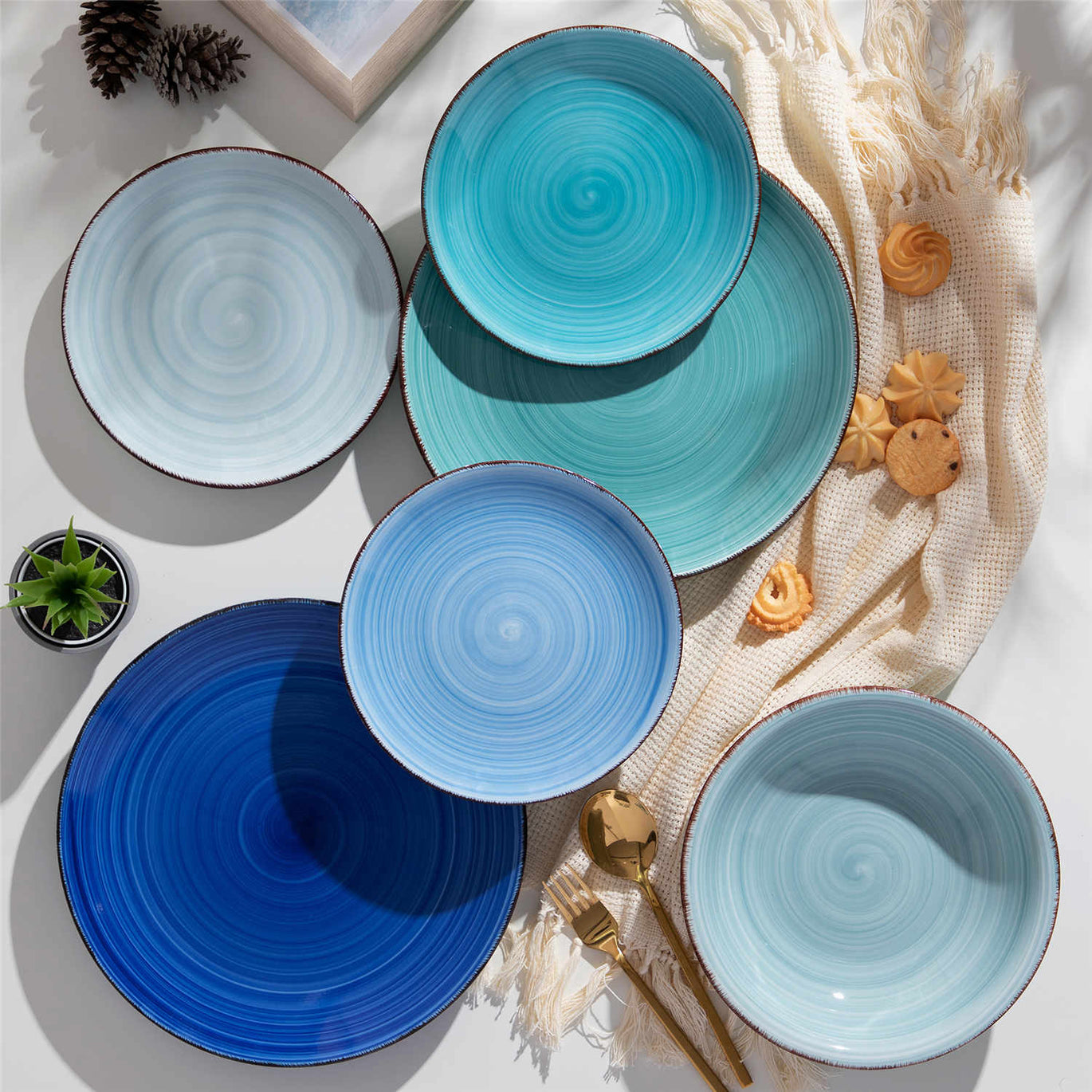


Finding Vintage Ceramic Tableware for Cottagecore Aesthetics

The dish that tipped me from casual admirer to full-blown vintage-tableware enthusiast was a wildly cheerful set of party plates. I spotted more than forty bright Waechtersbach pieces in a tiny Quebec shop, ignored every warning about luggage limits, and wrestled them home anyway. Only later did I realize that this kind of over-the-top, story-soaked tableware is being quietly offloaded every weekend at thrift stores, estate sales, and church basements, often for less than the price of a takeout lunch.
If cottagecore is about slowing down, layering nostalgia, and finding joy in the everyday, vintage ceramic tableware is its natural companion. A floral dessert plate turns Tuesday leftovers into a tiny celebration. A heavy stoneware mug makes morning coffee feel like a ritual instead of a rush. With the right mix of knowledge and intuition, you can build a cottagecore table that looks like it has been evolving for decades—without wrecking your budget or your cabinets.
This guide pulls together expert advice from ceramicists, antique specialists, and vintage-collecting writers to help you find, identify, care for, and safely enjoy vintage ceramic tableware with cottagecore charm.
Why Vintage Ceramics Feel So Cottagecore
Contemporary tableware trends lean hard toward minimalist, “Instagram-perfect” greige. Vintage dishes, by contrast, are gloriously opinionated. They come dressed in balloon motifs, bold stripes, transfer-printed landscapes, romantic florals, and scalloped rims edged in gold. A writer for a Canadian food magazine described becoming obsessed with vintage dishware after stumbling into that Waechtersbach set, precisely because it felt so joyful next to modern basics.
Beyond looks, vintage dinnerware carries stories. A set of midcentury Pyrex mixing bowls might echo someone’s grandmother. A stack of printed Homer Laughlin plates might trace back to S&H Green Stamp rewards and grocery runs in the 1950s. Collecting vintage pieces taps into what one beginner’s guide to vintage dinnerware called design history, nostalgia, and sustainability all at once.
Cottagecore amplifies those qualities. It celebrates the mix of handmade mugs with English transferware, crisp white Pfaltzgraff Heritage plates with chippy ironstone pitchers, and mismatched teacups grouped for a backyard tea under string lights. The point is not perfection; it is personality, comfort, and a sense that your table has been loved into being.

Know Your Clay: Earthenware, Stoneware, Porcelain, and Bone China
Before you fall for a pattern, it helps to know what the plate is made of. Different ceramic bodies behave differently in everyday use, and understanding them will save you heartbreak later.
Specialists in antique ceramics and handmade pottery typically talk about four main categories: earthenware, stoneware, porcelain, and bone china.
Earthenware is the oldest and most rustic of the group. It is fired at relatively low temperatures and stays naturally porous unless fully glazed. Think creamware, terracotta, tin-glazed wares like Delft, and many transferware plates. It usually feels slightly heavier and softer in the hand than porcelain, and unglazed areas will absorb water. Because earthenware is more absorbent and a little more brittle, it is prone to staining and needs gentler care. Many vintage transferware china guides recommend washing it soon after use and skipping the dishwasher to protect both glaze and pattern.
Stoneware is the everyday workhorse. High-temperature firing vitrifies the clay so it becomes naturally non-porous and strong even before glaze. Studio ceramicists often favor stoneware for mugs and bowls because it can handle daily use and has a satisfying heft. Antique-ceramics guides describe stoneware as opaque and dense, often finished with decorative glazes rather than relying on them for waterproofing. Many contemporary stoneware pieces are labeled dishwasher- and microwave-safe, but vintage or handmade examples still deserve caution: harsh detergents, intense water pressure, and crowding in the dishwasher can chip rims and dull glazes over time.
Porcelain is the smooth, often translucent “fine china” many of us associate with special-occasion sets. Traditional hard-paste porcelain is made from refined clays including kaolin, fired at very high temperatures so it rings clearly when tapped and does not absorb water. Soft-paste variants and bone china evolved later in Europe to imitate Chinese imports. Bone china mixes bone ash with other materials to achieve a white, luminous body that is lightweight but strong, and it became the hallmark of many English makers. These finer wares can absolutely be used at cottagecore tables, but they tend to chip more easily at thin rims and often carry metallic trims that require extra care.
To tie this together, it can help to think of the main bodies side by side.
Clay type |
Look and feel |
Best cottagecore use |
Care notes |
Earthenware |
Rustic, sometimes creamy or terracotta; opaque; can feel slightly porous |
Transferware, creamware, everyday cottagey plates and bowls |
Handwash, avoid long soaks and dishwashers; watch for staining and crazing |
Stoneware |
Dense, weighty, non-translucent; often speckled or matte |
Mugs, mixing bowls, hearty everyday dinner plates |
Can tolerate more use; still safer to handwash vintage or handmade pieces |
Porcelain |
Smooth, often translucent and bright white |
Tea sets, dessert plates, finer dinner services |
Handwash, especially with overglaze decoration or metallic trim |
Bone china |
Very white, light, and “ringy” when tapped |
Special-occasion cottagecore tea and dessert settings |
Treat gently; avoid thermal shock and harsh detergents |
Knowing which body you are holding informs everything from how high to stack it to whether it belongs in the dishwasher, which becomes critical once pieces are decades old.

Hunting Grounds: Where Cottagecore Plates Actually Live
There has never been a better time to rescue vintage ceramics. Demographic shifts—smaller households, fewer formal dining rooms in new homes, more people eating solo—mean the full dinner services that once anchored family life are now often seen as burdens. The result is an overabundance of vintage tableware looking for new homes.
Thrift Stores, Estate Sales, and Church Basements
Walk into almost any thrift store, estate sale, or church auction in North America and you will find stacks of orphaned plates, themed tea sets, novelty serving pieces, and sometimes entire coordinated services. One Canadian feature on thrifting dishware notes that sellers frequently struggle to give away large formal sets. In one striking example, a Russel Wright Iroquois dinnerware collection—hugely influential in modern tableware design and worth well over $1,000 to serious collectors—went for just $50 because the family simply needed it gone.
Estate sales can be emotionally complex. Adult children often do not have the space or desire to keep their parents’ painstakingly assembled china collections, so you may literally be buying the dishes someone ate every holiday meal from. A little empathy goes a long way. Treat the pieces—whether they are floral luncheon plates or stout ironstone platters—as souvenirs of someone else’s gatherings, and you bring that history into your own cottagecore rituals.
From a practical standpoint, be prepared to dig. White Pfaltzgraff Heritage dinner plates, for instance, blend easily into stacks of anonymous whiteware. In one collector’s account, the most beautiful plates were almost missed because they were hidden under another pile. Flip every plate, inspect every teacup, and do not be afraid of mismatched stacks; cottagecore tables love variety.
Online Treasure Hunts
When in-person shelves are sparse or you want to complete a pattern, online marketplaces are invaluable. Vintage-collecting guides consistently point to platforms with robust search and photo tools: large resell sites, dedicated tableware replacement services, and estate-sale aggregators.
One pattern-identification expert recommends starting with the maker and motif, then narrowing search filters by color, rim shape, and trim. If you have a clear photo of a plate or mark, tools like image search or phone-based visual search apps can surface visually similar items within seconds. Another long-time vintage china lover leans heavily on Pinterest and photo search to cross-check backstamps and patterns, then turns to resell listings to read how experienced sellers describe specific designs.
For value, members of a ceramic-identification community stress that prices are hyper-local and that most hobbyist groups avoid giving firm monetary valuations. Instead, they advise browsing sold listings on big marketplaces to see what similar pieces actually fetch, rather than what sellers hope to get.
Reading Listings with a Collector’s Eye
A practical framework from a swap-and-trade guide boils value down to four pillars: what the piece is, how it has lived, what it can safely do next, and how well it fits a story.
Material and craft come first. Earthenware has a different baseline value than bone china. Stoneware mugs meant for everyday use sit in a different tier than finely potted Art Deco vases. Condition comes next. Sellers and collectors often talk in informal grades: mint pieces have flawless glaze and sharp rims; excellent ones may show only light foot-ring wear; good pieces have honest utensil marks; fair items show more obvious scratches or small chips and suit casual use; project pieces with cracks or serious crazing are best as décor only.
Safety and performance matter deeply for tableware you plan to eat from. Pieces that have been tested to food-safety standards or clearly labeled lead-free and food-safe deserve a premium. Items marked “for decorative use only” or clearly crazed belong on the wall rather than under your dinner.
Finally, story and fit complete the picture. A complete service for twelve in a popular pattern commands different interest than four dessert plates perfect for layering into a blue-and-white cottagecore stack. A lone platter that matches your grandmother’s set might be worth more to you than any official price guide suggests. Let practicality and joy share equal billing.

Decoding Marks, Patterns, and Provenance
Part of the fun of vintage ceramics is detective work. The underside of a plate is often more revealing than its front.
Maker’s Marks and Backstamps
Antique-ceramics guides describe the maker’s mark—stamped, printed, impressed, or painted on the base—as the quickest route to identifying what you are holding. For plates and tableware, the mark may combine a logo, the company name, a region, and sometimes a pattern or designer name.
For example, Rosenthal porcelain went through a series of marks over its 140-year history. Early pieces from the late 1800s used a painter’s palette with the initials of founder Philipp Rosenthal. Later, the brand introduced the crown with crossed rods and stylized Rosenthal script that many collectors recognize today. Knowing which version you are looking at helps roughly date a piece within that company’s timeline.
English and continental makers often embed location clues as well. A reference on antique plates notes that simply having a country name strongly suggests production after international marking rules in the late 1800s. Phrases like “Made in England” or “Made in Germany” generally appear on pieces from the early twentieth century onward, driven by import regulations. Exact dating beyond that usually requires specialized mark guides and, for some makers, decoding letter-and-number codes.
The layered backstamps on Homer Laughlin pieces provide a good example of how much information can be packed into a mark. One vintage collector researching a family set found two separate stamps on each plate: one from Homer Laughlin and another from Cunningham & Pickett, who bought blank dishes and added their own Stratford floral design. In that system, the first letter-and-number pair on the Homer Laughlin stamp indicates the month and year (for that brand, F 50 marks a piece made in June 1950), while the second pair points to the plant and location, such as Newell, West Virginia. You do not need to memorize these codes, but knowing they exist encourages you to photograph and research marks rather than ignoring them.
Pattern Names, Forms, and Sizes
Patterns tell another part of the story. Some brands, like Fiesta, CorningWare, and Spode, use memorable names and colors—Medium Green Fiesta or Cornflower Blue CorningWare—that vintage guides catalog in detail. Others rely on alphanumeric codes or later scholar-assigned names. Haviland patterns, for instance, are often identified using a numbering system developed by researcher Arlene Schleiger.
Understanding plate forms and standard sizes also helps you navigate mismatched stacks. Antique-plate references describe typical diameters: dinner plates around 9 to 11 inches, salad plates in the 7.75 to 8.75 inch range, bread-and-butter plates closer to 6 to 7.75 inches, dessert plates around 6 to 7 inches, saucers about 5 to 6 inches with a central well, and large chargers or service plates at 11 to 13 inches. Platters stretch much longer. So if you find five larger plates and thirteen smaller ones in the same pattern, you may be looking at a partial set where someone slowly added extra bread plates over years, as one writer surmised about her great-grandmother’s china.
For cottagecore aesthetics, identifying the exact pattern name can be delightful but is not strictly required. It is often enough to know that a plate is English transferware, American ironstone, midcentury German stoneware, or 1960s Pfaltzgraff Heritage. Still, when you fall in love with a particular motif, investing time into proper pattern identification via mark guides and online databases pays off by making it easier to complete your set or responsibly rehome pieces later.
Is It Safe to Eat From?
The less romantic side of vintage ceramics is safety. Glazes and decorations that predate modern regulations can contain lead and other heavy metals, especially bright or metallic finishes. Several sources urge a cautious, informed approach.
A Canadian investigation into thrifting dishware highlights lead as a key risk factor. The Food and Drug Administration in the United States tightened lead limits on tableware in the 1970s and again in the 1990s, but not all older or imported pieces follow those rules. New York City health officials went so far as to issue public warnings after identifying a set of lead-poisoning cases linked to traditional or vintage dishware, particularly when used frequently and with acidic foods.
Vintage-dinnerware guides suggest a few practical strategies. Where possible, favor pieces that come with clear labels or maker documentation stating that they are lead-free and food-safe. Contemporary manufacturers such as HF Coors make a selling point of vitrified, non-porous ware that is independently tested to be lead- and cadmium-free and safe for ovens, microwaves, dishwashers, and freezers; this is the level of transparency you want to see in modern production pieces.
For older ceramics, especially those with very bright glazes, metallic trims, or uncertain origins, treat them as “low-frequency use” at most. Use them for serving dry or low-acid foods rather than stews or tomato-based sauces, or assign them to display and storage roles instead of everyday meals. Lead test kits provide some information, but experts caution that they may not detect low levels or all problem glazes, so test results should be considered one data point, not a guarantee.
Separate from lead, there is the question of cracks and crazing. Multiple care guides—from vintage china specialists to general ceramic-maintenance experts—note that fine networks of cracks in the glaze (crazing) and more obvious chips or hairline fractures can harbor bacteria and stains. Pieces with extensive crazing, especially on eating surfaces, are best repurposed as wall décor, plant-stand trays, or jewelry catchalls rather than dinner plates.
Care Rituals: Keeping Your Vintage Finds Glowing
Once you have handpicked the plates and mugs that make your heart skip, you want them to last. Fortunately, the core care principles for vintage and handmade ceramics are simple: be gentle, avoid sudden temperature shocks, and respect the materials.
Washing and Drying
Ceramic-care experts almost universally favor handwashing for vintage, delicate, or heavily decorated pieces. The reasoning is straightforward. Dishwashers subject dishes to high water pressure, intense heat, and aggressive detergents. Over time, that combination can chip rims, weaken older glazes, cloud glass, and strip gilded or overglaze decorations.
For everyday cleaning, several guides recommend a routine that is easy to fold into a cottagecore kitchen. Rinse off food soon after use. Wash in warm—not scorching—water using mild dish soap and a soft sponge or cloth, working in gentle circles rather than harsh scrubbing. Skip steel wool, scouring powders, and stiff brushes, especially on matte, textured, or hand-painted surfaces that scratch easily. Avoid prolonged soaking for vintage china, particularly pieces with gold trim or delicate decals, because extended soaking can soften or lift decoration.
For stain removal, natural methods are often enough. Articles on caring for vintage china and ceramic crockery highlight a few standbys: a paste of baking soda and water for gray utensil marks or light discoloration; a short soak in a dilute white-vinegar solution to break up mineral deposits; a brief treatment with a stronger hydrogen-peroxide solution for stubborn tea or coffee stains or discoloration in crazed areas. In every case, test in an inconspicuous spot first, rinse thoroughly, and dry with a soft, lint-free towel.
Microwaves deserve special mention. Handmade-ceramics makers warn that some glazes contain metal and can spark or overheat in microwaves, and even modern tableware with metallic trim is generally not microwave-safe. Vintage-care writers add that many older pieces were never designed for the rapid, uneven heating microwaves produce. As a practical rule, avoid microwaving vintage or handmade ceramic tableware unless the manufacturer explicitly states that it is microwave-safe and there is no metallic decoration.
Ovens and thermal shock are related concerns. Guides to using antique and vintage dinnerware explain that even heat-proof labels do not guarantee immunity to sudden temperature swings. Placing a cold vintage plate into a hot oven, or setting a hot platter onto a wet, cold metal sink, can create stresses that crack or shatter ceramics. For cottagecore feasts, pre-warm serving pieces gently with warm tap water and let hot dishes cool a bit before washing or refrigerating them.
Storage and Display
Storage is where cottagecore aesthetics and practical preservation meet. The goal is to keep your pieces safe without tucking them all out of sight.
For plates, several ceramic-care sources recommend avoiding tall, heavy stacks. Instead, group plates by size and place soft barriers—felt pads, thin foam, cloth napkins, or paper towels—between each one. Plate racks or dividers that let plates stand slightly apart reduce pressure on rims and make it easier to pull out one plate without dragging it across the one below.
Mugs and cups should not be stacked rim-to-rim, as studio potters and vintage-care writers both point out that stacking can chip rims and ruin the drinking edge. Hang mugs on hooks, park them on a mug tree, or line them in single layers on shelves. For bowls and serving pieces, follow the same basic rules: limit stack height, pad contact points, and put the heaviest stoneware on lower shelves to reduce the risk of dropping something weighty from above shoulder level.
Environmental conditions matter too. Ceramic-care guides suggest storing tableware in cool, dry, well-ventilated spaces away from direct sunlight, sinks, and dishwashers. Prolonged humidity can seep into porous bodies like earthenware, while sunlight can fade brightly colored glazes over many years. For seldom-used holiday or heirloom sets, cover stacks with clean cloths or store them in breathable containers with optional silica packets to help control moisture.
When it comes to moving or short-term storage, ceramicists sometimes wrap pieces in newspaper before placing them into sturdy boxes with plenty of padding between items. Vintage-china specialists caution that newspaper ink can transfer onto surfaces in long-term storage, so reserve newsprint for brief moves and choose ink-free packing paper, bubble wrap, or old towels for anything that will stay boxed for months.

Curating a Cottagecore Collection That Fits Your Life
With so much vintage tableware flooding the secondhand market, it is easy to overdo it. A feature on thrifting dishware notes that the traditional model—one large, formal dinner service passed down and cherished by each generation—is breaking down. Many adult children do not want to inherit cabinets full of china they will never use, which is part of why elaborate sets now appear at estate sales and in online listings at steep discounts.
For a cottagecore home, that shift is an opportunity and a responsibility. On the opportunity side, you can pick up a service for twelve that once cost a small fortune for the price of a single modern place setting, or cherry-pick a few dessert plates, teacups, and serving bowls that sing to you. On the responsibility side, you are essentially adopting objects with decades of history. The same sources that chronicle the flood of heirloom sets onto the resale market offer gently pragmatic advice: buy only what you can store and actually use, choose pieces that spark genuine daily joy, and accept that future generations may not feel obliged to keep every plate you love.
One beginner’s guide to vintage dinnerware advises mixing brands and patterns freely, combining blue-and-white Spode with colorful Fiesta, bone-china floral plates with sturdy ironstone. Cottagecore thrives on that layered, lived-in look. Mismatched stacks invite guests to choose a plate that suits their mood. A white Pfaltzgraff Heritage dinner plate under a delicate rose-sprigged dessert plate gives scale and calm. That approach also makes it easier to retire a damaged or lead-positive piece without “breaking” a set.
Rather than throwing damaged items away, several vintage guides encourage creative reuse. Crazed or chipped plates become wall art in a plate gallery, catchalls for keys by the front door, or staging platforms for candles. Single teacups turn into planters or candle holders. Broken fragments can be worked into mosaics on tabletops or garden edging. In a cottagecore setting, these repurposed pieces feel right at home alongside intact tableware, continuing their stories in new roles.
Throughout your collecting, let joy, safety, and practicality steer each decision. Learn enough about materials, marks, and care to protect both your health and your tableware. Use expert resources—from antique-ceramics guides to makers’ care instructions—to fill in the gaps when you encounter unfamiliar pieces. Then actually use your dishes. Serve weeknight pasta in transferware bowls. Pour morning coffee into a stoneware mug thrown by a studio potter. Stack dessert plates in a sunny corner where you can admire them even when they are empty.
The magic of cottagecore dining is not in owning the “right” pattern, but in turning everyday meals into small, sensory celebrations. Vintage ceramic tableware, chosen thoughtfully and cared for kindly, will meet you there at the table, ready to work and ready to charm.

References
- https://smart.dhgate.com/expert-tips-for-safely-cleaning-and-maintaining-delicate-ceramic-tableware/
- https://www.homesandantiques.com/antiques/antique-ceramics-guide
- https://myweatheredhome.com/collectible-pottery/
- https://www.pineandprospecthome.com/collecting-vintage-pfaltzgraff-heritage-dishes-tips-and-tricks/
- https://www.rosenthal.de/en-de/tips-for-collectors.html
- https://www.whiteandwoodgrain.com/4-tips-for-identifying-vintage-china-and-antique-dishes/
- https://www.yahoo.com/lifestyle/identify-antique-vintage-ceramics-according-162300717.html
- https://www.astialiisa.com/page/21/how-to-take-care-of-your-vintage-dishes?srsltid=AfmBOopzVhpgOh6fxzYX8EW-lgRbv1kXq7fD1M82cpL-X71d4rbJPv07
- https://chatelaine.com/food/thrifting-dishware/
- https://ggclayworks.com/blog/looking-after-handmade-ceramics/
Tu pourrais aussi aimer
Stern Ensemble de vaisselle 16 pièces
- À partir de €72,95
€96,95- À partir de €72,95
- Unit price
- pour
-
Blue
-
Green
-
Red
-
Grey
Bonita Service de table 18 pièces
- À partir de €60,95
€74,95- À partir de €60,95
- Unit price
- pour
-
Blue
-
Multicolor
Simi Ensemble de vaisselle de 24 pièces
- €96,95
€129,95- €96,95
- Unit price
- pour
Service de vaisselle étoilé 16 pièces
- €73,95
€86,95- €73,95
- Unit price
- pour
-
Blue
-
Green
-
Red
-
Gradient Green