



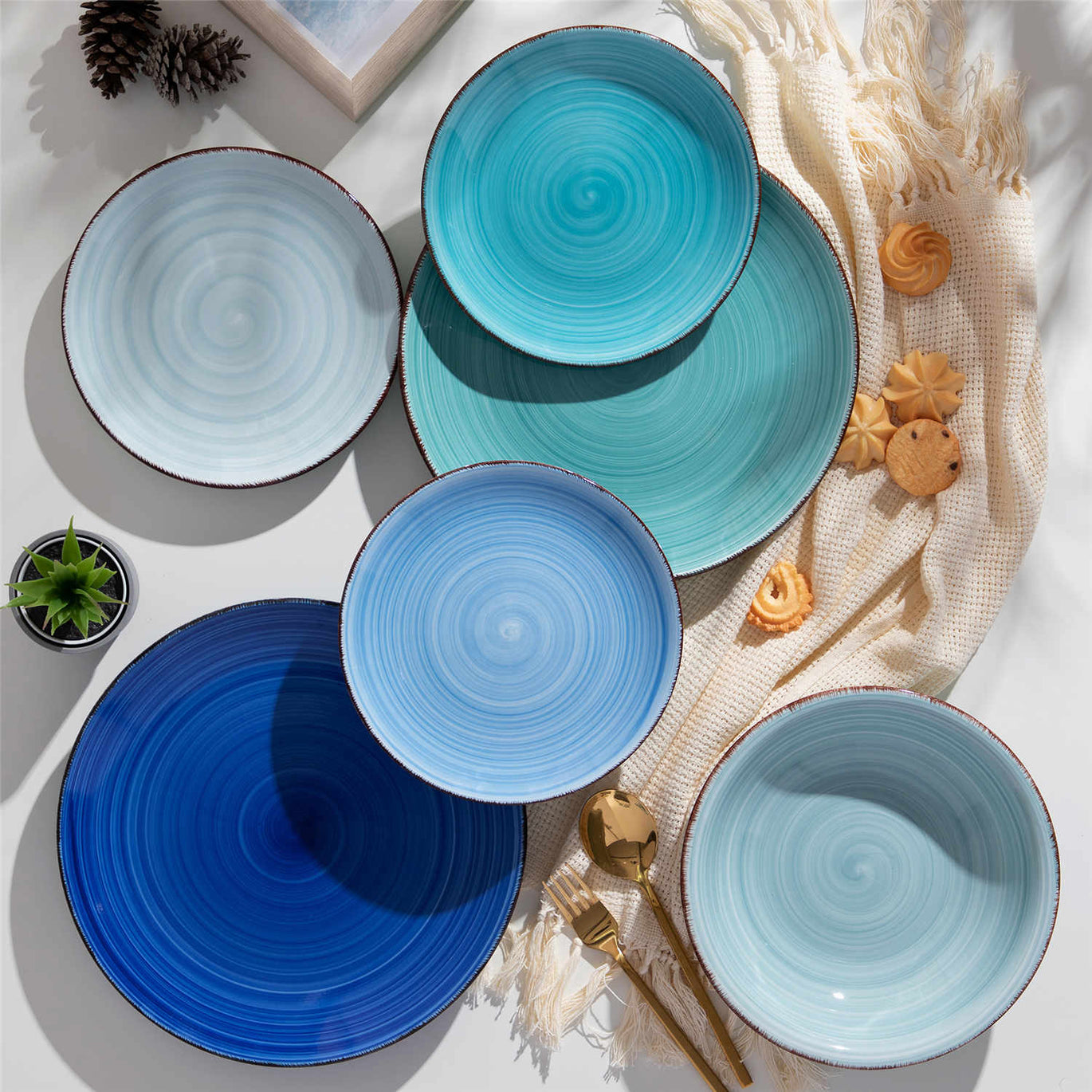


Understanding Cross-Cultural Perceptions of Children’s Ceramic Tableware

Kids’ plates are never just plates. They are tiny stages where culture, safety science, family values, and childhood memories all sit down together. Around the world, some children eat from sturdy stainless steel, others from bright plastic, others from delicate ceramic bowls that look just like the grown‑ups’ dishes. As a colorful tabletop obsessive and pragmatic joy curator, I spend a lot of time asking a deceptively simple question: what do we want our children to feel and absorb when they sit down at the table?
In this article, we will walk through what different cultures and experts say about children’s ceramic tableware. We will look at the chemistry under the glaze, the social meaning of “real” plates, and how families from Virginia to India and beyond are balancing tradition, design, and health. Along the way, I will share practical checklists, pros and cons, and some lived observations from styling kid tables that actually get used, not just photographed.
Why Children’s Tableware Materials Matter So Much
Children’s plates and cups touch food again and again, day after day. A guide from Wellthya notes that kids’ dinnerware can contact food more than twenty times a day, which means any material that leaches chemicals has a constant direct route into small bodies. Multiple sources, including the California Department of Public Health, LittleKind, Anzhu, and several ceramic and kids’ tableware brands, converge on a simple message: material safety matters just as much as cute colors.
Plastic dishes marketed as “kid-safe” or “BPA‑free” often still contain other plasticizers and additives. Emerson Creek Pottery and Wildini both highlight that common plastics can include phthalates such as DEHP, DBP, BBP, DINP, DIDP, and DNOP, along with BPA or its substitutes. These chemicals make plastics flexible and durable, but they do not stay locked in forever. When plates are heated, scratched, or worn, small amounts can migrate into food.
Endocrine‑disrupting chemicals such as BPA, BPS, and phthalates interfere with the hormone systems that guide growth, metabolism, brain development, and reproductive health. LittleKind points out that infants and toddlers are especially vulnerable because their brains and hormone networks are developing rapidly and their bodies are smaller. Even low‑level, chronic exposure from everyday dishes can add up.
Ceramic and glass avoid many of those plastic concerns, but they carry their own safety story. In ceramics, the core risk is not the clay itself; it is the glaze and any decorative paints. Lead and cadmium have historically been used to create bright, glossy surfaces. The California Department of Public Health explains that lead can leach from some glazes into food and drink, especially when the food is hot or acidic, or when dishes are cracked or worn. Lead accumulates in the body over time and is particularly harmful for children and pregnant women, affecting learning, behavior, and development.
This is why “non‑toxic” cannot just mean “ceramic instead of plastic.” It must mean verified materials, tested glazes, and everyday habits that keep dishes in safe condition.

What “Non‑Toxic” Really Means for Kids’ Dishes
Anzhu, a long‑time bamboo and wooden dinnerware manufacturer, defines non‑toxic kids’ dinnerware as pieces that are free of harmful chemicals, independently tested for food‑contact safety, and durable enough for daily use. Across the sources, the main hazard categories repeat with striking consistency.
Plastics can hide BPA, BPS, and phthalates. These chemicals are linked to hormonal disruption, reproductive development issues, and metabolic changes. Wildini cites research from UCLA where even BPA substitutes like BPS triggered similar effects to BPA, leading researchers such as Hong‑Sheng Wang to question whether “BPA‑free” is truly reassuring.
Ceramics can hide heavy metals in glazes. The California Department of Public Health flags traditional glazed terra cotta ware, some highly decorated dishes from certain Asian communities, home‑crafted pottery with unknown glazes, and antiques as particular concerns. Bright interior decorations, raised over‑glaze designs, and chalky or corroded surfaces are red flags. Even low‑level lead exposure can contribute to developmental delays and learning problems in children.
Melamine, a hard plastic often used in colorful kids’ sets, is made from melamine and formaldehyde. Wellthya notes research showing that melamine dishes can release melamine into food, with one cited study finding that children’s melamine levels in urine rose up to about eight and a half times after a single hot meal served on melamine. Compounds can accumulate in the kidneys, increasing the risk of stones and damage. Melamine wear also leads to scratches and stains that harbor bacteria, and many sources recommend avoiding melamine entirely for hot or acidic foods.
Bamboo composites sound wholesome but can be deceptive. Anzhu emphasizes that dishes made from bamboo powder mixed with melamine resin can release formaldehyde when heated. Only truly melamine‑free plant‑based products with safe binders are considered genuinely non‑toxic.
PFAS “forever chemicals” add another layer. These show up in stain‑resistant or non‑stick coatings marketed as easy‑clean. LittleKind notes that PFAS can persist in the body and environment and are associated with immune and developmental problems, so uncoated surfaces are usually safer for children.
Taken together, the safest materials highlighted across sources are food‑grade stainless steel, high‑quality platinum‑cured silicone, tempered glass, and certified lead‑free ceramics. Each culture leans into these options differently, but the chemistry consensus is surprisingly universal.

Ceramic in the Global Tableware Story
Ceramic is not a trend; it is a human habit. Emerson Creek Pottery reminds us that people have made functional and artistic ceramic wares for an estimated thirty thousand years. Clay and fire turned into vessels long before plastic, stainless steel, or silicone existed.
When ceramic is properly made and lead‑free, it is wonderfully inert. Childish Plates notes that the Food and Drug Administration considers ceramic one of the safest materials for food use when it is correctly glazed and lead‑free. It is stable, easy to sanitize, resists deep scratches that harbor bacteria, and can withstand microwaves and dishwashers without melting or warping.
Wildini echoes this, explaining that well‑fired, safe‑certified ceramic mugs do not leach chemicals into hot drinks, whereas plastics, including many BPA‑free plastics, can soften and release plasticizers when heated. Parents can safely warm drinks directly in kid‑sized ceramic mugs and then run them through the dishwasher, as long as glazes have been tested under strict standards such as California Proposition 65.
Environmentally, ceramic has its own arc. Wildini points out that producing ceramic mugs can require several kiln firings at temperatures above about 2,200°F, which uses significant energy. However, industrial potteries often use heat‑recovery systems and batch firing, and the resulting pieces can last for years or decades. When they eventually break and enter landfills, clay‑based ceramics return largely to inert earth and are relatively benign compared with persistent plastics.
So ceramic offers a compelling combination of history, sensory pleasure, and chemical stability. But in children’s tableware, it is also wrapped up in questions of identity and belonging.

The Appeal of “Real” Ceramic for Children
Several sources argue that children deserve “real” things. Emerson Creek Pottery explicitly pushes back against the idea that kids need cheap, noisy plastic designed just for them. Instead, the author suggests that children often prefer simple, durable, real items such as wooden blocks and ceramic dishes similar to adults’ tableware. Eating and working alongside adults with similar tools builds a sense of belonging.
Childish Plates builds on this idea with purpose‑designed ceramic plates for kids. They are not simply shrunken adult plates; they are meticulously tested for grip, weight, and edge curves so toddlers can easily scoop food. Removable silicone rings under the plates help them stay put on the table, offering friction without turning the experience into a suction‑cup toy. This combination lets children practice handling breakable objects while parents have a margin of practical sanity.
Wildini’s BittyMugs, kid‑sized ceramic mugs, are designed so many children around ages two to six can drink independently. The mug’s thick rim, comfortable handle, and familiar ceramic weight create a sensory experience closer to the grown‑up world than a flimsy plastic cup. Wildini notes that children often love these mugs so much that parents can barely wash them fast enough.
There is also a developmental argument. When children learn to manage breakable ceramic carefully, they are not just avoiding spills; they are building fine motor skills, impulse control, and respect for shared objects. A Queensland kindergarten teacher reflected on how ceramic bowls and glass vases in her classroom symbolize trust in children’s competence. Even while she considered a no‑shoes policy, the presence of real, breakable tableware sparked an ongoing conversation about safety, responsibility, and independence.
Across these examples, ceramic is more than a neutral material. It signals that children are full participants in family and community life.

Safety Caveats: Lead, Glazes, and Cultural Traditions
The romantic story of ceramic comes with a clear safety asterisk: only when it is properly made and used.
According to the California Department of Public Health, lead in tableware usually comes from glazes or surface decorations. Time, heat, and acidity increase the amount that can leach into food and drink. Certain dishes are more likely to contain lead. The state’s guidance highlights traditional glazed terra cotta from some regions, especially pieces not labeled lead‑free or “sin plomo” in Spanish, as higher risk. Highly decorated traditional dishes from some Asian communities, homemade pottery with unknown glazes, bright interior decorations, raised over‑glaze designs, antiques, and any pieces with corroded or chalky glazes also fall into the caution zone.
California’s Proposition 65 requires businesses to warn the public when exposure to chemicals such as lead exceeds set limits. Tableware below those leaching limits is categorized as safe in this framework, while pieces above the limits must carry a warning label if they are sold at all. The Food and Drug Administration also enforces national limits on lead in tableware, and products that exceed them cannot legally be sold in the United States. Even so, older or imported pieces in homes may not meet these modern standards.
The Department of Public Health explains that lead‑free tableware contains no lead, while lead‑safe tableware may contain some lead in its glaze but is formulated so that very little can leach into food, staying below Proposition 65 limits. For children, particularly in families who already face lead exposure from old paint or soil, most experts recommend erring toward truly lead‑free pieces whenever possible.
The guidance for families is pragmatic rather than alarmist. Avoid using high‑risk pottery for hot or acidic foods, avoid storing food in such dishes, and do not microwave them. Highly acidic foods such as tomato‑based dishes, citrus, or some sauces are more likely to draw out lead from glazes. If a ceramic piece is chipped or cracked so that glaze integrity is compromised, it should be removed from food use altogether and can be repurposed as a decorative object instead.
This has cross‑cultural implications. A hand‑painted serving bowl from a market abroad may carry deep emotional meaning, but it may also not have been tested under the same regulations. Many families choose to keep treasured traditional pieces for dry foods, fruit, or display while investing in modern, certified lead‑free ceramic for children’s daily meals.

Beyond Ceramic: How Cultures Balance Safety and Tradition
The way families around the world choose children’s tableware reflects both science and habit.
In the United States, a growing wave of parents is moving away from bright plastic and melamine toward lead‑free ceramic, glass, stainless steel, and high‑quality silicone. Emerson Creek Pottery, Wildini, Childish Plates, and LittleKind are all part of this conversation. Their messaging focuses on avoiding endocrine disruptors and heavy metals while honoring kids’ need for real, aesthetically pleasing objects.
At the same time, a social media post captured the pragmatic side of this shift. A parent who had bought Elk brand plates admired their non‑toxic profile but found them uncomfortably heavy for everyday use. She began considering stainless steel plates as a more user‑friendly option and also weighed using lightweight Corelle as a “risk it” compromise for durability and ease. This snapshot shows how even within one culture, families juggle weight, durability, safety, and cost.
In India, Wellthya describes many parents moving toward rainbow‑finished stainless steel dinnerware for children. Stainless steel is framed as the obvious safe choice: one hundred percent food‑grade, free from BPA, lead, phthalates, and similar toxic chemicals, shatterproof, scratch‑resistant, and extremely durable. The rainbow finish offers visual excitement similar to colorful plastic but without the same health or environmental downsides. Parents are encouraged to start by replacing the most frequently used plates and bowls and to involve children in choosing their own colors as a way of teaching both safety and environmental responsibility.
Stainless steel’s dominance in this context subtly shifts how ceramic is perceived. Ceramic is acknowledged as beautiful and heat‑friendly, but the practicality and cultural familiarity of steel for lively, sauce‑heavy meals make it a more central choice for everyday kids’ dishes in many Indian households.
Anzhu, with its focus on bamboo and wooden kids’ dinnerware, adds another cultural layer. Their emphasis on biodegradable, eco‑standard products speaks to regions and communities where disposable yet plant‑based options are needed for events, travel, or large‑scale food service, and where reusability may be constrained by infrastructure or tradition.
In Mexico and parts of Asia, the California Department of Public Health’s warnings about some traditional terra cotta and decorated dishes highlight another cross‑cultural tension. Handmade pottery and heritage designs are deeply meaningful, yet not all have switched to modern, lead‑free glazes. The solution many families adopt is hybrid: keep traditional pieces in the visual heart of the home and use independently tested, lead‑free ceramic or stainless steel for children’s everyday meals.
And in early childhood classrooms from Queensland to North America, educators experiment with using ceramic and glass during snack time to signal trust and capability. They often rely on risk assessments, intentional routines, and sometimes shoe policies to make this work, blending safety regulations with pedagogical beliefs about how children learn responsibility.

Material Comparison: Where Ceramic Shines and Where It Struggles
All of this context sets the stage for a practical question parents everywhere ask: how does ceramic compare to other common materials for kids?
Below is a concise snapshot drawn from the research notes and brand guidance discussed so far.
Material |
Safety highlights (based on sources) |
Practical quirks |
Cultural context hints |
Lead‑free ceramic |
Inert when properly glazed and tested; no chemical leaching at any temperature; FDA and Proposition 65 frameworks support safety when limits are met. |
Breakable if dropped; can chip; heavier than plastic; dishwasher and microwave safe for most modern pieces; must be retired if cracked or chipped. |
Seen as “real” tableware in US and many Western contexts; traditional ceramics central in many cultures but not always lead‑free. |
Plastic (including some “BPA‑free”) |
Lightweight and unbreakable, but often contains phthalates and BPA or BPS; endocrine disruption risk highlighted by Emerson Creek Pottery, Wildini, and LittleKind. |
Scratches, warps, and absorbs odors; can leach more chemicals when heated or worn. |
Historically dominant in Western kids’ products; increasingly questioned by health‑conscious parents worldwide. |
Melamine |
Hard, colorful, and shatter‑resistant; but research cited by Wellthya shows melamine migration into food and increased melamine levels in children’s urine after hot meals. |
Cannot safely be used with hot or acidic food; degrades with dishwashing; stains and odors; often recommended to be replaced every year or two. |
Widely marketed globally as kid‑friendly, now under scrutiny for health reasons. |
Stainless steel |
Food‑grade stainless steel is non‑porous and chemically stable; Wellthya and Anzhu highlight zero leaching at any temperature when quality is high. |
Almost impossible to break; may feel colder or less “cozy”; can be heavier than plastic but lighter than some ceramics; fewer printed designs unless colored finishes are used. |
Everyday staple in many Indian homes; increasingly adopted in Western non‑toxic circles. |
Silicone (high‑quality, platinum‑cured) |
LittleKind and Anzhu present platinum silicone as BPA‑free, PVC‑free, phthalate‑free and safer under heat than many plastics. |
Very flexible; some parents dislike the feel; quality varies widely; must be verified as food‑grade and tested. |
Popular for suction plates and training cups globally; often paired with other materials. |
Bamboo composite vs. melamine‑free bamboo |
Composites with melamine resin can release formaldehyde when heated; truly melamine‑free options fare better. |
Usually hand‑wash only; can age faster than steel or ceramic. |
Marketed as eco‑friendly; Anzhu emphasizes strict standards for safe versions. |
Tempered glass |
Chemically inert and free of plasticizers and heavy metals. |
Breakable; shards can be sharp; better suited for older children who drop dishes less often. |
Common in Western non‑toxic recommendations for older kids and adults. |
In this landscape, lead‑free ceramic emerges as a strong candidate for daily kids’ dishes when it is properly sourced and used with care. It is not automatically safer than stainless steel, but it offers a sensory and cultural experience that many families value deeply.
Practical Guidance for Choosing Children’s Ceramic Tableware
Now let us turn all this research into decisions you can make in front of an actual shelf or online product page.
A Safety Checklist Before You Buy
Begin by checking how clearly the manufacturer talks about safety. Emerson Creek Pottery, Wildini, Childish Plates, Wellthya, LittleKind, and Anzhu all model transparent language: they state that their products are lead‑free or lead‑safe, specify that they meet Food and Drug Administration rules, Proposition 65 standards, or other food‑contact regulations such as LFGB or ASTM, and often mention independent testing.
For ceramic, look for explicit labels that say lead‑free or clearly describe compliance with Proposition 65 or equivalent standards. If a plate has bright colors and decorations on the food‑contact surface but no mention of testing or compliance, be cautious. The California Department of Public Health suggests that plain white interiors tend to be lower risk, and that decorations on the outside or rim are generally safer than decorations where food rests, as long as the glaze is intact.
Avoid using chipped or cracked ceramic for children’s meals. Chips can expose underlying glaze layers and accelerate leaching, especially with acidic sauces. Pieces with chalky, dusty, or corroded glazes should be retired from food use entirely.
For families who love traditional pottery from specific regions, consider using these pieces for serving dry foods, fruit, or as decorative items, while keeping daily soups, stews, and saucy dishes in modern, verified lead‑free ceramic or stainless steel.
When to Introduce Ceramic at the Table
Parents often ask at what age a child is “ready” for ceramic. The research notes do not prescribe a strict age, but they paint a picture of what readiness looks like.
Wildini observes that many children around ages two to six can use child‑scaled ceramic mugs independently when the shape and size are well matched to their grip. Childish Plates designs thicker, toddler‑tested plates that survive drops to the floor more gracefully than fragile porcelain, and Emerson Creek Pottery encourages parents to supervise meals and eat with their babies to reduce plate throwing, rather than relying on unbreakable plastic as the only solution.
In practice, this means you can start introducing ceramic in a supervised way once your child can sit steadily at the table, grasp and release objects intentionally, and follow simple instructions about being gentle. For some families, that might be a sturdy ceramic bowl for oatmeal while an adult sits right next to the child. For others, it might be a single special mug that only comes out at snack time.
In many cultures, the transition to “real” dishes is a ritual. Children might receive a first ceramic plate as a birthday gift or a symbol of trust. Letting your child help choose a pattern or color is not just fun; Wellthya and other brands note that involvement builds buy‑in, making kids more eager to care for their plate and to sit at the table.
Caring for Ceramic So It Stays Safe and Beautiful
Once ceramic enters your child’s rotation, good care is part of safety.
Elfin View’s care guide recommends hand‑washing delicate or porous pieces in warm water with mild detergent and a soft sponge, while acknowledging that most modern porcelain and stoneware are technically dishwasher safe. Abrasive pads and steel wool should be avoided because they can scratch surfaces and wear glazes prematurely.
To address metal utensil marks on ceramic, Elfin View suggests gently rubbing a paste of baking soda and water on the marks with a soft cloth, then rinsing. Stubborn food stains can be approached by soaking the piece in warm, soapy water or in a half‑water, half‑white‑vinegar solution before rinsing thoroughly. For tea and coffee stains in mugs, a baking soda paste left for about fifteen minutes before a gentle scrub works well.
Small chips on non‑food‑contact edges can sometimes be smoothed with a food‑safe ceramic epoxy, but for children, the more conservative route is often best. Anything with a chip on the food‑contact area or a hairline crack should be removed from mealtime. Elfin View notes that hairline cracks are structural warning signs and that cracked pieces are better reassigned as decorative items.
Glazed ceramics tend to be less porous and easier to clean than unglazed ones, making them a sensible choice for kids. Unglazed surfaces may require more careful cleaning to avoid deep staining and may not be as forgiving with tomato sauces or brightly colored curries.
Blending Materials: Building a “Global” Kid Place Setting
One of my favorite approaches, especially for cross‑cultural families, is to treat the kid place setting as a curated mix rather than a single‑material uniform.
You might pair a lead‑free ceramic bowl with a stainless steel divided tray, letting your child enjoy the weight and sensory delight of ceramic for soups or yogurt while relying on steel for experimental food play. A platinum silicone cup or straw can coexist with a ceramic mug, giving options for both toddler tumbles and “I want the same mug as you” moments.
This blend mirrors the global conversation in the research. Anzhu mixes bamboo and stainless steel in its recommendations, Wellthya leans into stainless steel, Emerson Creek Pottery and Childish Plates champion ceramic, and LittleKind elevates platinum silicone. Your family can borrow the best of each tradition to build a table that feels both safe and rooted in your own story.
Pros and Cons of Children’s Ceramic Tableware in a Cross‑Cultural Lens
Looking across all of this research and real‑world experience, ceramic sits in an interesting sweet spot.
On the pro side, lead‑free ceramic offers a non‑plastic, non‑melamine surface that remains stable under high heat. It moves seamlessly from microwave to table to dishwasher in many homes. Its sensory appeal is powerful: the cool smoothness of the glaze, the reassuring weight in a child’s hands, the way colors and illustrations can feel sophisticated rather than cartoonish. Brands such as Childish Plates and Wildini show that ceramics can be engineered specifically for kids without sacrificing aesthetics.
Ceramic also carries cultural and emotional weight. A child using a plate that echoes the grown‑ups’ dinnerware experiences an everyday message of belonging. For families with deep ceramic traditions, such as certain Mexican, Asian, or European communities, sharing the look and feel of heritage ware with children can be profoundly meaningful, especially when modern lead‑free versions are available.
On the con side, ceramic demands respect. It can chip or break if thrown or dropped on hard floors. That makes it less forgiving in daycare or cafeteria settings where supervision is stretched thin and spills are constant. It is also heavier than plastic or some stainless steel options, which can be a challenge for very young children or adults with limited strength. The Facebook reflection on Elk’s heavy plates illustrates that even committed non‑toxic parents sometimes bump into the limits of what feels usable day after day.
Finally, the lead question is non‑negotiable. Not all ceramics are created equal. Traditional pieces from small workshops or older antiques may not meet modern safety standards. The California Department of Public Health’s guidance, along with warnings from LittleKind and Anzhu about heavy metals in glazes, underscores that parents should never assume that “ceramic” automatically equals “safe.” Sourcing from brands that clearly state lead‑free and testing compliance is essential, especially for children who already face environmental burdens.
In many ways, children’s ceramic tableware becomes a mirror of our larger cross‑cultural values. Some cultures emphasize unbreakable practicality, others prioritize ritual and beauty, and most families ultimately craft a hybrid that feels like home.
FAQ
Is ceramic or stainless steel safer for children?
Research summarized by Anzhu and Wellthya often positions high‑quality food‑grade stainless steel as the most universally safe choice because it is non‑porous, non‑reactive, and does not leach chemicals at any temperature. Lead‑free ceramic, however, is also considered very safe by agencies such as the Food and Drug Administration when glazes meet strict standards and do not contain lead or cadmium. The trade‑off is that ceramic can break and must be monitored for chips and cracks, while stainless steel is nearly indestructible but offers a different sensory experience. Many families use both, leaning on steel for rough everyday use and ceramic for shared family meals.
How can I tell if a ceramic plate is safe for my child?
Look for clear statements that the piece is lead‑free or that it meets standards such as California Proposition 65 and Food and Drug Administration regulations. The California Department of Public Health suggests being cautious with brightly decorated interiors, raised over‑glaze designs, traditional terra cotta ware not labeled “lead‑free” or “sin plomo,” and any dishes with worn, chalky, or cracked glazes. Plain white interiors from reputable brands are generally lower risk. If in doubt, contact the manufacturer’s customer service or quality control team and ask whether the line meets Proposition 65 lead standards or equivalent limits.
Is it safe to let kids use vintage or hand‑painted pottery?
From a safety standpoint, especially for children, it is best to avoid using vintage, antique, or untested hand‑painted pottery for food and drink. The California Department of Public Health notes that some older or imported wares can leach enough lead to cause serious poisoning, particularly when used with hot or acidic foods or for long‑term storage. If you love the look of vintage pieces, consider using them as serving dishes for wrapped foods, for flowers, or as decor, and reserve modern tested lead‑free ceramic or stainless steel for your child’s everyday meals.
When we invite children to the table with thoughtfully chosen dishes, we are teaching them how to care for themselves, for objects, and for the world that made those objects. Whether your family leans toward rainbow stainless steel, thick kid‑proof ceramic, or a globally inspired mix, the goal is the same: a table where safety, culture, and joy can sit down together and stay awhile.
References
- https://arts.unl.edu/art/ceramics-safety-policies/
- https://www.southtexascollege.edu/academics/visual-arts/safety/ceramics.html
- https://www.cdph.ca.gov/Programs/CCDPHP/DEODC/CLPPB/CDPH%20Document%20Library/CLPPB-potterybroch(E).pdf
- https://www.santacruzhealth.org/PublicHealth/ChildrenFamilyHealth/CLPPP/CommonSourcesofLead/CeramicDishesandCookware.aspx
- https://www.childishplates.com/?srsltid=AfmBOoq74l5DjH0_8JZTR32rhxmiClvQ1K_MNySVXZxbeUsx1EJv-QuX
- https://www.healthierhomes.com/organic-dinnerware?srsltid=AfmBOopTiHaDj61Yiu87cwniKioZZRMNjAxGjHjJ5ji19PO9YqwxWxT0
- https://www.anzhucraft.com/non-toxic-dinnerware-for-kids/
- https://ashleyalexiscreative.com/non-toxic-dinnerware-that-kids-and-parents-will-love/
- https://www.childrens.com/health-wellness/are-plastic-chemicals-leaking-into-your-childs-food
- https://www.elfinview.com/care-for-ceramic-tableware/
Potrebbe piacerti anche
Stern Set di stoviglie da 16 pezzi
- Da €72,95
€96,95- Da €72,95
- Prezzo unitario
- per
-
Blue
-
Green
-
Red
-
Grey
Bonita Set di stoviglie da 18 pezzi
- Da €60,95
€74,95- Da €60,95
- Prezzo unitario
- per
-
Blue
-
Multicolor
Simi Set di stoviglie 24 pezzi
- €96,95
€129,95- €96,95
- Prezzo unitario
- per
Set di stoviglie stellate da 16 pezzi
- €73,95
€86,95- €73,95
- Prezzo unitario
- per
-
Blue
-
Green
-
Red
-
Gradient Green