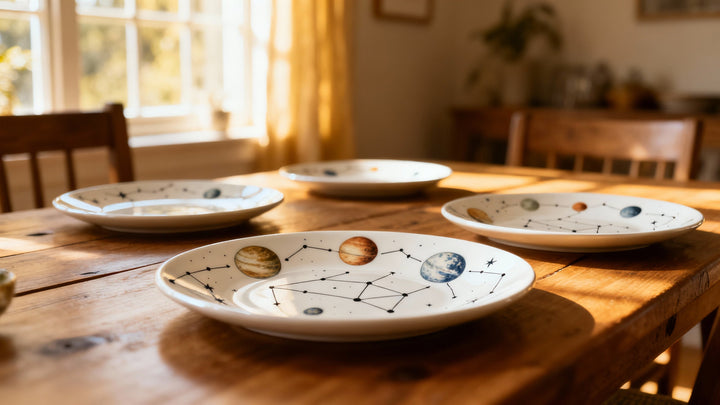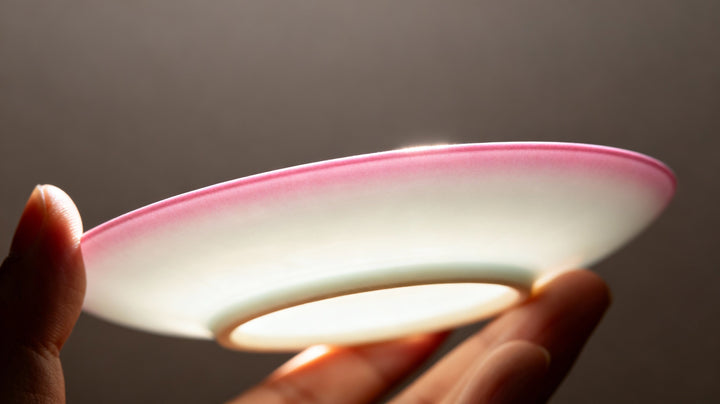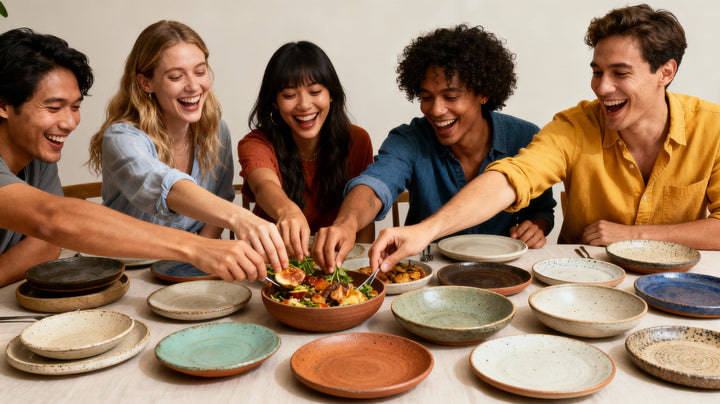


Ceramic plates, bowls, and mugs for children look charming on a shelf, but their real magic happens in tiny hands at the table. When we choose ceramic dishware thoughtfully, we are not just picking colors and shapes. We are curating a learning environment, telling cultural stories, and shaping how children feel about food, family, and themselves.
Educators who work with authentic materials in early childhood settings often describe the environment as a “third teacher.” Sanctuary Learning draws on the Reggio Emilia tradition to show how real items like ceramic jugs, bowls, and plates invite curiosity, care, and deeper engagement than generic plastic toys. When we bring children’s ceramic dishware to the table, we are inviting that same kind of learning into everyday meals.
In this article, we will explore what makes ceramic tableware special, how it supports children’s health and development, and how to use it as a playful cultural and educational tool at home and in school.
From “Just a Plate” to a Tiny Classroom
Many parenting and lifestyle guides now frame mealtime as a developmental powerhouse. A research-based cooking skills framework published in a public health journal breaks children’s food-preparation skills into specific actions like pouring, stirring, mashing, cutting, and using an oven, each linked to particular hand grasps, coordination demands, and safety requirements. That same lens helps us see that handling a plate or mug is not a neutral act. It is a motor task, a sensory experience, and a social ritual all at once.
Baby feeding guides such as Babycutlery and design-focused brands like Skandino emphasize that early eating is about far more than getting calories in. It is about fine motor skills, hand–eye coordination, independence, and healthy habits. Plates with higher rims help children push food onto spoons. Angled edges guide food into a corner so it is easier to scoop. Child-sized utensils encourage a secure grasp. These are all design cues that turn dishware into teaching tools.
When those teaching tools are ceramic, we add extra layers: weight, temperature, sound, cultural meaning, and aesthetic pleasure. A child does not just see bright color. They feel the cool smoothness of porcelain before warm oatmeal is served and hear the satisfying clink of a mug on the table. Lakeside Pottery’s long-term work with children in clay studios shows how this kind of rich tactile feedback helps motor skills, focus, and confidence. The same principles show up when a child uses a real ceramic dish instead of a nearly weightless disposable plate.

What Makes Ceramic Dishware Different?
Before we dive into culture and curriculum, it helps to understand what ceramics actually are and how they compare to other materials commonly used for children’s tableware.
Ceramic, Porcelain, Stoneware – the Basics
Ceramic is a broad term for objects made from clay and other minerals that are shaped, dried, and fired in a kiln. Glazed ceramic tableware, as described by Saje Rose, is durable, non-toxic, and aesthetically flexible, able to hold heat or coolness well and survive daily use when properly made.
Porcelain is a particular kind of ceramic. MALACASA explains porcelain as a high-fired, non-porous clay body that is chip-resistant, strong, and often elegantly finished with a glossy white surface. It does not absorb odors or flavors and is typically both microwave-safe and dishwasher-safe when designed for food use. Their children’s sets show how porcelain can combine durability, visual appeal, and mealtime etiquette, making everyday meals feel a bit special.
Stoneware is another high-fired ceramic body known for density and chip resistance. A supplier like CHANGSHA HAPPY GO DIN positions stoneware dinner plates as robust everyday tableware. Their products use reactive glazes that flow and interact during firing, creating streaky or speckled patterns. Decals can be applied to finished wares and refired so that designs fuse into the glaze. Because decorative techniques and glazes can involve metals, researchers point out that it is important to confirm that stoneware meets food-contact safety limits for substances like lead and cadmium.
In short, while ceramic, porcelain, and stoneware differ in composition and firing temperature, all are forms of fired clay. Properly made and certified, they share key traits that matter for children: hardness, durability, non-porous surfaces, and the ability to keep food warm or cool for longer.
Health and Safety: Beyond BPA-Free Stickers
The conversation about children’s dinnerware often starts with what to avoid. Wellthya highlights that plastics and low-quality melamine can leach chemicals such as BPA, phthalates, and melamine itself into food, especially when dishes are hot or oily. These chemicals may disrupt hormones, alter gut microbiota, and weaken immune responses over time. They also describe microplastics from scratched or aging plastic plates and cups as another hidden concern.
Wildini echoes this perspective, noting that even so-called BPA-free plastics can contain closely related chemicals like BPS, which some research suggests may also interfere with the endocrine system. Their guidance, reinforced by reporting from mainstream news outlets they reference, is straightforward: avoid microwaving plastic and serve hot foods and drinks in materials like ceramic, glass, metal, or wood instead.
Ceramic itself is not automatically safe; it has to be properly formulated and tested. Wellthya cautions that poorly made or painted ceramics can introduce risks, especially if glazes or decorative paints contain lead or if surfaces chip and wear. MALACASA’s discussion of porcelain contrasts this by emphasizing non-toxic, eco-friendly glazes and dense, non-porous surfaces that resist scratching and do not leach chemicals. Wildini’s BittyMugs for kids are tested against US Food and Drug Administration standards and California Proposition 65 limits, illustrating how rigorous certification can give families confidence.
Safe ceramic tableware for children, then, rests on three pillars. The clay body and glaze must be designed for food use. Finished pieces need to pass standardized tests for heavy metal release and other chemical hazards. And adults must regularly inspect dishes, retiring chipped or cracked items that can harbor bacteria or expose underlying layers.
How Ceramic Compares with Other Child-Friendly Materials
Parents and educators rarely choose ceramic in a vacuum. Stainless steel, silicone, and plant-based composites all have a place in modern kids’ tableware. Brands like Joyye, Ahimsa, Skandino, Saje Rose, and Wellthya help us see where ceramic fits among these options.
A concise way to summarize the comparisons from these sources is to look at strengths and trade-offs side by side.
Material category |
Strengths for children (from sources) |
Trade-offs or cautions (from sources) |
Ceramic, porcelain, stoneware |
Durable, long-lasting, non-toxic when properly glazed; non-porous surfaces resist odors and stains; good heat retention keeps food warm and salads cool; visually expressive and aesthetically pleasing; increasingly produced with eco-conscious processes. (Described by Saje Rose, MALACASA, Wildini.) |
Requires careful handling because it can break; safety depends on certified glazes and food-contact testing; painted or low-quality ceramics may contain lead, so verifying standards and checking for chips is essential. (Highlighted by Wellthya, Wildini, supplier research notes.) |
Stainless steel |
Non-porous, non-reactive, and does not shed microplastics; extremely durable under drops and rough handling; dishwasher-safe and easily sterilized; positioned as a “gold standard” for kids’ dinnerware by brands like Joyye and Wellthya; Ahimsa emphasizes reduced plastic use and environmental benefits. |
Can feel hard or loud on teeth and may become hot with very warm foods; visual effect is more industrial unless paired with colorful accessories; some children find the metallic feel less cozy than ceramic. (Trade-offs inferred from Wildini’s comparison of metal and ceramic comfort and the stainless steel discussion in Joyye and Wellthya.) |
Food-grade silicone |
Flexible and shatterproof; highly heat-resistant and often microwave-safe; strong suction bases keep plates in place; ideal for infants and toddlers learning to self-feed. (Described by Joyye, Babycutlery, Skandino.) |
Quality varies; parents are advised to choose food-grade silicone from reputable brands and avoid fillers; silicone is durable but not traditionally heirloom-like in feel. (Noted by Joyye and Skandino.) |
Plant-based composites and wood |
Lightweight and often made from byproduct materials such as bamboo sawdust or agricultural fibers; naturally antibacterial when well made; align with eco-conscious values. (Discussed by Joyye and Sanctuary Learning’s emphasis on wooden and natural treasures.) |
Longevity depends on care; some items last longer with hand washing and occasional oiling; proper composting or disposal is necessary to realize environmental benefits. (Mentioned in Joyye’s maintenance guidance and Sanctuary Learning’s focus on sustainability.) |
Plastic and melamine |
Widely available and inexpensive; lightweight and often decorated with bright characters. (Context from kid tableware overviews.) |
Risk of chemical leaching (BPA, phthalates, melamine) into hot or fatty foods; microplastic shedding from scratches; potential hormone disruption and immune impacts; unstable temperatures and warping; porous or damaged surfaces can trap bacteria. (All described in detail by Wellthya and Wildini.) |
Ceramic shines where parents want a combination of safety-tested materials, sensory richness, and long-lasting beauty. Other materials can complement ceramic dishware at different ages and in different settings, especially for very young babies or for travel. The key is to understand what each material offers and to choose intentionally rather than by habit.

Ceramic Dishware as Cultural Storytelling
Children’s plates are mini-canvases. They hold spaghetti or strawberries, but they also carry symbols, colors, and stories. Museums and early childhood educators show how those stories can root children in wider histories.
Everyday Plates, Ancient Stories
The Victoria and Albert Museum’s “Curiously Ceramic” sensory journey invites families to imagine traveling with ceramics from China to the Netherlands. In this activity, children handle a soft, squishy material like clay and compare it to the hard surface of a household ceramic mug or plate. Educators explain that porcelain starts soft and becomes hard when fired in a kiln, a special high-temperature oven.
The Museum connects this to real historical details. Fine porcelain was made in Jingdezhen in China using kaolin clay, where long “Dragon Oven” kilns, roughly half a football field in length, once fired countless pieces. For the emperor Wan Li in the late 1500s and early 1600s, royal workshops produced around one hundred thousand porcelain pieces each year. As Portuguese traders carried porcelain to Europe, it was so prized that only royalty and nobles could afford it at first. Later, Dutch potters in Delft created blue-and-white earthenware inspired by Chinese motifs, culminating in ornate pieces like the stacked “Flower Pyramid” vases designed to display tulips and roses.
When a child today eats cereal from a small porcelain bowl, we can use that moment to tell bite-sized versions of these stories. We might talk about how the bowl’s glossy surface is related to the porcelain that once traveled by ship, or how blue waves painted around the rim echo designs that crossed oceans centuries ago. Even a plain white plate becomes an invitation to imagine the journey from clay in the ground to kiln to table.
Authentic Resources and the “Third Teacher” at Home
Sanctuary Learning, drawing on the Reggio Emilia approach, describes authentic resources as real objects from everyday life that children can explore rather than miniature plastic copies. Their examples include ceramic teapots, sugar bowls, serving dishes, eggcups, and decorative plates. These items are practical, open-ended, and reflective of family and community cultures.
In this view, the environment itself teaches. A low shelf with a small ceramic jug and matching cup signals to children that they are trusted with real things. When educators and parents run risk assessments, supervise closely, and model careful handling, even breakable ceramics become opportunities to learn respect, responsibility, and aesthetic appreciation.
Using children’s ceramic dishware at mealtime extends this idea into family life. A child’s own mug, chosen carefully and kept in view, can become a personal “treasure,” as Wildini describes, helping them feel a sense of ownership and belonging. If the mug’s motif reflects family heritage, favorite flowers, or shared stories, it quietly tells the child, “You are part of this.”
Educational Benefits: What Children Learn From Ceramic Dishware
The educational role of children’s ceramic dishware becomes clearer when we zoom in on specific areas of development: sensory integration, motor skills and independence, language and thinking, and emotional growth.
Sensory Richness and Focus
Clay and ceramic are sensory powerhouses. Lakeside Pottery’s ceramic teacher describes how children feel clay’s cold, wet, heavy texture, how they hear slight squelches and taps as they shape it, and how rare it is to be allowed to “get wet and dirty” with such intensity in a classroom. Their programs find that even very active children can stay focused for hours when engaged with clay.
Ceramic dishware carries some of that sensory richness into everyday meals. The smooth coolness of an empty mug, the warmth spreading through it after hot cocoa is poured, and the subtle sound of a spoon against a glazed bowl all give children multisensory feedback. Wildini notes that children often experience ceramic mugs as more pleasant than plastic or metal because there is no plastic smell and the handle stays comfortably warm instead of scorching hot.
The V&A’s sensory journey shows how these sensations can be made explicit. Children are encouraged to touch a squishy ball of clay, then a hard ceramic object; to listen to imagined ocean waves while handling a mug that could have been on a trade ship; to smell flowers or floral soap while looking at a vase image. At home, adults can borrow this approach by occasionally naming what the child already feels: the weight of a plate, the coolness of a bowl, the shine of a glaze. That language helps children organize their sensory world.
Motor Skills, Independence, and Safety
Research on cooking skills for children breaks food preparation into specific actions that depend on different grasps and coordination patterns. Stirring, pouring, mashing, and scooping rely on radial palmar grasps and wrist rotation. Using tools like spoons and knives requires more refined control and often bilateral coordination, where one hand stabilizes while the other moves.
Children’s tableware design can either fight or support these developing skills. Skandino and Babycutlery highlight features like deep, edged plates that help children scoop food without chasing it to the floor, and multi-grip spoons that work both with a fist grip and a more mature spoon hold. Joyye notes that higher rims, around half an inch for toddlers, give them a surface to push against as they learn utensil use, reducing frustration and spills.
Ceramic dishware adds the element of weight. A small porcelain bowl or mug is heavier than a silicone or plastic version. When a child learns to carry a ceramic mug with two hands, as Wildini describes, they are practicing exactly the bilateral coordination and careful motor control that cooking researchers associate with complex tasks. They also learn clear safety rules: where to place their fingers, how to notice hot surfaces, and what to do if a piece chips or cracks.
Authentic-resource advocates such as Sanctuary Learning recommend risk assessments and close supervision when children use breakable ceramics. That aligns with the cooking-skill framework’s emphasis on matching tasks to developmental levels and teaching explicit safety behaviors, like using a claw grip when cutting or oven gloves with hot equipment. In the context of dishware, that means saving very fragile heirloom porcelain for older children and starting younger ones with sturdy stoneware or certified children’s mugs designed for small hands.
Language, Math, and Scientific Thinking
Clay education specialists like Lisa Terreni, writing for EarlyArts, show how clay work can build vocabulary by naming form, texture, color, and line. Children learn words like coiling, sculpting, wedging, and glazing, and they talk about kilns and firing. When we use ceramic dishware with children, we can extend this art vocabulary into everyday life.
At breakfast, a parent might casually mention the glossy glaze on a bowl, the smooth rim, the pattern repeating around the edge, or the contrast between matte and shiny surfaces. Over time, children build a repertoire of descriptive terms they can use in art, reading, and science.
Math and science sneak into mealtimes as well. Sectioned plates, which Babycutlery and Joyye recommend for picky eaters and balanced meals, visually divide food into categories like protein, vegetables, fruits, and grains. That layout invites conversations about halves and thirds, portions and balance. Children can count how many carrots fit in a compartment or compare the volume of a deep MALACASA pasta bowl with a shallow dessert plate.
The cooking-skills research points out that tasks like pouring and weighing involve understanding volume and cause-and-effect. Pouring just enough water into a ceramic mug without overflowing, or noticing how a thick ceramic plate keeps food warm longer, becomes an early experiment in physics and thermodynamics. Saje Rose notes that ceramic’s thermodynamic properties help food stay at an ideal temperature, which children quickly experience even if they do not know the term.
Emotional Skills, Etiquette, and Pride
Clay’s psychological benefits are a recurring theme in Lakeside Pottery’s description of children’s classes. Because clay is forgiving and can be reshaped, children learn that mistakes are fixable. They take pride in finished stoneware mugs or pencil holders that are functional and long-lasting. Parents often keep these pieces for years, turning them into cherished family objects.
Ceramic dishware at the table can carry similar emotional weight. MALACASA emphasizes that porcelain children’s sets can make meals feel special and help practice mealtime etiquette, not in an uptight way, but through repeated rituals of setting the table, using real plates, and passing dishes. Saje Rose points out that ceramic tableware often becomes part of family traditions, used on holidays or passed down between generations.
Wildini observes that a well-designed children’s ceramic mug can become a beloved personal item. The act of entrusting a child with something breakable, combined with clear expectations and support, communicates respect and builds responsibility. When a child carefully places their mug in the dishwasher or on a drying rack, they experience themselves as a capable contributor, not just a passive recipient.

Practical Guide to Choosing Children’s Ceramic Dishware
The educational and cultural promise of ceramic dishware only becomes real when pieces are safe, age-appropriate, and thoughtfully designed. Parents and educators can apply several evidence-informed principles from the sources above.
Safety First: What to Look For
Wellthya underscores that safe dinnerware must be non-reactive, not shedding particles or chemicals, and ideally verified by safety certifications such as BPA-free and lead-free claims and compliance with US FDA standards. Wildini’s BittyMugs demonstrate how companies can test ceramic mugs against both federal guidelines and stricter state-level standards like California Proposition 65.
When evaluating children’s ceramic dishware, consider whether the manufacturer explicitly states that glazes are food-safe and free from lead and other heavy metals. MALACASA frames their porcelain as non-toxic and eco-friendly compared with disposable paper and plastic, while also noting the importance of resisting scratches and odors. Saje Rose highlights ceramic’s non-porous nature once properly fired, meaning it does not absorb chemicals.
The fragment about CHANGSHA HAPPY GO DIN’s stoneware dinnerware shows why it is important to go beyond catalog images. While the supplier’s listing highlights reactive glazes and decal decoration, the research notes suggest that anyone sourcing from such manufacturers should follow up to confirm compliance with food-contact safety standards, including limits for lead and cadmium release.
Sanctuary Learning’s risk-assessment guidance is another key piece. Before children use any breakable ceramic dishware, adults should inspect for chips, cracks, and sharp edges, retire compromised pieces, and supervise closely, especially with younger children. This mirrors the cooking-skills framework’s emphasis on carefully introducing higher-risk tasks involving knives or heat with proper knowledge and monitoring.
Design Details that Support Learning
Kid-focused tableware guides like Joyye and Babycutlery, along with ergonomic specialists such as Skandino, give very specific recommendations that can be applied when choosing ceramic.
Higher rims and deeper walls help toddlers scoop rather than fling food. Joyye suggests that for toddlers, rims roughly half an inch high provide enough of a barrier to push food against while still allowing easy access. Deep bowls such as MALACASA’s pasta bowls, around thirty ounces in capacity, reduce spills and accommodate generous portions of soup or pasta.
Compartmentalized plates support both picky eaters and nutrition education. Joyye notes that separate sections can reduce anxiety about foods touching and visually organize meals into proteins, vegetables, fruits, and carbohydrates. When these ideas are translated into ceramic divided plates, children can enjoy the same benefits with the added sensory and aesthetic qualities of ceramic.
Stability is another critical design factor. While silicone and bio-based plates often use suction bases, ceramic dishes can incorporate non-slip silicone rings or weighted bases to resist tipping. Joyye describes matching stability features to age: very strong suction for infants, then non-slip bases and weighted dishes as children become more coordinated.
Colors and motifs matter too. MALACASA shows how neutral white porcelain can become a backdrop for colorful foods, encouraging appetites, while Joyye and Skandino celebrate coordinated sets that avoid overly babyish graphics so dishes grow with the child. For ceramic dishware, this can translate to timeless shapes and patterns that still feel playful, perhaps with gentle illustrations or textured rims that invite touch.
Balancing Ceramic with Other Materials
Parents do not have to choose ceramic exclusively. Ahimsa’s work promoting stainless steel for children emphasizes reductions in plastic use and long-term durability. Joyye presents stainless steel as a gold-standard material for non-porous, impact-resistant kids’ dishes. Skandino’s bio-based plates and spoons made from wood fiber and sugarcane provide a plant-based, independently tested non-toxic option. Food-grade silicone suction plates, described by Joyye and Babycutlery, are especially helpful for infants and very young toddlers.
A pragmatic, joyful tabletop might mix materials by age and situation. For instance, a toddler could use a silicone suction plate and stainless steel cup at breakfast, while an older sibling uses a small porcelain bowl and a ceramic mug. Ceramic might be reserved for family dinners, weekend brunch, or special snacks where adults can be more attentive, while stainless steel or silicone travel sets handle park picnics and school lunches.
The key, reinforced by Wellthya and Wildini, is to keep hot, oily foods away from low-quality plastics and melamine and to default to non-reactive materials whenever possible. Ceramic, stainless steel, high-quality silicone, and well-made plant-based composites all fit that bill when properly certified and cared for.

Bringing Ceramic Learning Moments into Everyday Life
Once you have a few child-friendly ceramic pieces, the fun begins. Here are ways to weave cultural and educational experiences into ordinary routines, grounded in the practices described by educators, museums, and health-focused brands.
At the Family Table
Mealtime can become a daily design studio and science lab. Inspired by EarlyArts’ suggestion to use rich art vocabulary, you might occasionally invite your child to describe their plate: the color, the shine, the patterns, and how the glaze feels. This simple habit builds aesthetic awareness and language.
Drawing on MALACASA’s emphasis on presentation, you can arrange food in ways that highlight the plate’s design. A ring of bright berries around the white center of a porcelain plate, or a small salad nestled in the deep curve of a stoneware bowl, shows children that how we serve food is part of how we care for each other. That, in turn, can support more positive attitudes toward trying new foods.
Etiquette naturally grows from this environment. As Saje Rose notes, ceramic tableware often becomes part of cherished rituals. Inviting a child to carry their ceramic mug with two hands to the table, as Wildini describes, and to help set out plates and napkins turns them into an active host. Small responsibilities like these build social skills and self-respect.
In the Classroom or Studio
Clay-based education programs, such as those at Lakeside Pottery and the practices described by Marvin Bartel and Lisa Terreni, show a powerful progression: children explore soft clay, invent shapes and tools, learn techniques like pinching and coiling, and eventually create functional objects that can be used.
Schools and studios can extend this cycle by letting children occasionally eat or drink from simple ceramic pieces they helped design, as long as the wares are food-safe and properly fired. The point is not perfection but connection. Children see that the mug or plate on the table is part of a long tradition of “people making things from earth,” as environmental framing from EarlyArts and Sanctuary Learning suggests.
Authentic resources in pretend play, highlighted by Sanctuary Learning, are also powerful. A classroom play kitchen stocked with a few real ceramic cups, small plates, and a milk jug (all inspected and supervised) raises the seriousness of play. Children pour pretend tea, arrange snacks, and mimic family meals, practicing social scripts and fine motor skills simultaneously.
Museum-Style Sensory Journeys at Home
The V&A’s “Curiously Ceramic” activities provide a ready-made template for creative tabletop adventures. At home, you might invite your child to feel a small ball of modeling clay, noticing how soft and squishy it is, then compare that with the hardness of a ceramic mug. You can fold paper into a fan and pair it with a scarf to imagine an emperor holding porcelain made in Jingdezhen, or listen to ocean sounds while discussing how ceramics once traveled by ship to other lands.
Another playful idea is to ask your child to design their “dream plate” or “story mug” on paper. Inspired by the V&A’s Flower Pyramid vase prompts and EarlyArts’ encouragement to use specific art vocabulary, they can decide on the shape, what images or patterns will go around the edge, and how many fruits or flowers it might hold. Later, when they use their real ceramic dish at the table, you can compare it with their drawn design and talk about how artists and potters make choices.
These tiny rituals turn the table into a gallery of everyday treasures, where learning is woven through color, texture, and conversation.

FAQ: Children, Ceramics, and Everyday Life
Is ceramic dishware safe for young children?
Ceramic dishware can be safe for young children when it meets a few clear conditions. Wellthya, Wildini, and MALACASA all emphasize that glazes and clay bodies should be formulated for food use and tested to ensure they do not leach lead or other harmful substances. Products specifically marketed as children’s ceramic tableware, like Wildini’s BittyMugs, demonstrate how brands can meet FDA and California Proposition 65 standards to show low exposure risk.
Safety is also about condition and context. Sanctuary Learning recommends risk assessments for authentic resources and close supervision when children use breakable ceramics. Inspect dishes regularly, retire chipped or cracked pieces, and guide children to carry plates and mugs with both hands. When adults combine certified materials with thoughtful supervision, ceramic dishware can be a safe part of early childhood environments.
At what age can children start using ceramic plates and mugs?
There is no single magic age, but product design offers some clues. Wildini sizes its ceramic mugs for children roughly between two and six years old, suggesting that toddlers and preschoolers can handle breakable items when pieces are tailor-made for small hands and adults provide guidance. Joyye, Babycutlery, and Skandino note that very young eaters often benefit from silicone or bio-based suction plates, transitioning to more free-moving tableware as motor skills mature.
A practical approach is to start with sturdy, child-sized ceramic pieces in calm, closely supervised situations once your child can walk steadily, follow simple instructions, and show interest in caring for objects. Save extremely thin or sentimental heirloom porcelain for older children or special family moments.
How can I teach my child not to break ceramic dishes?
Clay educators like Marvin Bartel and Lakeside Pottery suggest that adults act more like “artist’s muses” than strict directors. They recommend modeling desired behavior, naming possibilities, and staying calm when things go wrong. That philosophy applies beautifully to ceramic dishware.
You can begin by demonstrating how to hold a ceramic mug with two hands, how to place a plate softly on the table rather than dropping it, and where to look for cracks or chips. Sanctuary Learning’s authentic-resource approach suggests setting clear boundaries, such as keeping ceramic items at a specific table or shelf and using them only when an adult is present.
When accidents happen, rather than punishing, you can talk through what occurred, check for sharp pieces, and model safe cleanup. Lakeside Pottery emphasizes that the possibility of fixing or trying again reduces fear of failure in clay work. In the same spirit, reassure your child that learning to handle real objects is a process. Over time, they will likely start reminding others of the rules, just as children in clay studios remind peers to reinforce thin parts or vent hollow forms.

A Colorful Closing
Children’s ceramic dishware is more than a backdrop for snacks. It is clay turned into culture, a sensory teacher, a tiny architecture for independence and joy. When you choose a small porcelain bowl or a sturdy stoneware mug for a child, you are not simply matching your kitchen decor. You are curating a daily gallery where history, health, skill-building, and family stories all meet in the glow of a shared meal.
Set the table like a miniature art studio, listen for the gentle clink of ceramic, and let those colorful, thoughtful pieces do what they do best: turn everyday eating into a playful, meaningful ritual your child will carry with them long after they outgrow the kiddie table.

References
- https://www.vam.ac.uk/blog/museum-life/letsmakewednesdays-curiously-ceramic-sensory-journey?srsltid=AfmBOoqczbplNpwUkaQTmh-0rh_YfsGbSM-fmG1irbHxGdIYdLiirsEH
- https://pmc.ncbi.nlm.nih.gov/articles/PMC8609961/
- https://ahimsahome.com/pages/evidence?srsltid=AfmBOorA_JcL7U9_QlltRSZhzYXDMo278Fl1TXRysQgsR5RCMjJEeLxf
- https://www.babycutlery.com/how-to-choose-the-best-kids-dinnerware-from-baby-to-preschool/
- https://bartelart.com/clay-for-toddlers/
- https://ceramamadinnerware.com/Dinner_Plates/1737449433639.html
- https://earlyarts.co.uk/blog/using-clay-to-scaffold-and-understand-childrens-expressions
- https://sanctuarylearning.com.au/everyday-treasures-using-authentic-resources-in-early-childhood/
- https://joyye.com/info-detail/kid-friendly-tableware-that-parents-will-love-too
- https://www.lakesidepottery.com/Pages/The-Importance-of-Clay-in-Children's-Development.html