



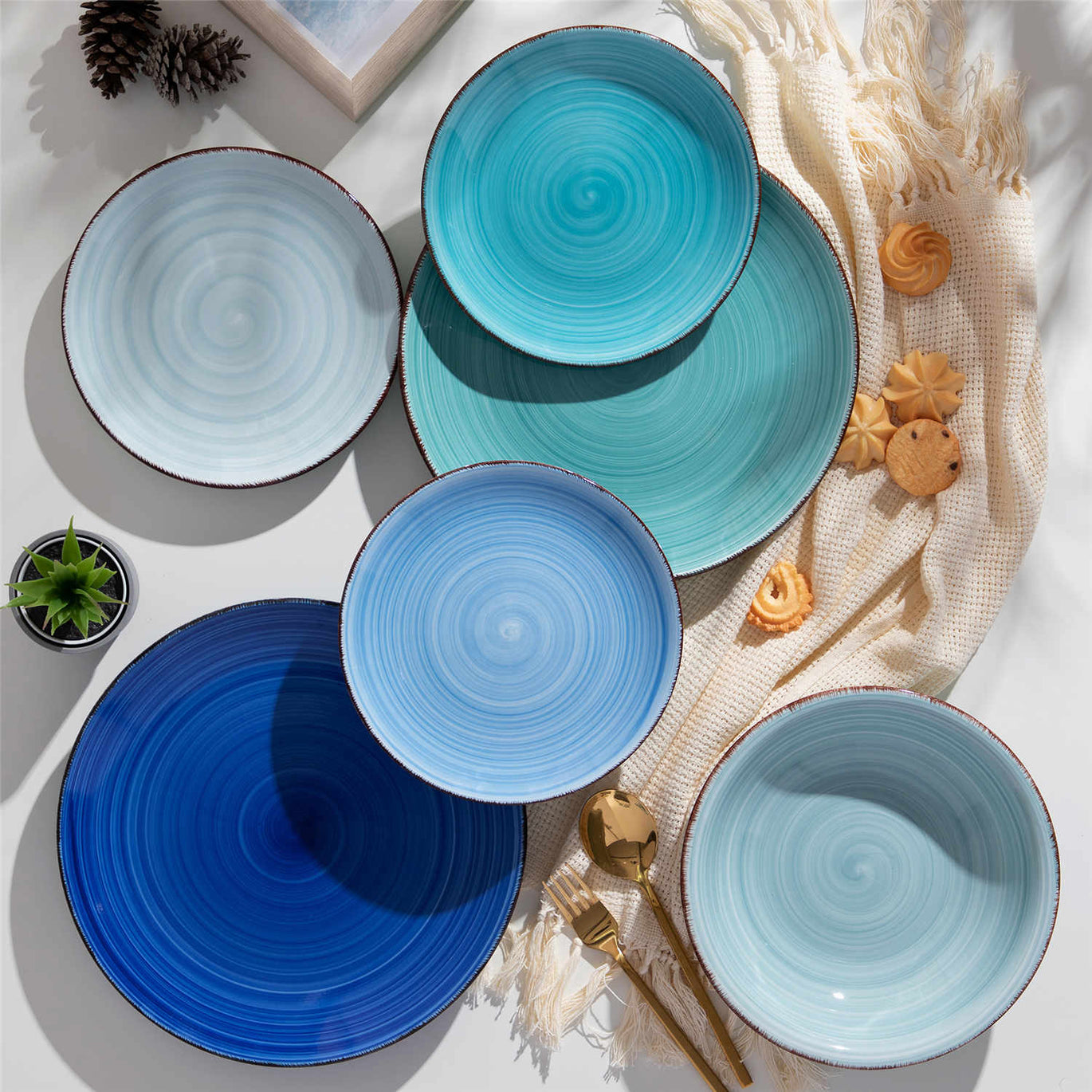


Essential Requirements for Molecular Cuisine Ceramic Dishware

Molecular cuisine is where food science, theater, and childlike wonder collide. Think foams, spheres, gels, smokes, cold-stone swooshes, and sauces painted like abstract art. Now imagine trying to plate that symphony of texture and temperature on a plate that stains, cracks, or steals the spotlight. Not joyful.
As a Colorful Tabletop Creative & Pragmatic Joy Curator, I see molecular cuisine ceramic dishware as more than plates. They are controlled lab surfaces, performance stages, and branding tools, all in one. Drawn from expert guidance by culinary schools, tableware manufacturers, ceramicists, and test kitchens, this guide distills what those plates absolutely must do in the real world of creative, experimental dining.
How Molecular Cuisine Changes the Plate
Molecular cuisine treats plating as a deliberate design process, not an afterthought. Ecole Ducasse distinguishes between food plating—the arrangement on the plate—and food presentation, which includes the plate itself, decoration, and even the table setting. For cutting‑edge restaurants and pastry programs, that visual composition can be as impactful as taste and can influence awards and reputation.
Modern plating technique focuses on balance. Ecole Ducasse and Metrobi both emphasize planning your layout, portion size, and white space before service. Color and texture contrasts are intentionally arranged, garnishes are chosen to support flavor as well as aesthetics, and molecular elements such as foams or spherified pearls are used sparingly so they serve the dish instead of becoming a gimmick.
The plate, of course, is the canvas. Guides from Metrobi and The Culinary Pro recommend neutral plates—especially white or cream—to keep the focus on ingredients, while Surrey Ceramics shows how one-hue plating or centered compositions instantly feel more refined. The Culinary Pro highlights how white plates act as a blank canvas, black plates create bold contrast, and earth tones support rustic or natural aesthetics. It even notes that plate color can subtly influence perceived flavor, with white skewing sweeter and black emphasizing savory notes.
For molecular cuisine, that means ceramic dishware must support precise compositions, dramatic color stories, and intentional negative space. The plate is not merely a surface; it is a controlled design environment where every drop of sauce, every shard of crisp, and every microgreen needs to stand out without chaos.
Core Performance Demands for Molecular Ceramic Dishware
Strength, Stackability, and Service-Grade Durability
Molecular gastronomy may look delicate, but the service behind it is anything but. Molecular Recipes describes modern high‑quality dinnerware for avant‑garde restaurants as “restaurant‑grade”: strong, chip‑resistant, and durable enough for high‑volume professional kitchens, even if serious home cooks can buy the same pieces.
On the manufacturing side, Joyye’s guides underline how ceramic plate quality depends on controlled raw materials, forming, and firing, typically between about 1,800°F and 2,400°F. High‑fired, dense bodies—such as quality porcelain, bone china, and stoneware—are designed to be non‑porous and mechanically robust. Joyye also notes that commercial settings can see annual breakage rates around 3–10%, so any plate that survives molecular service night after night is quietly doing heroic work.
Independent testing confirms how important durability really is. Serious Eats tested nineteen dinnerware sets for scratching, staining, microwave behavior, and dishwashing performance and concluded that function and durability should outrank looks. Porcelain generally resisted knife scratching better than stoneware, and almost all well‑made sets stayed essentially spotless after turmeric‑oil staining and rough dishwasher cycles. Food & Wine found that thick, well‑fired stoneware sets could withstand daily stacking, washing, and knife use, though very matte reactive glazes often showed visible scuffing.
For molecular plating, durability translates into several practical requirements. The plate must withstand repeated swipes of ring molds and offset spatulas, the pressure of stacking rings, and precise cutlery work at the table. Arcoroc’s professional guidance stresses resistance to shocks, scratches, and repeated dishwashing, plus stackability with bases designed not to scratch glazes below. If every course involves meticulous tweezers work and last‑second sauce dots, you cannot afford rims that chip when you stack ten plates on a hot pass.
Heat, Cold, and Thermal Shock Management
Molecular cuisine loves temperature play: warm elements layered with chilled gels, sous‑vide proteins next to ice‑cold garnishes, hot sauces brushed onto room‑temperature bases. That means your ceramic dishware must handle temperature changes gracefully.
Solecasa explains that most quality ceramic plates, especially stoneware and bone china, are fired roughly between 2,192°F and 2,552°F, which gives them high thermal stability for normal kitchen conditions. In everyday use, plates typically handle around 212–392°F without damage. Oven‑safe versions are often rated for about 392–482°F in home or commercial ovens. The real enemy is not absolute temperature; it is thermal shock—sudden, uneven changes that make different parts of the plate expand or contract at different rates, potentially causing cracks.
Material quality and design strongly influence how a plate copes with this. Dense, high‑fired bodies like stoneware and bone china resist heat and thermal shock better than more porous earthenware. Solecasa notes that design factors also matter: thicker, evenly thick plates buffer temperature changes, whereas forms with very thin rims and thick centers may heat unevenly and be more prone to stress.
HF Coors, a veteran‑owned American producer, offers an instructive benchmark: its vitrified ceramic dinnerware is fully lead‑free, non‑porous, and rated as safe for broilers, ovens, microwaves, dishwashers, and freezers, with strong resistance to cracks and stains. It even backs its products with a two‑year chip guarantee under normal use. That is exactly the sort of performance envelope you want for molecular service where plates may move from warm lamps to chilled garnishes and back again.
Avantor’s research on laboratory hot plates, although focused on research environments, sharpens the lesson: ceramic hot plate surfaces provide very uniform heating and high corrosion resistance, but if you push temperature changes too fast, liquids can boil violently and splatter. Translating that to the dining room, you want controlled heating and cooling of plates, not extreme swings. The guidance from Solecasa is clear and practical—respect the manufacturer’s oven‑safe labeling, avoid plates with metallic rims in microwaves, never move plates straight from cold storage into a very hot oven, and always avoid harsh thermal shocks.
For molecular cuisine, an essential requirement is to choose ceramic dishware with explicitly stated temperature limits and to build service routines around gradual temperature transitions. Plates should be warmed gently, protected on wooden or silicone trivets on cold countertops, and inspected regularly for micro‑cracks or crazing in the glaze that may indicate thermal stress.

Material Choices for Molecular Ceramic Dishware
Joyye and other industry analysts outline four core ceramic bodies—bone china, porcelain, stoneware, and earthenware—plus ultra‑resistant alternatives like opal glass and extra‑strong porcelain in professional ranges from brands such as Arcoroc. Each material brings a distinct mix of elegance, durability, heat behavior, and cost that matters enormously for molecular cuisine.
Here is a concise comparison grounded in those sources:
Material |
Key traits from industry research |
Use in molecular cuisine contexts |
Bone china |
Contains about 30–45% bone ash, is very light, strong, and translucent, and is positioned as a luxury material with wholesale prices around 75.00 per plate in Joyye’s data. MDMAISON highlights bone porcelain among the finest materials for luxury tableware. |
Ideal for ultra‑refined tasting menus and prestige courses where visual delicacy matters and breakage can be carefully managed; best suited to controlled environments such as fine dining rooms and private dining rather than high‑breakage stations. |
Porcelain |
High‑fired, non‑porous, and chip‑resistant, with firing temperatures around 2,300–2,400°F according to Joyye. It accounts for roughly 58.5% of the ceramic tableware market and balances refinement and durability. Serious Eats found porcelain particularly resistant to knife scratching. |
A versatile workhorse for molecular cuisine, combining a clean, often bright‑white canvas with strong resistance to staining, scratching, and heat. Extra‑strong porcelain variants, roughly twice as resistant as conventional porcelain in Arcoroc’s testing, suit the most demanding service. |
Stoneware |
Described by Joyye as high‑fired, dense, and durable with excellent heat retention and typical microwave and dishwasher safety. Food & Wine notes its warm, rustic aesthetic and wide range of colors and reactive glazes. |
Excellent for concepts where molecular techniques meet rustic or casual ambiance. Its heat retention is helpful for warm dishes, and textured or matte glazes can create dramatic contrast for foams and gels. Care is needed with very matte finishes, which Food & Wine found can show scratches and cutlery marks more easily. |
Earthenware |
Lower‑fired and more porous, with less durability but often brighter colors and a rustic appearance, as described by Joyye. It is a fast‑growing but more fragile category. |
Best reserved for low‑stress applications, decorative pieces, or specific rustic courses. Its porosity and lower mechanical strength make it less suited to the intense temperature changes and heavy dishwashing cycles typical of molecular restaurants. |
Opal glass and extra‑strong porcelain |
Arcoroc presents opal as extra‑white, shiny, non‑porous, and resistant to thermal variations up to about 266°F, shocks, and staining. Tempered glass can be up to five times more resistant to sudden temperature changes than standard glass. Extra‑strong porcelain is about twice as resistant as conventional porcelain. |
Excellent for extremely high‑turnover service where breakage risk is high, such as banquet tasting menus or busy molecular bistros. The look is often very clean and modern, though shapes may be more standardized than fully bespoke artisanal ceramics. |
Plastic and melamine might seem tempting for their shatter‑resistance, but both Corby Hall and Arcoroc highlight serious drawbacks. Melamine cannot safely be used under heat lamps or in microwaves and reacts badly to bleach cleaners, risking blistering or cracking. Plastic carries environmental downsides and can discolor with staining foods. Arcoroc explicitly discourages plastic and melamine on both health and brand‑image grounds. For molecular cuisine, where heat, acids, and intense colors often coexist, ceramic, glass, or extra‑strong porcelain is far better aligned with performance and perception.

Color, Glaze, and the Social-Media Stage
Ceramic dinnerware has become a core visual tool in the age of social media. EKA Ceramic notes that dishes are no longer just functional; they are textured, color‑rich canvases in ivory, forest green, smoky blue, and hand‑brushed glazes, designed to be photographed as much as eaten from. Social media trends actively favor matte finishes, organic shapes, and earthy tones that catch soft light, driving searches for “aesthetic ceramic dinner plates for photography” and “rustic ceramic dish sets for food bloggers.”
The Culinary Pro and Metrobi give practical plating guidance: neutral plates, especially white or cream, keep attention on ingredients; overly busy patterns or strong blues can distract or mute certain foods. The Culinary Pro also maps pairings such as red foods on white plates, beige foods like pasta and chicken on black or brown, and yellow or orange foods on blue, all to maximize appetizing contrast. High color contrast on the plate—think steak, green asparagus, bright orange sweet potato, and pale béarnaise on a white background—tends to look more appealing and clearly legible.
For molecular cuisine, which often leans into vivid gels, intense reductions, and microgreens, these rules of contrast and coherence are non‑negotiable. A white or lightly speckled porcelain plate is ideal for color‑driven dishes, while a deep charcoal stoneware bowl can turn a bright foam or citrus gel into a glowing focal point. One‑hue plating, as described by Surrey Ceramics, can work beautifully when the tableware echoes the food tones, but only if textural and structural contrast keep the dish from becoming monotonous.
Glaze behavior might sound like a production detail, yet it directly affects daily performance. Joyye recommends glazes that resist utensil scratching, food staining, crazing, and damage from dishwashing chemicals, and suggests checking for even thickness and consistency on samples. Food & Wine’s testing found that matte reactive glazes, while gorgeous, tended to show visible scratches from flatware and stacking, whereas satin or glossy finishes often hid marks better. Serious Eats observed that darker colors can help conceal light scuffing, although they may highlight dried water spots.
In molecular cuisine, where chefs drag spoons through sauces, cut precise portions tableside, and often rely on pure white spaces to frame powders and gels, glaze quality becomes a primary requirement. You want surfaces that do not craze after repeated thermal cycling, resist staining from intensely colored reductions or turmeric‑rich oils, and do not show distracting cutlery tracks after a handful of services. When in doubt, test samples with staining sauces, citrus, and knife work before committing.

Shape, Architecture, and Theatrical Presentation
Molecular cuisine often rejects the standard flat dinner plate in favor of more architectural serviceware. Molecular Recipes highlights designer Martin Kastner’s Crucial Detail collection, originally developed for Alinea, as an example: pieces are conceived less as conventional plates and more as avant‑garde service concepts that enable unconventional, theatrical presentations. Steelite’s Float collection uses a bright white, translucent ceramic body that visually appears to hover above the table, while the Sheer Bowl line, produced in Stoke‑on‑Trent, offers multiple sizes that chefs employ from small bites up to entrées.
Surrey Ceramics explains plating approaches like scaling—overlapping thin slices of vegetables into shimmering patterns—monochromatic “one hue” plates, and building height instead of width. These techniques depend on precise curves, wells, and edges. Plates for molecular cuisine need enough flat space for delicate arrangements, but also subtle slopes or rims that keep liquids and light sauces from slipping away as servers walk.
Serious Eats noticed how plate geometry affects food behavior in everyday sets: wide rims and higher walls reduce flat area but help keep food centered and make hot plates easier to hold, while straight‑walled plates maximize usable space but allow items like steak to slide around. Molecular plating that stacks textures vertically, uses ring molds, or spreads sauces into fine lines generally benefits from a middle ground: a generous flat well with gently sloping sides and a rim that is easy to grip.
Collaborative work between chefs and ceramicists, as described by InsideHook, shows how far this can go. Ceramicists such as Erin Hupp and MaryMar Keenan prototype multiple forms and glazes, test‑plate dishes with chefs, and even produce technically demanding pieces like intentionally cracked plates or flame‑resistant “caldron” vessels that safely hold burning hay tableside. Spanish artist Xavier Vega designs custom supports for new culinary formats, including molecular gastronomy, where form has to support both spectacle and function.
The essential requirement here is clear: dishware for molecular cuisine must be designed around the plating techniques and menu, not the other way around. Forms should make it easy to center dishes, maintain negative space, build verticality without wobble, and deliver to the table without spills, even when servers carry multiple plates through a busy dining room.

Safety, Standards, and Sustainability
Behind the drama of molecular cuisine lies a quiet, non‑negotiable foundation: safety and compliance. Joyye emphasizes that food safety is essential, urging buyers to look for manufacturers that meet standards such as ISO 6486‑1 for lead and cadmium release and European food‑contact regulations like Regulation (EC) No 1935/2004. For durability and mechanical performance, Joyye references ASTM tests for flexural strength and fracture toughness, and recommends working only with manufacturers who can document compliance and share test reports.
HF Coors underscores this point by marketing fully lead‑free, vitrified ceramic dinnerware that is non‑porous and highly resistant to cracks and stains. Its pieces are safe for broilers, ovens, microwaves, dishwashers, and freezers, which reassures chefs and diners alike. Joyye further points out the value of system‑level quality assurance such as ISO 9001 and third‑party audits, and classifies products into “First Choice,” “Mixed Sorting,” and “Run Out of Kiln,” urging brands to insist on First Choice for customer‑facing pieces.
From a material standpoint, Arcoroc warns against plastics and melamine due to their chemical components and negative environmental perceptions. Corby Hall notes that melamine cannot go in microwaves or under heat lamps and reacts poorly with bleach, which immediately disqualifies it from many hot, acidic, or stain‑prone molecular applications.
Sustainability is increasingly woven into these decisions. EKA Ceramic highlights the appeal of natural, long‑lasting ceramic bodies that can be recyclable or biodegradable under certain conditions. Global Reach Ceramics positions itself as an eco‑conscious manufacturer using premium clay and serving major global retailers, while brands like Heath Ceramics and Year & Day similarly emphasize sustainable production and reduced waste in their tableware. Joyye suggests that buyers look beyond the lowest unit price and consider sustainability practices, safety certifications, and long‑term defect rates when choosing partners.
For molecular cuisine, safety and sustainability requirements converge into a single expectation: select ceramic dishware made from certified food‑contact materials, backed by documented testing, produced in facilities that respect both workers and the environment. When your menu leans on experimental techniques and striking visuals, you want guests thinking about your creativity, not worrying about heavy metals or micro‑cracks in the glaze.

Collaborating With Makers and Manufacturers
At the highest levels of dining, the plate is part of the story, and the story often begins in the studio. InsideHook chronicles how chefs at Michelin‑caliber restaurants collaborate with ceramicists to co‑design tableware that matches the architecture of their rooms, the mood boards of their interior designers, and the exact compositions of their dishes. Ceramists like MaryMar Keenan talk about building collections for specific restaurants based on construction plans and menus, then offering related lines to the broader market.
These collaborations are intensely practical as well as artistic. Ceramicists prototype multiple forms, sizes, and glazes, then test‑plate dishes with chefs to see how food behaves. Some pieces solve specific functional problems—covered jars that become salt wells, plates that intentionally appear broken, or vessels that can safely accommodate burning hay. Many creators describe shifting their mindset from fine art to utilitarian design once they saw how plates had to stack, survive dishwashers, and feel comfortable to servers.
For buyers sourcing from larger producers, Joyye’s manufacturer guides offer a complementary perspective. They advise asking detailed questions about raw materials, clay sourcing, additives, firing temperatures, kilns, and quality‑control procedures. They suggest evaluating decoration options—hand‑painting for artisanal luxury, decals for logos, screen printing for durable patterns, and digital printing for complex photographic designs—and understanding the trade‑offs in labor, cost, and repeatability.
Joyye and Global Reach Ceramics both emphasize the value of samples and structured evaluation. Decision‑makers are encouraged to inspect sample plates for weight consistency, glaze smoothness, edge quality, symmetry, stackability, and resistance to thermal shock, then to formalize decisions with weighted scorecards that factor product quality, price, customization capacity, reliability, communication, and minimum order flexibility. In practice, that means a molecular restaurant can compare a boutique artisanal producer, an eco‑conscious stoneware manufacturer, and a large ODM/OEM supplier with a clear sense of priorities.
Luxury distributors like MDMAISON add yet another layer: brand heritage, authentication, and personalization. They highlight how Limoges porcelain houses such as HAVILAND, BERNARDAUD, and J.L COQUET and historic makers like MEISSEN and HEREND build stories into every collection and offer personalization ranging from initials to family crests. For molecular cuisine, that storytelling can integrate seamlessly with the narrative arc of a tasting menu.
The through line is simple but powerful. Whether you are co‑designing one‑off pieces with a studio potter or selecting modular collections from a global manufacturer, treat plates as strategic assets. Insist on test‑plating, documented performance, and alignment with your culinary concept.
Buying Strategies for Different Molecular Contexts
Fine Dining Tasting Menus
Fine dining restaurants that use molecular techniques often need a layered plate strategy. Bone china and luxury porcelain, celebrated by MDMAISON for their delicacy, strength, and pure color, might frame signature courses, petit fours, or high‑impact desserts. Extra‑strong porcelain or opal‑based collections, such as those described by Arcoroc, can handle high‑volume courses where breakage risk is higher, like early savory dishes or shared plates.
Molecular Recipes’ overview of collections like Crucial Detail, Float, Craft, and Sheer shows how specific lines can align to avant‑garde, rustic, vintage, or classic moods. A chef might lean on Crucial Detail‑style pieces for ultra‑modern, theatrical courses, switch to Craft‑inspired rustic ceramics for a farm‑to‑table interlude, and return to Sheer bowls for timeless presentations. For all of these, the requirement is that every piece remains restaurant‑grade: strong, chip‑resistant, and stackable.
Cocktail Bars, Dessert Bars, and Pop-Ups
Bar programs and dessert bars using modern techniques benefit from small, specialized pieces: coupe glasses for classic cocktails, small bowls for bites, and unusual shapes that read clearly in dim light and photographs. Molecular Recipes mentions Steelite’s Minners Classic Cocktails collection, designed to evoke 1930s and 1940s New York service with vintage‑inspired silhouettes that feel theatrical but are built for intensive hospitality use.
For pop‑ups and traveling chefs exploring molecular cuisine, access matters just as much as design. Retailers such as Plates and Cutlery now maintain “Molecular Gastronomy Plates” categories, with shipping to markets including the United States, Canada, several European countries, and Australia. The snippets do not list technical specs, but their existence confirms that a specialized ecosystem of modernist plates and servingware is available internationally, even if you are not ready for a full custom commission.
Home Enthusiasts and Content Creators
For home cooks and food photographers who love molecular touches—foams, gels, cold‑stone plating—everyday practicality still rules. Food & Wine’s testing of stoneware sets and Serious Eats’ extensive dinnerware trials suggest a clear pattern. Choose sets that are dishwasher‑ and microwave‑safe, with glazes that resist scratching and staining, and prefer collections sold both as full sets and as individual pieces so you can expand or replace as needed.
Stoneware is an especially appealing choice here. Food & Wine describes it as durable, warm, and available in rich reactive glazes that pair beautifully with modern plating. EKA Ceramic notes that matte glazes in ivory, smoky blue, deep green, and terracotta look fantastic on camera and have become staples for social media–driven presentation. Buyers should simply be aware, as testers observed, that matte finishes often show utensil marks more readily than glossy ones.
Porcelain remains a strong contender, particularly all‑white or gently rimmed sets like those Serious Eats favored for everyday value and flexibility. For molecular‑inspired home cooking and content creation, a mix of one good porcelain set and a handful of textured or colored stoneware pieces offers enormous styling range while keeping storage and spending under control.
Short FAQ on Molecular Cuisine Ceramic Dishware
Can I use melamine plates for molecular cuisine?
Technically, you can plate food on melamine, but it is not well aligned with molecular cuisine’s demands. Corby Hall explains that melamine cannot be used in microwaves or under heat lamps and is incompatible with bleach cleaners because it can blister, crack, or even melt. Arcoroc adds that plastic and melamine carry negative environmental perceptions and potential health concerns. Molecular menus often combine hot elements, strong acids, and intense colors, so ceramic, glass, or extra‑strong porcelain that is certified for high heat and frequent washing is a far safer and more future‑proof choice.
Is stoneware safe for hot-and-cold molecular plating?
Joyye describes stoneware as high‑fired, dense, and durable with excellent heat retention, typically safe for microwaves and dishwashers. Solecasa notes that quality ceramic plates can usually handle everyday temperatures between about 212°F and 392°F, and oven‑safe designs may be rated up to roughly 482°F. The critical factor is thermal shock, not the absolute temperature. If your stoneware is explicitly labeled oven‑ or microwave‑safe and you avoid sudden jumps from cold storage to very hot ovens or broilers, it can serve very well for molecular plating that mixes hot and chilled elements.
Do I need fully custom plates to present molecular cuisine well?
Not necessarily. InsideHook shows how custom collaborations between chefs and ceramicists can produce iconic, concept‑specific pieces, but Molecular Recipes also points to high‑quality, restaurant‑grade collections that are ready‑made yet designed with modern, experimental food in mind. For many restaurants and home enthusiasts, carefully chosen open‑stock porcelain or stoneware sets, complemented by a few special accent pieces, deliver more than enough creative flexibility. What matters most is that your dishware meets the essential requirements: safety, durability, appropriate heat tolerance, and a surface that lets your plating and molecular techniques shine.
When ceramic, chemistry, and creativity line up, a plate stops being just a plate and becomes a joyful stage for your wildest ideas. Choose dishware that is as smart and resilient as your food is inventive, and every sphere, foam, and shard you send out will land on the table with color, clarity, and confidence.
References
- https://biordi.com/?srsltid=AfmBOopu_6keV-_ri1_Gm9aR6Bjx_Lpj_58P8DMVWIlwDAq6rnQlZ6NO
- https://www.foodandwine.com/best-stoneware-dinnerware-sets-7973178
- https://www.seriouseats.com/best-dinnerware-sets-7376024
- https://www.theculinarypro.com/plate-presentations
- https://corbyhall.com/your-comprehensive-guide-to-selecting-commercial-dinnerware/
- https://ekaceramic.com/5-ways-ceramic-dinnerware-is-shaping-global-food-presentation-trends/
- https://globalreachceramic.com/blog_details/top-12-ceramic-plates-manufacturers-in-2024
- https://www.insidehook.com/food-san-francisco/ceramicists-tableware-top-chefs
- https://www.joyye.com/info-detail/ceramic-plate-manufacturer-choosing-guide
- https://mdmaison.com/blog/12-best-luxury-tableware-brands-timeless-quality-for-generations
Sie können auch mögen
Stern 16 Stück Geschirr Set
- Von €72,95
€96,95- Von €72,95
- Stückpreis
- per
-
Blue
-
Green
-
Red
-
Grey
Simi 24 Stück Geschirr Set
- €96,95
€129,95- €96,95
- Stückpreis
- per
Bonita 18-teiliges Geschirrset
- Von €60,95
€74,95- Von €60,95
- Stückpreis
- per
-
Blue
-
Multicolor
Starry 16-teiliges Geschirrset
- €73,95
€86,95- €73,95
- Stückpreis
- per
-
Blue
-
Green
-
Red
-
Gradient Green