



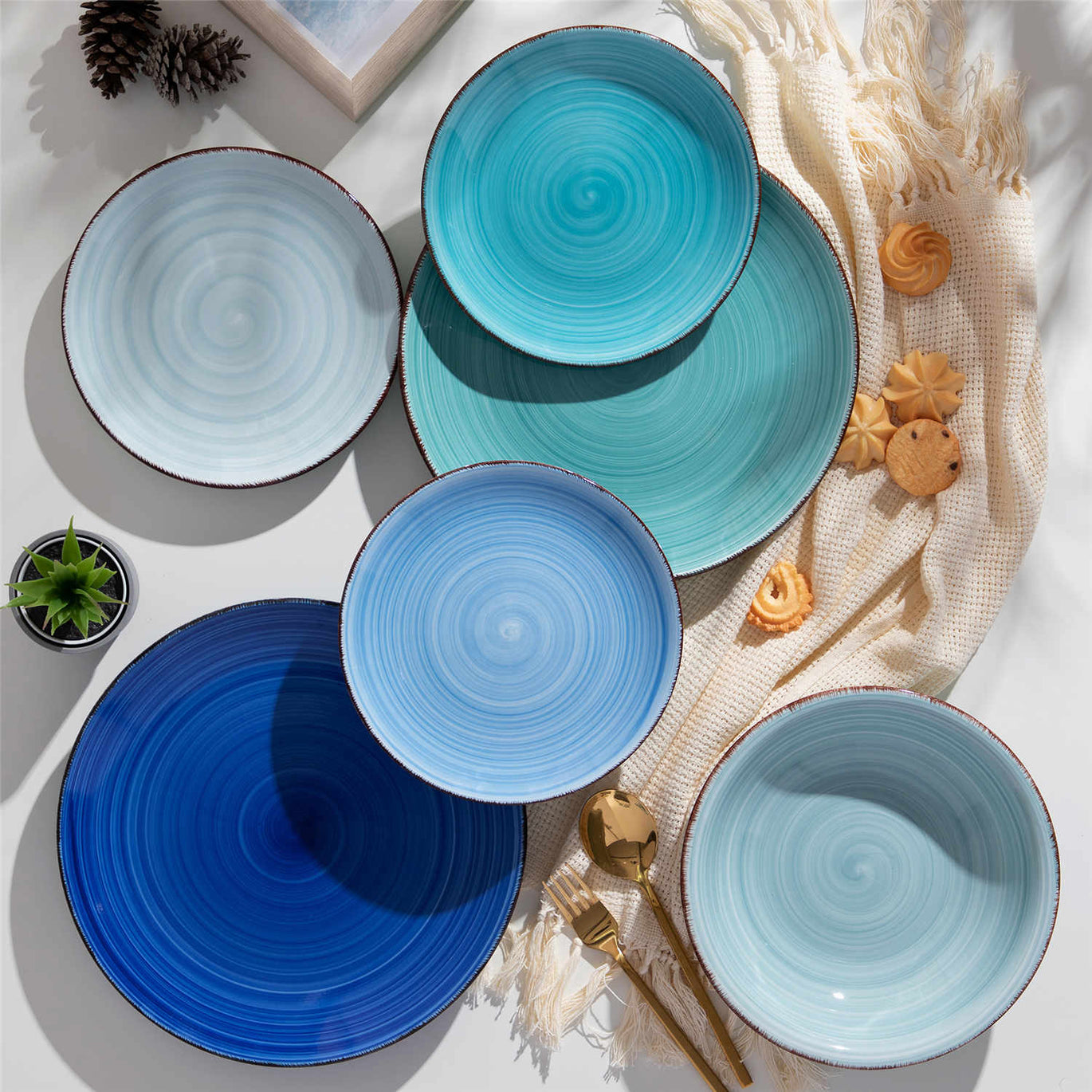


Inclusive Ceramic Tableware Design for LGBTQ+ Community Engagement

Inclusive tableware is not just about pretty plates. For queer communities, the table can be a makeshift family room, a healing circle, a political salon, a runway, and a playground all at once. The ceramics you choose, the way you mix colors, the weight of a mug in the hand, and even how accessible the layout is can either open that circle wider or quietly push people out. As a Colorful Tabletop Creative & Pragmatic Joy Curator, I think of ceramic design as social technology: it shapes who feels seen, who feels safe, and who feels welcome to come back.
In this guide, I will braid together research on sustainable ceramics, food-safe materials, inclusive design, community meals, and accessible pottery studios, then translate it into practical, joyful strategies for LGBTQ+ gatherings. Think exuberant color with serious safety standards, playful shapes with wheelchair-friendly layouts, and Pride-centric storytelling grounded in research from bodies such as the U.S. Food and Drug Administration, the National Library of Medicine, and inclusive-design practitioners.
Why Queer Community Belongs Around a Ceramic Table
Community meals are powerful tools for connection, resource sharing, and belonging. Sociologists studying inclusive meals describe them as engines of “social capital,” where relationships and shared norms are built bite by bite. Research on inclusive community dinners emphasizes that true inclusion does not just happen because food is served; it requires intentional choices about space, power, and representation. That is just as true at a Pride brunch as it is at a neighborhood potluck.
Inclusive community-meal research highlights several recurring themes. First, logistics matter: accessible venues, family-friendly timing, and allergy-aware menus are basic foundations. Second, social dynamics matter just as much: warm greeters, name tags, and explicit invitations to newcomers can dissolve social anxiety. Third, power dynamics must be examined: who plans the meal, whose recipes are featured, and whose identities are centered. When those questions are asked openly, marginalized voices gain real decision-making power rather than just a decorative seat at the table.
Ceramic tableware sits right in the middle of all that. Plates and bowls set the visual tone; they signal whether a gathering is formal or relaxed, whether it leans toward minimalism or maximalist queer joy, whether it quietly reproduces dominant norms or makes room for more fluid identities and cultures. Thoughtful choices in materials, color, pattern, and layout can support the kind of inclusion that sociologists and community organizers describe: equitable access, cultural humility, and empowerment for people whose voices are often sidelined.

Safe, Sustainable Ceramics as a Baseline of Care
Before we paint the table rainbow, we need to make sure it is safe and sustainable. Several ceramic-focused sources, including Healthier Homes, HF Coors, Emerson Creek Pottery, and eco-conscious brands profiled by The Good Trade and Joyye, converge on a clear baseline: safe dinnerware should be free from harmful heavy metals, durable enough to reduce waste, and made with transparently sourced materials.
Ceramic dinnerware made from mineral clays and fired at high temperatures is generally a healthy choice when glazes are formulated properly. Healthier Homes notes that porcelain, stoneware, and many ceramics become nonporous when fired at high temperatures, which makes them resistant to bacteria and easy to clean. However, they also warn that older or cheaply made wares can contain lead or cadmium in glazes or decorative paints. The U.S. Food and Drug Administration sets surface migration limits for lead and cadmium and recorded roughly 1,200 complaints tied to heavy metals in ceramic ware in a recent year, which underlines the importance of choosing reputable makers and retiring suspect pieces.
From an environmental standpoint, multiple sources agree that ceramics have strong sustainability potential. Eco-focused articles describe ceramics as inherently long-lived, free from microplastics, and made from natural materials such as clay, water, and minerals. Joyye highlights trends like reclaimed clay, low-impact firing using renewable energy, and lead-free glazes in Spanish and Latin American studios. HF Coors and Emerson Creek Pottery emphasize durable, lead-safe, American-made wares, with some brands shipping in packaging that can reach about ninety-five percent recycled fiber. A National Library of Medicine study cited in an eco-village context even notes that porous clay pots can reduce microbial counts in stored water, illustrating how ceramic traditions can interact with health in nuanced ways.
For LGBTQ+ gatherings, choosing safe, sustainable ceramics is an act of community care. Many queer people have lived experiences with environmental injustice, chronic illness, or disability. Serving food on dishes with unknown glazes or disposable plastics that shed microplastics can quietly undermine the sense of safety you are trying to build. Starting from lead-safe, durable, eco-conscious ceramics makes every meal an affirmation that your guests’ bodies and the planet both matter.

Choosing Materials: Pros, Cons, and Queer-Friendly Use Cases
Different materials behave very differently at the table. Research summaries from Healthier Homes, eco-village guides, and prepper-focused ceramic articles offer a coherent picture of how common options perform. The following table translates those findings into community-dining language, with a focus on what works well for inclusive queer events.
Material |
Community strengths |
Key considerations |
Vitrified stoneware |
Dense, durable, excellent heat retention; often oven, microwave, dishwasher safe; feels earthy and grounding for family-style stews and grains. |
Can be heavy; sudden temperature shocks can cause cracks; must confirm food-safe, lead-free glazes. |
Porcelain |
Very hard, nonporous when properly fired; often safe for oven, microwave, freezer; smooth glazes clean easily and resist staining. |
Can chip on hard tile; sometimes reads more formal, which might not suit every casual queer hang. |
Clear glass |
Inert, nonporous, usually free of lead and cadmium; transparent, so guests can see cleanliness and food clearly; endlessly recyclable. |
More breakage-prone; decorated glass may use toxic paints; crystal can contain lead. |
Stainless steel |
Tough, heat-tolerant, generally free from lead and cadmium; lightweight and nearly unbreakable; great for outdoor Pride picnics. |
Nickel can be an issue for people with allergies; can feel less cozy than ceramic or glass. |
Bamboo composite |
Lightweight, durable, and often naturally antimicrobial; popular for kids’ dishes and informal settings; made from renewable fibers when well formulated. |
Some products have heat limits and may not be dishwasher or microwave safe; lower-quality items can include unwanted binders. |
Local vitrified stoneware |
Supports local artisans and eco-villages; strong heat retention; aligns with circular, low-waste systems and transparent glazes. |
Firing uses significant energy unless kilns are optimized; heavier weight and chip risk require good handling and storage practices. |
For an inclusive LGBTQ+ space, stoneware and porcelain usually shine as the primary canvas. They offer the right blend of sensory pleasure, durability, and safety, especially when sourced from brands that disclose testing for lead and cadmium and clearly state oven and microwave compatibility. Clear glass layers beautifully with them and supports access needs because transparency lets guests visually assess what they are eating and whether a dish is truly clean.
Stainless steel and bamboo composites can be incredibly useful at outdoor events, youth-centered programs, or sober socials in the park, where breakage and weight are bigger concerns than long heat retention. The key is to honor their limits. Eco-focused product testing summarized by preparedness guides notes that many bamboo-fiber plates are comfortable only up to around 158°F for hot foods and about 140°F in dishwashers, which is fine for salads at a Pride picnic but not for high-heat crisis cooking or sterilization.
Designing for Different Bodies and Abilities
Inclusivity is not just about who is invited; it is about who can comfortably participate. Articles on inclusive pottery studios, museum accessibility, and product design for diversity offer a rich set of principles that translate beautifully to tableware and dining spaces.
An inclusive pottery studio is defined in the research as one whose layout, equipment, teaching, and culture are deliberately designed so people of all abilities can participate independently. Recommendations include adaptive wheels that can be used from seated positions, wheelchair-friendly workstations, wide walkways, and specialized tools that support people with limited strength or dexterity. The World Health Organization’s disability model, as cited in accessibility research for a ceramics museum, reframes disability as a mismatch between a person and their environment; “facilitators” such as ramps, tactile signage, and inclusive communication can reduce that mismatch significantly.
For queer community tables, that means thinking beyond a single standard place setting. Weight matters: guidance from ceramic safety and survival articles suggests that plates around fourteen to sixteen ounces strike a sweet spot between durability and manageable weight. Lighter dishes may chip more easily; heavier ones can cause fatigue for guests who are washing or carrying them repeatedly, especially those with joint pain or limited strength.
Handles, rims, and textures also shape accessibility. Subtle rims can help keep food from sliding off plates for guests with tremors. Generous mug handles that fit more than one finger make hot drinks safer to carry. Mixing glossy and matte finishes is not just an aesthetic choice; glossy glazes tend to release food more easily and show fewer utensil marks, which reduces the amount of scrubbing and water required. That can matter when energy or water use is constrained or when volunteers have limited stamina.
Inclusive product-design research stresses flexibility and multiple modes of interaction: familiar patterns, low cognitive load, and tolerance for error. At the table, this can translate into clear, intuitive placement of items, uncluttered centerpieces that do not block sightlines, and simple signals for dietary needs. Color-coding can support this; for example, one family of plate colors can be reserved for vegan dishes, another for gluten-free, with clear communication at the start of the meal. Guests who navigate allergies or digestive conditions often experience social exclusion; a color-coded, ceramic-based system can quietly reverse that by building care into the table itself.

Color and Pattern as Queer Storytelling Tools
Color theory for tableware is not abstract; research from dinnerware brands describes how warm, cool, and neutral tones shape the emotional feel of a meal. Warm tones such as red, orange, and yellow create vibrancy, coziness, and appetite, while cool tones like blue, green, and purple cultivate calm and sophistication. Neutrals like white, black, and gray stabilize and frame everything else.
For LGBTQ+ gatherings, that palette becomes a storytelling toolkit. Warm-toned stoneware can create a sense of intimacy for small support circles or chosen-family dinners; think deep terracotta bowls for hearty stews that echo the warmth of the conversation. Cool-toned plates in blues and teals can support more formal events such as queer professional-network dinners or fundraising galas, especially when layered with minimalistic forms and subtle metallic rims, as high-end styling guides suggest.
The magic happens when you mix. Articles on eclectic and mixed dinnerware highlight the power of harmonizing one dominant color across plates, napkins, and glassware while allowing patterns to vary. They also note that too many patterns or clashing scales can feel chaotic, especially when strong motifs collide. For queer tables, you might let one Pride-inspired hue take the lead and then repeat it quietly in ceramic glazes, linen borders, and candle holders.
Representation can be woven into surface decoration too. AI-assisted design tools already used in ceramic industries for pattern generation make it possible to design plates that draw on Pride flags, trans colors, or nonbinary palettes in subtle, abstracted ways. Industry articles describe how brands use generative platforms to remix classic motifs; the same approach can be used to create inclusive patterns that evoke rainbows, triangles, or constellations without slipping into cartoonish clichés. When queer guests look down and see their identities hinted at in the geometry of a border or the gradient of a glaze, the table becomes a canvas for recognition.

Hosting as Inclusive Design in Action
Research on community meals emphasizes that logistics, culture, and power are intertwined. Accessible venues and diverse menus are essential, but they are not sufficient. Inclusive hosts must also examine who makes decisions, whose stories are highlighted, and how unconscious biases shape interactions. The same article that defines food justice and social inclusion insists on “decolonizing the table,” which means honoring the origins of foods, fairly compensating cultural knowledge-holders, and resisting the commodification of marginalized cuisines.
Ceramic tableware choices can support those values. Locally sourced stoneware made from nearby clay, as described in eco-village research, supports local artisans and keeps the supply chain transparent. When queer communities partner with local potters who share their ethics, they redirect resources away from extractive systems and toward circular, community-based economies. Workshops that invite queer and trans artists of color to co-design glaze palettes and motifs are another way to shift power, echoing inclusive design’s mantra of “nothing about us without us.”
The inclusive-design literature also highlights the need for diverse teams and ongoing research with users of different ages, abilities, and cultures. In table terms, that means involving trans and nonbinary folks, disabled guests, elders, and youth in decisions about seating, accessibility, and menu planning. When those voices help choose plate sizes, bowl depths, and mug shapes, the resulting set is more likely to work for an actual diverse body of diners rather than an imagined average.

From Pottery Studio to Queer Community Hub
Accessibility-centered pottery studios provide a useful model for how ceramics and community engagement can reinforce each other. The inclusive-studio article describes multimodal teaching, individualized instruction, and community education about different disabilities as key ingredients in building truly welcoming spaces. Those same studios can become engines of queer engagement when they explicitly invite LGBTQ+ participants, hire queer instructors, and display work that reflects queer lives.
Imagine a studio open house titled “Queer Clay Night,” where participants co-design plates for a future community meal. Conceptually, this draws from inclusive product design, where users are brought into the design process early and often. Practically, it creates a double loop: queer folks shape the ceramics they will later eat from, and the meal itself becomes a showcase for their creativity. A tactile, multi-sensory approach, drawing inspiration from tactile museums and XR projects for accessibility, could include raised patterns for low-vision guests, Braille or high-contrast markings near rims, and experimentation with audio descriptions or soundscapes during the firing or glazing process.
Museum-accessibility projects in ceramics show how technologies such as augmented and virtual reality are being used to remove physical and cognitive barriers without abandoning traditional craft. While not every queer community has access to XR headsets, the underlying principle is transferable: combine tactile, visual, and narrative tools so that more people can access the meaning woven into objects. A queer ceramics exhibition or sale that explains clay sources, glaze chemistry, and design symbolism in plain language, with sign-language interpretation and easy-to-read labels, echoes this research while situating queer narratives at the center.

Practical Ways to Queer Your Next Ceramic-Centered Gathering
Turning research into real plates and real evenings is where the fun really begins. Start by auditing what you already have. Healthier Homes suggests checking for labels such as “lead-free” and “food safe” and being cautious with brightly colored vintage pieces or anything labeled “decorative use only.” If you have dishes with unknown glazes, especially older reds and yellows, use home lead and cadmium tests following the advice to pre-wet surfaces with lemon juice or vinegar for better detection. When in doubt, retiring suspect dishes is a kinder choice than risking guests’ health.
Next, choose a small, resilient core set. Research on survival-ready ceramic kits recommends building around ten to twelve inch plates for mains, eight to nine inch plates for sides, one deep bowl per person for stews and porridges, a wide bowl for grains or salads, a heat-safe mug, and a versatile bake-serve dish that can move from oven to table. That same compact range works beautifully for queer community dinners, where storage and budgets might be limited but needs are varied. Open-stock purchasing, highlighted in dinnerware buying guides, lets you replace individual pieces and mix colors over time rather than being locked into one rigid set.
Color-code intentionally. Pull in findings from color-theory articles by choosing warm-toned plates for cozy, casual game nights and cool-toned or neutral sets for higher-formality events such as queer professional mixers. Overlay that emotional logic with access logic: use a consistent band of color or a particular bowl shape to indicate allergen-safe items, and explain that system during introductions so guests feel oriented and respected.
Plan for accessibility in movement and layout. Inclusive-studio and museum projects insist on wide, unobstructed paths. Apply that by leaving room between table rows for wheelchairs and mobility aids, keeping serving tables low enough for seated guests to reach, and placing water, flatware, and condiments where people do not have to stand or squeeze past others to access them. Small ceramic condiment bowls can be placed at multiple points around the table so no one has to pass items across a crowded space repeatedly.
Finally, weave story and representation into your ceramics. Use AI-assisted design or collaborative sketches with local potters to create glazes and motifs that echo Pride flags, trans colors, or other queer symbols in sophisticated ways. Draw inspiration from sustainable brands that embrace handmade variation and “aesthetic sustainability” through earthy tones, organic textures, and visible brushwork. When each piece feels like it could only exist in your specific community, made for your specific people, guests read that care before they take the first bite.
A Few Quick Questions, Answered
Is ceramic tableware really safer than plastic for queer community meals?
Research summarized by Healthier Homes, HF Coors, and eco-friendly ceramic brands consistently points to properly glazed porcelain and stoneware, as well as clear glass, as safer long-term options than many plastics. Ceramics are mineral-based, nonporous when fired correctly, and, when tested to modern standards, free from lead and cadmium. Plastics can scratch, harbor bacteria, and shed microplastics. For queer community meals where many guests may already be navigating health vulnerabilities, ceramics and clear glass offer a more stable baseline, as long as glazes are verified safe.
How can a small queer group start shifting toward safer, more inclusive tableware on a budget?
Sustainability and budget guidance from multiple sources recommends starting small and buying open stock instead of large matching sets. Begin with the pieces you touch every time you gather: a handful of stoneware plates and bowls from a reputable brand that discloses safety testing, perhaps sourced from factory seconds or open-box sales where cosmetic imperfections lower the price without affecting performance. Layer in thrifted clear glass pieces that are free from painted decorations, and gradually add locally made stoneware from artisans who can describe their clays, glazes, and firing practices. Over time, you will build a mixed, story-rich collection that is safer, more sustainable, and more reflective of your queer community than any one boxed set from a big-box store.
Closing: Setting Queer Tables That Feel Like Home
Inclusive ceramic design for LGBTQ+ community engagement is really about one thing: making sure every guest can look down at their plate, look up at the people around them, and feel both safe and vividly alive. When you ground your choices in research on material safety, sustainability, accessibility, and inclusive design, you give that joy solid footing. When you layer in queer color stories, local craft, and shared authorship, you transform dinnerware from background props into companions in the ongoing work of building chosen family. That is the kind of table that keeps people coming back, hungry for food, for beauty, and for each other.
References
- https://academicworks.cuny.edu/cgi/viewcontent.cgi?article=1014&context=sps_pubs
- https://medium.muz.li/designing-for-diversity-how-to-create-products-that-are-inclusive-for-everyone-2bd5820a1684
- https://ceramamadinnerware.com/Dinner_Plates/202501121222086231.html
- https://smart.dhgate.com/mastering-the-art-of-mixing-ceramic-tableware-with-diverse-dining-styles-for-a-stunning-table-setting/
- https://ekaceramic.com/how-to-design-ceramic-products-that-appeal-to-millennial-consumers/
- https://emersoncreekpottery.com/non-toxic-eco-friendly-pottery-housewares/?srsltid=AfmBOore274KZSQhQWRmZJRY6bC689u2gwQpZeRxMIV1JiS54KhGnA9C
- https://www.happygodinnerware.com/Dinner_Plates/What_Five_Ceramic_Style_Strategies_Can_Gift_Stores_Use_to_Rapidly_Build_Brand_Identity_happygodinner.html
- https://www.healthierhomes.com/post/what-is-the-safest-lead-free-dinnerware?srsltid=AfmBOoqJLCF1QVZNGy2qZRQIBC-tN_O6--CDheCrPqVMaa2wFj2dWg7E
- https://joyye.com/info-detail/eco-friendly-ceramic-tableware-and-vases
- https://kasem-international.com/5-innovative-materials-revolutionizing-sustainable-tableware/
Sie können auch mögen
Stern 16 Stück Geschirr Set
- Von £58.00
£77.00- Von £58.00
- Stückpreis
- per
-
Blue
-
Green
-
Red
-
Grey
Bonita 18-teiliges Geschirrset
- Von £49.00
£61.00- Von £49.00
- Stückpreis
- per
-
Blue
-
Multicolor
Simi 24 Stück Geschirr Set
- £77.00
£104.00- £77.00
- Stückpreis
- per
Starry 16-teiliges Geschirrset
- £60.00
£70.00- £60.00
- Stückpreis
- per
-
Blue
-
Green
-
Red
-
Gradient Green