



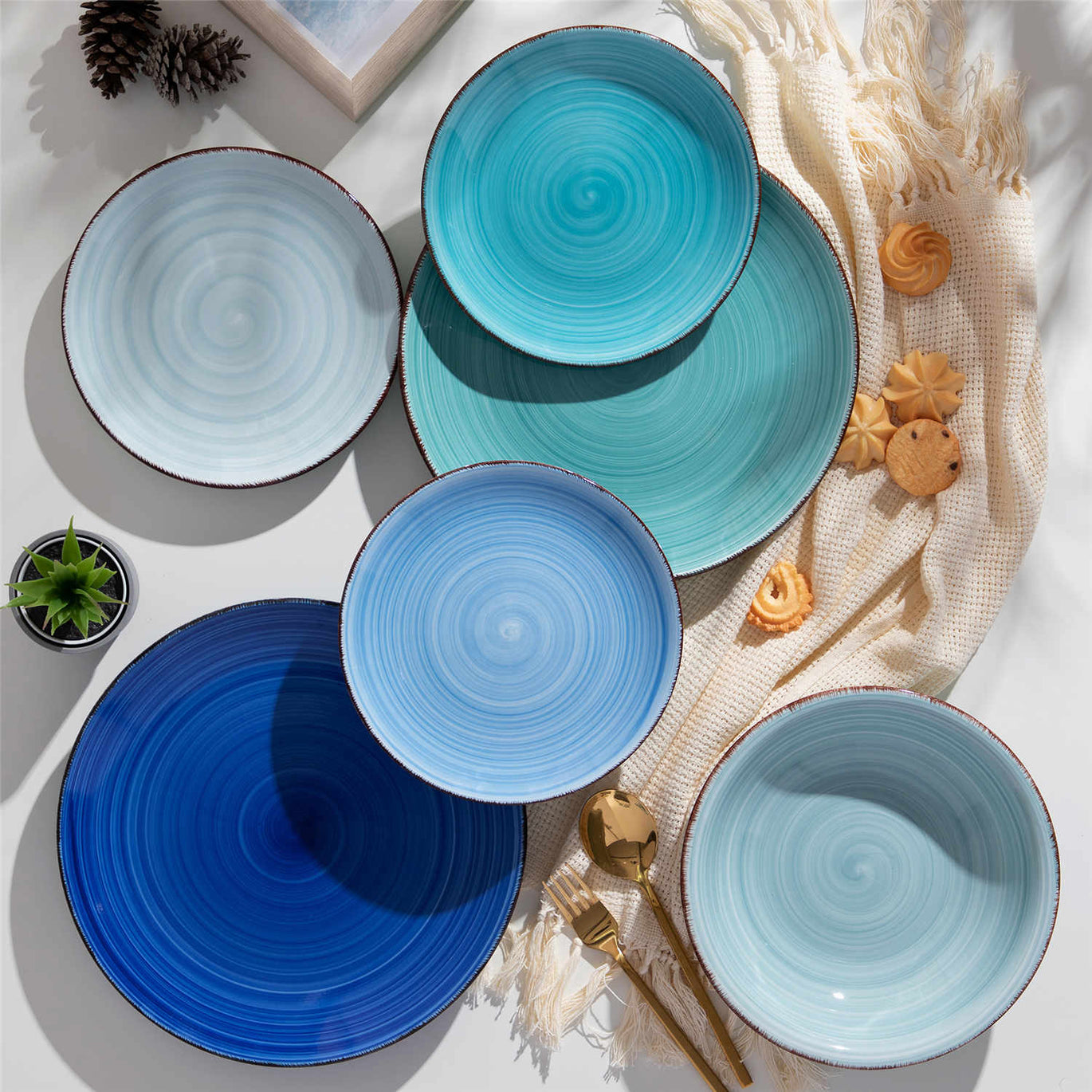


Silver‑Ion Antimicrobial Ceramic Tableware: Japan’s Cleanliness Aesthetic, Engineered

The joy of a wildly colorful table doesn’t need to come with a side of worry. If you love the art of dining but also crave quietly capable hygiene, silver‑ion antimicrobial ceramic tableware is the kind of “clean‑freak” technology that feels tailor‑made for a Japan‑inspired tidy table ethos. Think of it as hospitality with a scientist’s discipline and a stylist’s wink: an always‑on microscopic helper built into the glaze that supports everyday cleanliness without demanding your attention.
The Spark: Why Silver Belongs at the Table
Silver’s superpower has been known for ages and has been scrutinized by modern research. The antibacterial action comes from silver ions that disrupt microbial membranes and key enzymes and can interfere with DNA and protein synthesis. This multi‑target mode makes it hard for everyday bacteria to adapt. Medical and materials literature summarized by the World Health Organization, PubMed Central, and MDPI consistently points to silver ions as the active species, while the solid metal or ceramic is simply the host that meters out those ions in tiny, controlled doses. Reputable industry sources such as Addmaster describe long‑lasting, built‑in performance when the chemistry is embedded in the material, validated under standards like ISO 22196 for plastics and coatings. Manufacturer literature in ceramics, like Emilgroup’s Shield technology for porcelain stoneware, reports reductions in bacterial growth on treated surfaces up to around 99.9% and emphasizes that the protection is always active, even in the dark.
It’s essential context that silver’s antimicrobial prowess is principally antibacterial. Some studies explore antifungal benefits and even antiviral interactions in specialized contexts, but consumer tableware should be understood primarily as supporting bacterial hygiene on surfaces. That nuance matters for expectations at the table.
What Silver‑Ion Ceramics Actually Are
When brands say “antimicrobial glaze,” they usually mean a food‑contact ceramic glaze that contains a silver reservoir. The reservoir can be a ceramic host such as a zeolite or a phosphate matrix that holds silver ions and releases them at low levels when surface moisture is present. Academic work in the American Ceramic Society literature shows how silver can be exchanged into zeolites, with the resulting materials inhibiting common bacteria. Similarly, research on sodium zirconium phosphate carriers highlights a strategy that keeps silver accessible at the surface even after high‑temperature firing—useful in tiles and likely transferrable in principle to dish glazes engineered for food contact.
The reason ceramics are such a natural fit is their thermal stability. Unlike wipe‑on coatings, an antimicrobial ceramic glaze is fired into the body, designed to be permanent and aesthetically invisible. Manufacturers emphasize that the look and feel remain unchanged. That’s perfect for a cheerful tabletop where lime greens, warm corals, and sun‑belt blues deserve to shine without technical texture undercutting the sensory vibe.
How the Ions Work—and Keep Working
Inside the glaze, silver is immobilized in a matrix and metered out at the surface as ions when you have a thin film of moisture, for instance during a meal or immediately after washing. Materials research distinguishes two broad release philosophies. Passive release is the steady, spontaneous liberation of ions from the host (typical of tableware), while “stimuli‑responsive” systems in medical materials use triggers like pH or light to accelerate delivery. Reviews in ACS Applied Bio Materials explain why designers target a sweet spot: avoid a short “burst” that exhausts too quickly and favor sustained, low‑level surface availability that preserves efficacy while minimizing risk.
Studies of silver‑silica nanocomposites in polymers, published in PubMed Central, illustrate why immobilization matters: when silver is trapped within a stable host and the host is locked into a solid matrix, the material can deliver long‑term antibacterial activity without shedding free particles. In the ceramic context, firing the glaze vitrifies the surface, further limiting any release to carefully engineered ion exchange at the interface. Across industry and standards documents, the rule of thumb remains steady: antimicrobial surfaces support hygiene between routine cleanings; they are not a replacement for washing or sanitizing.

Does It Change Taste, Texture, or Color?
An antimicrobial glaze should be taste‑neutral and invisible. Manufacturer guidance for silver‑ion ceramics states no visible change to the surface and no impact on hand feel. Cultural traditions around silver teaware note that silver is non‑porous and does not rust or hold flavors, which is one reason it is beloved for “clean,” neutral brewing. That’s a helpful analogy for expectations at the table. If anything about a piece’s taste or color feels off, assume a quality issue or residue from cleaning and address it as you would for any premium ceramic: rewash with mild soap, rinse thoroughly, and dry well before the next use.
Safety, Stewardship, and the Big Questions
Reputable sources, including the U.S. Food and Drug Administration and the EU Biocidal Products Regulation, frame how antimicrobial products must be designed and labeled. Industry guidance stresses that silver‑based additives are safe for everyday use when incorporated at controlled levels in compliant, food‑contact materials and that claims should focus on product surface protection, not public‑health prevention. Medical reviews and Wikipedia’s medical overview describe silver’s generally low toxicity in approved applications while reminding readers that misuse, like ingesting colloidal silver, is not supported by evidence and can cause harm.
A practical question you might ask is whether silver moves into food. A 2024 study in a medical research journal found detectable silver leached into certain foods after brief contact with solid silver vessels. That was bulk metal in direct contact, not ceramic glaze, but it is a reminder that chemistry is real. Ceramic glazes are engineered to immobilize silver and are validated for food contact; that is precisely why you want pieces from manufacturers who test to relevant standards. If you serve highly acidic foods for long soaks or use aggressive cleaners, the best practice is the same as for pristine ceramics in general: wash promptly, avoid prolonged soaking, and stick to gentle detergents.
It is also fair to ask about viruses. Addmaster’s technical guidance explains that silver‑ion technologies are primarily antibacterial and are not classified as virucidal. If your hygiene goals include viral disinfection, treat silver‑ion tableware as a supportive layer and keep your normal sanitizing habits in place.

Hands‑On Care: Keeping Antimicrobial Ceramics Beautiful
The antimicrobial glaze takes care of the microscopic side, but your care routine keeps the macro beauty bright. American dinnerware makers such as HF Coors recommend hand washing with warm water and a mild dish soap to extend life, even if a piece is dishwasher‑safe. Dry thoroughly with a soft towel to prevent water spots. If you stack plates, interleave them with soft separators so glossy rims stay scratch‑free. Avoid harsh abrasives that can haze glazes, and avoid long soaks that can stress the surface, especially with very hot or highly pigmented liquids. Wooden, silicone, or plastic utensils are gentler on glazed surfaces than metal.
Thermal shock is a classic ceramic gotcha. Don’t go from refrigerator to a hot oven without letting the piece warm up first; sudden extremes can stress any ceramic body. When a stain happens, a brief soak in warm water with a little vinegar or baking soda, followed by a gentle wipe, is a kinder path than bleach, which can weaken decoration. If you ever chip a rim, a purpose‑made ceramic repair kit can stabilize the damage, but retire deeply cracked pieces from hot‑food service.
Choosing a Set: A Pragmatic, Joy‑Forward Checklist
A tableware pattern is both a design decision and a materials choice. When antimicrobial performance matters, shop the details the way you would a good chef’s knife. Look for clear, reputable claims about the antimicrobial chemistry and how it is validated. If a brand cites ISO 22196 testing for antibacterial performance on similar substrates, that signals they know how to measure results. In ceramics, manufacturers who offer an embedded silver‑ion glaze and note continuous, always‑on protection are aligning with the approach used in hygienic porcelain stoneware. For the underlying science, academic journals in ceramics and materials science describe several robust carriers, such as silver‑exchanged zeolites and silver carried in sodium zirconium phosphate, both designed to hold ions close to the surface over the long term.
It can help to ask a brand’s support team how the glaze is engineered for food‑contact compliance and what claims their regulatory team has cleared in the U.S. and EU. You are not looking for secret recipes—just confidence that compliance is woven into the design process. If you love bright sauces and citrus, treat antimicrobial ceramics the way you treat fine glazed tableware in general: wash after service rather than leaving acidic foods standing for hours, and avoid aggressive scouring powders. In return, you get an easy‑to‑live‑with surface that quietly resists the everyday bacterial buildup you can’t see.

Under the Hood: The Science in a Snapshot
Material approach |
Where the silver lives |
What to expect at the table |
Source insight |
Silver‑ion ceramic glaze |
Ions anchored in a fired glaze via ceramic carriers |
Permanent, invisible surface with continuous antibacterial action that supports routine cleaning |
Ceramic makers describe up to about 99.9% reduction on treated surfaces and “always‑on” protection, aligning with industry literature from Emilgroup and standards‑driven testing noted by Addmaster |
Ag‑exchanged zeolite in ceramic |
Silver exchanged into a mineral that meters ions |
Controlled ion release shaped by processing; retains ceramic look |
American Ceramic Society research shows zeolite exchange routes and broad antibacterial activity against common bacteria |
Silver–silica nanocomposite in polymer accessories |
Nanoscopic silver immobilized in silica within the polymer |
Slow, long‑term ion release from a stable host |
PubMed Central reports durable antibacterial performance with immobilized silver in polystyrene articles |
Traditional sterling silverware |
Solid metal surface with natural oligodynamic effect |
Neutral, non‑porous feel; needs tarnish care off the table |
Tea culture sources note silver’s neutral brewing character; practical restoration guides outline tarnish‑control coatings for silver metal |
Ag‑phosphate carriers in fired glazes |
Silver held in a phosphate lattice accessible at the surface |
Designed to keep silver available after high‑temperature firing |
Ceramics literature on sodium zirconium phosphate carriers and antimicrobial tiles demonstrates durable, UV‑independent performance in hardwearing surfaces |

Pros and Cons in Everyday Use
An antimicrobial glaze gives you a helpful, always‑there surface ally. In practice that means a plate or bowl that stays fresher between washes and resists ordinary bacterial buildup that can cause odors or staining. It is invisible and design‑neutral, so your joyful dinnerware palette remains the star. Because the function is built in rather than sprayed on, the protection is designed to last for the life of the piece.
There are real‑world limits. Silver‑ion technology should be understood as antibacterial support, not a guarantee against viruses, and not a reason to relax good cleaning. Performance depends on surface condition, moisture, and time; standards tests report reductions under defined conditions, but your kitchen has its own rhythms. As with any embedded chemistry, the best results come from reputable makers who validate food‑contact safety and match claims to regulations. On the stewardship side, credible reviews emphasize using the minimum effective silver and immobilizing it in durable hosts to protect people and the environment.
How This Aligns with a Japanese‑Style Clean Table
In a home that prizes omotenashi‑level care and kirei‑clean lines, silver‑ion ceramics feel almost inevitable. They don’t interrupt the ritual of setting a calm, beautiful table; they strengthen it. There’s a quiet, engineering‑forward elegance to letting materials science carry part of the hygiene load, so your energy is free for plating artistry, the right jazz record at dinner, and a last‑minute sprinkle of herbs you snipped out back. The practical poetry is simple. Less fuss, more focus, and cleanliness that hums along in the background.
A Little Deeper: What the Research Says Without the Jargon
Peer‑reviewed work on silver‑functional materials shows three truths that matter for tableware lovers. First, ions are the doers. Whether silver is in zeolites, ceramics, or a polymer host, it’s the silver ions at the surface that do the microbial work. Second, slow and steady wins. Materials designed to meter small amounts of ions over time outlast “burst” strategies and reduce the chance of side effects, a principle discussed in reviews of release strategies. Third, the best hosts hold silver in place while letting ions touch only the surface moisture, which is why immobilization and strong matrices are such a theme. Throughout, medical summaries and agency guidance remind us to keep silver on the surface and out of the diet, to favor approved uses, and to pair antimicrobial surfaces with regular cleaning.

Practical Tips You’ll Actually Use
Treat antimicrobial ceramics like any premium glazed tableware, with a few mindful habits that keep both beauty and function strong. Choose pieces from brands that state food‑contact compliance and explain their antimicrobial validation. Hand wash with mild soap and warm water to extend life, even if dishwasher‑safe, then dry thoroughly so the color stays luminous. If you must stack, cushion rims with soft separators. Pick wood or silicone utensils for everyday cooking and plating. Avoid bleach and gritty scouring powders and skip overnight soaks of acidic foods; wash soon after meals instead. These small, pleasant rituals are the difference between “nice plates” and heirloom pieces that look runway‑ready on a Tuesday.
FAQ
Is silver‑ion ceramic tableware safe for everyday meals and for families with kids? When the glaze is engineered for food‑contact compliance and antimicrobial claims are validated within regulatory frameworks like FDA guidance and EU BPR, silver‑based surface protection is generally considered low‑toxicity in approved applications, according to medical summaries. Buy from brands that are transparent about testing, and keep normal washing and sanitizing habits.
Does it kill viruses? Silver‑ion technologies are primarily antibacterial. Industry and standards sources describe antibacterial validation under tests like ISO 22196. If you need viral disinfection, continue using your usual sanitizing practices; think of antimicrobial tableware as a supportive layer, not a substitute.
Will the silver wear off or wash away? In a fired ceramic glaze, the antimicrobial function is built‑in and designed to be permanent. Manufacturer literature for antimicrobial ceramics emphasizes that the protection does not wash away, and materials science research explains that the chemistry is immobilized in the glaze matrix, with ions metered at the surface.
How should I clean it to preserve the antimicrobial benefit? Clean it the way you would protect any premium glaze. Use a mild dish soap and warm water, avoid harsh abrasives and long soaks, dry thoroughly, and cushion stacked rims. The antimicrobial function supports you between washes; it does not replace them.

Closing
Set a brighter table that quietly has your back. Silver‑ion ceramics bring science to your place setting in a way that feels effortless and elegantly Japanese in spirit: understated, exacting, and deeply considerate of the people you’re feeding. Make the meal joyful, make the cleanup easy, and let the glaze do the tiny work you’ll never see.
References
- https://en.wikipedia.org/wiki/Medical_uses_of_silver
- https://pmc.ncbi.nlm.nih.gov/articles/PMC2681698/
- https://pubs.acs.org/doi/abs/10.1021/acsabm.0c01485
- https://everbrite.co.nz/silver-pewter-restoration-silverware-jewellery-no-more-tarnish/?srsltid=AfmBOooeLj84iHElFW1TjlOF3eLRMth0c_UmZrVchHivTxrgzpZW1_DU
- https://www.addmaster.co.uk/blog/does-silver-kill-bacteria
- https://us.fable.com/pages/how-to-care
- https://www.microban.com/blog/how-is-silver-used-in-manufacturing-antibacterial-products
- https://www.nature.com/articles/s41598-024-80303-7
- https://www.emilamerica.com/magazine/shield-antimicrobial-process-ceramics/
- https://hfcoors.com/blogs/news/how-to-care-for-your-dinnerware-tips-and-tricks?srsltid=AfmBOoonyxGnCLFmj2j2MhnvVOYikK_4wMbI-jQJ0JoHhm7U8fpQrPtj
Sie können auch mögen
Stern 16 Stück Geschirr Set
- Von £58.00
£77.00- Von £58.00
- Stückpreis
- per
-
Blue
-
Green
-
Red
-
Grey
Bonita 18-teiliges Geschirrset
- Von £49.00
£61.00- Von £49.00
- Stückpreis
- per
-
Blue
-
Multicolor
Simi 24 Stück Geschirr Set
- £77.00
£104.00- £77.00
- Stückpreis
- per
Starry 16-teiliges Geschirrset
- £60.00
£70.00- £60.00
- Stückpreis
- per
-
Blue
-
Green
-
Red
-
Gradient Green