



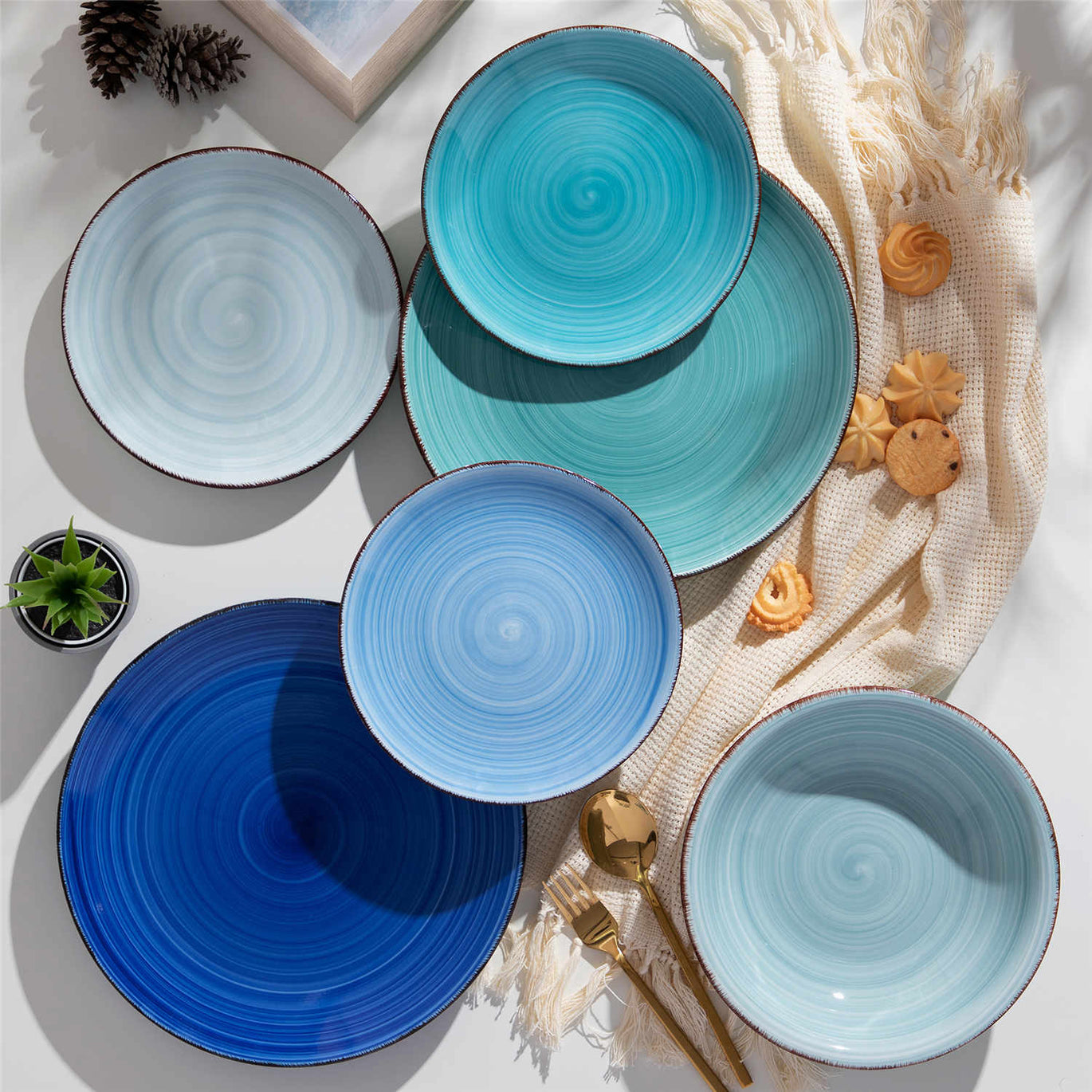


Why Round Plates Make Food Taste Sweeter: How Shape Shapes Flavor

If you’ve ever taken a bite of cheesecake and thought, “This is extra luscious tonight,” your tongue might be telling the truth, but your eyes and brain likely set up the story. As a Colorful Tabletop Creative & Pragmatic Joy Curator, I’ve watched round plates coax out a dessert’s gentle sweetness the way a great frame flatters a painting. We eat with our eyes first, then our expectations, and only then with our taste buds. Here’s the flavorful part: shape changes expectation, and expectation changes what we think we taste.
Modern research backs up what many stylists, chefs, and enthusiastic home hosts intuit. Across reputable sources from Flavour Journal and MDPI Foods to American Dining Creations and University of Portsmouth work summarized by industry experts, the same theme appears again and again. Roundness reads as sweeter and softer. Angles read as saltier, crisper, or more “serious.” White plates boost contrast and can heighten the sense of sweetness or intensity. Dark, especially black, can lift perceived luxury and even what guests would pay. Add finish, lighting, music, and pattern, and you have an entire symphony tuning flavor before the first bite.
The Sweetness Illusion of the Circle
A widely cited study published in Flavour Journal (BioMed Central) tested how plate color and shape shape judgments of a dessert. When the same cheesecake was served on a white round plate, diners reported roughly a 20% increase in perceived sweetness and about a 30% boost in flavor intensity compared with other plate formats. That’s a substantial nudge for a plate swap that doesn’t change the recipe. The same paper noted something deliciously confusing: while white round plates help elemental taste judgments like sweetness and intensity, black square plates can elevate compound judgments such as quality or overall liking. In other words, a white round plate can make dessert taste sweeter, while a black square plate can make it feel premium.
A complementary finding from Flavour Journal’s “A Taste of Kandinsky” project showed that an art-inspired arrangement—without changing ingredients—made the dish taste up to 18% better in post-tasting ratings than neat or random layouts. The value signal rose too; participants were willing to pay more for the artistic plating. BauscherHepp’s dinnerware insights echo this: artful composition plus the right canvas is a multiplier.
MDPI Foods later added nuance with a large consumer sample, finding that color, finish, and the match between food shape and plate shape matter. Round desserts looked more appealing on round or rectangular plates than on square plates. Black plates tended to be liked more and felt pricier than white or red. Matte finishes on large white plates nudged up perceived appeal and even portion impressions by a few percentage points. In short, the shape-to-sweetness story holds, but context and details refine the effect.

Why Shape Sways Taste: The Science in Plain Language
Crossmodal correspondences
Your brain is a talented matchmaker. It connects shapes, colors, and flavors in predictable ways. Rounded forms skew “sweet” in expectation; angular forms lean “salty” or “sharp.” When a dessert sits on a round plate, the visual smoothness primes a gentler, sweeter experience before taste receptors fire. That pre-taste story shifts how we interpret the same sugars.
Elemental versus compound judgments
Flavour Journal distinguishes between elemental judgments like sweetness and intensity, and compound judgments like quality or overall liking. Elemental judgments rely on fewer sensory inputs and are easier to nudge with shape and color. Compound judgments synthesize everything—look, smell, context, craftsmanship, and yes, even how the plate feels in the hand. This helps explain why you can make sweetness pop on a white round plate, yet make quality feel higher with a black square plate. The brain is not just tasting; it’s adjudicating craft, value, and story.
Ecological Valence Theory and cultural associations
Color preference is shaped by the sum of our past experiences—a principle known as Ecological Valence Theory. Black often carries connotations of elegance and sophistication in product design, which can translate to plates as “premium.” White is familiar and traditional, which can make a dish feel clear, bright, and honest. That halo extends to taste.
Size illusions versus taste illusions
Size illusions, like the Delboeuf effect, make identical portions look larger on smaller canvases and smaller on larger ones. They influence how much we think we’re eating and sometimes how full we expect to feel. Taste illusions, by contrast, reshape flavor expectations via shape and color correspondences. MDPI Foods found that larger plates made desserts look smaller and less caloric, while also noting that matte finishes can swing perceived size and richness. The key is not to confuse the two. Size illusions are about portion and satiety; shape and color illusions are about taste and value.
What Round Plates Whisper, What Angular Plates Declare
Round plates feel familiar, comforting, and a bit nostalgic. That comfort maps neatly onto sweetness. When you present a strawberry mousse or a wedge of cheesecake on a white round plate, you’re aligning soft curves with a soft flavor story, and people report more sweetness and more intensity. Rounded shapes also support desserts that prefer to glow rather than shout—panna cotta, custards, and creamy tarts. By contrast, angular plates read modern and crisp. They can prime the tongue for salt, char, and snap. A black square plate under grilled fish, roasted carrots cut on the bias, or neat cubes of beets and feta sends a contemporary message of precision and control.
Here is a compact snapshot to compare these signals.
Plate Choice |
Flavor Expectation |
Mood Signal |
Where It Shines |
Watch-Outs |
White round |
Sweeter, softer, brighter |
Familiar, comforting, honest |
Cheesecake, panna cotta, fruit-forward desserts, breakfast pastry |
Can feel casual if the occasion calls for high drama |
Black square |
Saltier, crisper, “serious” |
Modern, premium, sleek |
Grilled proteins, geometric salads, chocolate tarts, tasting menus |
May dampen perceived sweetness if a dessert relies on subtlety |
Rectangular white |
Balanced, clean |
Minimal, gallery-like |
Plating with lines, sauces, or trio tastings |
Intensity may feel lower than on high-contrast black |
Patterned high-beauty |
Depends on pattern |
Expressive or classical |
Holiday desserts, signature plates, storytelling courses |
Low-beauty expressive patterns can depress tastiness ratings |
The last row nods to findings in PubMed Central research showing a “beauty halo” for higher-beauty plate patterns. Expressive designs that look low in beauty can drag ratings down, while classical high-beauty patterns tend to lift them.

Color Joins the Chorus: White for Sweetness, Black for Value, Red for Controversy
Color never acts alone, but it reliably sets the stage. In studies summarized by MDPI Foods, black plates often earn higher liking scores and bump up expected price. White provides a neutral canvas that heightens contrast and can amplify sweetness judgments for certain desserts, as reported in Flavour Journal and covered by industry sources. Meanwhile, a University of Portsmouth study summarized by Charles Saunders Food Service found that picky eaters rated snacks saltier from red or blue bowls than from white, and rated the red bowls least desirable. This demonstrates a real-world truth: color can tug taste and appeal in different directions by audience segment.
Finish matters, too. MDPI Foods reported that a matte white plate slightly increased perceived appeal, size, and energy compared with glossy on a large format. The finish effect won’t transform a dish, but it can tilt the narrative toward richness or refinement. Think of matte as adding visual weight and glossy as polishing clarity.

The Practical Playbook: Make Desserts Taste Sweeter Without Extra Sugar
Let’s bring all this theory to the table—literally. When your goal is to boost perceived sweetness or overall dessert pleasure without tinkering with the sugar, start by aligning shape and color. If you can, choose a white round plate around 9.5–10.5 inches. That size reads generous without creating too much empty space around a modest portion. Favor a matte or softly glazed finish if your dessert wants a touch more visual richness. Place your dessert near the center rather than dramatically off to one side. Centered composition tends to make portions read fuller, and with round desserts the symmetry complements their curves.
Keep garnishes intentional and flavor-linked. A few strawberries, a light brush of berry coulis, or a crackle of pistachio plays up color contrast while keeping the spotlight firmly on the dessert. Negative space is a dessert’s friend; leaving some white space lets the form breathe, which diners interpret as control and care. Resist crowding the plate with unrelated decorations, and make sure any sauce lines or dots echo shapes already on the plate. Sympathetic shapes read as coherent; coherence reads as quality; quality nudges taste and value.
If you’re cutting sugar in a familiar recipe, do a simple side-by-side tasting with round white plates versus any square or darker plates you own. Keep portions identical, and plate them with the same garnish. Serve in the same lighting with the same music to isolate the shape and color effect. You’ll likely find the round white plate lifts sweetness and overall pleasure enough to make a small reduction in sugar feel imperceptible to most guests.

When Round Isn’t Right: Salty, Crispy, and “Modern” Plates
A smoky grilled steak, charred broccolini, or a crisp-snap pork belly might benefit from angular geometry. Black square plates, in particular, telegraph modern luxury and seriousness. They lend savory dishes a sharper frame and can raise the sense of craftsmanship and even price expectations. MDPI Foods reported that black plates are often liked more and seen as more expensive than white or red for a plated dessert image, which dovetails with the quality halo seen in Flavour Journal’s compound judgments.
Be careful with round desserts on square plates. The MDPI Foods research noted that round desserts looked more appealing on round or rectangular plates than on square. Square can flatten a dessert’s curves visually and reduce its lushness. If you love a square plate’s drama, shift toward geometric desserts or cleanly cut bars, or add height and a matte finish to soften the corners’ severity.

The Setting Shapes the Experience: Lighting, Music, Even Bowl Color
The visual context around the plate enhances or undermines the effect. Lighting temperature changes how whites and blacks read; warm light can make white feel creamier, cool light can make black feel more metallic. Background music styles subtly shape arousal and mood, which changes how much novelty or comfort diners want. Charles Saunders Food Service highlights the importance of lighting, music, and even concise menu naming in steering expectations. That’s not a mere footnote. When the stagecraft supports the plate’s message, the taste effect lands cleanly.
There’s one more color nuance worth repeating for families and hosts of selective young diners. The University of Portsmouth research summarized by Charles Saunders found that picky eaters judged snacks saltier from red and blue bowls than from white, with red bowls least desirable. Blue packaging primes saltiness for some snack categories in certain markets, and blue bowls may piggyback that mental shortcut. If you’re showcasing a delicately sweet dessert for selective palates, steer away from high-arousal red serviceware and hug the calm of white or pale neutrals.

Pros and Cons by Occasion
A realistic way to decide on plate shape is to tie it to your menu’s flavor center and the evening’s mood. Desserts and brunch pastries want round forms and white fields when you’re chasing sweetness and brightness. Salt-forward or char-driven dinners want angular plates that celebrate edges and precision. Casual gatherings often feel at home with white rounds because they signal familiarity and “everybody welcome.” Date-night or special-occasion dinners embrace black squares because they read as premium and theatrical. That said, the moment you swap in a square plate for, say, a bar of dark chocolate with a lacquered glaze and a crisp tuile, you’ll see how angular geometry can support dessert drama beautifully. Match dessert shape to plate shape or emphasize a geometric throughline, and the harmony returns.
First-Hand Notes From the Tabletop
In my own styling and hosting, I’ve done quiet A/B tests that mirror what the journals report. One dining room, two identical cheesecakes, two plate formats. The white round plate almost always wins when the dessert is creamy and fruit-forward. Guests say “it tastes brighter,” “the strawberries pop,” or “this one is sweeter,” and they usually point to the round plate slice when pressed to choose. Conversely, when I run a savory course with crispy edges and a clean rectangle of polenta or a neat run of sliced duck, the black square plate is my secret handshake with the guest’s inner critic. Conversations shift from cozy to admiring. People ask about technique and sourcing. The plate is not flavor, but it tells guests what kind of story to expect, and their palate leans in accordingly.

Boundaries and Caveats
Not every study finds a shape effect every time. A prior study reported in Flavour Journal found no plate-shape effect for a strawberry mousse, and MDPI Foods observed that shape changes influenced appearance more reliably than perceived portion, calories, or price. Differences in food type, food shape and color, plate corner sharpness, and even order effects in surveys all matter. Round versus square plates sometimes differ in surface area, which complicates taste judgments because more empty space can dampen perceived abundance. Cultural background, individual preferences, and food neophobia influence responses too. Taken together, the literature says the effect is real, meaningful, and context dependent. That means thoughtful testing with your actual dishes, in your light, with your crowd, is worth the effort.
A Simple Home or Restaurant Test
If you’d like to see the round-plate sweetness effect with your own eyes and palate, serve the same dessert, same portion, and same garnish on a white round plate and on a black square plate. Plate them at the same time, under the same lighting, and bring them to the table together. Ask diners to taste each and tell you which one tastes sweeter, which one tastes richer, and which one feels more “expensive.” You’ll often hear that the white round plate tastes sweeter and a bit brighter, while the black square plate reads as more premium. From there, calibrate plate selection to your goals. Want to lower sugar while keeping pleasure? Stay with white rounds. Want to raise perceived value for a chocolate finale? Try black squares with a matte finish and precise geometry.
Definitions You Can Use
Crossmodal correspondence describes how the brain links shapes and colors with tastes, such as round mapping to sweet and angular mapping to salty. Elemental judgments are single-attribute assessments like sweetness or intensity, while compound judgments are holistic assessments like quality or overall liking. The Delboeuf illusion describes how surrounding rings or rims alter perceived size; the same portion may look larger on a smaller plate. The white round plate phenomenon is a practical shorthand for the research observation that white round plates can elevate perceived sweetness and intensity for certain desserts. Ecological Valence Theory explains how our color preferences stem from the sum of our experiences with those colors across contexts, which helps clarify why black often reads as premium.
FAQ
Does a round bowl make soup taste sweeter too, or is this mainly about plates and desserts
Roundness primes for sweetness, but the effect is strongest when flavor and form align. Creamy, gently sweet desserts map naturally onto circles. Savory soups can feel softer in round bowls, but you may not want “sweetness” there. If your soup trades on warmth and comfort, a round vessel supports the story. For sharp, citrusy broths or intensely savory ramen, taller or more angular forms can sharpen expectation instead.
I serve round cakes on square plates for style. Can I keep the look without losing appeal
You can, if you harmonize geometry. Cut the cake into clean rectangles or squares to echo the plate, or add a touch more height and choose a matte plate to soften the corners’ severity. MDPI Foods found round desserts look more appealing on round or rectangular plates than on square; adjusting cut and height helps reclaim that appeal.
Is this universal, or does culture matter
Individual preferences and cultural backgrounds moderate these effects. Studies summarized by Charles Saunders and MDPI Foods note that shape and color signals are consistent on average but not identical across groups. If you cater to a specific audience, make small tests part of your creative process.
Quick Design Moves That Work
When sweetness and brightness are your goal, anchor dessert on a white round plate, aim for centered composition with a little height, and let a restrained garnish deliver color contrast that echoes the dessert’s flavors. When premium theater is the goal, deliver geometric precision on a black square plate, keep lines clean, and use a matte finish to add gravitas. In every case, keep your lighting warm and your music aligned with the vibe you want. The plate sets the promise; the room keeps it.
What the Evidence Says, In Context
Flavour Journal reported that white round plates increased perceived sweetness by roughly 20% and intensity by around 30% for cheesecake; the same body of work observed that black square plates can improve quality or liking judgments. MDPI Foods, working with over a thousand consumers, found that black plates tend to be liked more and feel pricier; round desserts look better on round or rectangular plates; matte finishes can lift perceived appeal slightly; larger plates reduce perceived portion and energy value through size illusions. A University of Portsmouth study summarized by Charles Saunders found picky eaters rated snacks saltier from red and blue bowls, especially blue, and red bowls were least desirable for that group. BauscherHepp’s synthesis of an Oxford experiment showed an art-inspired plating can make a dish taste up to 18% better and feel worth more, even when the ingredients are identical. American Dining Creations underscores the practical reality in dining rooms: we eat with our eyes, and intentional plating slows the pace and heightens savor.
None of these findings say “always.” They say “reliably enough to be useful,” and “even more reliable when you match the plate’s message to the dish’s message.” Think of tableware as a volume knob, not a substitute for seasoning. The plate amplifies; the recipe sings.
Closing
Round plates don’t add sugar; they add sweetness the same way a good soundtrack adds heart to a movie. Choose the canvas that tells the right story for the flavor you want guests to feel, and the plate will do what a great collaborator does—lift the work without stealing the show. Go play with your geometry; joy loves a good circle.
References
- https://scholarworks.uark.edu/cgi/viewcontent.cgi?article=1022&context=fdscuht
- https://pmc.ncbi.nlm.nih.gov/articles/PMC11241694/
- https://deepplate.bauscherhepp.com/blog/how-does-an-art-inspired-dish-affect-a-diners-experience
- https://europfoods.es/beyond-flavour-how-plate-shape-and-colour-affect-psychology/
- https://vocal.media/feast/the-art-of-food-plating-how-presentation-affects-taste
- https://adc-us.com/blog/why-food-presentation-matters/
- https://flavourjournal.biomedcentral.com/articles/10.1186/2044-7248-2-27
- https://charles-saunders.com/articles/plate-psychology-how-plate-colour-and-shape-influence-our-perception-of-food/
- https://www.ascotwholesale.co.uk/blog/tableware-design/
- https://www.kafe421.com/blog/the-importance-of-food-presentation/
Sie können auch mögen
Stern 16 Stück Geschirr Set
- €87,95
€99,95- €87,95
- Stückpreis
- per
-
Blue
-
Green
-
Red
-
Grey
Simi 24 Stück Geschirr Set
- €99,95
€133,95- €99,95
- Stückpreis
- per
Bonita 18-teiliges Geschirrset
- Von €62,95
€77,95- Von €62,95
- Stückpreis
- per
-
Blue
-
Multicolor
Simi 24-teiliges Tafelservice mit doppelseitigen Schüsseln
- €104,95
€133,95- €104,95
- Stückpreis
- per