



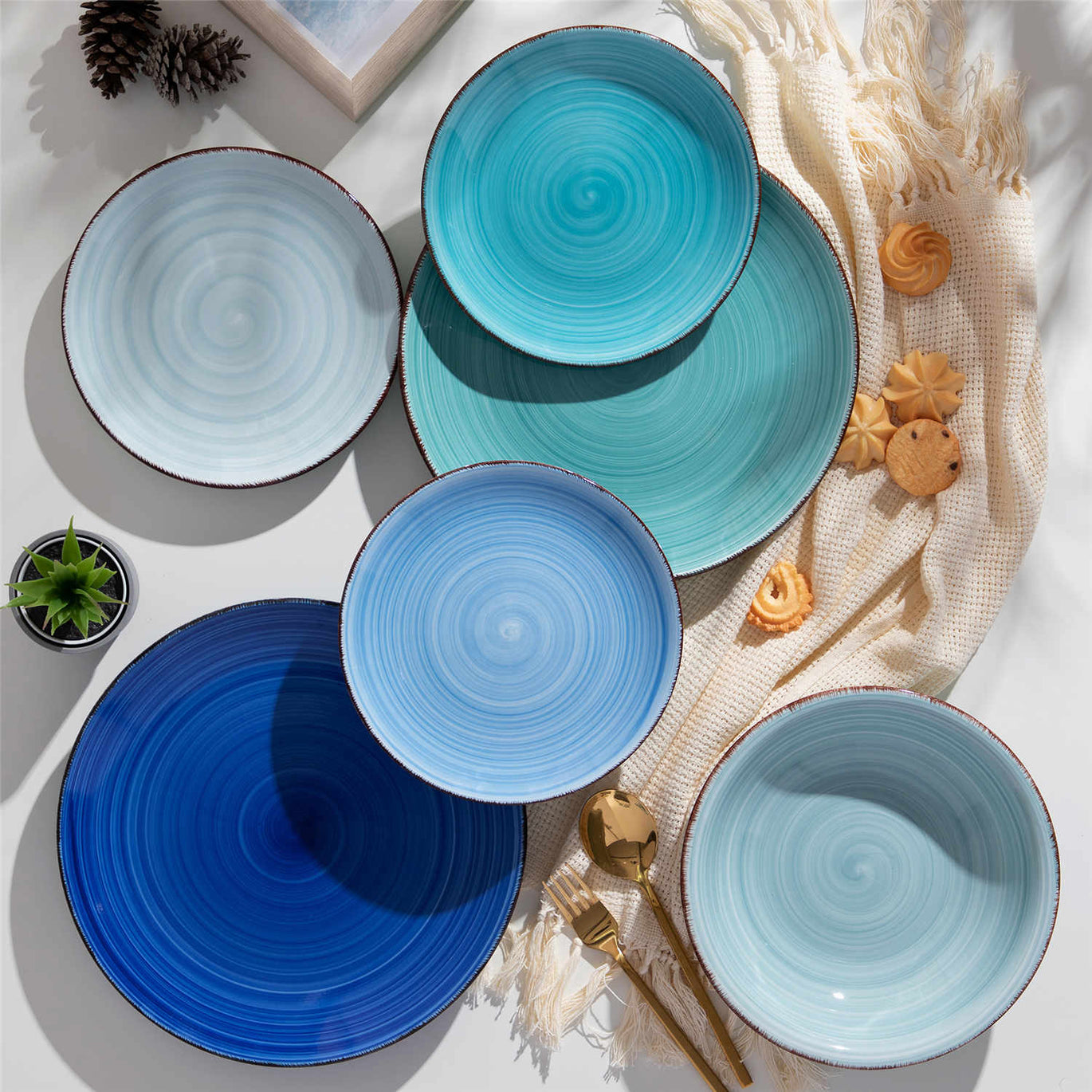


Why White Plates Drive Michelin Chefs Crazy—And Why They Can’t Quit Them

White plates are the clean, crisp T‑shirts of the dining room: they go with everything, flatter almost anything, and still manage to spark strong feelings among the people who obsess over food for a living. Ask a chef why their pass line is stacked with icy white porcelain and you’ll hear raves about clarity, contrast, and control. Ask them on a slammed Friday night why that same plate makes them mutter, and you’ll hear about smudges that glare like sirens, beige-on-beige foods that look asleep, and the constant dance with portion illusions. Here’s the creative and pragmatic truth, drawn from both hands-on styling at the table and what reputable research has found: white plates can be both the calm canvas and the bossy director of your meal. The key is knowing when to lean into their strengths—and when to break the rule.
The Paradox on a Platter
Chefs love white because it behaves like a gallery wall. Colors pop, edges read cleanly, and textures stay legible. That neutrality makes it easier to deliver the same visual story across wildly different menus and seasons, which is why white has become the quiet uniform of fine dining. Historically, the prestige of white porcelain also telegraphed refinement; that association eventually traveled from European courts to modern haute cuisine, and now to home tables aspiring to restaurant polish, as noted by Catalonia Plates.
And yet, white can frustrate the precise. The plate shows every smear of sauce, every thumbprint, and every uneven crumb trail. Pale, monochrome foods look timid if you don’t add contrast. Portion illusions are real: on a broad white field, servings can feel smaller than they are, nudging plating decisions if you aren’t attentive. Research adds more texture—and contradiction. Some studies find desserts seem sweeter or more appetizing on white; others say darker plates raise perceived quality or increase intake. That variability is exactly why many chefs keep white as the baseline but reach for black, blue, or patterned pieces when a dish needs a different nudge.

What “White Plate” Really Means
When professionals say “white plates,” they usually mean high‑fired porcelain or bone china: vitrified ceramics fired to extreme heat for strength, chip resistance, and that crisp, stain‑resistant white. This isn’t just aesthetics; it’s workhorse performance. White lines tend to stay in production longer, which makes replacing breakage straightforward. For home cooks, that’s a practical superpower: you can future‑proof your table, mix shapes while keeping a cohesive look, and replace a broken dinner plate without reinventing your entire set, as Catalonia Plates points out.

The Psychology: White as Canvas, Flavor as Story
A plate’s color and shape bias what we think we taste before a bite ever lands. The effect is not mystical; it’s expectation. Our brains knit together visual cues and flavor memories in milliseconds, and the plate is part of that prelude.
Color and taste perception
White frames food without adding color noise, which is why bright produce, emerald herbs, and glossy sauces look electric on it. Studies summarized by Charles Saunders Food Service describe how warm colors can stimulate appetite while cool colors calm it; white sits neutral and lets the food do the talking. Some experiments report that desserts seem sweeter on white versus black, which tracks with learned associations of purity and freshness. Others note that black can elevate perceived quality or intensity for darker, richer desserts. University of Georgia Dining highlights that plate color can change consumption itself, with higher intake reported for red and black plates in a randomized setting compared with white.
Shape and sweetness, edges and energy
Plate shape pulls on a different mental string. Rounded forms read comforting and, in some reports, sweeter; angular forms feel modern and can cue saltiness or sharpness. That’s partly why a tidy round white coupe can make a panna cotta feel plush, while a square plate can make a geometric tart look more architectural. These crossmodal associations are subtle, but when you’re engineering a dining experience, subtle is the dial you turn.
Contrast, illusions, and why context wins
Contrast does heavy lifting. Low contrast between food and plate can make portions look smaller, a version of the Delboeuf illusion that nudges serving behavior. High contrast helps portions feel more defined and can curb overserving. One randomized crossover trial reported on PubMed Central found that, at a self‑served lunch, red and black plates were linked to higher energy intake than white for a young female population, despite no differences in satiety ratings. Meanwhile, a field study published in Flavour found white plates boosted appetizing ratings at lunch for certain desserts but made less difference at dinner. Takeaway: the effect of plate color is real but conditional. Lunch lighting, dish color, and plate–food contrast can flip a result that would look different at night or with a different recipe.

Evidence at a Glance
Question |
Key finding |
Context/Notes |
Source |
Do white plates make desserts more appetizing? |
For one dessert, pre‑tasting appetizing ratings were meaningfully higher on white than black (for example, means around 7.7 vs 5.0 on a 9‑point scale), especially at lunch; dinner showed little difference. |
Lunch service amplified the effect; other desserts shifted in smaller or opposite ways. |
Flavour (BioMed Central) |
Do plate colors change how much we eat? |
In a randomized crossover lunch, red and black plates were linked to higher energy intake than white; satiety ratings did not differ by color. |
Young women served themselves pasta and juice; context and plate–food contrast may matter. |
PubMed Central randomized trial |
Can plate color sway perceived quality or price? |
Black plates increased expected menu price and liking versus white for certain desserts; matte white made portions feel larger than glossy. |
Large round plates, about 12 in in diameter, minimized size illusions compared with smaller ones. |
MDPI Foods |
Do picky eaters react differently to color? |
Snacks tasted saltier from red and blue bowls than white—among picky eaters only; desirability fell in red. |
Non‑picky eaters showed little effect; learned packaging associations may play a role. |
Charles Saunders Food Service |
Why do restaurants default to white? |
Cleanliness, neutrality, and history meet practicality: white porcelain is durable, widely available, and easy to replace as patterns retire. |
White coordinates across menus and seasons, simplifying operations at scale. |
Catalonia Plates |
Should you avoid blue plates? |
Practitioners often do; blue is rare in natural foods and can dampen appetite, though it can cue freshness in seafood contexts. |
Effects are context‑dependent; use intentionally, not reflexively. |
University of Georgia Dining; practitioner guidance |

Why Pros Swear by White—and Sometimes Swear at It
Professional kitchens aren’t temples of minimalism by accident. White lets the food color‑grade the story. You can run a spring pea risotto and a roasted beet salad through the same pass and both look intentional on white without renegotiating the rest of the tablescape. White also gives chefs consistency control. Because plate color can nudge perceived sweetness, temperature, or intensity, neutral plating reduces unintended bias so more guests experience a dish as designed.
Still, the friction is real. White is an unforgiving critic. A droplet of reduction on the rim is the only thing you see. Heavily beige or brown foods can read flat unless you build contrast with a bright herb oil, lemon zest, or charred edge. Portion illusions creep in: a modest mound looks positively tiny on a wide white charger, which can send your hand back to the pan. At home, the same dynamics apply. If your favorite dish is all taupe—say, mushroom barley pilaf—switch to a darker plate or add a quick green garnish to bring it to life.
From an operations angle, white tends to be more affordable and easier to restock; lines stay in production, so replacements don’t hijack your budget. Bone china and high‑fired porcelain survive roaring dishwashers and the heat of a line better than many artisanal glazes. That durability keeps white in the rotation—even when the creative team briefly flirts with hand‑painted maximalism.
Using White Plates Like a Pro
If white is your base note, treat it like a versatile instrument. First, pick the right white. A bright, cool white feels clinical in some dining rooms; a soft ivory can feel warmer without dulling contrast. Finish matters too. Matte surfaces read modern and can make portions feel slightly more substantial, while high gloss gives you jewelry‑box shine but shows fingerprints more readily.
Shape is your second lever. Round plates cue comfort and can underline dessert sweetness or classic fare. Square plates swing modern and can make components feel more substantial in the corners. Oval plates guide the eye to a focal center and flatter elongated foods like whole fish. Rectangular plates excel for linear appetizer compositions or plated desserts that benefit from runway. Organic silhouettes introduce a touch of sculptural energy without fighting the food. Practitioner guidance and trade sources like Wasserstrom outline these shape signals, and they hold up on the table.
Lighting is the quiet third factor. The Flavour study’s lunch–dinner split is a reminder: daylight and warmer evening light can change how color reads. In my own styling sessions, the same salad on white felt spring‑bright at noon and more subdued at 8:00 PM under warm bulbs. If your dining room leans amber after sunset, add small hits of saturated color to keep white plates from washing dishes out.
When should you break the white rule? When the dish is already high‑contrast and craves mood or when you want to cue value. MDPI Foods reported that black plates raised expected price and liking for some desserts. Dark plates also flatter deeply browned, caramelized foods and glossy ganaches. Red and black can boost intake compared with white at lunch in self‑serve contexts, as noted by both PubMed Central and University of Georgia Dining. If you’re encouraging appetite—say, for a celebratory tasting—strategic dark plates can do quiet work. If you’re managing portions, white remains your ally.
Home Table Wins That Feel Restaurant‑Smart
For everyday dining, a core white set future‑proofs your table. Mix coupe dinner plates with a handful of rimmed salad plates to give yourself textural options while staying in one color family. Because white lines are widely available, you can add a second set later—matte stoneware or ribbed porcelain—and they’ll still play nicely together.
Lean on contrast when plating. If your dish skews pale, punch in a green herb, a citrus wedge, or a browned edge to avoid a beige‑on‑white yawn. If you love vibrant food, white will do the amplifying for you. When you want the table—not the food—to be the star, layer a patterned bread plate or a colored water glass on a white base. You get personality without sacrificing food clarity.
If your goal is to encourage picky eaters, color can help. Charles Saunders Food Service describes how picky eaters alone reported saltier tastes from red and blue bowls; blue packaging associations may reinforce that expectation. It’s a reminder to match the plate to the diner, especially with kids. Conversely, if you’re portion‑conscious at lunch, remember the randomized trial where red and black increased intake versus white; that’s a moment to stick with white and a smaller diameter dinnerware.
And for holiday tables, white is your seasonal chameleon. It goes farmhouse with linen and wood for Thanksgiving, modern with graphite flatware on New Year’s Eve, and unfussy with gingham and lemonade on the Fourth of July. That adaptability means you can spend your budget on great ingredients rather than chasing new patterns each season.
Pros, Cons, and Tradeoffs in Plain Sight
Aspect |
White plates: what to love |
White plates: what to watch |
Visual performance |
High contrast that flatters most colors; keeps multi‑component plating legible; reduces color‑driven taste bias so flavors land as intended. |
Unforgiving to smudges; pale, monochrome foods can look flat without garnishes or texture; broad rims can exaggerate empty space. |
Psychological nudges |
Desserts may read sweeter; lunch appetizing ratings sometimes higher on white for lighter desserts; neutral canvas supports consistency. |
In some contexts, white can curb intake relative to dark plates, which is good for portions but not for encouraging appetite; effects shift with lighting and dish color. |
Practical realities |
Widely available, easier to replace; bone china/high‑fired porcelain resist heat and dishwashing; timeless look that syncs with any decor. |
Can feel ubiquitous; requires sharper plating discipline; portion illusions (Delboeuf) can nudge overserving if you don’t mind the plate‑food contrast. |

How to Pick Your Next White Plate
Begin with material. High‑fired porcelain or bone china delivers strength and the clear whites you want for contrast. If you like a softer, artisanal vibe, consider fine stoneware in a white glaze but confirm it’s dishwasher‑safe and chip‑resistant. Next, decide your finish. If you hate polishing, matte hides fingerprints and reads contemporary; gloss brings light and luxe. Finally, choose shape by how you cook. If you roast whole fish, go oval. If you love linear appetizers and plated desserts, go rectangular. If your menu is comfort‑heavy, rounds will cradle it beautifully.
A quick note on size: larger plates—around 12 in—can make portions look smaller; smaller ones can crowd food and dull elegance. MDPI Foods observed that increasing diameter changed perceived portion and appearance in predictable ways. For weeknights, a dinner plate around 10 to 11 in feels generous without swallowing the food.

When Sweetness, Salt, and Storyline Are the Goal
Research is helpful, but your dish is the deciding vote. If you’re plating a light, citrus‑forward dessert, white can dial up brightness and, according to Flavour, boost appetizing ratings at lunch. If you’re presenting a dark‑toned chocolate torte and want to cue intensity and value, black can elevate quality signals and perceived price. If you have a guest who hesitates with new flavors, consider the Charles Saunders findings for picky eaters—blue for salty snacks, avoid red for desirability—and adjust your vessels accordingly. And if you are hosting a convivial grazing lunch where seconds are part of the fun, University of Georgia Dining’s note that red and black plates can prompt higher intake gives you a lever you can actually pull.
What This Looks Like in Real Life
On a Tuesday, you make a honey‑glazed salmon with roasted carrots and herbed yogurt. On white, the burnished salmon and orange carrots leap forward; the green herb oil reads like punctuation. On Saturday, you serve a flourless chocolate cake with espresso cream. On white, it’s elegant but restrained; on a black plate, the cake feels taller, richer, more theater. And during a Sunday brunch for friends who eat like birds, you sneak in high‑contrast plates for the fruit course, knowing the nudge might help them tuck into seconds without you saying a word. None of this requires a new recipe—just a nimble plate wardrobe and a sense of the story you want each dish to tell.

A Short FAQ for the Curious
Is white outdated or “boring”? Not if you treat it as a canvas, not a conclusion. Shape, texture, and garnishes keep white plates fresh, and the neutrality helps your food read with clarity across seasons.
Does red suppress appetite? It depends. Some practitioner lore says yes, but both University of Georgia Dining and a randomized trial summarized on PubMed Central report higher intake with red and black versus white at a self‑serve lunch. Context and contrast matter more than color alone.
Will white make dessert taste sweeter? Sometimes. Work cited by Flavour and trade summaries suggest white can boost perceived sweetness for some desserts, especially by day. Other studies find that dark plates can raise perceived quality or flavor intensity for darker desserts. Test with your actual recipe and lighting.
What should I buy first for home? Start with a reliable white porcelain or bone china set in a shape you’ll use daily, then add a few dark or patterned accent pieces for desserts and mood. You get versatility with just enough drama to style deliberately.
Closing
White plates are both muse and meter. They magnify color, demand precision, and—when you’re deliberate—let the meal sing exactly as you imagined it. Keep white as your dependable stage, then cast the supporting pieces for sweetness, appetite, and story. That’s how a joyful, colorful tabletop gets pragmatic magic into every bite, night after night.

References
- https://dining.uga.edu/aesthetics/
- https://pmc.ncbi.nlm.nih.gov/articles/PMC5911375/
- https://smart.dhgate.com/patterned-vs-plain-plates-does-the-design-actually-affect-how-food-tastes/
- https://www.getserveware.com/how-using-color-dinnerware-affect-food-presentation/
- https://www.royalwarechina.com/white-plates-or-patterned-dishes-which-suits-your-table-best/
- https://flavourjournal.biomedcentral.com/articles/10.1186/2044-7248-2-24
- https://cataloniaplates.com/blogs/all/why-do-restaurants-love-white-plates
- https://charles-saunders.com/articles/plate-psychology-how-plate-colour-and-shape-influence-our-perception-of-food/
- https://coton-colors.com/blogs/toast-the-blog/embrace-the-classic-style-white-dishes-bring-to-any-table?srsltid=AfmBOornbHDp80UxV-_JWLdXpdDUoXrxxD7LDkZE6iM559o7H5YITh-e
- https://www.lightspeedhq.com/blog/10-food-plating-and-presentation-tips/
Sie können auch mögen
Stern 16 Stück Geschirr Set
- €87,95
€99,95- €87,95
- Stückpreis
- per
-
Blue
-
Green
-
Red
-
Grey
Simi 24 Stück Geschirr Set
- €99,95
€133,95- €99,95
- Stückpreis
- per
Bonita 18-teiliges Geschirrset
- Von €62,95
€77,95- Von €62,95
- Stückpreis
- per
-
Blue
-
Multicolor
Simi 24-teiliges Tafelservice mit doppelseitigen Schüsseln
- €104,95
€133,95- €104,95
- Stückpreis
- per