



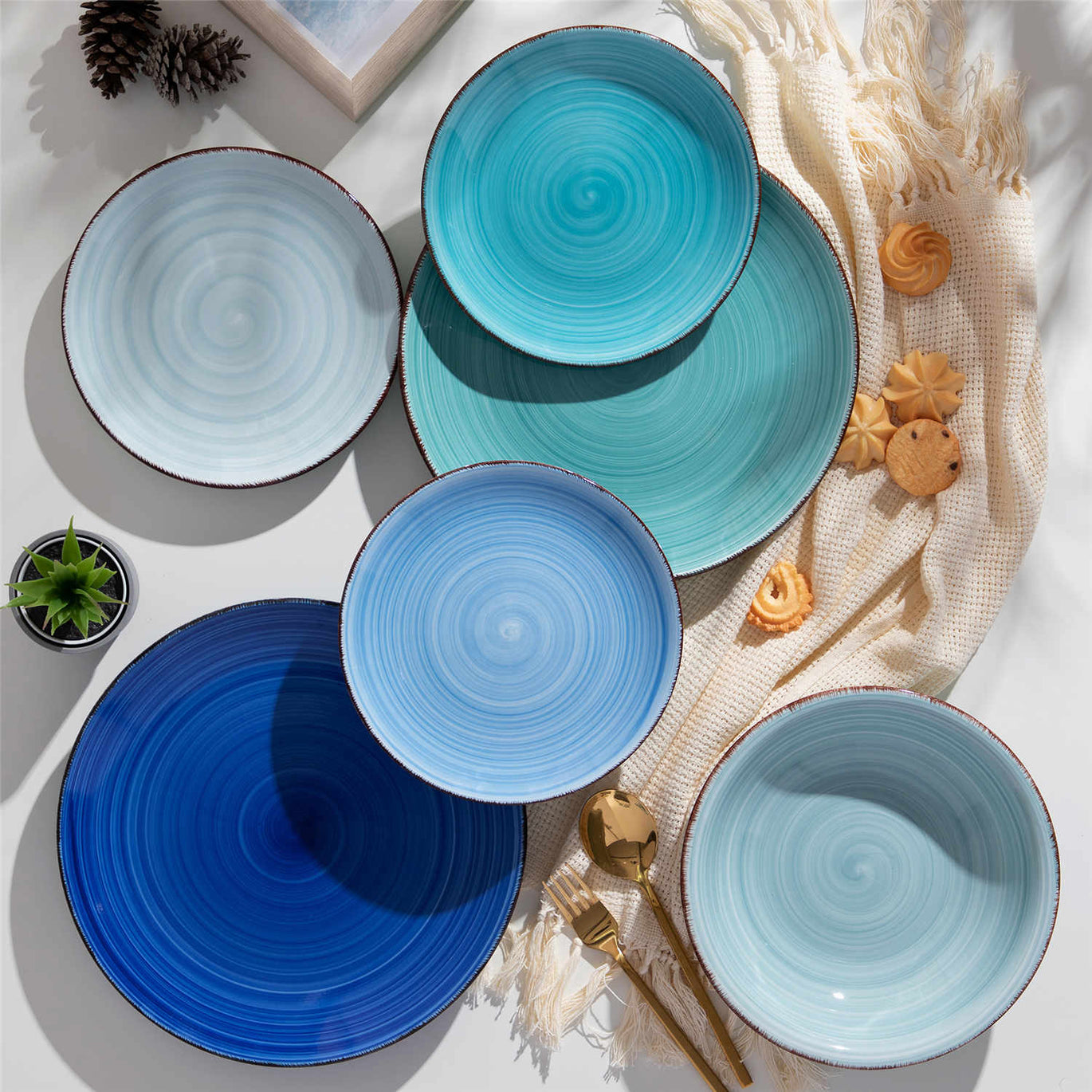


The Benefits of Local Clay Tableware for Eco‑Villages

If you’ve ever set a communal table and felt that crackle of happy anticipation right before the soup ladle makes its first circle, you already know: tableware sets the mood. In eco‑villages, where sustainability is not a side dish but the whole menu, choosing local clay tableware transforms more than the tablescape. It shrinks footprints, strengthens community, and brings daily joy to the ritual of eating. As a Colorful Tabletop Creative & Pragmatic Joy Curator, I’ve styled countless shared meals with locally made plates, bowls, and mugs, and I’ve learned that local clay doesn’t just look good—it works hard for your values. Let’s plate up the why, the how, and the beautifully practical details.
What “Local Clay Tableware” Really Means
Local clay tableware refers to plates, bowls, mugs, and serveware formed from clays sourced and shaped within your region, fired in kilns managed by small studios, co‑ops, or nearby makers. Clay isn’t vague magic mud—it’s a family of minerals with a precise, science‑backed identity. As discussed in Colorado State University Magazine, clay minerals consist of tiny platelets that become pliable when wet and hard when fired, a material behavior that explains both the formability of pottery and the durability we love at the table. Within ceramics, you’ll see a few common categories. Earthenware is typically lower‑fire and delightfully warm and rustic; stoneware is mid to high‑fire, dense and durable; vitrified stoneware is fully matured in the kiln, resulting in a non‑porous, strong body that resists moisture and odors, a quality celebrated by long‑standing U.S. makers highlighted by HF Coors.
Local doesn’t have to mean the hillside next door. It often means “within practical driving distance,” a range that still meaningfully cuts transport emissions and fosters a circular, transparent supply chain. In everyday terms, it means you can actually meet the people who made your plates, ask what went into their glazes, and request the exact bowl shape your breakfast oats prefer.

Why Local Clay Tableware Shines in Eco‑Villages
Eco‑villages thrive on shared resources, community kitchens, and stewardship that turns ideals into infrastructure. Local clay tableware aligns with these rhythms. Ceramics are inherently reusable, non‑plastic, and built for daily duty. Sources like Grescasa and Dreamy Walls emphasize ceramic durability, heat resistance, and safety for food contact, while studios featured by Wheelhaus Studio and Crafty‑Clayworks explain how modern kiln practices, lead‑free glazes, water recycling, and clay reclaim systems reduce impacts behind the scenes. On the table, ceramics retain heat better than many alternatives, so food arrives and stays warm, nudging meal times toward slower, more convivial dining. In shared dish rooms, standardized, stackable forms make storage and rotation predictable. In the bigger picture, local production supports artisan livelihoods and preserves techniques that are often lower waste and more repair‑friendly than mass production, as echoed by The Potters Shed and Clayheart.
Environmental Upside: Materials, Energy, and Waste
Ceramics start with earth‑derived materials—clay, minerals, and water—rather than petrochemicals. Ceramic Kitchen and Klaykathaa underline this basic advantage, and Grescasa points to the long service life that reduces replacements over decades. Firing is the energy hotspot in ceramics, with kilns reaching temperatures that can exceed 2,500°F according to contemporary design coverage in Vocal Media. That energy reality is why sustainability in clay centers on process innovations. Crafty‑Clayworks and Joyye describe practical shifts: electric kilns powered by renewables, better kiln insulation and schedules, more efficient firing cycles, low‑fire glazes that mature at lower temperatures, closed‑loop water systems, and reclaiming clay trimmings into fresh bodies instead of sending them to waste. In village terms, this means choosing makers who can explain their firing methods, energy sources, and reclaim practices in plain language. It also means ordering intentionally—batching commissions and consolidating firing lots lowers the ratio of energy per piece.
Local Supply Loops Reduce Transport and Packaging
Locally sourced clays and nearby studios minimize long‑haul shipping. Joyye and Wheelhaus Studio highlight transparent, short supply chains where materials and processes are easier to verify. Makers who reclaim clay scraps and slurries keep waste close to zero, and many small studios adopt minimal or plastic‑free packaging, a detail The Potters Shed ties to waste reduction. When your dinner plates travel miles instead of oceans, they arrive with a lighter footprint and a story that actually belongs at your table.
End‑of‑Life Reality: Inert, Not Microplastics, and Often Recyclable in Specialized Streams
Here’s the honest, planet‑savvy truth that matters for EEAT credibility. Some brand content (EHA Eco and several marketing pages) frames clay or ceramics as “biodegradable.” The more precise framing from sources like Grescasa and Wheelhaus Studio is that fired ceramics are inert, non‑toxic, and do not break down into microplastics. They do not readily biodegrade in a compost‑bin sense, and they are unlikely to decompose on the timescale of household waste. That said, ceramics can be reused or recycled in specialized pathways: crushed and returned to new clay bodies as grog, or ground into aggregate for construction and landscaping. Vancasso notes recyclability in principle; in practice, check your region for actual acceptance or partner with local studios and builders who can repurpose broken ware. In eco‑villages, this often becomes a beautiful loop: chips become mosaic art, drainage crock for planters, or texture in pathways—never pollution.

Health, Safety, and Performance at the Table
Food safety is non‑negotiable. Grescasa and multiple studio sources emphasize non‑toxic, lead‑free glazes for food‑contact surfaces. Modern, reputable studios can state their glaze chemistry clearly. Clayheart discusses how well‑applied glazes protect surfaces and resist staining in daily use. Dreamy Walls notes that ceramics don’t impart metallic flavors, a quiet delight with citrus‑bright salads and cozy coffees alike. Vitrified stoneware, a staple of durable tableware, avoids moisture absorption and odors and often carries ratings for oven, microwave, dishwasher, and even freezer‑to‑table service when handled with basic care. Where an eco‑village kitchen serves many palates and diets, a neutral, non‑reactive surface that cleans with mild detergents and resists scratching is a daily gift.
The Water Connection: Clay Vessels and Microbial Quality
While not tableware per se, porous earthenware vessels can play a role in an eco‑village’s broader food‑and‑water system. Peer‑reviewed research available through the National Library of Medicine reports that storing tap or tank water in clay pots over several days improved microbiological measures, with total plate counts and even Legionella dropping meaningfully. This aligns with traditional knowledge about earthenware storage and suggests a complementary benefit: clay can support safer, more palatable water when used thoughtfully, cleaned well, and monitored for turbidity. For villages integrating clay across kitchen and water workflows, this study provides a science‑backed nudge to consider earthenware storage alongside tableware programs.
Pros, Cons, and Pragmatic Fit for Eco‑Villages
The strengths are easy to see. Local clay tableware is durable, reusable, and free of microplastics. It carries heat beautifully and feels grounded in the hand, encouraging mindful meals. It supports local makers, reduces transport emissions, and, with responsible studio practices, keeps production waste slim. It also tells a story guests can taste: hand‑thrown rims, ash‑kissed glazes, and soft, natural tones that harmonize with seasonal produce.
There are trade‑offs. Ceramic production relies on kilns, and firing remains energy intensive even with smarter schedules and renewable power. Pieces can chip or break, especially in hurried kitchen environments or in storage areas with hard edges and no padding. Weight can be a factor for little hands and elders, and the initial investment is higher than disposables or thin imports. Each challenge, though, comes with practical mitigations. Choosing vitrified pieces with slightly thicker lips improves chip resistance. Training volunteers in stacking and unstacking reduces losses dramatically. Soft drawer liners and rack dividers cushion movement. Collaborating with studios to standardize forms makes storage easier and prevents wobbly stacks. And when a plate does break, the shards can come back as art, drainage material, or aggregate rather than waste.

Practical Buying Guide for Villages and Co‑ops
Start with clarity about use. For constant communal use, favor stoneware or vitrified stoneware over delicate low‑fire earthenware. Ask makers to confirm lead‑free, food‑safe glazes and to list use ratings: oven, broiler, microwave, dishwasher, and freezer safety are commonly verified by responsible brands and studios. The HF Coors profile underscores how vitrified, lead‑free ware resists moisture, odors, staining, cracking, and crazing—attributes you can look for from any reputable U.S. maker.
Request glaze transparency. Studios that disclose glaze chemistry and firing temperatures are more likely to deliver consistent, safe results. Sustainable pottery overviews from Klaykathaa and Joyye advise looking for low‑toxicity, lead‑free formulations and sharing any acid‑heavy kitchen uses in advance so glaze fit is appropriate.
Prioritize ergonomic shapes and compatible stacks. Choose rim widths and wall thicknesses that match your community dish racks, with comfortable weights for frequent handling by many users. Clayheart notes that handmade pieces are often more substantial and balanced in hand; that heft is a benefit when it’s consistent across a set.
Confirm studio sustainability practices. Crafty‑Clayworks and Wheelhaus Studio outline best practices: energy‑efficient or renewable‑powered kilns, clay reclaim systems, closed‑loop water use, and minimal or plastic‑free packaging. Ask studios how they schedule firings to reduce energy intensity, whether they reclaim trimmings, and how they handle glaze waste.
Think end‑of‑life at the start. Since fired ceramics are inert and not truly compostable on household timescales, plan a shard reuse pathway. Broken pieces can be returned as grog, used for mosaics and garden drainage, or donated to local makers for studio use. Vancasso’s recyclability note becomes practical when you’ve lined up a partner who can actually accept ceramic aggregate.
Care and Use: The Long‑Life Playbook
Ceramics love steady temperatures and a gentle touch. Dreamy Walls recommends avoiding thermal shock: don’t take a plate straight from a cold refrigerator and place it into a hot oven. Let pieces come to room temperature when moving between extremes. Hand‑washing is the gold standard for delicate or special finishes, but many robust stoneware sets are dishwasher safe; use mild detergents and avoid abrasive pads. Stack with soft liners or use rack separators for daily storage. If you adopt earthenware water vessels as a companion project, the National Library of Medicine study suggests routine cleaning and even occasional oven‑drying to keep microbial profiles favorable; just be sure to follow the vessel maker’s care guidance.

The Community Kitchen Reality: Operations and Cost
Sustainability wins become sticky when they’re easy to live with. Standardize a core set—say, three plate sizes, one bowl profile, and two mug shapes—so storage and replacement are simple. Choose a glaze palette that tolerates scuffs and hides minor marks, and stock a small reserve to rotate in when pieces are out of service. Train volunteers on how to lift stacks, nest bowls, and rack mugs, and place soft mats or cork sheets anywhere ceramic meets metal or stone. The Potters Shed points out that a single handmade mug can replace hundreds of disposables; in the shared kitchen, that multiplies fast. Upfront cost fades as years pass without routine replacement, while the aesthetic lift is immediate.

A Quick Look: Materials at the Table
Here’s a compact comparison you can share in planning meetings. It’s not meant to crown a universal winner; it clarifies trade‑offs that matter in eco‑village contexts, drawing on principles and claims summarized by Grescasa, Crafty‑Clayworks, Wheelhaus Studio, Joyye, Dreamy Walls, and others.
Material |
Core Inputs |
Durability in Daily Use |
Food Safety |
Transport/Local Fit |
End‑of‑Life Notes |
|
Local clay stoneware |
Regional clays, minerals, water |
High when vitrified; chip risk if mishandled |
Excellent; oven/microwave typically compatible |
Strong with lead‑free, non‑toxic glazes |
Excellent; short supply chains, maker transparency |
Inert; no microplastics; recyclable via specialized or reuse streams |
Imported factory ceramic |
Clays, industrial processes |
High; variable by quality |
Excellent |
Usually safe when compliant; verify |
Mixed; long transport, opaque sourcing |
Inert; similar specialized recycling limits |
Plastic plates |
Petrochemicals |
Low to moderate; prone to scratching |
Poor; warps or deforms with heat |
Variable; potential chemical concerns |
Good for shipping; sustainability misaligned |
Persistent waste; microplastic risk |
Stainless steel |
Metal alloys |
Very high |
Excellent |
Food‑safe |
Widely available; not local‑craft oriented |
Readily recyclable in metal streams |
Glass |
Sand, minerals |
Moderate; break risk |
Excellent for oven‑safe tempered forms |
Food‑safe and inert |
Mixed; heavy to ship |
Inert; recyclable in glass streams where accepted |
Style, Color, and the Joy Factor
Sustainability has a heartbeat, and it thumps loudest when people love using the thing they’re sustaining. Modern eco‑friendly ceramics lean toward earthy tones, hand‑thrown silhouettes, and glazes that celebrate natural variation—design notes Joyye calls out among current trends. In communal dining rooms, these variations become a feature, not a flaw: a table dotted with hand‑speckled bowls invites conversation. The slow‑design ethos described by Vocal Media—fewer, better, longer‑lived pieces—fits village life perfectly. Curate a palette that plays nicely with seasonal produce and shared pots, then let the collection evolve with local makers’ hands.
Putting It in Motion: An Implementation Sketch
Start with a studio visit. Ask to see clay reclaim and water recycling in action and to feel vitrified samples beside lower‑fire ware. Choose a core set of forms and test them with real meals, tracking how they stack, dry, and load in your dishwasher racks. Work with the maker on energy‑smart firing schedules, ideally consolidated to minimize cycles. Launch the first tranche in one neighborhood kitchen, then expand based on what you learn. Build a shard‑reuse ritual—mosaics on the garden wall, planters with drainage crocks, or a monthly workshop where broken pieces become art. As adoption spreads, publish your care and stacking guide, and share the maker’s story on the community notice board. Sustainability sticks when it’s easy, beautiful, and proudly local.

Addressing Common Questions
Is ceramic tableware actually eco‑friendly if kilns use a lot of energy? Firing is energy intensive, but process improvements make a tangible difference. Crafty‑Clayworks documents gains from energy‑efficient kilns, renewable power, low‑fire glazes, and consolidated firing schedules. Over a long service life, durable ceramic pieces replace countless disposables and lower total waste.
Do ceramics biodegrade? Marketing language sometimes says “biodegradable,” but the accurate description from sources like Grescasa and Wheelhaus Studio is “inert and non‑toxic.” Fired ceramics do not become microplastics and can be reused or recycled via specialized streams or repurposed as aggregate and grog.
What about water and hygiene in communal settings? Research published through the National Library of Medicine found that storing water in clay vessels improved several microbiological indicators over days of storage. For tableware, focus on lead‑free glazes, proper washing, and avoiding thermal shock; for clay storage vessels, follow maker cleaning instructions and monitor turbidity if you’re using them as part of a water system.

A Note on Evidence and Care
The environmental and health points in this guide reflect a blend of studio practice and published guidance. Grescasa and Dreamy Walls highlight durability, heat retention, and non‑toxic performance in use. Crafty‑Clayworks, Wheelhaus Studio, Joyye, and Klaykathaa detail the levers for making pottery more sustainable—local sourcing, recycled inputs, closed‑loop water, and safer glazes. The National Library of Medicine adds peer‑reviewed context on clay vessels and water quality. Together, they paint a grounded picture: ceramics are a strong match for eco‑village life when you choose well and care intentionally.
The Joyful Close
Local clay tableware is more than a plate; it is a daily vow to eat beautifully and live lightly. Set your long tables with pieces shaped by nearby hands, and you’ll taste the difference in flavor and in footprint. That’s the colorful, pragmatic joy of an eco‑village: values you can hold, wash, stack, and share—meal after meal, year after year.

References
- https://magazine.libarts.colostate.edu/article/clay-is-a-border-of-nature-time-and-space/
- https://pmc.ncbi.nlm.nih.gov/articles/PMC11247066/
- https://feelartistic.org/2024/12/03/sustainable-pottery-practices-eco-friendly-materials-and-techniques/
- https://clayheart.co.za/the-benefits-of-using-handmade-ceramics/
- https://eha.eco/from-tree-to-table-theshocking-truth-about-our-clay-plates/
- https://grescasa.com/the-environmental-benefits-of-using-ceramic-products/
- https://joyye.com/info-detail/eco-friendly-ceramic-tableware-and-vases
- https://www.klaykathaa.com/blog/the-benefits-of-using-sustainable-pottery
- https://ourgoodbrands.com/sustainable-pottery-how-eco-friendly-ceramics-shape-industry/
- https://gbs.sa.com/what-are-the-benefits-of-using-clay-plates/
Sie können auch mögen
Stern 16 Stück Geschirr Set
- $88.00
$100.00- $88.00
- Stückpreis
- per
-
Blue
-
Green
-
Red
-
Grey
Simi 24 Stück Geschirr Set
- $100.00
$135.00- $100.00
- Stückpreis
- per
Bonita 18-teiliges Geschirrset
- Von $63.00
$78.00- Von $63.00
- Stückpreis
- per
-
Blue
-
Multicolor
Starry 16-teiliges Geschirrset
- $88.00
$90.00- $88.00
- Stückpreis
- per
-
Blue
-
Green
-
Red
-
Gradient Green