



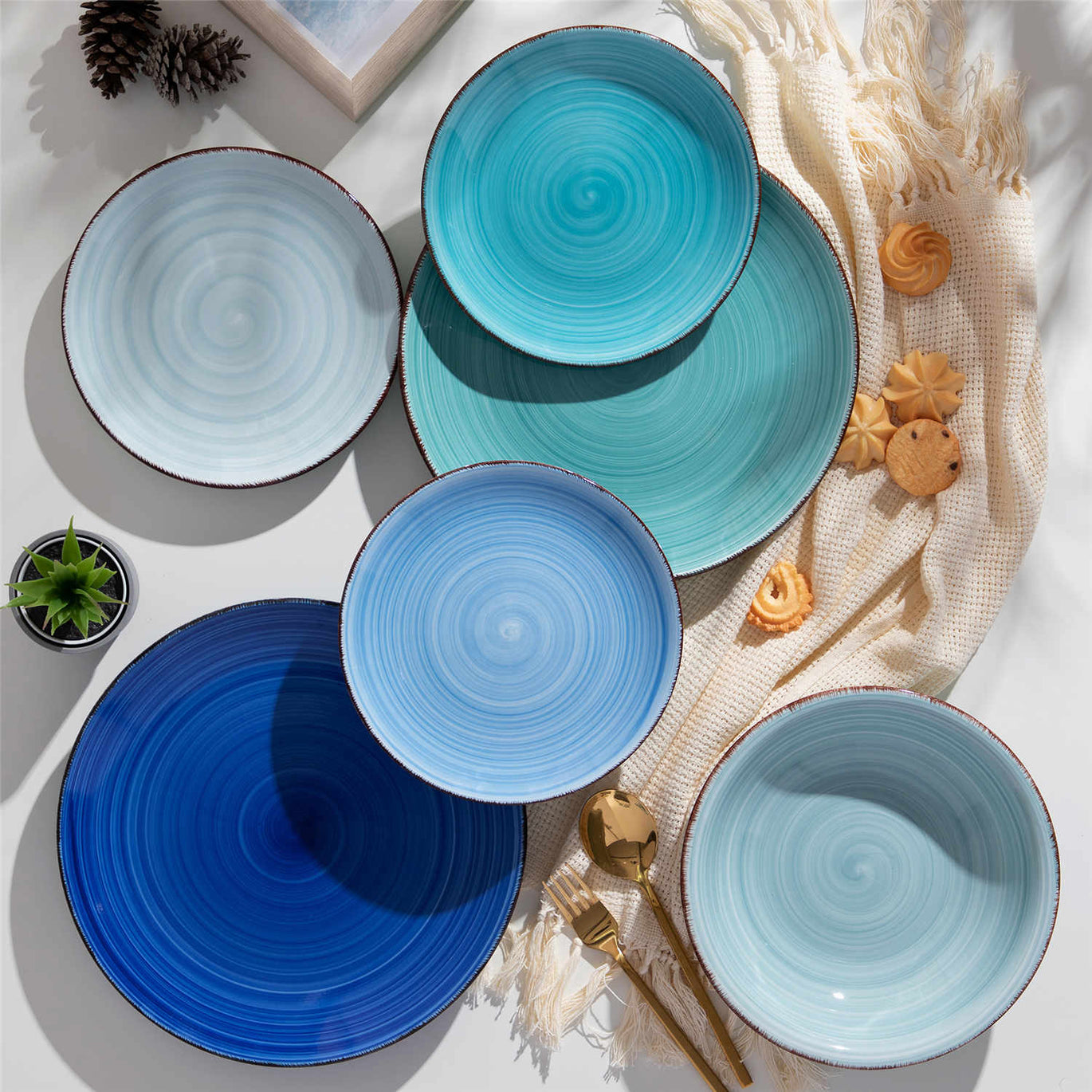


Understanding the Hidden Community of Male Ceramic Dinnerware Collectors

There is a moment I see over and over again when styling a table with a male collector. He lifts a plate to the light, runs a thumb along the rim, and his whole face softens. It is not about “having nice dishes.” It is about holding a story, a design decision, a tiny work of engineering and art that just happens to carry dinner. That quiet, almost reverent moment is where the hidden community of male ceramic dinnerware collectors really lives.
These collectors are everywhere: the software engineer who obsessively hunts vintage CorningWare, the chef who mixes handmade stoneware with luxury porcelain, the dad who builds a rainbow of Fiesta bowls for weekend pancakes. They are under-the-radar, rarely hashtagging their hauls, yet deeply intentional about the objects that touch their food and their lives.
This article opens the cabinet doors on that community. We will explore why men fall in love with ceramic dinnerware, what they actually collect, how they judge quality and safety, and how to build and care for a collection that feels both expressive and practical. Think of this as a colorful, joyful, but absolutely pragmatic field guide to a hobby that is part design, part archaeology, and part daily ritual.
Why Men Fall for Ceramic Dinnerware
Tableware collecting is often framed as a feminine or purely decorative pursuit, yet the motivations that drive many male collectors are incredibly grounded. Angie Homes describes tableware collecting as a creative, history-rich hobby where functional objects become a canvas for artistry and personal taste. That framing resonates strongly with men who are drawn to systems, storytelling, and subtle flexes of taste rather than flashy branding.
In my own work with clients, I see three big emotional drivers show up again and again, even if they are rarely articulated out loud. The first is a desire for meaningful control over the environment. Your dishes set the parameters for your meals: plate size shapes portion, color shifts mood, rim width changes how food frames on the table. For men who are visually sensitive but don’t want to redecorate the entire house, dinnerware is a wonderfully contained design playground.
The second driver is narrative. Collectors interviewed or profiled in sources such as Lucy Cuneo and The Cottage Journal talk about inheriting plates from their grandmothers, finding Japanese porcelain while traveling, or stumbling on a Staffordshire piece that suddenly made family stories real. Male collectors often connect to that same narrative thread: the Spode platter that appears every Thanksgiving, the 1960s CorningWare pattern that matches childhood memories, the handmade mug from the first apartment.
The third driver is craft and technology. Paloma Pottery and The Artling both emphasize how ceramic types like porcelain, stoneware, and earthenware encode centuries of technical innovation and cultural aesthetics. Men who love watches, audio gear, or sneakers often respond in a similar way to ceramics once they learn the difference between a dense, vitrified stoneware bowl and a delicate bone china coupe. Dinnerware becomes a tactile lesson in materials science and art history at the same time.
Many men also like that collecting dinnerware feels quietly subversive. The culture still expects men to care about cars and grills more than plates and cups. Choosing to care about glaze chemistry, edge profiles, and whether a cup “rings” when tapped is a low-key way of rejecting that script.

What Male Collectors Actually Collect
Within ceramics, “dinnerware” is a big tent. Value My Stuff and Paloma Pottery both remind us that ceramic is an umbrella term that covers porcelain, bone china, stoneware, earthenware, majolica, Delftware, and more. Male collectors often specialize by material, era, or maker, sometimes without even realizing they have chosen a lane.
Here is a simple way to visualize the main ceramic materials that show up in male dinnerware collections, synthesized from Paloma Pottery, Value My Stuff, and the expert guidance on high-quality dinnerware quality from DHgate’s buyer tips.
Material |
Feel & Look |
Durability & Use |
Typical Pros |
Typical Cons |
Earthenware |
Rustic, warm, often thick and colorful |
More porous and delicate |
Charming, artisanal, often affordable |
Chips more easily, can be less microwave and dishwasher friendly |
Stoneware |
Dense, weighty, matte or semi-gloss |
Very durable for daily use |
Great for everyday, resists chipping, feels substantial |
Can feel heavy, some cheaper lines chip if too thin |
Porcelain |
Smooth, refined, usually bright white |
Strong, nonporous, good for daily and formal |
Clean backdrop for food, durable, often microwave safe |
Slick surfaces can show cutlery marks, looks “formal” to some |
Bone china |
Light, slightly translucent, delicate look |
Surprisingly strong but feels precious |
Elegant, chip-resistant, excellent for special occasions |
Higher price, more intimidating to use daily |
Male collectors tend to gravitate toward different corners of this table depending on their lifestyle. The bachelor who hosts ramen nights and weekend brunches often leans into stoneware: it feels solid, masculine in the best way, and forgiving. HF Coors positions its vitrified ceramic dinnerware as incredibly chip-resistant and suitable for both domestic and hospitality use, which appeals to anyone who wants restaurant-grade resilience at home.
Another cluster of male collectors falls for luxury porcelain and bone china. JQY Ceramics notes that luxury ceramic dinnerware blends hand-painted details, refined surfaces, and premium finishes like gold edging, and that the global luxury tableware market is projected to grow from about $21.43 billion in 2023 to roughly $34.13 billion by 2032. That is not just proof that these plates are pretty; it is a signal that the category is maturing as an investment and lifestyle space, one that many men are quietly buying into.
Then there is the studio pottery crowd, described eloquently by We Love Clay and House & Garden’s coverage of British studio ceramics. These collectors chase named potters, one-of-a-kind glazes, and forms that may not match perfectly but feel alive in the hand. Handmade mugs, ramen bowls, and serving platters from local or online potters appeal strongly to men who love supporting individual makers and prefer to own “a piece by this potter” rather than “the plates from that catalog.”
Vintage is an entire ecosystem of its own. Painted Sparrow and The Cottage Journal show how collectors seek out CorningWare, Fiesta, Spode, majolica, Staffordshire, and more. Male collectors often begin here because vintage dinnerware is hyper-specific: a certain blue transferware hunting scene, a particular atomic-age pattern, a discontinued Fiestaware color. That specificity makes the hunt satisfying and allows personality to shine without saying a word.

How the Hidden Community Connects and Shops
If there were a giant convention of male dinnerware collectors, you can be sure there would be robust lanyards, seminar tracks about glaze durability, and a queue for the espresso station. In reality, the community is more dispersed and informal.
Angie Homes and Coton Colors both emphasize the joy of hunting: antique shops, flea markets, estate sales, auctions, collector fairs, and vintage markets. Male collectors often frame these outings as “gear scouting” or “design research” rather than shopping, but the goal is the same. At estate sales and antique malls you can run a fingertip along a plate edge, examine a maker’s mark, and decide instantly if a piece fits your mental mood board.
Online, the paths branch further. Articles from Paloma Pottery, The Artling, and Painted Sparrow all mention online marketplaces and auctions as important sourcing channels. Some men refresh listings at night the way other people scroll sports scores. They learn how to read photos for glaze quality, compare stamped marks to references, and ask sellers pointed questions about cracks, crazing, or restoration.
Budget-conscious collectors lean on the strategies Meesh Pottery describes for handmade ceramics: shopping thrift stores and yard sales, looking for discounted “seconds” with small cosmetic flaws, and starting with smaller functional pieces like spoon rests or ring dishes. Translating this to dinnerware, many men begin with dessert plates, salad bowls, or a few standout mugs rather than committing to a twelve-place setting in one shot.
At the other end of the spectrum, collectors of luxury sets follow JQY Ceramics and Shokki Decor–style guidance. They treat tableware like they treat watches or audio components: defining a target quality tier, comparing brands, and deciding whether they want classic white porcelain, decorated bone china, or bold, design-forward ceramic sets. North America already leads the luxury tableware market according to JQY Ceramics, which aligns with the growing number of men in the United States quietly adding fine plates to wedding registries and home wish lists.
What unites all of these shopping patterns is something Coton Colors and We Love Clay both emphasize: a curated collection grows over time. Male collectors may present as minimal or practical, but the most passionate among them are patient. They pass up near-misses, they wait for the right pattern, and they care deeply about how each new plate will play with what they already own.

Quality, Authenticity, and Safety: Non-Negotiables
Many male collectors start out assuming they can judge dinnerware by looks alone. The DHgate expert guide on ceramic quality makes it clear that is a trap. High-quality ceramic dinnerware is a combination of good clay, correct firing, well-applied glaze, and thoughtful design.
Experienced collectors follow a series of quiet checks. The glaze should be even and smooth, without pinholes, bubbles, or rough patches. The rim should feel well finished; roughness there is a chip waiting to happen. Tapping the plate lightly with a fingernail should produce a clear, ringing note rather than a dull thud, which signals well-fired, dense clay. Weight should feel balanced: substantial enough to inspire confidence, but not clunky.
Authenticity matters too, especially for branded vintage or luxury pieces. Angie Homes and Painted Sparrow highlight how important it is to learn maker’s marks, signatures, logos, and period-specific backstamps. Spode, for instance, has changed its marks as the company evolved; Painted Sparrow notes that some older pieces carry the “Copeland & Garret” name. Value My Stuff and The Artling both recommend consulting reference books, museum collections, and specialist dealers to cross-check marks and designs, particularly if investment value matters to you.
Safety is where the hidden community gets very pragmatic. Malacasa, in its guide to maintaining porcelain dinnerware collections, points out that some older pieces with bright glazes or metallic trims may contain lead. The article recommends using simple home lead test kits when in doubt and reserving any pieces that test positive for decorative use instead of eating from them. Several practical care guides, including Lagavi, AD Middle East, and Villeroy & Boch, stress the importance of avoiding cracks, chips, and crazing for hygiene reasons as well, because those surface breaks can harbor bacteria.
What emerges from all of this is a kind of informal code: male collectors may debate matte versus glossy, minimalist versus ornate, but they agree on the basics. A great piece is authentic, well fired, smooth to the touch, structurally sound, and safe to eat from. Everything else is style.

Building a Collection with Intention (and Without Blowing the Budget)
The fastest way to burn out as a dinnerware collector is to buy everything that catches your eye. Angie Homes, Paloma Pottery, The Artling, and We Love Clay all stress the same foundational move: define a focus and a budget.
Think of your focus as a story rather than a strict rule. You might choose “vintage blue-and-white with a hint of hunting lodge,” “North American studio stoneware in earth tones,” or “modern black-and-white porcelain with one wild accent set for holidays.” The Cottage Journal suggests using a common thread such as a recurring color or motif to unify an otherwise eclectic collection, and that advice works beautifully here. Male collectors often respond to themes drawn from nature, architecture, or even technical diagrams.
Budget is the pragmatic counterbalance to all that aesthetic joy. JQY Ceramics shows that luxury dinnerware is a healthy and growing market segment; the numbers make it clear you can spend serious money if you want to. On the other hand, Meesh Pottery and We Love Clay remind us that you can build a deeply satisfying collection with modest, deliberate purchases by starting with everyday pieces in the $15.00 to $60.00 range and adding over time.
There are pros and cons to different collection strategies, and it helps to think about them explicitly. Buying a full matching set in one shot delivers immediate coherence and can be efficient for new households, especially when registry or gift budgets are involved. The tradeoff is that you may outgrow the style or find it less flexible for seasonal or thematic tables. On the flip side, a mix-and-match approach allows endless variation and feels more personal, but it demands more editing so your table does not look chaotic.
Vintage and handmade choices carry similar tradeoffs. Vintage pieces, as painted by Painted Sparrow and Leeks & High Heels, deliver nostalgia, rarity, and design history. They can also bring more fragility, lead concerns, and the frustration of hunting for replacements if one plate breaks. Handmade studio pottery, according to We Love Clay and House & Garden, offers a direct connection to makers and an almost addictive tactile richness. It may cost more per piece and can be tricky to replace exactly, but many collectors value that uniqueness.
Luxury sets from brands covered by JQY Ceramics, HF Coors, and Shokki Decor occupy yet another space. These lines are engineered for durability and often tested for chip resistance, heat tolerance, and food safety, as HF Coors and Convivial emphasize. The investment can be high up front, yet the long service life makes them surprisingly economical over decades.
Regardless of path, Coton Colors offers a critical mindset shift: your collection should be used, not just admired. Curated dinnerware is meant to touch weeknight pasta and rushed desk lunches, not only holiday roasts. Male collectors who embrace this attitude find that the cost per joyful use rapidly outperforms almost any other home purchase.

Caring for the Collection: From Everyday Scramble to Heirloom Status
If collecting is the fun part, care is the commitment that turns a stack of plates into a long-term relationship. Here, the advice from Euro Ceramica, HF Coors, JQY Ceramics, Shokki Decor, Fortessa, AD Middle East, Lagavi, Villeroy & Boch, and Amalfi Ceramics aligns beautifully and is frankly very male-collector-friendly: simple, repeatable routines beat complicated rituals.
Most experts, including Euro Ceramica and HF Coors, recommend handwashing with warm water and mild, non-abrasive detergent as the safest base method, especially for decorated or luxury pieces. Avoid steel wool, scouring pads, and harsh chemicals like strong bleach, which can scratch glaze and damage patterns. Shokki Decor adds a subtle but very practical trick: put a rubber mat or soft basin in the sink so that if a plate slips, it hits something forgiving.
Dishwashers are not off the table, particularly for robust stoneware, porcelain, and many modern luxury lines. Fortessa and Convivial both note that their dinnerware is designed to be dishwasher safe, though Fortessa suggests pre-soaking heavily soiled dishes in hot water with a gentle detergent and using appropriate racks to minimize clashes. The key is reading the manufacturer’s guidance carefully and remembering that metallic rims or fragile vintage pieces are better washed by hand.
Thermal shock is another major theme. AD Middle East and Lagavi warn against taking dishes straight from a cold refrigerator into a hot oven or vice versa. Sudden temperature swings can create invisible stress in the ceramic body that eventually shows up as cracks. A simple habit of letting items come to room temperature before heating or chilling, and using trivets or cloths between hot dishes and cold countertops, dramatically reduces this risk.
Storage is where many male collectors quietly excel once they learn the rules. HF Coors and Malacasa recommend storing plates upright when possible or stacking them with soft separators such as felt, cloth, or even paper towels between each piece to prevent scratching from the unglazed foot rings. AD Middle East underscores that overly tall stacks create stress fractures in the plates at the bottom, so keeping stacks modest in height is a smart move.
Stain removal techniques are more low-key chemistry than magic. Euro Ceramica, HF Coors, JQY Ceramics, Lagavi, Amalfi Ceramics, and Shokki Decor all point to variations on the same approach: soaking or gently scrubbing with a paste made from baking soda and water, or using diluted white vinegar, for tea, coffee, or food stains. The emphasis is always on gentle action and patience rather than aggressive scrubbing that would compromise the glaze.
Taken together, these practices create a care ecosystem that suits the male collector mindset perfectly. They are simple routines, anchored in understanding how materials behave, that protect both the practical usefulness and the aesthetic joy of a collection.
Quick Care Priorities at a Glance
To keep things tangible, here is a compact summary of care priorities distilled from the various expert sources mentioned.
Care Area |
Core Habit |
Why It Matters for Collectors |
Washing |
Warm water, mild soap, soft sponge, gentle handling |
Protects glaze, patterns, and structural strength |
Dishwashers |
Use only when manufacturer says safe |
Avoids damage to delicate or metallic decorations |
Temperature |
No sudden hot–cold transitions |
Prevents cracks and hidden stress fractures |
Storage |
Soft separators, modest stack height |
Reduces chips, scratches, and glaze wear |
Stains |
Baking soda or gentle soaks, no harsh bleach |
Keeps light ceramics bright without thinning glaze |

Style Play: Turning “Guy Dishes” into Color-Driven Table Stories
Now to the colorful part. Being a male ceramic dinnerware collector is not only about specs; it is about creating tiny stage sets for everyday life.
Painted Sparrow paints a vivid picture of mixing blue-and-white plates with bold Fiesta colors to build one-of-a-kind tablescapes. Coton Colors encourages curating dishes that reflect personality and season, from simple white everyday sets to holiday-specific pieces. Male collectors often take these ideas and strip them down to what feels authentic: perhaps a base of matte gray stoneware bowls, a band of cobalt Fiesta salad plates, and one outrageous vintage turkey platter that surfaces every Thanksgiving.
Lucy Cuneo and Leeks & High Heels suggest using plates off the table altogether, as soap dishes, candle bases, or catchall trays in hallways and bathrooms. That move plays particularly well in the kinds of apartments and houses where male collectors often live. A vintage floral saucer can hold keys on a console. A small Japanese plate inherited from family, as Lucy Cuneo describes, can keep a desk tidy and remind you of a different time and place without feeling fussy.
The Cottage Journal highlights the power of display, recommending glass-front cabinets, open shelving, and carefully arranged vignettes. For male collectors, that might mean a slim open shelf with a row of tonal bowls above the coffee station, a wall-mounted grid of blue-and-white plates in the dining area, or a simple cabinet where white porcelain stacks are broken up by the odd patterned dessert plate that tells a story.
The guiding principle is the same one We Love Clay articulates about handmade ceramics: these objects are made by a hand for a hand. Your dinnerware should live where you can see and touch it daily, not hidden in bubble wrap until a major holiday.
Everyday Rituals That Actually Use Your Collection
Coton Colors insists that curated dinnerware belongs in everyday rotation, not just on special occasions. HF Coors echoes this in a very practical way by designing pieces to handle broilers, ovens, dishwashers, and even freezer use within reasonable limits. When male collectors accept this, their collections stop being “precious” and become part of life.
Imagine morning coffee in a vintage mug sourced after weeks of searching, lunch eaten from a stoneware plate that hides knife marks beautifully, and late-night ramen in a handmade bowl whose slight irregularity fits perfectly in your hands. Lucy Cuneo writes about using silver flatware every day rather than saving it for rare events; the same spirit applies here.
Using your pieces often is not just an emotional choice. We Love Clay notes that repeated handling reveals subtle details you may never notice if plates sit idle: a blush in the glaze, a tiny carved line, the way a handle nestles into your fingers. Male collectors who cook, host, and even eat solo on their “good dishes” develop a more intimate understanding of what they truly love, which in turn sharpens future collecting decisions.
FAQ: Male Ceramic Collectors, Answered
Is it strange for a man to collect dinnerware?
Not at all. The research on collecting from sources like The Artling, House & Garden, and We Love Clay makes it clear that ceramics and tableware attract people across genders who love design, craft, and daily ritual. If you are comfortable geeking out over camera lenses or kitchen knives, you are already wired to appreciate the nuances of a well-made plate.
What is the best starter material if I am clumsy or have kids?
Stoneware and tough commercial-grade porcelain are excellent starting points. HF Coors describes its vitrified dinnerware as highly resistant to chipping, and brands like Euro Ceramica produce stoneware specifically intended for everyday use. Look for words such as “vitrified,” “chip-resistant,” and “dishwasher safe” in product descriptions, and still follow the basic care rules about stacking and temperature changes.
How many pieces do I need to “count” as a collector?
You are a collector the moment you intentionally choose one piece because it tells the right story. Meesh Pottery and We Love Clay both encourage starting small, perhaps with a single handmade mug, a set of salad plates, or a few vintage bowls. Three different bowls you love and use regularly form a more meaningful collection than a twelve-piece set that never leaves the box.
Can collecting dinnerware be an investment?
It can, especially in luxury and studio ceramics. JQY Ceramics shows that the luxury tableware market is growing, and House & Garden points to auction results where sought-after studio works far exceed estimates. However, both The Artling and House & Garden caution against collecting ceramics solely as a financial play. The healthiest approach, especially for male collectors building a home, is to buy pieces you are happy to live with every day and treat appreciation as a bonus, not the main goal.
A Closing Toast from One Joy Curator to Another
If you see yourself in this hidden community of male ceramic dinnerware collectors, consider this your invitation to step into it more boldly. Learn the materials, trust your eye, baby your plates just enough, and use the good dishes tonight. A colorful, well-loved plate under your dinner is not a luxury; it is a daily reminder that your life, as it is right now, deserves beauty and care.
References
- https://www.artsy.net/article/artsy-editorial-5-essential-tips-collecting-ceramics
- https://www.admiddleeast.com/story/caring-for-dinnerware-sets-10-expert-tips-to-keep-your-plates-looking-good-for-longer
- https://www.houseandgarden.co.uk/gallery/a-beginners-guide-to-collecting-british-studio-ceramics
- https://smart.dhgate.com/expert-tips-for-identifying-high-quality-ceramic-dinnerware-that-lasts/
- https://www.fortessa.com/care-and-handling-guide/ceramic-dinnerware-care?page=1
- https://jqyceramics.com/the-ultimate-guide-to-choosing-and-caring-for-luxury-ceramic-dinnerware-sets/
- https://lucycuneo.com/beginners-guide-collecting/
- https://www.meeshpottery.com/blog/the-millennials-guide-to-collecting-handmade-pottery-where-to-start-and-what-to-look-for
- https://shokkidecor.com/how-to-maintain-and-care-for-your-luxury-dinnerware/
- https://thecottagejournal.com/want-collect-dinnerware-guide/
Sie können auch mögen
Stern 16 Stück Geschirr Set
- Von $75.00
$100.00- Von $75.00
- Stückpreis
- per
-
Blue
-
Green
-
Red
-
Grey
Bonita 18-teiliges Geschirrset
- Von $63.00
$78.00- Von $63.00
- Stückpreis
- per
-
Blue
-
Multicolor
Simi 24 Stück Geschirr Set
- $100.00
$135.00- $100.00
- Stückpreis
- per
Starry 16-teiliges Geschirrset
- $77.00
$90.00- $77.00
- Stückpreis
- per
-
Blue
-
Green
-
Red
-
Gradient Green