



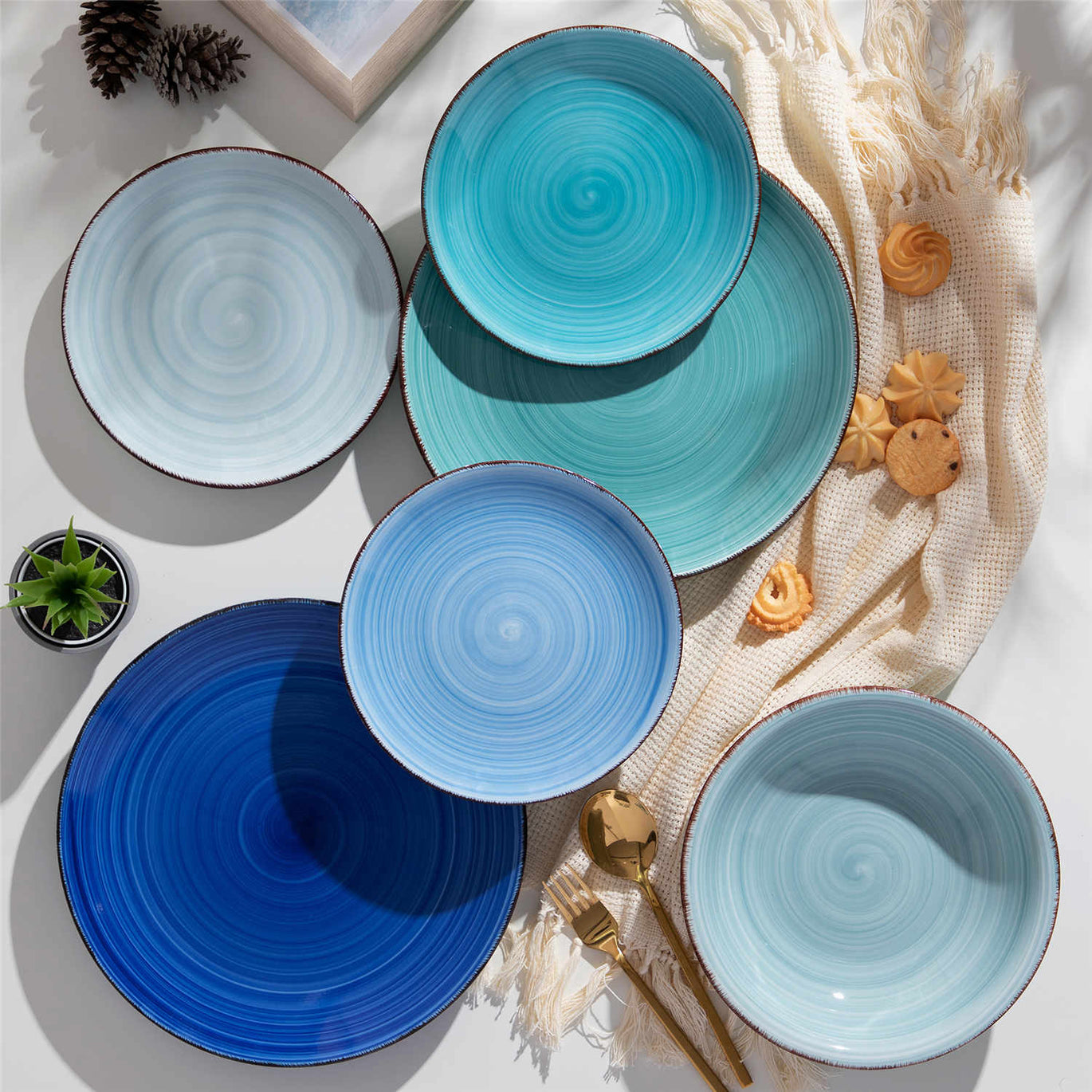


The Missing Plates: Market Gaps in Men’s Ceramic Tableware Demand and Design

Men are searching for dinnerware that feels like them, not just like their parents’ wedding registry. Yet when you actually scan the shelves and scroll the “for men” results online, you see the same gray stacks over and over again. Meanwhile, the ceramic tableware market is booming and getting more colorful, more eclectic, and more sustainable by the year. There is real demand, real spend, and a surprisingly empty space where men’s ceramic tableware should be.
This is where the fun begins.
As a Colorful Tabletop Creative & Pragmatic Joy Curator, I spend a lot of time in that gap between what the market sells and what real people—especially men living in small apartments, shared homes, and “work-from-dining-table” setups—actually need and want. Let’s unpack what the research says, where men are currently being underserved, and how brands, makers, and retailers can design ceramic tableware that genuinely fits modern masculine lifestyles.
The Ceramic Boom Meets an Overlooked Customer
A 2025 market report covered by Yahoo Finance, based on ResearchAndMarkets.com data, values the ceramic tableware market at about $12.4 billion in 2024 and projects it to reach roughly $22.2 billion by 2034, growing at about 7% annually. Dinnerware alone generated around $5.2 billion in 2024 and is forecast to grow even faster than the category overall. Round shapes take nearly half the market, and North America holds about 35.2% of global share, driven by a strong culture of home dining, kitchen renovations, and social gatherings.
At the same time, Joyye’s analysis of consumer preferences shows ceramic dinnerware becoming more eclectic and expressive. Consumers are moving away from perfectly matching, 12-place-setting formality toward smaller four to eight place settings, open-stock pieces, and mix-and-match combinations. Color has exploded beyond pure white and soft neutrals into rich blues, greens, yellows, ocean tones, terracotta, and rust. Animated, irregular shapes, reactive glazes, and tactile textures are now mainstream, not fringe.
Layered on top of that, sustainability is becoming a powerful driver. Elfinview highlights life-cycle research showing that ceramic dinnerware, made from abundant natural materials and designed for decades of use, has a lower environmental impact than plastic alternatives. Joyye cites forecasts for sustainable ceramic tableware growing strongly as consumers prioritize eco-friendly production, non-toxic glazes, and long lifespans.
So we have a fast-growing global market, a clear shift toward expressive, sustainable design, and strong home-dining habits in markets where men often make their own purchasing decisions. But what about tableware specifically aimed at male shoppers?
A search on a major Amazon-like marketplace for “dinnerware sets for men” pulls up thousands of results, with many sets carrying high ratings and strong recent purchase counts. The assortment leans heavily toward ceramic and porcelain sets framed as premium and chip-resistant, alongside melamine and wheat-straw plastics marketed as “unbreakable” for camping and RV use. The color story is overwhelmingly matte gray, charcoal, navy, and black, with simple geometric forms and reactive glazes.
In other words, the demand signal is loud and clear: there are men searching, clicking, reviewing, and buying. But the design language and product structures geared to them are surprisingly narrow.
What Counts as “Men’s Ceramic Tableware” Anyway?
Before we can talk about market gaps, we need a working definition of the canvas. “Men’s ceramic tableware” is not just any plate in a dark color. It is ceramic dinnerware that fits how many men actually live, eat, and host: smaller households, flexible spaces, casual but image-conscious meals, and increasing attention to health and sustainability.
Technically, ceramic tableware is a broad umbrella that includes earthenware, stoneware, porcelain, and bone china, all made from clay-based bodies fired at high temperatures. HF Coors and Made-in-China’s buyer guides help clarify the material landscape.
Here is how the main ceramics look and behave, based on those references and Elfinview’s overview.
Material |
Look and feel |
Everyday strengths |
Key watch-outs |
Earthenware |
Rustic, warm, often thicker; farmhouse and casual |
Affordable, cozy, great for bread plates and decorative pieces |
More porous, chips more easily, less ideal for liquids |
Stoneware |
Substantial, often matte or semi-matte, earthy |
Durable, stain resistant, microwave and dishwasher friendly; widely seen as the workhorse for daily use |
Heavier; can be more prone to chipping than porcelain |
Porcelain |
Bright white, smooth, glossy, slightly translucent |
Low porosity, high chip and scratch resistance, elegant enough for formal dining |
Higher price; read as “special occasion” even when marketed for everyday |
Bone china |
Ultra-thin, refined, warm-toned translucence |
Combines strength with delicacy and luxury appeal |
Premium pricing; perceived as fragile, reserved for rare use |
HF Coors notes that “ceramic” in the general sense is often fired at around 1,800–2,200°F and tends to feel more rustic and matte, while porcelain and bone china, fired at higher temperatures, become denser and more glass-like. Elfinview and World Market both emphasize that stoneware is widely seen as the most practical choice for everyday family use, while porcelain and bone china are still the go-to for formal or special-occasion settings.
For men’s tableware, that material story matters. The male shopper searching for “dinnerware sets for men” is not usually seeking heirloom bone china; he is typically choosing between rugged stoneware, sleek porcelain, or a hybrid approach that balances toughness, aesthetics, and price.
A working definition emerges: men’s ceramic tableware should be built on durable stoneware or robust porcelain, shaped and colored to feel contemporary and self-expressive, and specified to handle microwaves, dishwashers, and small-kitchen life without fuss.
Reading the Demand Signals: What Men Already Buy
To see where the gaps are, we have to first see what is already landing in men’s carts and cupboards.
What “Dinnerware Sets for Men” Look Like Online
The Amazon-style search results for “dinnerware sets for men” show a few consistent patterns.
Most sets serve four to eight people and bundle dinner plates, salad plates, bowls, and sometimes mugs or utensils into 12–32 piece collections. Ratings are high across major brands such as Amazon Basics, Corelle, Gibson, and Stone Lain, with many sets accumulating thousands of reviews and substantial recent purchase volumes. That alone tells us men are not just inheriting plates; they are actively shopping.
Materials fall into two main camps. On the ceramic and porcelain side, sets are pitched as chip- and scratch-resistant, microwave- and dishwasher-safe, and sometimes oven-safe. On the plastic side, melamine and wheat-straw blends are marketed as lightweight and “unbreakable,” aimed at camping, RVs, and outdoor dining. Several products highlight third-party sustainability labels, such as ClimeCo certification, signaling measured and offset carbon emissions through improvements in manufacturing, energy, and logistics.
The aesthetics are where the “for men” tag shows up most strongly. The palette is dominated by matte gray, charcoal, navy, and black, sometimes with reactive glazes that add a bit of depth and speckling. Shapes are usually simple, with coupe rims, occasional squared edges, and minimalist silhouettes. There is very little in the way of bright color, playful pattern, or expressive glazing, even though broader consumer research shows that vibrant blues, greens, yellows, and earth tones are gaining ground.
Interestingly, despite the “for men” label in the search bar, most product listings do not explicitly mention gender. Instead, they rely on darker palettes, strong durability claims, and multipurpose positioning for apartments, RVs, and outdoor settings to implicitly signal a fit for masculine lifestyles.
The Cafés, Stylists, and Lifestyle Brands Men Quietly Follow
While Amazon shows us what gets purchased, editorial sources hint at what many design-aware men actually aspire to.
New York Magazine’s guide to stylish ceramic plates describes a dominant aesthetic that could easily appeal to men: a boho-leaning, mid-century minimalism with slightly wobbly rims, shallow bowl-like profiles, and raw clay edges. Glazes are matte or semi-matte in muted pastels, ivory, and speckled finishes, with black and navy providing moodier options. Many of the featured brands, like Jono Pandolfi and Hasami, are used in high-profile cafés and restaurants, which function as live showrooms for the “crockery version of athleisure.”
GQ’s roundup of the best dinnerware sets reinforces this picture. Its best overall pick, the Our Place Starter Stacking Set, is speckled ceramic with raw clay bottoms that looks handmade and premium without being over-the-top. A budget-friendly recommendation, Stone Lain’s matte black set, overlaps strongly with what we see in the “for men” search results. Colorful stoneware sets from brands like Casafina show that “serious” dinnerware can still come in cayenne reds and other bold hues.
Taken together, these guides suggest that many men are comfortable with ceramics that feel soft-edged, artisanal, and even a little playful, as long as they still read as clean and modern.
When Men Shop: The Seasonal Pulse
Demand for ceramic plates and mugs is not flat across the year. Accio’s analysis of Google Trends from late 2024 to late 2025 shows clear seasonality. Search interest in “ceramic plates” and “ceramic mugs” hits its lowest point roughly from April through August, then climbs sharply starting in September, peaking in October and November. This pattern aligns with colder weather, holiday hosting, and gifting.
The broader term “ceramic dinnerware” shows a smaller but noticeable peak in late summer, tied to back-to-school moves and home upgrades. That is prime time for smaller households, including single men and new roommates, setting up kitchens that need a cohesive but affordable dinnerware baseline.
For brands aiming at men, this seasonal rhythm is critical. It suggests that multipurpose mugs and plates are more easily sold in the fall and winter, while full or semi-complete dinnerware sets can be positioned in late summer as part of apartment refreshes and life transitions.

The Gaps Between Men’s Lives and Today’s Tableware
So where does the current landscape fall short? The research, coupled with what we see on digital shelves, points to several clear disconnects between men’s actual needs and the design, marketing, and structure of ceramic tableware being offered to them.
Style Language Stuck on “Dark and Minimal”
The Amazon-style “dinnerware sets for men” search is practically a parade of gray and black. Dark, neutral palettes absolutely have a place: they hide stains, feel sleek on camera, and align well with modern interiors. But Joyye’s review of global preferences shows a much richer color story taking off across demographics: vibrant blues, deep greens, sunny yellows, ocean-inspired tones, and warm terracotta and rust.
Editorial sources like New York Magazine and GQ confirm that this more adventurous palette is already resonating in cafés and design-savvy homes. The fact that many of those recommended sets appeal strongly to men but are not tagged “for men” suggests a gap in how masculine aesthetics are being coded in commercial product design.
In other words, the market is still equating “for men” with “dark and minimal,” even as male shoppers are surrounded by more nuanced, expressive ceramics in their favorite restaurants, coffee shops, and online mood boards.
Set Structures That Do Not Match Men’s Households
Joyye notes that consumers are favoring smaller four to eight place settings and open-stock replacements over large, perfectly matched services. This shift reflects more flexible living situations, smaller spaces, and a desire for personalized, mix-and-match tables.
The men’s search results mirror that trend in set size, but they rarely adjust the composition of those sets for how men actually eat. Many men live alone or with one roommate, cook in limited kitchen space, and rarely host sit-down dinners for eight. Yet they are still being offered big, formal-feeling bundles when what might serve them better is a leaner core of highly versatile pieces: a few “blate” style low bowls that work for pasta and stir-fries, plates that double as trays, and mugs that feel equally at home on the work desk and the weekend breakfast table.
GQ’s praise for Hawkins New York’s shallow low bowl, described as a bowl-plate hybrid, hints at the power of these multipurpose shapes. They are perfect for one-pot meals, desk lunches, and casual hosting, and they stack tightly in small cabinets. Despite this, few men-targeted sets lean fully into such multifunctional silhouettes; instead, they remain locked into traditional plate–bowl–mug templates.
Sustainability Messaging That Feels Generic, Not Performance-Driven
Elfinview and Joyye both highlight sustainability as a major driver in ceramic dinnerware. Ceramics offer lower environmental impact than disposable plastics, and consumers increasingly look for markers such as FDA food safety approval, California Proposition 65 compliance, non-toxic glazes, and eco-conscious production practices. Some brands, like Heath Ceramics, build their entire identity around recycled materials and local production. On the mass-market side, certain dinnerware sets carry labels such as ClimeCo certification, signaling measured and offset carbon emissions.
However, in the men’s segment, sustainability is rarely woven into a performance story. Men shopping for plates and mugs are often drawn to longevity, toughness, and “buy once, keep forever” value. There is an obvious opportunity to connect those traits explicitly with environmental benefits: fewer replacements, lower waste, and better life-cycle outcomes.
Right now, eco claims in men-facing product copy are either absent or generic. They are not framed in the same clear, outcome-driven way that durability claims are. That is a missed chance to serve eco-conscious male shoppers who care about their impact but also want proof that their tableware can survive years of daily use.
Little Bridge Between Restaurant-Grade Appeal and Everyday Men’s Sets
SlatePlate’s guidance for restaurants describes dinnerware as a strategic tool that shapes how food looks, conveys brand personality, and withstands heavy use. Restaurateurs are encouraged to weigh cost, durability, material, and style carefully, and to consider darker slate and other materials for specific atmospheres.
On the consumer side, brands like Jono Pandolfi and their inclusion in high-end restaurants and cafés make “restaurant-grade” ceramics aspirational for home use. GQ and New York Magazine both highlight these pieces, which already deliver the slightly imperfect, tactile aesthetic that many men admire.
Yet, in the men-tagged e-commerce results, the line between restaurant-grade robustness and everyday sets is blurry at best. Entry-level sets mimic the look but do not always communicate the durability and stacking performance that make restaurant-grade pieces so compelling. There is room for a clearer “café to couch” story for men: the idea that they can bring home a version of the plates they already admire in their favorite brunch spot, with honest specs on durability, heat resistance, and long-term use.

Designing Better Men’s Ceramic Tableware: A Pragmatic Playbook
Closing the gap is not about flooding the aisle with plates that literally say “for men” on the box. It is about designing ceramic tableware that reflects how many men actually live today and presenting it in a way that feels both aspirational and achievable.
Start with Real Use Cases, Not Demographics
The most effective men’s dinnerware starts from scenarios, not stereotypes. Joyye’s work on consumer behavior shows that people want dishes that can handle both everyday and special-occasion use, that are safe for microwaves and dishwashers, and that fit into compact, urban kitchens.
Translate that into specific scenes. A stoneware “blate” that handles a big salad one night, ramen the next, and a movie-night snack spread on the weekend. A tall mug made from vitrified ceramic, like those HF Coors produces, that is comfortable to hold, microwave safe, and resilient in the dishwasher, with a glaze that does not retain odors. A stack of plates that can move from brunch with friends to a late-night laptop session without feeling overly formal.
When product teams design from those lived scenarios, instead of from an abstract idea of “the male consumer,” the shapes, sizes, and materials become immediately more logical and, ironically, more attractive.
Color and Surface: Beyond the Gray Wall
Joyye’s analysis of global color trends makes it clear that the era of “only white” tableware is over. North American buyers still love blues and neutrals, but they are also experimenting with earth tones, oceanic hues, and bolder accents. New York Magazine and GQ reinforce this with examples of dusty rose, cayenne, and other unexpected colors appearing in very modern, unfussy sets.
For men, this does not mean suddenly pushing neon plates. It means layering color and texture in a way that feels grounded. A deep navy stoneware dinner plate with a slightly speckled glaze can anchor the table, while smaller dishes and bowls in ocean green or warm sand tones add interest. Raw clay edges, as seen in many café-inspired designs, introduce a subtle, tactile masculinity without slipping into cliché.
Reactive glazes and speckled finishes are particularly powerful here. They add visual richness on camera and in person but still keep the overall look streamlined. The key is to avoid assuming that “masculine” equals “monochrome.” Men’s wardrobes have already moved beyond that; their tableware can, too.
Shape, Size, and Stackability for Men’s Spaces
Urban living means limited storage, and Joyye notes that consumers actively seek space-efficient, stackable designs. That is especially true for single men and small households, where one cramped cabinet might need to handle plates, bowls, and mugs.
This is where smart geometry shines. Low bowls that stack tightly and sit neatly on dinner plates; plates with slightly raised rims that prevent sauces from escaping; mugs designed to nest without chipping. The goal is to create a compact “kit” that can cover many meals without overflowing the cabinet.
Designers can also take cues from restaurant-grade pieces. SlatePlate’s emphasis on durability and scratch resistance translates well into consumer products for men. Thicker, slightly rounded rims can reduce chipping risk. Glazes chosen for micro-scratch camouflage will keep plates camera-ready for years. The trick is to specify these functional advantages explicitly, not just bury them in technical notes.
Material Choices: Toughness, Elegance, and Health
Stoneware remains the natural base for most men’s everyday sets. It is dense, less porous than earthenware, and resistant to stains, as Made-in-China emphasizes. Elfinview points out that stoneware holds heat well and offers a robust, rustic aesthetic, even if it is heavier and can chip more easily than porcelain. For men who are hard on their dishes, stoneware’s “built like a truck” feel is often reassuring.
Porcelain, with its bright white, low-porosity surface, works beautifully for men who want a more refined look without sacrificing durability. HF Coors and World Market both describe porcelain as one of the finest and most durable options, capable of resisting chipping and staining when made well. Lighter weight can be a perk for stacks in overhead cabinets.
From a health perspective, Elfinview underscores the importance of non-toxic, BPA-free, lead-free dinnerware and highlights regulatory markers such as FDA approval and California Proposition 65 compliance. Men who care about fitness and clean eating are increasingly attuned to these issues. Brands targeting them can treat safety certifications not as fine print, but as front-and-center value props.
The winning formula for many men will be a stoneware base in key shapes, complemented by select porcelain pieces for serving or special occasions, all clearly labeled as food-safe, microwave-safe, and dishwasher-safe.
Pricing and Value: Making the Upgrade Make Sense
Ceramic tableware often costs more up front than plastic or disposable alternatives, but Elfinview notes that high-quality pieces can last decades with proper care. That longevity can make ceramics more economical over time, especially when compared with plastic plates that require frequent replacement.
In explaining value to male shoppers, it helps to frame the purchase in terms that match how they analyze other gear. Show the cost per year of use, not just the sticker price. Tie durability claims to concrete features: vitrified bodies, proven chip resistance, oven and freezer safety, and warranties similar to the two-year guarantee HF Coors offers on its dinnerware.
Men are used to evaluating boots, headphones, or gym equipment this way. Bringing the same logic to plates and bowls turns tableware from a “nice-to-have” into performance equipment for the kitchen.
A Strategic Roadmap for Brands and Makers
If you design, manufacture, or retail ceramic tableware and want to serve the men who are already searching for it, the research suggests a clear roadmap.
Anchor your calendar to the seasonal realities highlighted by Accio: launch new shapes and colors, especially plates and mugs, into the September to November corridor, when search interest peaks and holiday hosting is top of mind. Position more complete dinnerware collections for late summer when moves and home makeovers drive “fresh start” purchases.
Build a visual and tactile language that draws from cafés and editorial favorites rather than leaning solely on the old black-and-gray tropes. Men are clearly responsive to matte and semi-matte glazes, soft rims, and subtle irregularities; the success of brands like Jono Pandolfi, Hasami, and others in editorial picks and restaurant use testifies to that.
On product pages and packaging, talk to men like they are the primary buyers, because in many cases they are. Describe how a three-piece “hero set” can handle ninety percent of weekly meals. Explain that these stoneware bowls can go from microwave to table to dishwasher without drama. Highlight every relevant safety and sustainability certification you have, from food-safe glazes to carbon-measured manufacturing.
Finally, treat men’s ceramic tableware not as a novelty category, but as an integral part of a fast-growing global market that is hungry for better design. The numbers from ResearchAndMarkets.com and Joyye show robust growth across both mainstream and sustainable segments; the online search and editorial coverage make it clear that men are part of that story.
FAQ: Quick Answers for Curious Makers and Shoppers
Is “men’s dinnerware” really different, or is it just marketing?
Functionally, plates and bowls for men should meet the same standards as any good ceramic dinnerware: durability, safety, and ease of use. The difference is in emphasis and storytelling. Men’s sets tend to highlight darker palettes, toughness, and multipurpose use in apartments, RVs, and outdoor settings. The opportunity is to keep performance front and center while widening the design vocabulary, especially around color and shape.
Which ceramic material makes the most sense for a first serious set?
Based on the buyer guides from Made-in-China, Elfinview, and HF Coors, stoneware is usually the best starting point. It combines durability, stain resistance, and a comfortable, substantial feel, and it is generally dishwasher and microwave safe. Men who host often and want a more formal look can layer in a few porcelain pieces without abandoning stoneware for everyday use.
How important is sustainability really in men’s dinnerware?
Research from Elfinview and Joyye suggests sustainability is becoming important across demographics, including younger, social media–influenced buyers. Men may not always use the word “sustainable,” but they respond strongly to longevity, repairability, and honest, non-toxic materials. Present those as performance upgrades—plates that last decades instead of a few years—and you serve both the planet and the practical mindset of many male shoppers.
In the end, designing for men in ceramic tableware is not about shrinking the color wheel or slapping “for him” on the box. It is about crafting durable, expressive, space-savvy pieces that match real lives and real meals, then telling that story with the same energy you put into the glaze. Do that well, and those “for men” search results start to look less like an algorithm’s guess and more like a joyful, practical invitation to sit down and actually enjoy the table.

References
- https://insights.made-in-china.com/Ceramic-Tableware-A-Comprehensive-Guide-to-Understanding-Sourcing-and-Meeting-Consumer-Needs_maTGDbdHOnlF.html
- https://www.accio.com/business/trend-of-win-top-ceramic
- https://www.amazon.com/dinnerware-sets-men/s?k=dinnerware+sets+for+men
- https://smart.dhgate.com/ceramic-dinnerware-set-vs-individual-pieces-will-i-actually-save-money/
- https://www.elfinview.com/ceramic-dinnerware/
- https://www.etsy.com/market/mens_dinnerware
- https://www.gq.com/story/the-best-dinnerware-sets
- https://www.heathceramics.com/collections/dinnerware-sets?srsltid=AfmBOoqKXNllO9X-5yW5LUS72gEX3zjD7iyx0lshQKKGFkh0sHZOUuHQ
- https://www.joyye.com/info-detail/consumer-preferences-in-ceramic-dinnerware-styles?requestId=
- https://www.metastatinsight.com/report/decorative-pottery-ceramics-market
Sie können auch mögen
Stern 16 Stück Geschirr Set
- Von $75.00
$100.00- Von $75.00
- Stückpreis
- per
-
Blue
-
Green
-
Red
-
Grey
Bonita 18-teiliges Geschirrset
- Von $63.00
$78.00- Von $63.00
- Stückpreis
- per
-
Blue
-
Multicolor
Simi 24 Stück Geschirr Set
- $100.00
$135.00- $100.00
- Stückpreis
- per
Starry 16-teiliges Geschirrset
- $77.00
$90.00- $77.00
- Stückpreis
- per
-
Blue
-
Green
-
Red
-
Gradient Green