

Rainforest science runs on grit, curiosity, and the small daily rituals that keep a field station humming. Coffee at dawn, rice and beans by headlamp, samples logged between thunderstorms—it all flows more smoothly when your tableware behaves. In tropical humidity, dinnerware isn’t just a backdrop; it’s a tool that must resist moisture, shrug off sudden temperature shifts, and clean quickly without fuss. As a Colorful Tabletop Creative & Pragmatic Joy Curator, I’m here to help you build a camp kit that’s sustainable, safe, and delightfully functional, borrowing proven practices from ceramic makers, conservation pros, and field-tested care playbooks. The upshot is simple: choose the right ceramic, manage moisture like a scientist, and handle heat changes with patience, and your plates and mugs will serve you faithfully through rainy seasons and beyond.
Why Ceramics Make Sense in the Field
Ceramic dinnerware is non-reactive and taste-neutral, so your curry tastes like curry rather than yesterday’s lab ethanol or the metallic tang of a worn pan. Producers like Giraffy Co. explain that ceramics hold temperature well, which means coffee stays warmer and chilled fruit feels colder, a surprisingly meaningful morale booster in the tropics. Meanwhile, stoneware and porcelain built for daily use are dense, stable, and satisfying to handle; they don’t pick up flavors or odors when properly glazed, a point emphasized across manufacturing and safety guidance from HF Coors, Meraki Ceramic, and Made-in-China Insights. Most importantly for sustainability, durable ceramics reduce breakage and replacement frequency over time. Longevity is the ultimate eco-feature when resupply is a helicopter ride or a long river day away.

Choosing the Right Ceramic for Extreme Humidity
Not all “ceramic” is equal. Firing temperature, body density, and how pigments are applied make a world of difference. High-fired porcelain and vitrified stoneware are the workhorses for field kitchens. Earthenware can be beautiful, but it’s more porous and better for dry service or occasional use. Bone china brings elegance but can be more fragile in rough-and-tumble environments.
Material |
What It Is |
Field Durability |
Porosity/Mold Risk |
Typical Heat Guidance |
Rainforest Notes |
Vitrified stoneware |
Dense, high-fired ceramic with near-zero water absorption |
High, resists chips when handled sensibly |
Low, non-porous surface |
Often oven-safe around 350°F; avoid sudden hot–cold jumps |
Excellent for daily station use; check “lead-free” and appliance labels from reputable makers such as HF Coors |
Porcelain |
High-fired ceramic, strong and translucent |
High relative to weight |
Low, very smooth and non-porous |
Often oven-safe around 350°F; allow 15–20 minutes to warm from cold |
Great strength-to-weight ratio for gear loads; mind thermal shock |
Earthenware |
Lower-fired ceramic with rustic look |
Moderate to low in field roughness |
Higher unless thoroughly glazed; absorbs water at unglazed base |
Sensitive to thermal shock; never rush from cold to hot |
Prefer for snacks or dry goods; treat moisture as the main enemy |
Bone china |
Porcelain with bone ash for a refined finish |
Elegant but more chip-prone if mishandled |
Low porosity when well glazed |
Sensitive to rapid temperature swings |
Lovely at base stations, less ideal for hard travel |
Vitrified glass (not ceramic) |
Tempered, non-porous glass |
Very high impact resistance |
Very low |
Microwave-friendly; great with heat buffers |
A useful backup for high-impact households; keep patterns undecorated to avoid lead in paints, per consumer safety guidance like MIKA’S TABLE |
Manufacturers and craft guides note that porcelain is fired above roughly 2,200°F, which helps create that tight, low-absorption structure. Stoneware shares the high-fire DNA and feels brawny in the hand, a favorite among restaurants and family tables for a reason. Earthenware, fired at lower temperatures, wins on warmth and color but needs extra care, especially in humidity.

Safety First: Glaze Chemistry and Certification in Remote Conditions
Lead and cadmium belong in the lab spreadsheet, not in the dinner pot. Multiple sources emphasize choosing ceramics labeled lead-free with evidence of compliance, and MIKA’S TABLE highlights that some older or poorly made items can leach heavy metals, particularly with acidic foods. LinkCeramics notes the U.S. FDA recorded 1,200 complaints in 2022 tied to heavy metals in ceramic tableware, a reminder to purchase from reputable brands that share test reports and to treat “lead-free” as a starting point rather than the finish line. Glaze stability matters; high-temperature underglaze decorations are generally the most durable, while low-temperature overglaze enamels are vivid but can wear faster.
Decoration Method |
Firing Temperature |
Field Durability |
Use Guidance |
Underglaze |
Fused at high fire near or above 2,192°F |
Excellent adhesion under the glaze |
Preferred for daily use in humid, abrasive environments |
Overglaze |
Applied below about 1,472°F |
More vulnerable to wear and chemicals |
Keep gentle detergents; avoid harsh acids on decorated areas |
If you need a quick field check, LinkCeramics mentions a simple home screen: a vinegar soak can sometimes reveal unstable glazes when whitening occurs, though lab confirmation is the gold standard. For procurement, Made-in-China Insights recommends vetting manufacturer certifications and QA processes and verifying consistent glazing quality, because good glaze coverage is your best defense against micro-pores that amplify mold risk.
Humidity, Mold, and Microbes: Keeping Dishes Dry and Happy
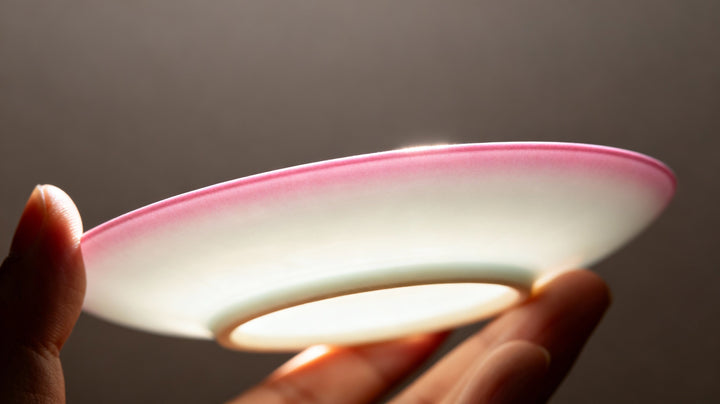
Tropical humidity is relentless. Mold thrives where moisture lingers, particularly on the unglazed foot ring underneath many plates, a spot that behaves like a tiny sponge. Vancasso explains that stacking damp plates traps air and slows evaporation, setting the stage for musty odors and spotting. The fix sounds delightfully boring and completely effective: wash gently, dry completely, and ventilate the storage space so the foot ring can purge hidden moisture. Jinhua Ceramic recommends air-drying in a ventilated area and discourages stacking while wet, with cabinet moisture control via silica gel or activated carbon. During monsoon-style damp spells, Malacasa suggests boosting ventilation and using desiccants to keep humidity in check.
When mold appears, act promptly and methodically. For light or early growth, Jinhua Ceramic suggests a 1:1 white vinegar and water solution resting about 10 minutes before a gentle scrub, followed by thorough drying. For stains and mineral deposits unrelated to active mold, Giraffy Co. recommends a baking soda paste left 15–20 minutes or a 1:3 white vinegar to warm water soak for up to an hour, each followed by a gentle rinse and complete drying. Microfiber cloths and soft sponges are your friends. Avoid bleach unless a brand specifically directs it; museological guidance from the Canada Conservation Institute emphasizes the gentlest-possible cleaning on decorated or fragile surfaces and warns against soaking low-fired or porous bodies. In simple terms, less water, more patience, and full dryness win the day.

Thermal Shock and Other Heat Habits That Save Ceramics
Ceramics dislike whiplash. Giraffy Co. and Saje Rose both underscore the same rhythm: avoid rushing cold plates into hot ovens or blasting hot bowls with cold water. Let cold items sit for 15–20 minutes before heating, and assume many pieces cap out around 350°F unless a manufacturer states otherwise. After cooking, park hot dishes on wooden boards or fabric pads, not bare granite or metal, to sidestep stress cracks. Freezing delicate or intricately glazed ceramics is risky as micro-fractures can blossom. And while some products are dishwasher-rated, handwashing remains the conservative route for decorated surfaces and anything with lower thermal shock resistance.

The Field-Proof Clean: How to Wash Without Soaking Your Day
Earthenware’s main challenge is washing, not storage, because porous clay happily absorbs water. A practical trick highlighted by cooks on Stack Exchange is to avoid immersing pieces in a full sink; instead, wash in an empty basin under running water so the body isn’t marinating. Wipe, rinse, and dry immediately. If a dish becomes waterlogged and you have a safe oven at hand, use residual heat by warming the oven briefly, turning it off, and placing the dishes inside with the door cracked so humidity can escape. Conservation guidance from the Canada Conservation Institute and the National Park Service further advises minimal water on fragile or unglazed areas and avoiding soaking and dishwashers for sensitive pieces. It’s the gentle, efficient, and bone-dry approach that adapts beautifully to rainforest kitchens.

Quick Chemistry for Stains and Smells
A few pantry staples cover most field messes without harming glazes. Baking soda works as a gentle abrasive for coffee and tea stains; a paste sitting for 15–20 minutes loosens discoloration before a soft rinse. A 1:3 white vinegar and warm water soak up to an hour targets mineral haze or discoloration, while Jinhua’s 1:1 vinegar solution for about 10 minutes is effective on early mold. Hydrogen peroxide can brighten unglazed portions according to Giraffy Co., and a tiny dab of microcrystalline wax, applied and buffed, helps restore luster on glazed surfaces that have dulled, with Giraffy Co. suggesting periodic reapplication. For richly patterned decorations, Smart.DHgate cautions against direct vinegar on the design; keep to mild soap and the softest tools there. Across all methods, the constant is full drying before storage.
Issue |
Agent |
Ratio/Time |
Notes |
Coffee/tea staining |
Baking soda paste |
About 15–20 minutes |
Gentle abrasive; rinse and dry thoroughly |
Mineral discoloration |
White vinegar in water |
About 1:3 for up to 1 hour |
Target scale or haze; rinse and dry fully |
Early mold patches |
White vinegar in water |
About 1:1 for ~10 minutes |
Follow with a soft scrub and full drying |
Metal marks |
Baking soda or gentle ceramic cleaner |
Light rub; no set time |
Avoid abrasive pads on glazes |
Dull glaze |
Microcrystalline wax |
Thin coat; buff after drying |
Periodic refresh, as Giraffy Co. suggests |
Unglazed whitening |
Hydrogen peroxide |
Small amount; test first |
Focus on unglazed areas only |

Storage and Transport That Actually Works in the Tropics
Think cushions, air, and easy access. Between stacked plates, slip in soft cloths or felt so rims aren’t grinding. For cabinets, give pieces breathing room and store heavier items lower for stability. Vertical racks reduce contact surfaces and mold-friendly crevices. Mugs are safest stored without rim-to-rim pressure; don’t hang by handles in the backcountry where hooks may sway and bump, and never lift ceramics by handles, rims, or spouts when moving them, as emphasized by the Canada Conservation Institute. When transporting kit upriver or over logging roads, wrap pieces in soft, inert materials and pack to eliminate movement, a conservation packing principle that crosses over easily to field life.

When to Pack Non-Ceramic Backups
This is a ceramic-forward guide, but a backup plan keeps morale and safety high when gear gets a little wild. Tempered, undecorated glass can be a pragmatic alternative for cold foods and quick heating because it’s non-porous and usually lead-free; consumer safety sources warn that painted glassware can contain elevated lead levels, so go plain. Stainless steel bowls and tumblers earn their keep for kids, boat days, and night transects because they don’t break; material guides discuss grades like 18/8 or 18/10 for corrosion resistance and 18/0 for nickel-sensitive teammates. Melamine seems indestructible, but safety guidance repeatedly notes a red line at heat: above about 160°F, it can release formaldehyde, and it isn’t microwave-safe. For hot meals and drinks in the rainforest, keep melamine on the bench.

Procurement and Logistics: Buying Smart, Carrying Less, Wasting Little
Big-picture sustainability starts with buying well. Manufacturing guides such as Made-in-China Insights and Meraki Ceramic recommend verifying certifications, favoring high-fire bodies with tight glazes, and inspecting surfaces by sight and touch. Look for smooth, even glaze coverage with no pinholes or rough patches, and confirm appliance icons that match your routine. LinkCeramics stresses that “lead-free” labels don’t alone guarantee safety; glaze stability under real-world use is decisive, and test reports are the best reassurance. For branding or morale-boosting splashes of color, choose underglaze decorations fixed at high temperature, which bind pigments beneath the glaze layer and hold up better in humid, high-use settings.
Troubleshooting in the Wild
Cracks that appear without a drop are often thermal shock signatures. Slow down the temperature transitions, cradle dishes in buffers instead of cold stone, and keep freezer experiments for other gear. Metal marks from utensils lift with baking soda or a gentle ceramic cleaner, and stains retreat to that reliable baking soda paste routine. For patterned surfaces, treat acids cautiously and stick to mild soap with soft tools. If a piece’s structure is compromised or a glaze shows suspicious degradation, retire it from food service, a point echoed by multiple safety and conservation sources. The ethos is conservative: if in doubt, set it aside.
A Simple Field Routine That Sticks
Imagine the daily flow. After meals, rinse pieces promptly to prevent residue from setting. Wash each piece by hand in an empty basin, not immersed, using mild detergent and a soft sponge. Handle one at a time, securing the body rather than tugging at handles, and keep hot items off bare cold surfaces. Towel dry, then air-dry fully on a clean rack with good airflow. Before anything goes back into a cabinet, touch the foot ring and undersides to confirm they are truly dry. During wet weeks, leave cabinet doors slightly open and drop in silica gel or activated carbon pouches to lower ambient moisture. If a dish looks waterlogged and you have a safe oven, dry it out with residual heat and the door cracked. Store with soft separators, and rotate seldom-used pieces so none sit quietly damp for days.

The Sustainable Kit, Explained
A focused kit accomplishes more with less. Microfiber towels, a soft sponge, a gentle detergent, and a small tub of baking soda handle daily cleaning and stains. White vinegar supports both mineral and early mold treatment in controlled dilutions, while silica gel or activated carbon pouches stabilize cabinets during monsoon spikes. Felt dividers and silicone pads avoid micro-abrasions in transit and storage. If your team tends to keep certain signature pieces for hospitality or outreach, consider underglaze decorations for durability and keep patterns out of harsh acidic soaks. Conservation practices add one more clever trick for shaky shelves and small quakes: museum gel or wax helps secure display-worthy items on open racks at base stations.
Cost, Weight, and Sustainability Tradeoffs
Porcelain’s strength-to-weight ratio is a boon for pack weights, while vitrified stoneware feels tougher in hand and resists daily scuffs. Earthenware’s charm is undeniable at the station table, but its porosity and mold vulnerability demand vigilance in the rainforest. Vitrified glass is feather-light and stacks like a dream, though it’s outside the ceramic family. Whatever you choose, remember that sustainability isn’t an abstract label here; it’s a practice. The best environmental decision is the set you can keep in service—safe, clean, and chip-free—through many seasons of fieldwork.
FAQ
Q: How do I stop plates from growing mold during the wettest weeks?
A: Focus on the foot ring and storage climate. Towel dry, then air-dry thoroughly; Vancasso suggests at least a full day before stacking in tough humidity. Ventilate cabinets slightly, add silica gel or activated carbon, and avoid stacking damp dishes. If mold pops up, treat early with a gentle method such as a short 1:1 vinegar and water application described by Jinhua Ceramic, then dry completely.
Q: What’s the safest way to clean decorated ceramics in camp?
A: Go gentle. Smart.DHgate cautions against direct vinegar on patterned surfaces; favor mild soap, soft sponges, and a patient soak for sticky residues. For overall glaze shine, Giraffy Co. notes a microcrystalline wax application can restore luster, but stick with food-contact-safe products and keep usage light.
Q: Are dishwashers okay in the rainforest?
A: Handwashing is the conservative baseline, especially for earthenware and decorated porcelain. If a product is specifically dishwasher-rated and your station runs a stable setup, use gentle cycles and allow items to cool and dry fully before stacking. For disinfection events, Jinhua Ceramic mentions a high-temperature cycle can help, but always defer to the maker’s guidance and remember that soaking and harsh detergents can degrade delicate surfaces.
Q: How do I choose truly safe ceramics when buying for a remote station?
A: Combine labels and evidence. Favor high-fired, lead-free products with available test reports and clear appliance icons. LinkCeramics underscores that glaze stability matters as much as “lead-free,” and Made-in-China Insights recommends verifying supplier certifications and QA processes. When in doubt, underglaze decorations and vitrified bodies are your durability allies.
References
The article draws on practical care and safety guidance from Giraffy Co., HF Coors, Meraki Ceramic, Made-in-China Insights, Jinhua Ceramic, MALACASA, Saje Rose, MIKA’S TABLE, Smart.DHgate, Vancasso, AnzhuCraft, LinkCeramics, Canada Conservation Institute, the National Park Service, and the National Academies (NCBI) on moisture management. Each publisher contributed know-how about high-fire materials, glaze stability, mold control in humid environments, gentle cleaning protocols, and thermal shock prevention that translate directly to rainforest field kitchens.
Color always meets purpose on a smart table. Build the kit that loves your climate back, and every meal becomes a quiet ritual of resilience—joyfully practical, beautifully sustainable, and ready for rain.
- https://www.ncbi.nlm.nih.gov/books/NBK215647/
- https://www.nps.gov/subjects/museums/upload/MHI_AppP_CeramicGlassStoneObjects.pdf
- https://insights.made-in-china.com/Ceramic-Tableware-A-Comprehensive-Guide-to-Understanding-Sourcing-and-Meeting-Consumer-Needs_maTGDbdHOnlF.html
- https://shop.mikastable.com/the-safest-material-for-dinnerware
- https://www.anzhucraft.com/safest-dinnerware-material/
- https://smart.dhgate.com/effective-tips-to-keep-your-ceramic-utensil-holder-mold-free-and-hygienic/
- https://www.healthierhomes.com/post/what-is-the-safest-lead-free-dinnerware?srsltid=AfmBOordEx2rj1pbnmwaeaMzViHe68OtqTEJbfqBrUZ5sfAGmZzicvPx
- https://jinhuaceramic.com/get-rid-of-mold-on-ceramic-plates/
- https://www.lianyuanceramic.com/purchasing-ceramic-tableware-for-cafes-guide/
- https://www.linkceramics.com/ceramic-tableware-safety-guide/