

Beautiful table settings have become increasingly popular, thanks to home décor trends and social media inspiration. A beautiful array of decorative plates can easily be mistaken for dining ware. But not all attractive plates are meant to be used for food. Some are simply for decoration, while others are designed with elegant designs and materials that are safe for food use.
Understanding the difference between decorative plates and dinner plates helps you make safer purchasing decisions while protecting both your family's health and your tableware investment. When buying ceramic plates, porcelain plates, or matching salad plates, it's important to know what labels to check and what features to look for to avoid making expensive mistakes.
This guide will tell you when to use decorative plates, when to keep them as decorative items, and how to make gorgeous tables with practical, food-safe dinnerware.
What Is the Purpose of Decorative Plates?
The main purpose of decorative plates is to make a house look nice, not to eat from. They are often adorned with artistic patterns, hand-painted details, textured surfaces, metallic accents, or collectible designs, making them perfect for decorating walls, shelves, cabinets, or dining room displays.
Decorative plates are also used for seasonal changes, such as for holidays, spring flowers, fall colors, or holiday decorations. Some have antique collections or limited edition items with sentimental or artistic value.
However, the term decorative plates can be confusing because it doesn't always mean "display only." There are some modern manufacturers that produce decorative porcelain plates and ceramic plates which are completely food safe. These products simply combine attractive designs with materials and glazes intended for everyday dining.
The key difference is that just because a plate looks good doesn't mean it's good for food. One plate with a beautiful design might be safe, and another with a similar design might be for decoration. This is why it's always better to read the manufacturer's safety data than to make a judgment based on appearance.

How Dinner Plates Are Different from Display Plates
Decorative and functional plates may appear to be the same, but they are created for different reasons.
Dinner plates are made for the purpose of eating food. They typically use food-safe glazes that have been tested for everyday use and are designed to withstand repeated washing, regular handling, and contact with hot and cold foods. When you're looking for ceramic plates or porcelain plates for dining, you may find labels that tell you if they're dishwasher safe, microwave safe, oven safe, or food safe.
Display plates, also known as display plates, are primarily concerned with appearance. They can be hand-painted with fine textures, be trimmed with metallic gold or silver, have raised beautification, or have specialty coatings that are not intended to come into contact with food.
Some decorative pieces are also more delicate than regular dinner plates. They can be damaged by frequent washing, heating or use of utensils, which can affect their finishes or decorative features.
Similarly, salad plates made for everyday table settings are generally produced using the same food-safe standards as matching dinner plates. They are still meant to be used for feeding, not just for decoration, despite being smaller.
Are Decorative Plates Safe to Eat?
The answer depends entirely on how the plate was manufactured.
Many modern decorative plates are perfectly food safe because manufacturers intentionally design them to serve both decorative and functional purposes. These plates enable homeowners to have elegant patterns without compromising on functionality.
But not all decorative plates are suitable for food service.
Display-only plates can be finished or made from materials that have not been tested for food contact. Older manufacturing techniques may have employed glazes with higher lead or other food safety concerns, so antique or vintage plates should be treated with special care.
Plates with metal rims also need extra care. Plates with gold, silver, platinum or copper accents are not necessarily unsafe for food but can impact microwave compatibility and may need to be hand-washed rather than put in the dishwasher.
Also, don't assume that all patterned ceramic plates or colorful porcelain plates are food safe. Just because the decoration is beautiful, it doesn't mean the glaze will meet today's food contact standards.
Whenever a manufacturer identifies a plate as decorative only or display only, it's best to use it solely for decoration.
How to Check If a Plate Is Food Safe?
The best way to find out if a plate is safe to use for meals is to check the manufacturer's product information.
First, check for the following labels:
- Food safe
- Safe for food contact
- FDA approved (if applicable)
- Dishwasher safe
- Microwave safe
- Perfect for everyday meals
These labels mean that the product has been formulated for regular use in food as specified by the manufacturer.

When buying online, read the product description carefully, rather than just looking at the pictures. A good brand will make it clear if their dinner plates, salad plates, ceramic plates or porcelain plates are for food service.
Pay special attention to metallic decorations. Although gold or silver trim doesn't necessarily indicate that a plate is unsafe, it is usually a sign that the plate should not be used in a microwave. Gentle hand washing also helps maintain the appearance of some metallic finishes.
Be extra careful with antique or vintage decorative plates. When you can't be sure that older pieces are food safe, it's best to show them off than serve meals on them. They can still be enjoyed as decoration without risking exposure to unknown materials.
Last but not least, always follow the manufacturer's care guidelines. The recommendations for the dishwasher, the temperature limits and cleaning instructions ensure that the plate looks good and is safe to use over time.
Best Ways to Style Decorative-Look Plates on a Real Dining Table
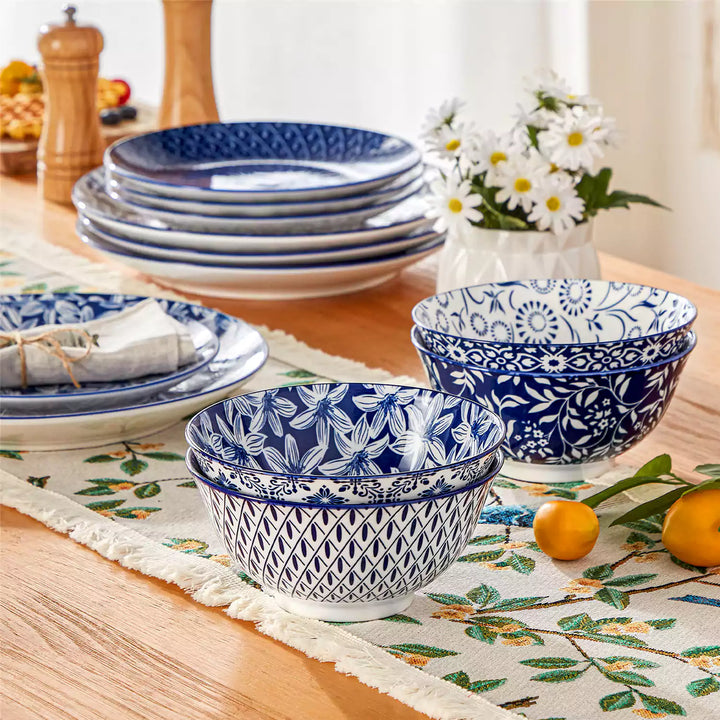
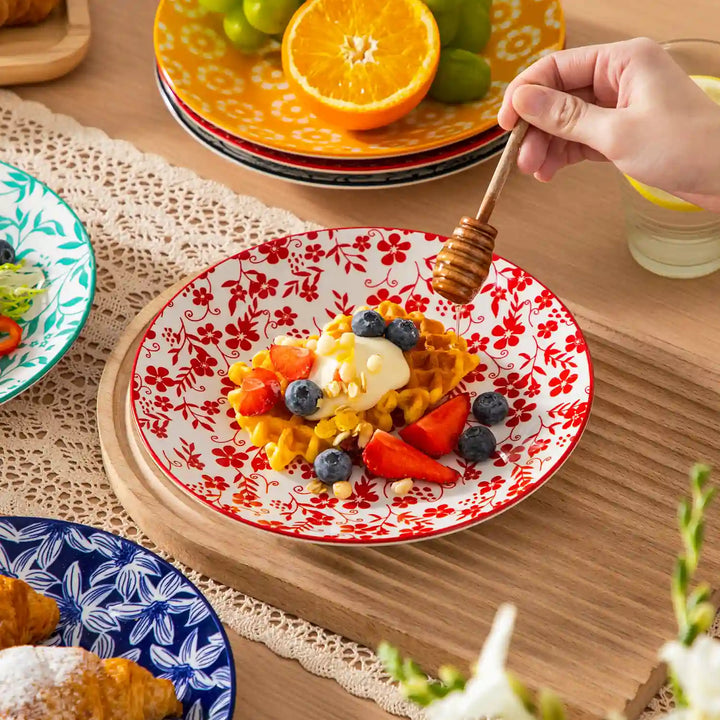
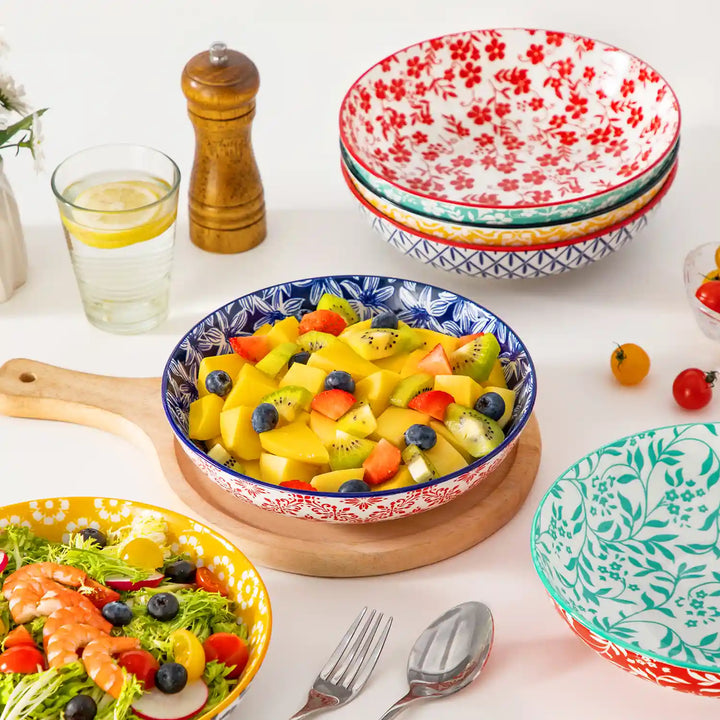
You don't have to compromise on functionality when it comes to creating a beautiful dining table. Many modern dinnerware collections offer decorative designs while remaining suitable for everyday meals.
Select coordinated porcelain plates or ceramic plates with artistic designs, embossed textures, reactive glazes or beautiful color schemes, and make sure they are clearly marked as food safe. This provides you with the decorative appearance that is popular on social media without sacrificing safety.
Layering also creates interest. Use large dinner plates under matching salad plates to add depth and highlight coordinating patterns. This is particularly effective for holiday parties and formal dinners.

Decorative serving items can also add to the table without touching the food. Use matching dinnerware for the meal and display decorative plates on nearby shelves, buffets, or plate stands.
A balanced look is achieved when solid colored dinner plates are paired with patterned salad plates, but it is not overwhelming. Decorative dinnerware can be the star of the show with neutral table linens, natural centerpieces and matching glassware, without the need for display-only items on each place setting.
Most importantly, always prioritize safety when making styling choices. Attractive table settings should be enjoyable as well as practical, giving guests confidence that every plate they're using is designed for serving food.
FAQs
Q1: Are All Decorative Plates Safe for Food?
No. There are some decorative plates that are meant to be used for serving food, and there are some that are meant to be used for display purposes. Before using with food, always read the manufacturer's label and product information.
Q2: Is It Possible to Have Decorative Ceramic Plates That Are Also Food Safe?
Yes. Today, many ceramic plates feature designs and materials that are both decorative and food-safe, making them ideal for everyday dining.
Q3: Is Porcelain Better Than Ceramic?
Porcelain plates or ceramic plates can be a good option. Porcelain is typically denser and less porous than clay, and both are strong and safe when made for food.

Q4: Are Antique Decorative Plates Suitable for Eating?
It's best to be cautious. Older decorative plates may have glazes that are not safe for food. Do not serve food, but display them if their safety cannot be confirmed.
Q5: Are Gold Edged Plates Dishwasher Safe?
Not always. Hand washing is necessary to maintain the finish on some metallic-trimmed plates. Before putting them in the dishwasher or microwave, always follow the manufacturer's care instructions.