



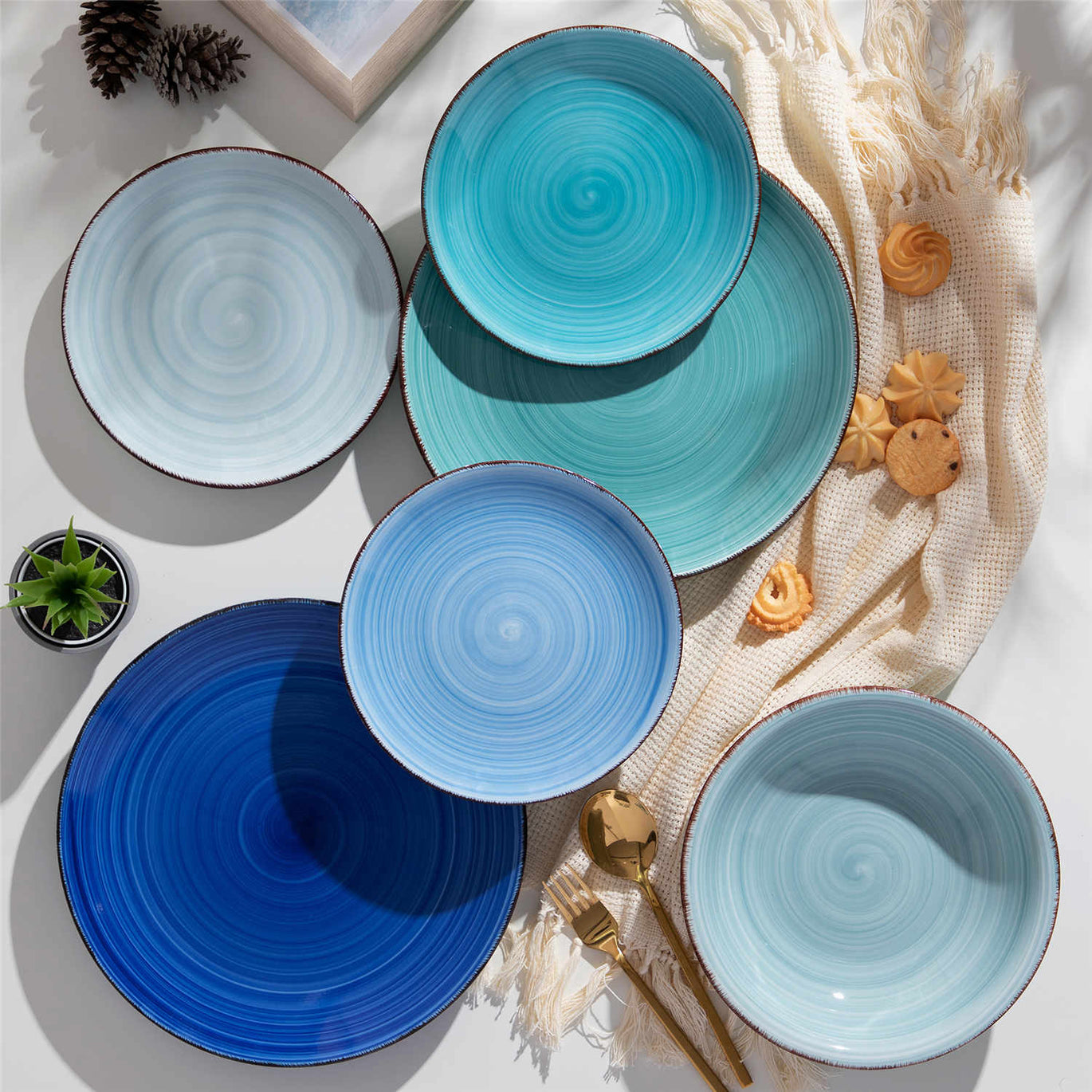


Innovative Folding Ceramic Dishware for Digital Nomads

Ceramic clink, laptop glow, and a sunset co-working session on a tiny balcony somewhere between client calls and train tickets: that is the magic moment I want your tabletop to support. Digital nomad life does not mean giving up beautiful dishes, but it absolutely means demanding more from them. Space, weight, durability, cleaning, and safety all matter as much as color and curve.
Right now, the market for truly folding or collapsible dishware has been led mainly by camping and outdoor brands, and they tend to lean on silicone, melamine, steel, or plant-based composites instead of true ceramic. Reviews from sources like Wirecutter, Forbes, Serious Eats, The Spruce, and Travelest show just how much design energy has gone into compact, nestable, and collapsible gear. The question is: how do we translate that innovation into a “folding ceramic” experience that still feels like a proper plate, not a survival ration tray?
Let’s set the table for that conversation.
The Digital Nomad Dish Dilemma
Digital nomads and slow travelers juggle three competing truths. First, real meals matter for energy, health, and joy; nobody does their best work living on takeout boxes forever. Second, luggage space is ruthless. Third, many nomad kitchens are a patchwork of micro-apartments, shared houses, RVs, and occasional hotel-room microwaves.
A Facebook “Sustainable Living” group member who was downsizing to go nomad captured this tension perfectly. They wanted dishes that were reusable, non-breakable, and more sustainable than melamine, and they were skeptical about wheat-straw plastics masquerading as eco-friendly ceramic replacements. That mix of practicality, safety, and values is exactly where nomad tableware lives.
Outdoor dinnerware testing from Forbes, Wirecutter, Serious Eats, The Spruce, and The Spruce Eats reflects similar priorities for picnics and camping: sets need to be shatter-resistant, lightweight, compact, and attractive enough that you are not embarrassed to serve guests. Travelest’s travel dish kit guide adds another layer for road diners: kits must be impact-resistant, nest tightly, and tolerate wild temperature swings from cold mornings to scorching afternoons.
Digital nomads share those constraints, often with less storage than an RV and fewer guarantees about kitchen gear in the next city. That is why “folding ceramic dishware” is so compelling: it promises the familiar feel of a real plate with the physics of a tech accessory.
What “Folding Ceramic Dishware” Really Means Today
If you look at the actual products tested by Travelest, outdoor gear labs, and kitchen editors, you will not find a mainstream plate made entirely of ceramic that literally folds in half. Instead, you see a few clear patterns that point toward what a folding-ceramic future could look like.
Travelest highlights Sea to Summit’s X-Series and X-Set cookware and dish kits, which combine rigid nylon bases with collapsible food-grade silicone walls. Bowls and cups in that line collapse down to about 1.5 inches thick, shrinking from roughly 32 fl oz of usable volume to about 3.2 fl oz of packed space. A two-person kit weighs around 14 oz, which is wild when you think about how much cooking and eating that supports.
Elsewhere, most space-saving designs rely on nesting rather than literal folding. Travelest notes GSI Outdoors’ Cascadian melamine table sets where plates, bowls, and mugs nest into a compact footprint of roughly 10 inches across. Coleman’s enamel dinnerware sets use steel cores with enamel coatings that can take road vibration, stack neatly, and give a classic camp-cafe vibe. Outdoor dinnerware guides from Forbes and The Spruce Eats describe melamine and bamboo-fiber sets that stack flat and store tightly without fragile rims.
At the same time, dinnerware testing from Wirecutter, Bon Appétit, Serious Eats, and others focusing on stoneware and porcelain celebrates the feel and durability of ceramic at home. Heath Ceramics’ stoneware plates, for example, have survived years of heavy use in Wirecutter’s test kitchen with almost no chips, but each dinner plate weighs about 2.44 lb. That is a lovely weight on a dining table and a punishing one in a backpack.
So today, “folding ceramic dishware” is best understood as an ecosystem: ceramic-feeling surfaces and rituals, powered by design patterns borrowed from collapsible silicone, smart nesting, and ultra-efficient travel kits.

Material Matters: Ceramic, Ceramic-Like, and Travel-Proof
To design a folding or foldable-feeling kit for digital nomads, you need to understand the material palette the experts have already put through the wringer.
Here is a high-level comparison drawn from testing by Bon Appétit, Wirecutter, Forbes, Serious Eats, The Spruce, The Spruce Eats, and Travelest.
Material |
Feel on the Table |
Key Pros for Nomads |
Key Cons and Limits |
Stoneware |
Thick, grounded, artisan |
Very durable under daily use; forgiving of bumps; restaurant-level presence |
Heavy (plates around 2.44 lb in some tests); not shatterproof in drops; eats into baggage weight |
Porcelain / Bone china |
Smooth, refined, thinner |
Lighter and more chip-resistant than many stonewares; elegant |
Still breakable; higher replacement cost; polished surfaces can feel precious in rough conditions |
Melamine |
Ceramic-like look with plastic feel |
Lightweight, shatter-resistant, dishwasher-safe; dominant in outdoor sets |
Generally not microwave-safe; can scratch; some sets chipped in aggressive drop tests |
Bamboo fiber hybrids |
Matte, pottery-inspired, modern colors |
Lighter than stoneware; playful patterns; often dishwasher-safe |
Often rely on melamine or resins; many are not microwave-safe; temperature limits around 158°F in some tests |
Plant-starch composites |
Smooth, ceramic-adjacent; minimalist aesthetic |
Year & Day’s plant-starch-and-bamboo set is plastic-free, microwave- and dishwasher-safe, with lower claimed emissions |
Still plate-by-plate heavier than ultralight plastic; not yet as common as melamine outdoors |
Wheat-straw plastics |
Feels like high-quality reusable paper plates |
Very lightweight; durable enough for family use; great for camping and kids |
Still a plastic-based material; not meant as lifetime heirlooms; usually not microwave-safe |
Stainless steel |
Brushed, metallic, very sturdy |
Nearly indestructible; plastic-free; great for kids according to Ahimsa’s designs |
Not microwave-safe; can become hot to the touch; can require care to prevent long-term rust |
Enamelware |
Vintage speckled or classic rimmed look |
Steel core with enamel finish; oven-safe in some sets; great for camp style |
Some lines are not microwave-safe; chips can show; finish can be sensitive to abrasives or acidic foods |
Silicone (collapsible) |
Soft-touch, flexible, technical |
Collapses dramatically to save space; tolerates wide temperature ranges when used correctly; very light |
Squishy feel is less “ceramic”; needs respect for its temperature limits; usually a supporting actor, not main plate |
This table is the heart of your folding-ceramic strategy. True ceramic gives you tactile joy. Melamine, bamboo fiber, plant-starch composites, and wheat-straw plastics give you ceramic-like silhouettes without the fragility. Stainless steel and enamelware are the tough love cousins for serious road life. Silicone is the origami wizard.
For a digital nomad, the magic often lies in hybridizing these, not picking one winner.

The Case For Real Ceramics In A Nomad Setup
Stoneware and porcelain are not going away, even for people who live out of suitcases. The question is how to use them strategically, not whether to abandon them.
Bon Appétit’s dinnerware testing found that a budget-friendly stoneware set like Gibson Rockaway offers soft curves and matte glazes while still passing durability tests. Wirecutter’s long-term testing of Heath Ceramics, East Fork, Bennington Potters, and Jono Pandolfi revealed that well-made stoneware can go years in a busy test kitchen without chipping or breaking, even when toddlers and rambunctious dinner parties are part of the picture.
Serious Eats evaluated nineteen dinnerware sets and noted that geometry matters as much as material. Plates with slightly higher walls and sloped sides help keep food from sliding, and smaller bowls plus pasta bowls add real-world flexibility. For a nomad, that means one truly dialed-in ceramic plate and a couple of bowls can cover breakfast, pasta, and curry in a way that feels like home.
The trade-offs are weight and volume. Wirecutter measured some stoneware dinner plates around 2.44 lb, while Serious Eats and Serious Eats’ outdoor dinnerware testing reported melamine and plant-based plates closer to 4 to 10 oz. Your shoulders will absolutely notice that difference when you sprint for a train.
So, as a Colorful Tabletop Joy Curator, my pragmatic suggestion is this: if you adore ceramic, treat it like your “hero” piece, not your whole kit. Carry one or two plates or bowls that you love, and let collapsible and composite pieces handle the volume and repetition.

Folding, Collapsing, Nesting: How Travel Gear Shows The Way
If we zoom in on collapsible and ultra-packable systems, Travelest’s travel dish kit roundup and outdoor cookware tests offer a blueprint for what a folding ceramic system could mimic.
Travelest describes the Sea to Summit X-Series and X-Set kits that pair rigid nylon bases with collapsible silicone walls. A two-person set weighs about 14 oz. Individual pieces can collapse down to about 1.5 inches thick and tuck into pancake-like stacks. That is the kind of space savings digital nomads dream about.
Travelest also highlights GSI Outdoors’ Cascadian Table Set made from BPA-free melamine, serving four people at around 2.8 lb, with plates, bowls, and mugs that nest into a roughly 10-inch footprint. Coleman’s enamel dinnerware set adds steel-core ruggedness with enamel coatings that tolerate chips, stains, and vibrations along bumpy roads.
Outdoor dinnerware reviews from Forbes and The Spruce Eats show melamine and bamboo-fiber sets that behave similarly in home patios and picnics. Lenox’s sixteen-piece melamine set, tested in an outdoor guide, emerged as a best overall pick for being drop- and scratch-resistant yet elegant enough for al fresco dinner parties. Lightweight wheat-straw sets such as Teivio’s offerings bring plates down to about 4 oz while still surviving drop tests and family use, though they show more knife scratches.
These kits are not ceramic, but they demonstrate three design patterns that matter for folding ceramic dreams:
First, thin, rigid bases with collapsible or sloped walls concentrate strength where you need it most (under your food) and flexibility where you can tuck it away.
Second, nesting logic matters as much as material. Sets that shrink to the size of a bicycle helmet or a ten-inch stack are far more realistic for tiny kitchens than a random mix of bulky plates.
Third, test-driven durability beats marketing slogans. Outdoor reviewers have dropped, scratched, stained, and dishwashed these materials, and the survivors are a useful predictor of how folding or hybrid ceramic concepts might hold up.

Building A “Folding Ceramic” Kit For Digital Nomads
Even without a literal hinge built into a porcelain plate, you can assemble a system that behaves very much like folding ceramic dishware in daily use. Think of it as a three-part ensemble: a ceramic heart, collapsible or nestable wings, and smart cleaning support.
The Ceramic Heart: One Plate Or Bowl You Love
Choose one plate, one bowl, or one mug that you genuinely enjoy holding. Stoneware from brands similar to Heath, East Fork, or Bennington Potters, as tested by Wirecutter and Bon Appétit, has shown that well-made pieces can take everyday abuse for years. Your job as a nomad is to limit how many of those pieces you carry at once.
Because serious testing has shown that unglazed rims can stain and raw stoneware footings can scratch tabletops, it is worth favoring fully glazed edges or traveling with a thin placemat or fabric napkin to protect rented furniture. This single ceramic hero piece becomes your anchor for rituals: morning oatmeal, a special dinner at your Airbnb, or a video call with a plate that looks like “you.”
Collapsible And Composite Wings: Space-Savvy Sidekicks
Around that hero piece, lean heavily on materials that mimic ceramic but collapse or nest.
Travelest’s notes on Sea to Summit’s silicone X-Series show how collapsible walls can shrink deep bowls and mugs into slim disks. For a nomad, a silicone bowl that collapses to about 1.5 inches thick and folds around a compact stove or food kit can act like the “folding” part of your ceramic system. You could easily tuck such a bowl and cup set alongside your laptop in a backpack.
Outdoor dinnerware reviews from Forbes and Serious Eats spotlight plant-based and melamine sets that act like ceramic stand-ins. Year & Day’s bamboo-and-plant-starch outdoor set offers four big plates, small plates, and two bowl sizes, feels ceramic-like, and is both microwave- and dishwasher-safe while being plastic-free. In contrast, bamboo-melamine hybrids such as Nook Theory or Xenia Taler, and melamine sets from Q Squared or West Elm, are praised as stylish and durable but are not microwave-safe and often have temperature limits around 158°F because bamboo components can warp.
Wheat-straw sets like Teivio’s thirty-two-piece collection deliver featherweight plates around 4 oz, with cups, bowls, and multiple place settings in one package. Forbes and outdoor guides agree these are great for casual entertaining, camping, and families, while acknowledging they will not last a lifetime.
A nomad-minded configuration could look like this in practice: one stoneware bowl you treasure for slow breakfasts; one or two plant-starch plates that are microwave- and dishwasher-safe; a collapsible silicone bowl and cup that fold flat; and, if you feed guests or travel with a partner, a small wheat-straw or melamine set that covers extra place settings.
Smart Cleaning: Tiny Kitchens And Portable Dishwashers
Your folding-ceramic fantasy falls apart if cleaning is miserable. In tiny apartments and rented spaces, portable and countertop dishwashers can be surprisingly powerful allies.
Airport Appliance and the U.S. Department of Energy point out that Energy Star portable dishwashers can use as little as about 3.5 gallons of water per cycle, while handwashing can exceed 20 gallons per load. That is a significant savings if you are cooking regularly in a water-conscious region or paying for utilities.
Wirecutter’s portable dishwasher guide describes freestanding units that roll to the sink, hook to the faucet, and then wheel away after the cycle. GE’s portable models, for example, offer Energy Star efficiency, noise levels in the mid-50s decibels, and cycles that run about two to two-and-a-half hours. GE’s own materials emphasize wheels for mobility, stainless steel interiors to resist stains and odors, and a three-level wash system plus an NSF certified sanitize option claimed to reduce 99.999 percent of bacteria.
The Spruce’s hands-on tests of countertop dishwashers show how these smaller units fit digital nomad life especially well. A Hava countertop dishwasher they tested held four to six large plates, four sets of silverware, and several mugs, ran five cycles including a fruit rinse, and used either a built-in water tank or a faucet hookup. It even had an auto-ventilating dry mode that periodically pushes air through to prevent odors, which is ideal when you run it overnight. Farberware’s compact countertop model in the same tests had a built-in tank, five cycles, and a forced drain system that discarded excess water, making maintenance easier, though it left occasional water spots depending on how utensils were loaded.
Good Housekeeping’s countertop dishwasher evaluations echo these findings. They note that most models hold two to six place settings, often use about a gallon of water in some cycles, and require careful measuring of counter height and cabinet clearance because units can stand 17 to 20 inches tall.
Community experience matters here too. A commenter in a homemaking group discussing portable dishwashers bluntly reminded readers that “water equals plumbing.” Even portable dishwashers need a reliable water source and a way to drain. They also pointed out that scraping or rinsing dishes before loading is still wise if you want good cleaning performance, because no machine magically erases baked-on debris.
For a digital nomad, the key is to match your folding-ceramic kit to your cleaning reality. If you are in long-stay apartments, a countertop dishwasher tested by The Spruce or Good Housekeeping could be worth the counter space. If you are in RVs and tiny homes, a freestanding portable with wheels from GE or Whirlpool, as highlighted by GE Appliances and The Spruce, might justify its footprint by washing up to ten or twelve place settings while doubling as extra counter space via a butcher-block top.

Pros And Cons: Is Folding Ceramic Right For Your Style?
Thinking about folding ceramic dishware as a system instead of a single product highlights some very real advantages and trade-offs.
The biggest pro is emotional: real ceramic or ceramic-feeling surfaces make food taste “like home.” Reviews from Bon Appétit, Wirecutter, and Serious Eats are consistent about how stoneware, porcelain, and well-designed composites elevate simple meals. A thoughtfully chosen hero plate or bowl can transform a quick desk lunch into a ritual, even when that desk is a coworking hot desk in a new city every month.
There is also a practical pro in stability and heat handling. Stoneware and porcelain tested by Serious Eats and Wirecutter tolerated microwave and dishwasher cycles, held heat well, and resisted staining when glazes were high quality. Plant-starch composites like the Year & Day outdoor set bring microwave and dishwasher safety to the outdoor arena while reducing carbon emissions compared to plastic, according to the brand’s claims cited in Forbes’ coverage.
On the con side, true ceramic is heavy and still breakable if dropped on tile or concrete. Outdoor and travel testing show that melamine, wheat-straw plastics, stainless steel, and enamelware outperform ceramic in drop tests. Ahimsa’s stainless steel plates, for instance, are described as nearly indestructible and particularly suited to kids, though they are not microwave-safe and can get hot. Enamelware like the Cinsa set reviewed by Forbes is oven- and microwave-safe and handles rough handling, but chips and surface imperfections can appear.
Hybrid and plant-based materials introduce their own trade-offs. Outdoor testing by Wirecutter and The New York Times for Meri Meri and other bamboo-based plates found that they handle drops and knife scratches well but have temperature ceilings, with some rated only to about 158°F for hot food and about 140°F for dishwasher cycles. They are also not microwave-safe in many cases. Melamine-heavy sets are similarly durable and dishwasher-friendly yet should not be microwaved and may slowly leach chemicals when repeatedly exposed to very hot or acidic foods, as Serious Eats’ outdoor dinnerware reporting cautions.
For a digital nomad, the bottom line looks like this: if you prioritize the joy of ceramic above all, carry one or two carefully chosen pieces and treat them like you treat your laptop. Surround them with lighter, collapsible, or composite pieces that can take more abuse. If you prioritize indestructibility and are willing to compromise on ceramic feel, lean toward stainless steel, enamelware, and wheat-straw or melamine kits that testing has already put through hard use.

Care, Safety, And Temperature For Nomad Dishware
Maintaining your folding-ceramic-inspired kit comes down to respecting temperature limits, matching materials to appliances, and baking cleaning habits into your routines.
Ceramic stoneware, porcelain, and bone china are generally microwave- and dishwasher-safe in the sets tested by Wirecutter, Bon Appétit, and Serious Eats. However, brands sometimes recommend gentle detergents, and unglazed rims or raw footings can stain or scratch unless scrubbed and used with placemats.
Melamine and many bamboo or wheat-straw sets routinely ace dishwasher tests in outdoor guides, but they are not microwave-safe and often have upper temperature limits around the heat of a medium-rare burger. Wirecutter’s outdoor dinnerware guide notes that Meri Meri bamboo plates are safe up to about 158°F for food and 140°F for dishwashers, and recommends switching to enamelware for hotter dishes or oven use. Forbes and Serious Eats emphasize the same point: melamine and bamboo composites belong in dishwashers and on picnic tables, not in microwaves or ovens.
Plant-starch-and-bamboo composites like the Year & Day outdoor set are a notable exception, with the brand claiming microwave- and dishwasher-safe performance while avoiding plastics. That gives nomads who want fewer microplastics in their lives a promising option, but you still need to check care instructions carefully and avoid assuming all “bamboo” or “eco” dinnerware behaves the same.
Stainless steel and enamelware bring their own quirks. Ahimsa’s pediatrician-designed stainless plates are dishwasher-safe and bacteria-resistant but not microwave-safe and can become hot to the touch with warm food. Enamelware sets like those reviewed by Forbes can be both oven- and microwave-safe in some cases, but enamel finishes should be protected from aggressive scouring and repeated contact with very acidic foods when possible.
On the cleaning side, portable and countertop dishwashers tested by The Spruce and Good Housekeeping reward good loading habits. Their reviews highlight that most models do not require full pre-rinsing but do benefit from scraping or wiping off heavy residue to prevent clogs and maintain performance. Good Housekeeping points out that all countertop dishwashers have filters that need periodic cleaning and sometimes vinegar rinses to combat mineral buildup, similar to full-size machines.
Finally, think about storage as part of care. Travelest recommends nestable designs, bungee cords, and soft separators such as microfiber cloths or paper towels to keep stacks from rattling themselves into chips on bumpy roads. Storing dish kits horizontally in lower cabinets or bins reduces stress cracks and tips.

FAQ: Folding Ceramic Dishware For Nomads
Is real ceramic too fragile for digital nomads?
Testing from Wirecutter, Bon Appétit, and Serious Eats shows that high-quality stoneware and porcelain can handle years of daily use, dishwasher cycles, and even rambunctious households with minimal chipping. The vulnerability comes from drops onto hard surfaces and from the sheer weight of carrying many pieces. For nomads, using one or two ceramic hero pieces surrounded by lighter, travel-tested materials balances emotional satisfaction with practical resilience.
Are wheat-straw and bamboo-fiber plates better than melamine?
They are different, not universally better. Outdoor and kitchen guides from Forbes, Serious Eats, and The Spruce Eats describe wheat-straw sets as very lightweight, durable enough for years of family use, and great for camping, but still fundamentally plastic-based. Bamboo-fiber sets often mix bamboo with melamine or other resins, which makes them durable and stylish but typically non-microwave-safe and subject to temperature ceilings. Plant-starch-and-bamboo sets like the Year & Day outdoor collection avoid plastics and remain microwave- and dishwasher-safe, according to brand claims cited in Forbes, but they are less common and usually cost more.
Can I put collapsible silicone and ceramic pieces in a portable dishwasher?
In general, yes for silicone and ceramic, with caveats. Collapsible silicone bowls like the Sea to Summit X-series described by Travelest are designed for campsite washing and should tolerate typical dishwasher temperatures if the manufacturer specifies it, but you must stay within their rated temperature range. Stoneware and porcelain tested by major kitchen publications typically do well in dishwashers. Portable and countertop dishwashers tested by The Spruce and Good Housekeeping can handle two to six place settings and are evaluated for cleaning effectiveness, noise, and drying. The key is to check each item’s care instructions and to secure light silicone pieces so they do not flip during the wash.
Do I really need a portable dishwasher as a digital nomad?
Not always, but it can be transformative in certain setups. If you spend months in small apartments without built-in dishwashers, a countertop model like those tested by The Spruce or Good Housekeeping can clean a compact kit of plates, bowls, mugs, and utensils while using as little as about a gallon of water per cycle in some modes. Portable freestanding models highlighted by GE Appliances, Airport Appliance, and Wirecutter roll on wheels, hook to a sink, and clean up to ten or twelve place settings while using roughly a fraction of the water of handwashing. If you move every week or stay where plumbing access is uncertain, a simple handwashing setup plus collapsible and composite dishes may make more sense.
A Joyful Closing Plate
Digital nomad tableware does not have to look like survival gear. By mixing one or two beloved ceramic pieces with collapsible silicone, plant-based plates, and compact travel kits vetted by serious outdoor and kitchen testing, you can build a “folding ceramic” system that travels as lightly as your laptop yet still feels like a proper table. Pack beauty, pack durability, and let every unpacked plate be a tiny, colorful declaration that your life on the move still deserves a real meal.
References
- https://www.seriouseats.com/best-dinnerware-sets-7376024
- https://www.thespruce.com/best-portable-dishwashers-4164674
- https://www.thespruceeats.com/best-outdoor-dinnerware-sets-5097255
- https://www.amazon.com/light-weight-dishware-set/s?k=light+weight+dishware+set
- https://www.bonappetit.com/story/best-dinnerware-sets?srsltid=AfmBOooPc4_vmSbFxD7fGoRXmhxg0iMPn3bGCQylJI7G5SBcEQ8H6U0E
- https://smart.dhgate.com/affordable-and-durable-best-camping-dinnerware-sets-for-outdoor-adventures/
- https://www.idlershome.com/catalog/portable-dishwasher?srsltid=AfmBOopZli7uupmI5TPS42FNd5CYVkBL93EVt8RT7b4KW1TBcQCZ6WSa
- https://www.robysfurniture.com/catalog/portable-dishwasher
- https://seatosummit.com/collections/camping-dinnerware?srsltid=AfmBOor7xB2kUSEQK5V5s3NqmhjlonPZiii1uvCO_fbPuljwGyuCfSPc
- https://toomanyadapters.com/cooking-gadgets-travel/
You may also like
Stern 16 Piece Dinnerware Set
- From €69,95
€92,95- From €69,95
- Unit price
- per
-
Blue
-
Green
-
Red
-
Grey
Bonita 18 Piece Dinnerware Set
- From €58,95
€71,95- From €58,95
- Unit price
- per
-
Blue
-
Multicolor
Simi 24 Piece Dinnerware Set
- €92,95
€124,95- €92,95
- Unit price
- per
Starry 16 Piece Dinnerware Set
- €70,95
€82,95- €70,95
- Unit price
- per
-
Blue
-
Green
-
Red
-
Gradient Green