



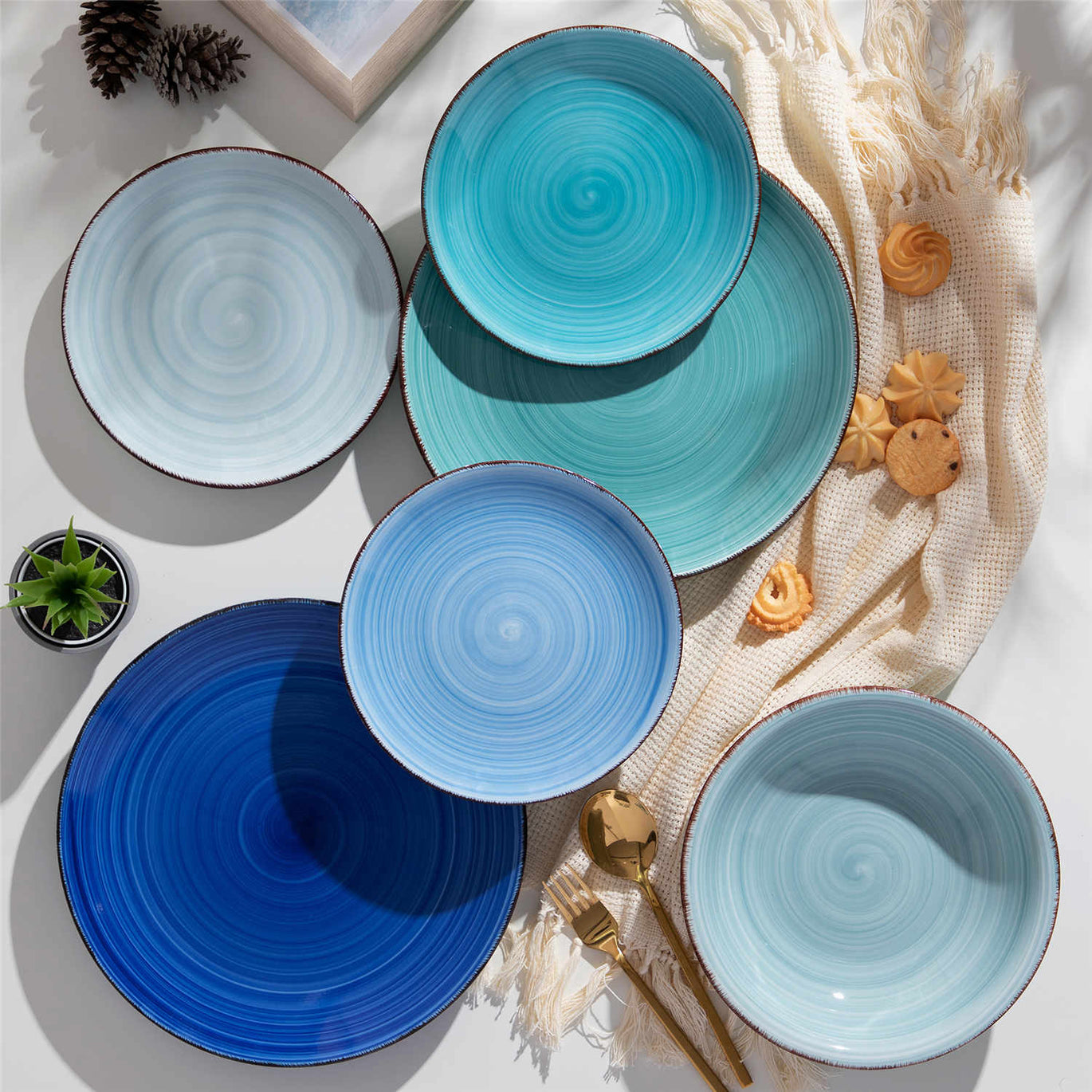


How to Store Your Dinnerware to Avoid Chips and Scratches
Our dinnerware is not just a food vessel, it prepares the atmosphere of meals, both simple breakfasts and grand parties. However beautiful and long-lasting your collection might be, it can be ruined by poor storage and become a pile of broken dishes and scratched bowls. Regardless of whether you have stoneware dinnerware, porcelain dinnerware sets, or everyday dinnerware plates, the most important thing is to store them properly so that they can continue to look clean even after many years.
This guide will take you through all the information you need to know about storing dinnerware sets safely. You will know the practical steps to preserve your collection and keep it elegant, whether it is before stacking or preventing the most common storage errors.
Pre-Stacking: 3 Prep Steps To A Safe Storage
The basis of securing your dinnerware starts even before it enters the cabinet. These are the simplest preliminary steps that can be taken to avoid the most frequent types of damage.
Make Each Piece Bone-Dry
The secret foe of dinnerware storage is moisture. Even slightly damp porcelain dinnerware sets can cause water spots, mould, and even damage to the glaze in the long run. Always dry your dishes thoroughly with a soft, lint-free towel before storing them. Do not leave them on racks to dry when you intend to store them immediately because the water droplets between plates may leave dull spots and affect the quality in the long run.
Measure Your Cabinet Space
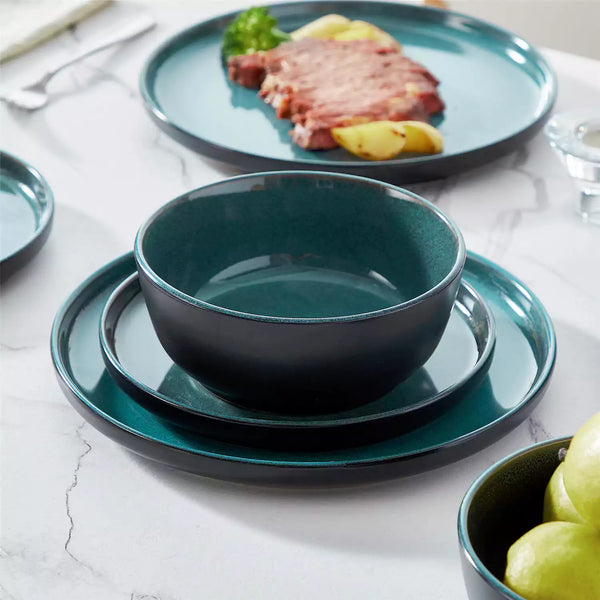
Evaluate your cabinet shelves before placing dinnerware plates or storing bowls. Dinnerware sets differ in height, diameter, and thickness, especially when comparing stoneware dinnerware to fine porcelain. Measuring will make sure that the stacks will not be too high or unstable. The quickest method of creating accidental chips is to overcrowd cabinets with pieces that bump against each other when removed or replaced.
Prepare Your Safety Supplies
The key to safe storage is cushioning. Prepare soft felt or silicone plate separators, dish protectors, or even microfiber cloth sheets. These are thin layers that serve as buffers, which avoid scratching between stacked dinnerware plates. In the case of bowls and mugs, protective sleeves or padded inserts may be employed. It will be helpful to have these materials prepared before you begin storing so that you can have a damage-free system.

The Art Of Stacking: How To Pack Plates And Bowls In The Cabinet
The most popular storage method is stacking, but it is important to do it properly. This is aimed at avoiding direct contact between hard surfaces, which leads to scratches and chips.
Cushion Between Every Single Piece
Do not place bare dinnerware plates on top of each other. Even the smoothest glaze is microscopically rough and can scratch the surface underneath it. Place a protective layer: such as felt separators, thin cork mats, or cloth napkins between every plate and bowl. In the case of stoneware dinnerware, where the rims are usually thicker, additional protection is particularly necessary to prevent chipping.
Make Stacks Short And Sensible
High piles are attractive but dangerous. Pressure cracks or chips can be formed by the weight of several plates pushing down, particularly in fragile porcelain dinnerware sets. The best rule is to have no more than six plates on a stack. In the case of larger dinnerware sets, stack them in several stacks instead of a single tall stack.

Stack In Descending Order
Putting dinnerware plates in a descending order will evenly distribute the weight and will not crush smaller and more delicate pieces. Begin with dinner plates on the bottom, then salad plates, and dessert plates on the top. The same can be done with bowls, stacked individually with separators between.
Why Plate Racks Are Your Best Friend
Plate racks are worth the money in case you are serious about safeguarding your dinnerware sets. Racks are used to store plates vertically, as files in a cabinet, unlike stacking. This reduces the amount of contact on the surface, almost removing scratches.
Plate racks also allow easier access to dinnerware plates without disturbing the rest of the collection, no longer do you have to lift stacks to get to one plate. The adjustable racks can be tailored to suit various sizes, including large dinner plates and smaller sauces. Racks are a stylish and convenient way to store your everyday stoneware dinnerware or formal porcelain dinnerware sets.
Storing Mugs, Cups, And Odd-Shaped Pieces
Mugs, teacups, and serving bowls of unusual shapes need special attention. Their curves and handles predispose them to damage when packed into cabinets.
In the case of mugs and cups, do not hang them on hooks by the handle, as this strains the joint between the handle and the body, causing cracks. Rather, stackable cup organizers or adjustable dividers can be used to hold them in place and cushion them. When you have to stack cups, put a soft cloth or protector between them to avoid scratches in the rim.
Your dinnerware sets should have odd-shaped serving bowls or decorative pieces that should be stored with ample space around them. Think about padded bins or drawers with protective liners. In the case of porcelain dinnerware sets that are used on special occasions, you can wrap each item in acid-free tissue paper and place it in cushioned containers to keep it safe even when they are not in use.

5 Common Storage Mistakes (And How To Fix Them)
Despite the intentions, most individuals end up with habits that ruin their dinnerware in the long run. The following are some of the pitfalls to be avoided and how to avoid them:
Mistake: Overcrowding Cabinets.
Fix: Keep only what fits comfortably. Move in and out of storage as required.
Mistake: Omission Of Protective Layers.
Fix: Place plates and bowls between felt, cork, or cloth separators to avoid scratches.
Mistake: Hanging Mugs By Their Handles.
Fix: Place mugs standing up with dividers or on cup shelves.
Mistake: Storing In The Dishwasher.
Fix: Never leave dishes unloaded. Dishwashers are not long-term storage devices and may leave dishes wet, which can cause damage.
Mistake: Ignoring Cabinet Liners.
Fix: Place non-slip, padded liners on shelves and drawers to avoid accidental chips as dinnerware slides in and out.
By repairing these habits, you prolong the life of your daily stoneware dinnerware, as well as your fine porcelain dinnerware sets.
Ready To Protect Your Dinnerware Collection?
Dinnerware is not merely practical; it is a part of your home story, with memories of family meals, celebrations, and quiet evenings. Regardless of whether your cabinets are stocked with hardy stoneware dinnerware or fragile porcelain dinnerware sets, by keeping them safe, you will be able to enjoy their beauty over the years. With the proper storage habits, such as drying completely, stacking intelligently, using a plate rack, and avoiding the most common mistakes, you will protect your dinnerware plates against chips, scratches, and wear.
Protective storage solutions are not only a way to preserve your collection, but also to improve your everyday dining experience. Your dinnerware sets will always make your meals more enjoyable because they will always look as good as the day you purchased them.
FAQs About Preventing Dinnerware Chips and Scratches
Q1: Is It Possible To Stack Porcelain Dinnerware Sets Without Separators?
A: It's not recommended. Porcelain is fragile, and scratches can be easily made by the slightest friction between plates. Always use felt or cloth layers.
Q2: How Do You Store Stoneware Dinnerware?
A: Due to the weight and thickness of stoneware, it is better to keep the stacks short and not high. Extra protection is provided by using strong shelves and cushioned liners.
Q3: Should I Keep My Daily Dinnerware Plates And My Fine China In Different Places?
A: Yes. Daily items can be handled more often, whereas fine porcelain dinnerware sets must be placed with special attention, preferably in plate racks or padded containers.
Q4: Do I Need Plate Racks When I Use Separators?
A: Separators are good at stacking, but plate racks offer the best protection as they do not allow surface contact at all. They are particularly handy with delicate porcelain dinnerware collections.
You may also like
Stern 16 Piece Dinnerware Set
- €88,95
€101,95- €88,95
- Unit price
- per
-
Blue
-
Green
-
Red
-
Grey
Simi 24 Piece Dinnerware Set
- €101,95
€140,95- €101,95
- Unit price
- per
Bonita 18 Piece Dinnerware Set
- From €63,95
€78,95- From €63,95
- Unit price
- per
-
Blue
-
Multicolor
Simi 24 Piece Dinnerware Set with Double-Sided Bowls
- €107,95
€140,95- €107,95
- Unit price
- per