



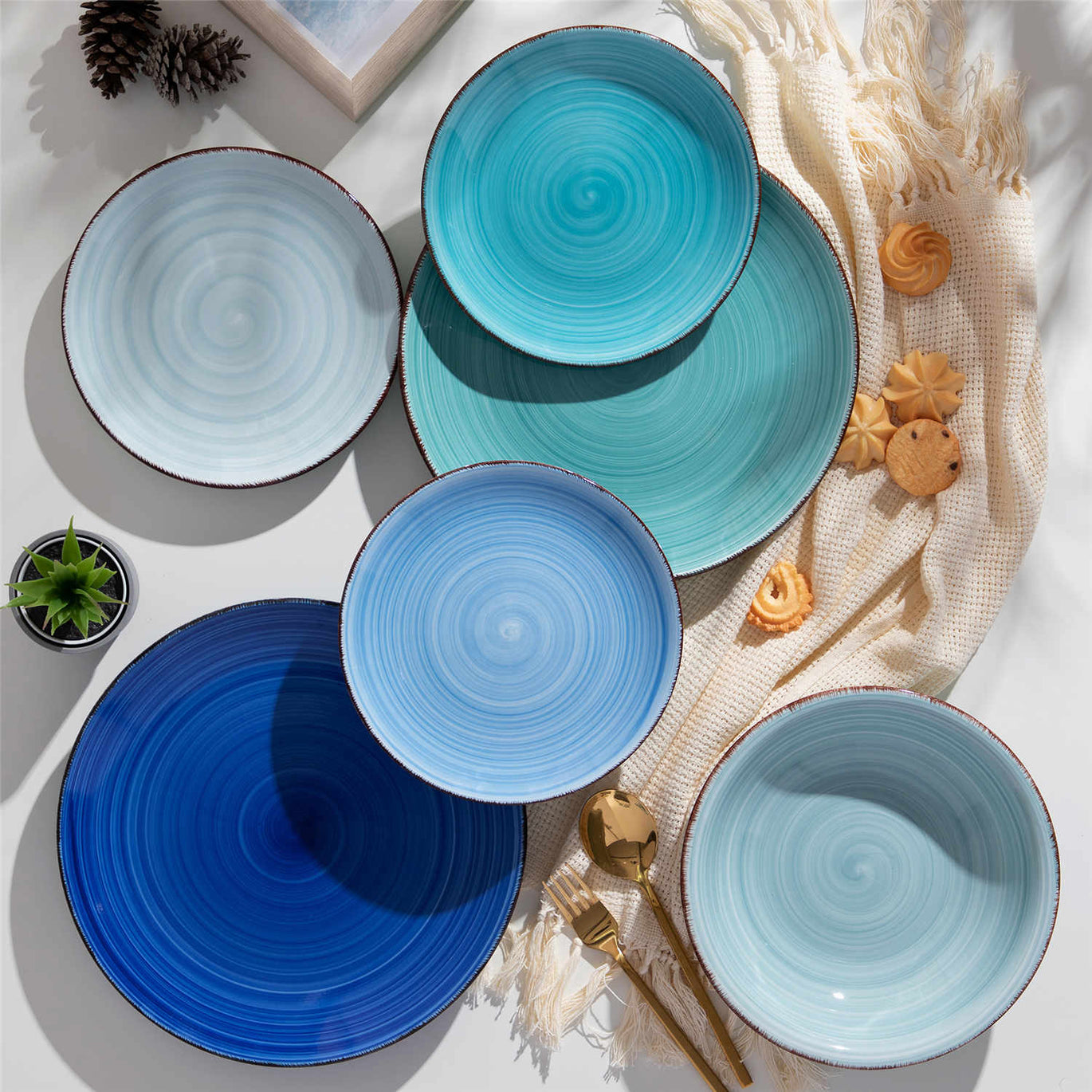


Can You Put Stoneware on the Stove?
Stoneware is adored for its timeless beauty, natural feel, and excellent oven performance. From a cozy stoneware casserole dish bubbling with baked pasta to an elegant stoneware baking dish filled with roasted vegetables, this material has earned a place in kitchens around the world. However, one important question often comes up when it comes to safety and longevity: Can you place stoneware on the stove?
The clear and protective answer is no. Stoneware bakeware is not designed for stovetop use, and placing it directly on a burner can cause cracking, permanent damage, or structural failure. This guide explains why that rule exists, how heat affects stoneware, and how to safely enjoy your favorite pieces, especially high-quality oven-ready collections such as vancasso stoneware, without breakage.
The Brief Answer: Is Stoneware Stovetop Safe?
No. Stoneware is not stovetop safe.
Stoneware bakeware is engineered for slow, even heat distribution, such as that found in an oven or microwave. Stovetop burners, whether gas, electric, or induction, produce concentrated heat in a small area, which stoneware is not built to handle.
Even if a piece is labeled oven safe, that does not mean it can withstand direct flame or direct contact with a burner. Using stoneware on the stove goes against its intended design and can lead to cracking, either immediately or gradually over time.
This is not about being overly cautious, but about respecting the physics of the material.

Why Does Stoneware Crack on Direct Heat?
To understand why stoneware and stovetops are incompatible, it helps to know how stoneware responds to heat.
Stoneware is a ceramic material fired at high temperatures to become dense and durable. However, it expands when heated, and it must do so evenly. In an oven, heat surrounds the dish, allowing the entire stoneware baking dish to warm gradually and uniformly.
A stovetop burner creates the opposite condition. Only the bottom center heats rapidly, while the sides and rim remain cooler. This uneven expansion creates internal thermal stress, which can result in:
- Hairline cracks.
- Popping or cracking sounds.
- Structural fractures.
- Complete breakage.
This is a structural failure caused by uneven heat, not an explosion. Once stoneware cracks, it cannot be repaired.
Oven Safe vs. Stovetop Safe: What Is the Difference?
This distinction is where many users become confused.
When stoneware is labeled oven safe, it means the piece can withstand consistent, surrounding heat up to a specified temperature. Brands such as vancasso design their stoneware bakeware for baking, roasting, and slow cooking in the oven.
Stovetop-safe cookware, by contrast, is made from materials that tolerate intense, localized heat without cracking. Common examples include:
- Cast iron.
- Carbon steel.
- Stainless steel.
- Enameled Dutch ovens with metal cores.
Stoneware does not fall into this category. A stoneware casserole dish may feel heavy and solid, but its strength lies in even heat conditions, not direct burner contact.

Gas, Electric, or Induction: Does the Type of Burner Matter?
A common follow-up question is whether certain stovetops are safer for stoneware. The answer is simple and consistent.
Stoneware is not safe on any type of stovetop.
- Gas stoves produce open flames and intense hot spots.
- Electric coil burners heat unevenly and maintain prolonged contact.
- Glass-top stoves focus heat in a small circular area.
- Induction cooktops generate rapid, concentrated heat that can shock stoneware.
Regardless of the heat source, direct and concentrated heat leads to uneven expansion and cracking. The rule of no direct flame applies universally.
Best Practices: How to Heat Your Stoneware Safely
Stoneware bakeware performs beautifully when used correctly. To keep your pieces functional and attractive for years, follow these best practices:
- Never cook on the stovetop. Always use stoneware in the oven. When asking can stoneware go in the oven, the answer is yes, as long as you follow the manufacturer’s temperature guidelines.
- Avoid sudden temperature changes. Do not move stoneware directly from the refrigerator to a hot oven or from the oven to a cold surface.
- Use indirect, gentle heat for reheating. Heat diffusers may reduce risk slightly, but stoneware should not be used for stovetop cooking.
- Place hot stoneware on wooden boards, towels, or trivets instead of cold countertops.
By following these guidelines, oven-safe stoneware pieces such as those from vancasso will maintain their glaze, strength, and appearance.

Safe Alternatives for Stovetop Cooking
When stovetop cooking is required, choose cookware designed for that purpose. Instead of risking your stoneware casserole dish, consider:
- Cast iron for searing and frying.
- Stainless steel saucepans and sauté pans.
- Enameled Dutch ovens suitable for stovetop and oven use.
A practical approach is to cook on the stovetop using appropriate cookware, then transfer the food to stoneware for baking or serving.
Stoneware and Stovetops Don’t Mix
It bears repeating clearly: stoneware and stovetops do not mix.
This is not a flaw but a design characteristic. Stoneware is built for enclosed, even heat environments. Placing it on a stovetop contradicts its material properties and almost guarantees damage over time.
Following the no direct flame rule protects your cookware, your meals, and your peace of mind. Stoneware such as vancasso is made to be oven tough and table beautiful, but only when used as intended.

FAQs
Q: Can Stoneware Go in the Oven?
A: Yes. Most high-quality stoneware bakeware is oven safe when used according to the manufacturer’s guidelines.
Q: Is Stoneware Oven Safe at High Temperatures?
A: Generally yes, but always check the specific temperature rating and avoid broilers or sudden temperature changes.
Q: Can I Use a Heat Diffuser to Cook With Stoneware on the Stove?
A: A diffuser may reduce risk slightly for gentle warming, but it is not recommended for cooking. Oven use is always safer.
Q: Why Does Stoneware Crack Without Visible Damage Before?
A: Thermal stress can build up over time, and a small temperature shock may trigger cracking even if the dish appears intact.
You may also like
Stern 16 Piece Dinnerware Set
- €96,95
€110,95- €96,95
- Unit price
- per
-
Blue
-
Green
-
Red
-
Grey
Simi 24 Piece Dinnerware Set
- €105,95
€145,95- €105,95
- Unit price
- per
Bonita 18 Piece Dinnerware Set
- From €66,95
€81,95- From €66,95
- Unit price
- per
-
Blue
-
Multicolor
Simi 24 Piece Dinnerware Set with Double-Sided Bowls
- €111,95
€145,95- €111,95
- Unit price
- per