





Dutch Oven vs. Slow Cooker: Which Is Better for Your Cooking Needs
The debate between a Dutch oven and a slow cooker is one of the most common cooking discussions home cooks are familiar with. Both offer comforting, low-and-slow food—think rich stews, fall-apart meats, and deeply satisfying flavors that fill the kitchen with warmth. However, the process of preparing food with each tool is completely different. One invites you into a hands-on cooking ritual; the other quietly works in the background while you go about your day.
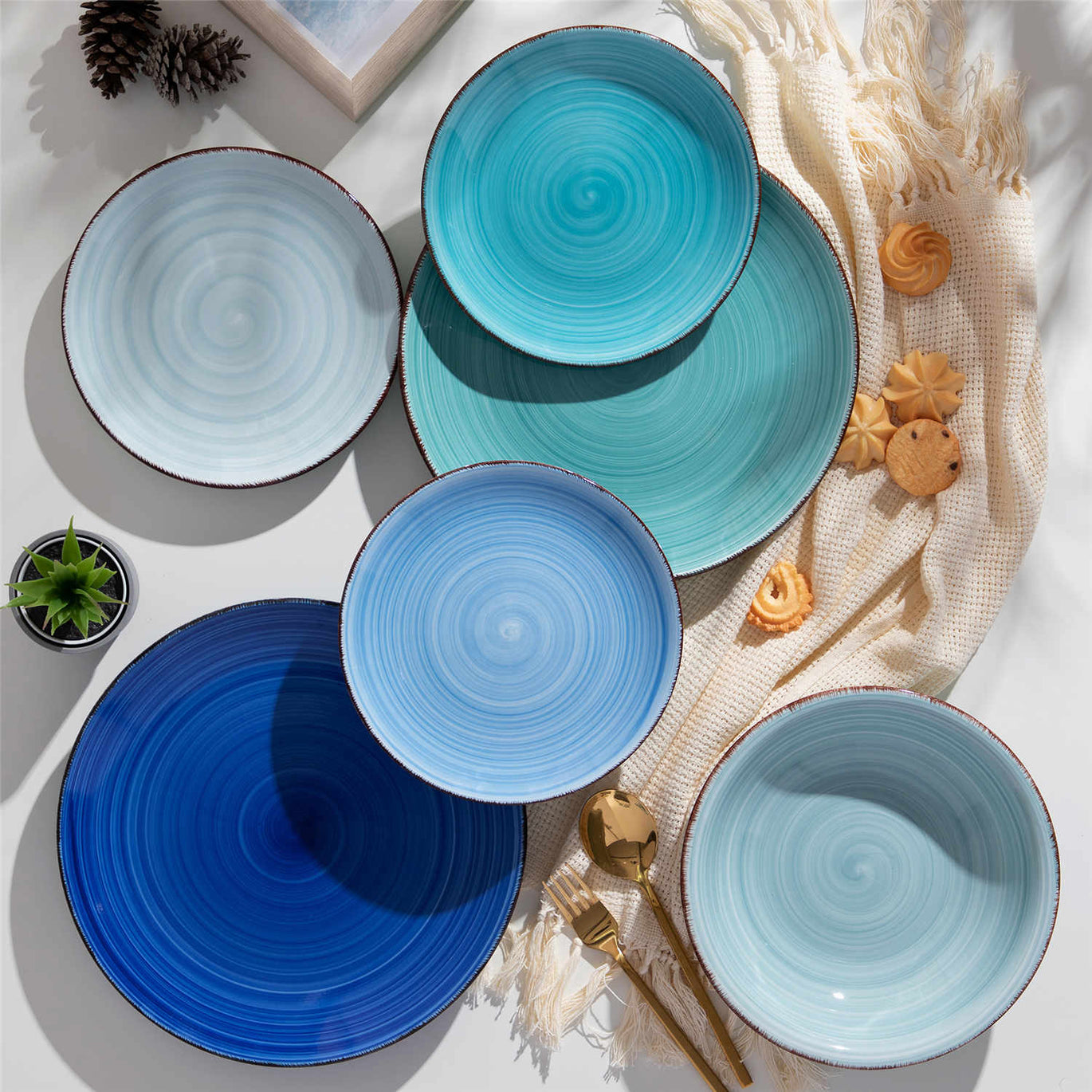
Beyond convenience and technique, the modern kitchen is also about presentation. Meals no longer end at the stove—they move to the table and are served in dishes that complement your stoneware casserole dish, bakeware set, or matching dinnerware. Understanding how these tools fit into a kitchen-to-table lifestyle helps you decide not only how you cook, but also how you host.
Which one suits your cooking style better? Let’s explore both.
What is a Dutch Oven?
A Dutch oven is a heavy, thick-walled cooking pot, usually made of cast iron, designed to retain and evenly distribute heat. An enameled Dutch oven features a smooth, colorful coating that resists rust, is easier to clean, and transitions seamlessly from stovetop to oven to table.
The Dutch oven pot is highly versatile—ideal for simmering soups, baking crusty bread, or braising short ribs. It works on gas, electric, and induction cooktops, as well as in ovens, making it a true workhorse in the modern kitchen.
Pros of a Dutch Oven
High heat is one of the Dutch oven’s greatest strengths. Its heavy construction makes it excellent for searing meat on the stovetop, allowing the Maillard reaction to occur—the chemical process that browns food and creates deep, complex flavors. Meat caramelizes beautifully, locking in juices and building layers of flavor that a slow cooker simply cannot replicate.
Another advantage is control. You can adjust heat, reduce sauces, and monitor texture throughout cooking. This makes the Dutch oven ideal for recipes that benefit from gradual transformation, such as stews that thicken naturally or braises finished with glossy, reduced sauces.
An enameled Dutch oven also doubles as serveware. Its rich colors and sculptural form make it a centerpiece on the dining table, especially when paired with artistic stoneware oven-safe dinnerware and coordinated bakeware sets. It perfectly embodies the kitchen-to-table philosophy.

Cons of a Dutch Oven
The same qualities that make a Dutch oven appealing can also make it demanding. It requires attention—stirring, heat regulation, and careful timing between stovetop and oven—which may feel impractical on busy weekdays.
Dutch ovens are also heavy. Moving a full pot from the oven to the table requires care, and storage can be challenging in smaller kitchens. The weight concern makes matching the pot size to your typical batch quantities particularly important for daily usability. While enameled versions are easier to maintain than raw cast iron, they still require gentle cleaning to preserve the finish.

What is a Slow Cooker?
A slow cooker is an electric countertop appliance designed to cook food unattended over several hours. Ingredients are added, the lid is closed, and gentle, consistent heat transforms tougher cuts of meat into comforting, tender meals.
Most slow cookers use ceramic inserts that resemble stoneware casserole dishes, making them ideal for recipes that rely on long, moist simmering, such as soups, chilis, and pulled meats.
Pros of the Slow Cooker
Convenience is the defining advantage of a slow cooker. It is the ultimate set-it-and-forget-it tool, perfectly suited for busy schedules. You can start a meal in the morning and return home to a fully cooked dinner, with aromas that instantly make a house feel like home.
Slow cookers excel at tenderizing tougher cuts of meat. The low, steady heat gradually breaks down connective tissue, producing fork-tender textures with minimal effort.
They are also energy-efficient and generally lighter and easier to store than Dutch ovens, making them practical for everyday use.
Cons of the Slow Cooker
While slow cookers deliver tenderness, they fall short in flavor development. Because they operate at low temperatures and retain moisture, they cannot trigger the Maillard reaction. Meat added directly to a slow cooker is cooked rather than seared, resulting in softer, less layered flavors unless ingredients are browned separately.
Presentation is another limitation. Slow cookers are functional but rarely elegant. Meals often need to be transferred to a stoneware oven-safe serving dish or matching bakeware set before reaching the table, adding an extra step between cooking and serving.

Dutch Oven vs. Slow Cooker: Complete Comparison Chart
| Feature | Dutch Oven | Slow Cooker |
|---|---|---|
| Heat source | Stovetop & oven | Electric countertop |
| Browning ability | Excellent (Maillard reaction) | Not possible |
| Cooking style | Hands-on, versatile | Set-and-forget |
| Texture results | Rich sauces, layered flavors | Ultra-tender, moist |
| Cook time | Flexible, often faster | Long, consistent |
| Ease of cleaning | Moderate | Easy |
| Table presentation | Beautiful centerpiece | Requires transfer |
Dutch Oven vs. Slow Cooker
The choice between these two tools is not about declaring a winner, but about choosing what fits your lifestyle. If you enjoy the cooking process, adjusting flavors, and hosting meals where presentation matters, a Dutch oven fits naturally into your routine.
When weekdays are hectic and convenience is key, the slow cooker becomes a reliable companion. Many home cooks find that owning both offers the best of both worlds—slow cooker meals during the week and Dutch oven cooking for relaxed, intentional weekends.
Is a Dutch Oven a Slow Cooker?
Yes, with a few adjustments. A Dutch oven can replicate slow cooker results when used at low oven temperatures over extended periods. Stews and braises cooked at 275–300°F become equally tender, while benefiting from better browning and sauce reduction.
However, it lacks the hands-off convenience of a slow cooker. Think of the Dutch oven as a more artisanal form of slow cooking—less passive, but richer in flavor and visual appeal.

Final Decision: Which One Belongs in Your Kitchen?
Instead of choosing one over the other, consider how you cook and how you serve. The slow cooker supports busy schedules and effortless comfort food. The enameled Dutch oven shines during Sunday dinners, holiday gatherings, and meals meant to travel straight from oven to table.
Paired with thoughtfully chosen stoneware casserole dishes, oven-safe plates, and a cohesive bakeware set, the Dutch oven elevates not only the meal, but the entire dining experience. In the end, great cooking deserves great presentation—no matter which path you choose.
FAQs
Q: Is a Dutch Oven Healthier Than a Slow Cooker?
A: Both are healthy options, as they require minimal added fats. Dutch ovens may offer more control over salt levels and sauce reduction.
Q: Can I Put a Dutch Oven in the Oven?
A: Yes. Most Dutch ovens are designed for oven use, making them extremely versatile.
Q: Does Food Taste Better in a Dutch Oven?
A: Many cooks prefer Dutch ovens for flavor, as browning and reduction create greater depth and complexity.
Q: Can Slow Cooker Inserts Go in the Oven?
A: Some ceramic inserts are oven safe, similar to stoneware, but always check the manufacturer’s guidelines.
You may also like
Stern 16 Piece Dinnerware Set
- From €72,95
€96,95- From €72,95
- Unit price
- per
-
Blue
-
Green
-
Red
-
Grey
Simi 24 Piece Dinnerware Set
- €96,95
€129,95- €96,95
- Unit price
- per
Bonita 18 Piece Dinnerware Set
- From €60,95
€74,95- From €60,95
- Unit price
- per
-
Blue
-
Multicolor
Starry 16 Piece Dinnerware Set
- €73,95
€86,95- €73,95
- Unit price
- per
-
Blue
-
Green
-
Red
-
Gradient Green