



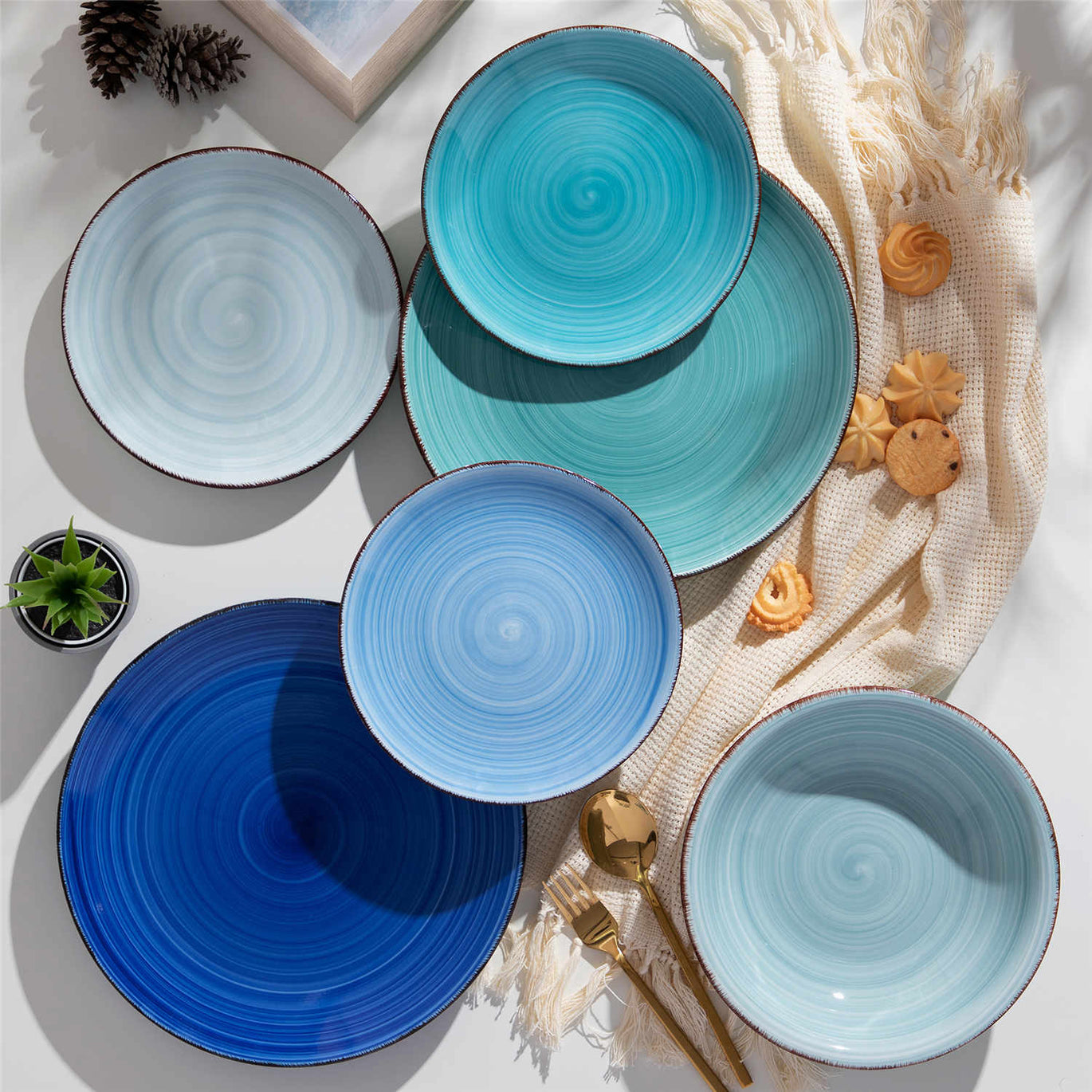


Reviving the Ceramics Ritual in the New Home Economy

The most powerful home “upgrade” I see right now is not a smart appliance or a new streaming service. It is a humble, glowing stack of ceramic plates on a kitchen shelf, waiting to be used every night instead of once a year. When you choose those plates intentionally, set them out with care, and actually use them, you are reviving what I like to call the ceramics ritual: the everyday, lived-in art of laying a table.
As a colorful tabletop creative and very pragmatic joy curator, I spend a lot of time in that space where aesthetics meets real life. I test stoneware with chaotic weeknight pasta, see which glazes forgive steak-knife marks, and watch how people behave differently when dinner shows up on a thoughtfully styled plate. The trends are clear: in an era of careful budgets and more meals at home, ceramics are becoming both a financial decision and a lifestyle statement.
This is the heart of the new home economy trend: fewer, better pieces that work hard, last long, and spark joy every single day.
The New Home Economy: Why Ceramics Are Having a Moment
Luxury and everyday tableware are not shrinking niches. A luxury ceramic dinnerware guide from JQY Ceramics cites a global luxury tableware market of about $21.43 billion in 2023, projected to reach roughly $34.13 billion by 2032, with luxury dinnerware alone accounting for more than $7 billion and growing. North America currently leads this market, while Asia-Pacific is the fastest-growing region. That is a lot of plates for a world that supposedly eats on the couch.
Why the surge, especially when so many households are watching their spending? Several overlapping trends show up again and again across guides and testing reports from sources such as MDMAISON, Forbes Vetted, Bon Appétit, Architectural Digest, Vogue, and Gordon Food Service.
First, dinnerware has shifted from “special-occasion china” to functional art. MDMAISON describes luxury dinnerware as functional art and a carrier of family history, not just food. Modern plate guides emphasize that designer and handmade pieces are now used daily in homes, hotels, events, even on private jets and yachts, rather than locked away. This reflects a broader home-economy logic: if you are going to invest, it should earn its keep at every meal, not just on holidays.
Second, there is a practical, test-driven turn. Forbes Vetted, Serious Eats, The Spruce Eats, Bon Appétit, and others have spent months testing plates and bowls in real kitchens. They look at chip resistance, microwave and dishwasher performance, stain resistance, and comfort in the hand. Their top picks span price points, but the criteria are remarkably similar: durability, everyday usability, and style that lasts more than a season. In other words, home-economy thinking baked into ceramics.
Third, sustainability and ethics are quietly reshaping the shelves. A 2025 trend overview from Jocell highlights eco-conscious materials, recycled clay, responsible glazes, energy-efficient kilns, and locally sourced materials. Many modern collections position longevity itself as a form of sustainability: plates that last decades keep you from buying three sets in ten years.
Finally, online shopping has made tableware research both easier and noisier. You can see this in everything from cookie notices on sites like Our Place, which openly describe tracking for better marketing and experience, to anti-bot gates on large retailers that make automated data scraping difficult. At the same time, bestseller rankings on large marketplaces show which designs resonate right now. One example in the notes is a vancasso 12-piece ceramic set for four, with bohemian patterns, scratch resistance, microwave and dishwasher safety, and strong sales performance. It is budget-conscious, visually expressive, and built for small households and gifts, which is exactly where many home-economy shoppers live.
Taken together, the new home economy is asking ceramics to do a lot: carry beauty, withstand heavy use, reflect values, and fit real budgets. That is exactly where the ceramics ritual becomes interesting.
From Restaurant Runway to Small-Space Dining Room
Restaurant and hospitality trends are feeding directly into our apartments and houses. A Gordon Food Service article on dinnerware trends for restaurants frames dinnerware as a strategic tool, not an afterthought. Simultaneously, Bon Appétit has highlighted tabletop brands that “transformed our tables,” such as Holcomb with its edited seasonal collections in wood, glass, stone, and stainless steel, and Big Night, a hosting-focused retailer that curates playful tableware and collaborates on hand-painted ceramics.
Media outlets like Architectural Digest, Vogue, Serious Eats, The Spruce Eats, and Forbes Vetted now publish in-depth guides to the “best dinnerware sets,” often organized by personality: minimalist, maximalist, color lover, host, or small-space dweller. These guides blur the line between restaurant and home: they feature chef-style studio-made plates, hotel-grade porcelain, and sets tested for the rough-and-tumble of family life.
If you feel like the world is quietly nudging you to upgrade from chipped mishmash dishes to something more intentional, you are not imagining it. The culture has decided that what your food sits on matters.
The good news is that you do not need a chef’s budget or a holiday house to participate. You need to understand the materials, make a few smart choices, and then build a ritual around using what you own.

Understanding Ceramic Materials in Everyday Language
Ceramics is an umbrella term for clay-based tableware fired in a kiln. Within that family, different materials have different personalities, price points, and care needs. Several guides, including those from MDMAISON, Kim Seybert’s tablescape experts, MDMAISON on modern dinner plates, and FAQs from Vogue and Bon Appétit, sketch a clear picture.
Here is a simplified comparison based strictly on those sources.
Material |
Feel and look |
Everyday strengths |
Watch-outs |
Ideal use case |
Stoneware |
Rustic, slightly heavier, often matte or speckled; suits boho, farmhouse, and Scandinavian vibes. |
Dense, sturdy, naturally “practical luxury”; handles daily use well and is often oven-ready. |
Weight can be noticeable; matte glazes may show utensil marks more; can scratch more readily than porcelain in tests. |
Busy households that want warm, textured, durable everyday plates. |
Porcelain |
Smooth, glossy, refined, often bright white or elegantly colored; classic and contemporary at once. |
Lightweight but strong; low porosity so it resists staining and stays clean; great for both casual and formal usage. |
Feels delicate; edges can chip if knocked; higher-end designs usually cost more than basic stoneware. |
Those who want restaurant-like plating, easy cleaning, and a versatile look. |
Bone china or imperial porcelain |
Translucent, milky hue, almost weightless with a very fine, aristocratic feel. |
Often cited as among the most durable dinnerware; thin but strong; luxurious to hold and look at. |
Higher price; some sets require more careful handling; uses bone ash, so not a vegan material. |
Special-occasion heirloom sets that still see regular use in adult households. |
Earthenware, faience, terracotta, majolica |
Rustic, hand-painted, often colorful; evokes Provençal or countryside charm. |
Charmingly imperfect, full of character; perfect for layered, eclectic tables. |
More porous and less durable; can be more chip-prone; may require more gentle care. |
Accent pieces, salad or dessert plates, and platters in a mix-and-match table. |
Ceramic plus glass or tempered glass |
Ceramic plates paired with glass salad or dessert plates, or full glass sets. |
High-end glass and tempered glass are hygienic and durable; glass accents can brighten a table. |
Glass dinnerware is easily chipped, as Vogue explicitly notes; some glass plates feel cold or slippery. |
Accent salad plates, dessert courses, and light-catching layering over ceramic bases. |
Melamine, bamboo blends, wheat straw |
Often bright, modern, and deceptively light; some feel like thick paper or polished plastic. |
Extremely tough and scratch-resistant; great for kids, camping, and outdoor use; dishwasher-safe in many tested sets. |
Many melamine and bamboo composites are not microwave-safe; some sustainability concerns around microplastics if overwashed. |
Kid-heavy households, outdoor dining, picnics, and worry-free parties. |
Modern testing from Serious Eats and The Spruce Eats tends to confirm what traditional wisdom suggests. Porcelain usually resists visible knife marks better than stoneware. Stoneware often feels the most indestructible in daily use, especially in retro-style brands that have survived rambunctious dinner parties for more than a decade. Bone china and fine porcelain sets can be remarkably tough, but you still have to treat them with respect.
The key takeaway for the home economy mindset is this: you do not need the “best” material in an abstract sense. You need the material whose pros and cons match your actual life.
If your kitchen counters are stone or granite, guides from Wedgwood and MDMAISON suggest stronger materials like fine china or bone china because harder surfaces increase impact risk. If you have toddlers and very casual meals, a hybrid path—stoneware for adults, melamine or bamboo composites for kids and outdoor eating—may stretch your budget most wisely.

How Many Plates Does a Real Life Actually Need?
One of the most quietly radical pieces of advice in the notes comes from an Italian tableware guide that explains set sizes and then speaks bluntly from experience. An 18-piece dinner service is defined as six dinner plates, six soup plates, and six fruit plates, serving six people. A 36-piece service doubles that to twelve of each.
The author strongly recommends not buying sets smaller than 18 pieces, even for a household of two or three. Their reasoning is practical, not aspirational. With only eight or twelve plates, a few inevitable breakages leave you with a “lame” set that cannot host anyone. A larger set lets you load the dishwasher at lunch and run it in the evening instead of washing by hand after every meal. They share that by buying a full set plus a few extra “flat” plates at marriage, they have broken some pieces over the years but can still comfortably set the table for twelve.
This aligns with what I see at real tables. Underbuying leads to a long-term tax: constant washing, visible mismatches, and pressure when guests come over. Overbuying, on the other hand, can become clutter and sunk cost. The sweet spot in the home economy mindset is enough pieces to host your typical gathering, plus a small buffer for accidents.
At the other end of the spectrum, many modern, smaller sets consciously serve four. The Amazon-bestseller vancasso 12-piece ceramic set is built exactly this way: four dinner plates, four side plates, four bowls. It is microwave- and dishwasher-safe, scratch-resistant, and visually bohemian. That is perfect for a first apartment, a small family, or a shared rental where budget and storage are limited. Serious Eats and The Spruce Eats both single out minimalist, budget-friendly sets like Amazon Basics porcelain as strong value for similar reasons: they are durable enough, smooth, and stress-free.
The decision, then, is less about a magic number and more about the pattern of your life. If your table regularly holds six to eight people, a true service for six plus some extras is a smart investment. If you host rarely and have a tiny kitchen, a well-built service for four with a few accent pieces might be the most economical move, especially if the line is available as open stock for later expansion as Forbes and Serious Eats recommend.

Budget, Practical Luxury, and Heirloom: Choosing Your Lane
Dinnerware buying is not a binary choice between dollar-store plates and couture porcelain. The research notes show a spectrum that maps nicely onto three home-economy approaches.
Approach |
What it looks like |
Pros |
Trade-offs |
Budget everyday |
Simple porcelain or stoneware sets from value brands or large marketplaces; often white or softly colored, sold in 16 to 18-piece sets. |
Very affordable; widely available; many are microwave- and dishwasher-safe and hold up surprisingly well in tests. |
Glaze may show minor flaws; stacking may be imperfect; styles can feel generic; replacement if discontinued can be tricky. |
Practical luxury |
Midpriced stoneware or porcelain from design-forward or direct-to-consumer brands; mix-and-match collections from style-focused retailers. |
Higher-quality glazes and shapes; often chip-resistant and tested under real-use conditions; design details feel special without being fragile. |
Higher upfront cost; matte finishes may need more care; popular colors and finishes can rotate out seasonally. |
Heirloom and couture |
Luxury porcelain, bone china, and artisanal studio ceramics with hand-painted details and metallic rims. |
Exceptional craftsmanship; pieces can become family heirlooms and potential collectibles; table feels like a gallery in motion. |
Highest cost; often more delicate care; some pieces are hand-wash only; not always ideal for kid-heavy or very casual households. |
Forbes’ testing process, for example, crowned a semimatte stoneware set as the best overall for balancing beauty, durability, and daily function. It looks handmade, stacks smartly, surviving dishwasher and microwave rounds. They also appreciated more accessible sets from big-box retailers and online basics for stress-free, budget-minded everyday use. Luxury picks such as Portuguese pearl-edged collections or chef-designed plates provided the special-occasion glamour.
Serious Eats and The Spruce Eats reach similar conclusions. They find budget porcelain that, while simple, can handle months of dishwashing without chips. They highlight nearly indestructible, color-saturated stoneware with playful retro vibes that has survived fifteen years of heavy use. They also celebrate handmade glazed porcelain from small studios when buyers are willing to pay more for artisanal shapes and finishes.
What matters is matching the mix to your life. A very pragmatic, joy-forward combo might be a solid, affordable white porcelain set as your canvas, plus a few bold stoneware or hand-painted salad plates from a favorite artisan brand to layer on top, as style-forward guides from Kim Seybert and MDMAISON suggest. This way, you get the home economy win of durability and replacements, plus the ceramics ritual thrill of rotating art.

Styling the Modern Ceramic Table: From Set to Story
Once you have chosen your materials and budget lane, the real fun begins: turning plates into a story.
Style guides from Kim Seybert, MDMAISON, and MDMAISON’s modern-plates article emphasize that rigidly uniform sets are giving way to personality, layered textures, and elegant mix-and-match tablescapes. Stoneware and porcelain are framed as versatile building blocks; you establish a dominant color palette, then play.
For instance, Kim Seybert’s experts suggest deep navy dinner plates topped with crisp white salad plates and touched with gold accents. You might pair glossy porcelain with matte stoneware for visual depth, blending florals, stripes, and abstract prints within a shared color scheme. Shapes enter the game too: round dinner plates, oval platters, and perhaps a square dessert plate for a sculptural touch, all tied together by material or color.
Modern dinner plate guides highlight the rise of asymmetrical and nature-inspired forms, intentionally imperfect rims, and highly textured surfaces. Brands are experimenting with plates shaped like leaves or petals, wavy-edged silhouettes, or sculpted rims inspired by mid-century and futuristic design. Glaze trends include reactive, high-gloss, color-shifting finishes where every piece is subtly unique, and heritage patterns such as Delft blue, chinoiserie, or French country motifs reimagined in modern hues.
Accessories are not mere extras; they are the stage dressing that makes the ceramics ritual feel like an event. Tablescape specialists point to embroidered napkins, textured or beaded placemats, metallic napkin rings, layered chargers and plates, crystal or cut-glass stemware, and mixed-metal flatware. Big Night, for instance, leans into playful spoon rests, striped napkins, and tiled coasters, while brands such as Kim Seybert offer dip-dye linens, gold-trimmed glassware, and reversible runners to let you shift moods without replacing the core plates.
The practical magic here is that you can transform everyday dinnerware for special events with very light lifts: a set of embroidered napkins with celebratory motifs, a few candles, seasonal greenery, or a holiday color scheme layered onto your existing plates. Guidance from Kim Seybert and MDMAISON suggests adding personalized name cards or a single striking centerpiece to turn a weeknight table into something worthy of slow eating.
I often encourage people to think of their table as a rotating gallery. The plates are the permanent collection. Linens, flowers, and little color accents are the seasonal exhibition. Over time, your ritual becomes not just setting the table but curating it.

Care and Longevity: Protecting Your Ceramic Investment
A revived ceramics ritual only works if your pieces actually last. Care advice in the notes is refreshingly consistent across luxury and everyday sources.
For luxury ceramic sets, JQY Ceramics emphasizes checking manufacturer guidelines on microwave and dishwasher use. Delicate finishes and metallic trims often do best with gentle handwashing, soft sponges, and non-abrasive cleaners. Harsh chemicals and sudden temperature changes can damage glazes or cause cracking. They suggest storing items with padding or dividers, placing protective pads or mats between stacked plates, and avoiding rough surfaces.
MDMAISON and other luxury-focused guides echo this. They position care as part of the emotional connection: you are not babying an object; you are stewarding a piece of functional art meant to outlive you.
At the same time, everyday testing from outlets like Serious Eats and The Spruce Eats shows that many midrange porcelain and stoneware sets can handle rough dishwasher cycles, microwaves, and steak-knife torture tests with few visible scars. In those tests, porcelain typically fended off knife marks better than stoneware, though most marks were minimal either way. Almost all winners resisted staining from turmeric and oil as long as glazes were high quality and intact.
Vogue’s FAQ section adds a nuance: material durability depends heavily on care. Ceramic dinnerware may be slightly less fragile than porcelain, but both will lose in a fall to plastic or melamine. Glass dinnerware is flagged as particularly chip-prone. Handwashing is described as more sustainable for longevity because you cannot fully control what happens in a dishwasher.
The home economy move is to divide your collection by care level. Everyday plates that see the dishwasher multiple times a week should be tough, tested stoneware or porcelain with robust glazes. Delicate pieces with gold rims or intricate painting, such as many luxury dessert plates and hand-painted salad plates, can be reserved for slower occasions and washed by hand.
Common problems like chips, cracks, and stains are typically preventable with gentle handling, careful stacking, and avoidance of sudden temperature shocks. For stains, JQY Ceramics notes that mild cleaners or baking soda pastes can help. Ultimately, though, the best insurance is investing in quality, chip-resistant dinnerware and respecting the care symbols on the base.
Sustainability and the Emotional Economics of the Table
Sustainability in ceramics has two dimensions in the research: how the pieces are made and how long they live.
On the manufacturing side, Jocell points out that brands increasingly highlight recycled clay, responsible glazes, energy-efficient kilns, and locally sourced materials to reduce their environmental impact. Health and eco-focused modern plate guides emphasize non-toxic, food-safe, taste-neutral glazes that resist fading, and many brands promote longevity as a sustainability feature. Bamboo-fiber and wheat-straw composites appear in tested sets as lightweight, durable, and reusable alternatives to disposable plates, especially for outdoor or child-focused use.
On the use side, making a thoughtful, long-term choice can be more sustainable than cycling through trendy sets. MDMAISON urges buyers to prioritize emotional connection over fashion, choosing designs they will love for years instead of chasing logos or seasonal colors. They recommend purchasing only the pieces you will realistically use and considering storage, display, and long-term relevance. This resonates strongly with the home-economy idea of buying once, crying once, and then enjoying your plates every day.
Ceramic dinnerware is also positioned as more sustainable than plastic or melamine for everyday use in some sources, partly because repeated dishwashing of plastic can lead to material breakdown and potential microplastic release. The most eco-conscious path, therefore, is often a durable ceramic set, produced with responsible materials and processes, used lovingly for as long as possible.
There is an emotional economy here too. Choosing dinnerware that genuinely delights you changes how you treat it and how you eat. The notes consistently frame tableware as a way to make meals more thoughtful, intentional, and emotionally resonant, not just functional. When you revive a ceramics ritual at home, you are investing not only in plates, but in daily moments of attention and connection.
How to Start Reviving Your Own Ceramics Ritual
Reviving your ceramics ritual does not require replacing everything at once. It can begin with a single deliberate decision and grow from there.
Start by observing how you really eat at home for a week or two. Notice which plates and bowls you reach for, what always seems to be in the dishwasher, and where your current collection falls short. Maybe you never use the extra-small bowls but are always short on pasta bowls. Maybe the plates are perfectly fine but the glaze is too busy for the food you love to cook.
Next, define your tabletop personality loosely, the way many media guides do. Are you drawn to neutral, minimalist porcelain that looks like a restaurant canvas? Do stoneware’s speckles and earthy tones feel like you? Or does your heart leap at the sight of hand-painted florals and striped coastal plates?
From there, choose one anchor material and color palette you will not tire of. A calm cream stoneware, a bright white porcelain, or a soft color such as blush, bone, or light grey can become your daily base. Look for pieces tested or described as chip-resistant, microwave- and dishwasher-safe when you need that convenience, and sold as open stock or in stable collections when possible.
Then add personality through smaller layers rather than duplicating full sets. A pair of bold hand-painted salad plates, a reactive-glaze platter, special dessert plates, or a colored glass accent can transform an otherwise simple foundation. This follows the mix-and-match strategies advocated by MDMAISON, Kim Seybert, and many design-forward brands.
Most importantly, turn use into ritual. Choose one meal a week where you slow down enough to set the table intentionally, even if it is just you and a big bowl of noodles. Lay a cloth or placemat, set your favorite plate, add a cloth napkin, light a candle if you can. Over time, that ritual tends to spread. People start reaching for the “nice” plates on a Wednesday, not just for Thanksgiving.
A Few Practical Questions, Answered Briefly
Many readers ask whether ceramic dinnerware is practical for small apartments. The short answer, supported by multiple testing guides, is yes, especially if you choose stackable shapes and versatile pieces such as multipurpose dinner plates and pasta bowls. Some brands and reviewers emphasize geometry that nests efficiently, which is ideal in tight kitchens.
Another frequent concern is whether it is acceptable to mix budget and luxury pieces. The research and styling advice say absolutely. Pairing an affordable, sturdy white porcelain set with a few luxury or artisanal accent pieces is a very home-economy move. You get everyday durability and easy replacements, plus the delight of special plates that spark conversation.
Finally, households that are tough on dishes often wonder whether they should give up on ceramics altogether. Testing suggests that stoneware, certain porcelain lines, and even classic colorful brands with long chip-resistance warranties can take a surprising amount of abuse. If breakage is a real risk, consider combining these with melamine or bamboo-based sets for kids and outdoor use, keeping your more delicate pieces for slower, supervised meals.
Bringing It Back to Joy
Reviving the ceramics ritual in a home-economy era is not about perfection or performance. It is about choosing plates and bowls that work for your real life, then actually using them to make that life feel a little more intentional, a little more beautiful, and a lot more joyful.
When your table becomes a place where durable, thoughtfully chosen ceramics meet everyday meals, you have turned the simplest home habit—setting a plate down—into a quiet, powerful act of design and care. That is the kind of practical, playful magic worth investing in.
References
- https://www.28ceramics.com/a-dining-in-style-the-best-ceramic-dinnerware-sets-for-every-occasion.html
- https://www.jocellhome.com/top-ceramic-tableware-trends-to-elevate-your-dining-experience-in-2025
- https://www.seriouseats.com/best-dinnerware-sets-7376024
- https://www.thespruceeats.com/best-dinnerware-sets-4104201
- https://www.anthropologie.com/anthrohome/collection-kitchen-dinner-plates
- https://www.architecturaldigest.com/story/best-dinnerware-sets
- https://www.bonappetit.com/story/best-dinnerware-sets?srsltid=AfmBOooaTficGzJm5_yKvRagqlc_XN1b6NGVzTNWZ3W1b_IvXbtvMIX0
- https://ekaceramic.com/8-must-have-ceramic-dish-styles-for-modern-homes/
- https://fromourplace.com/collections/dinnerware
- https://www.heathceramics.com/collections/plates?srsltid=AfmBOorTi-ZeMrsiWA3DMjC7_j4kH7iLTKjJPlZcalcYdxGDcnSWsOBB
You may also like
Stern 16 Piece Dinnerware Set
- €79,95
€90,95- €79,95
- Unit price
- per
-
Blue
-
Green
-
Red
-
Grey
Simi 24 Piece Dinnerware Set
- €90,95
€121,95- €90,95
- Unit price
- per
Bonita 18 Piece Dinnerware Set
- From €56,95
€70,95- From €56,95
- Unit price
- per
-
Blue
-
Multicolor
Starry 16 Piece Dinnerware Set
- €79,95
€81,95- €79,95
- Unit price
- per
-
Blue
-
Green
-
Red
-
Gradient Green