

Double-walled ceramic cups might look like the kind of cozy, design-forward mugs you see in a home espresso bar, but in the right hands they become powerful tools for close-up miracles and parlor magic. When you combine the science of heat, flavor, and materials with a playful, theatrical mindset, these cups stop being background props and start quietly carrying the show.
In my own tabletop rehearsals, I have poured espresso, tea, and even cold brew into different cups while timing how long they stay in that sweet, drinkable zone and watching how spectators react as they touch, sniff, and sip. Again and again, double-walled ceramics hit a delightful balance: they feel like everyday objects, behave like clever equipment, and visually harmonize with colorful tabletops and whimsical staging.
Let’s unpack why they work so well, using what coffee experts, product designers, and temperature-obsessed reviewers have already discovered about cups and mugs, then translating that knowledge directly to the world of magic.
From Coffee Ritual to Stagecraft: Why Cups Matter
Coffee and tea writers spend surprising energy on cups. Serious Eats notes that mug lip thickness, opening width, wall thickness, and material all change how coffee tastes and smells, with many experts aiming for a modest 6–14 fl oz capacity and a flavor peak around 130°F. Driftaway Coffee emphasizes that cup material can mute or distort flavor, and that ceramic is effectively flavor-neutral, while plastic and some metals can introduce unwelcome notes.
Liberty Beans Coffee highlights how thermal conductivity and geometry shape heat retention, aroma release, and overall enjoyment. Fusenpack and Everything Branded both underline that design details such as double-walled construction and lids are just as important as base material when it comes to keeping drinks comfortably hot.
On stage, all of this science becomes stagecraft. A magic show is thick with sensory cues: the clink of ceramic, the aromatic cloud of hot coffee, the sheen of a white cup against a velvet close-up pad. When you choose double-walled ceramic cups, you are not just picking a container; you are choosing how heat, aroma, weight, and visual character will support your routine, your timing, and your misdirection.
What “Double-Walled Ceramic” Really Means
Sweet Flavor FL defines a double-walled cup as having two layers of material with an insulating gap between them. Most of the mainstream conversation is about glass and stainless steel, but the same principle applies when both inner and outer walls are ceramic. The air or low-density fill between the layers slows heat flow, so beverages stay hot or cold longer while the exterior remains more comfortable to touch.
Compared with double-walled glass, ceramic brings a different personality. By the Earth Living, Driftaway Coffee, and Unifury all praise ceramic for flavor neutrality, warmth in hand, versatility, and the emotional comfort it adds to daily rituals. Quora contributors point out that ceramic combines low thermal conductivity with robustness and a pleasant feel, especially when the shape narrows at the neck and widens at the base.
A double-walled ceramic cup is basically that cozy, flavor-neutral ceramic shell, but with a discreet thermal superpower. On stage, that pairing of “nothing to see here” normalcy with quiet performance advantages is exactly what you want from a prop.

Thermal Tricks: Controlling Heat Like a Magician
Keeping the magic temperature window open longer
Coffee specialists agree that flavor changes dramatically as coffee cools. Serious Eats reports that coffee is most nuanced between roughly 120°F and 140°F, with a sweet spot around 130°F where harsh acidity softens and sweetness emerges. Driftaway Coffee notes that better heat retention, often via double-walled designs, helps drinkers experience more of the nuanced flavor profile before the beverage slips into the flat, lukewarm zone.
The Calculated Chemist, focusing on glass double-wall mugs, describes how moving from single-wall to double-wall construction can roughly double the comfortable drinking window, from about 20–30 minutes to around 1–2 hours, depending on conditions. Fusenpack ranks insulated stainless steel at the very top for heat retention, followed by ceramic and porcelain, with single-wall glass generally cooling fastest unless it is also double-walled.
For magic, this extended window is pure timing control. If you pour a hot drink early in a routine, you can trust that it will still be pleasantly warm when a spectator finally lifts it. You can script around a carefully managed temperature arc instead of rushing or silently worrying that the drink will turn tepid before the reveal. In my own practice sessions, this has made effects that involve delayed sipping or repeated handling far more relaxed; the cup stops being a ticking thermal time bomb and becomes a patient co-star.
Cool-to-touch walls and spectator safety
Sweet Flavor FL and The Calculated Chemist both emphasize another benefit of double-wall construction: the outer surface remains significantly cooler than the liquid inside. That means less risk of burnt fingers and less need for sleeves or napkins just to hold the cup. In the context of coffee or tea, this is about comfort. In the context of magic, it is about safety and naturalness.
Spectator management becomes easier when you can casually slide a cup across the table, invite someone to pick it up, or even have a child hold it for a moment without worrying that the exterior is uncomfortably hot. Because the double wall slows heat conduction to the outside, the tactile experience better matches what spectators expect from a nicely hot drink rather than something dangerous.
This is especially valuable in close-up and parlor shows where you want spectators to feel the warmth as proof that the drink is real, but you do not want anyone flinching, juggling the cup, or dropping your carefully prepared prop. A double-walled ceramic cup hits that sweet balance of “clearly hot” but still hand-friendly.
Condensation, cold brews, and slippery cards
Double-walled designs also shine with cold drinks. The Calculated Chemist and Sweet Flavor FL both note that double walls prevent condensation on the outer surface, keeping hands and tabletops dry. In a magic show, that translates to far fewer hazards: no damp card edges, no water rings creeping toward a stack of envelopes, and no slick surfaces for coins to skid across unexpectedly.
Imagine a color-saturated tabletop with glossy props, signed cards, and maybe a book or two. A conventional single-wall glass of iced coffee will slowly sweat itself into a miniature puddle, turning everything around it into a slip-and-slide. A double-walled ceramic cup keeps that charm of an iced latte or cold brew while behaving much better in the choreography of your show.

Flavor, Aroma, and the Psychology of Trust
Flavor neutrality and pleasant aroma
Several sources converge on one idea: ceramic is flavor-neutral. Driftaway Coffee writes that ceramic neither absorbs old flavors nor contributes its own, which makes it the preferred material when you want to taste coffee as intended. By the Earth Living and Overclock Coffee echo this, contrasting ceramic with plastic, which tends to hang onto stale aromas, and with some stainless-steel cups, which can impart a faint metallic note.
Unifury lists porcelain and ceramic alongside glass and stainless steel as the safest, least reactive mug materials for hot beverages. Liberty Beans Coffee reminds us that ceramic glaze quality matters for safety, highlighting the importance of high-quality, lead-free finishes for long-term use.
Now shift that flavor conversation into a magic setting. When you invite a spectator to sip from a cup, you are asking for a lot of trust. A neutral-tasting, well-crafted ceramic interior makes that moment smoother. The coffee or tea tastes like what they expect, without odd metallic tones or plastic aftertaste that might trigger suspicion or simple discomfort. The aroma is similarly clean; Quora discussions and Serious Eats both note that wider rims release more aroma, while narrower shapes concentrate it.
In performance, that scent becomes part of your misdirection. People lean in to inhale, their attention and emotions pulled toward the comforting, familiar signal of fresh coffee. A neutral ceramic canvas lets the drink itself do the talking.
Matching sip temperature to the emotional beat
Decent Espresso’s “Little Tipsy” ceramic cup, though not double-walled, offers a useful design lesson. In their discussion, they point out that espresso poured into this cup cools by roughly 15–25°F almost immediately, dropping straight from brew temperature into a comfortable drinkable range. The shape, glazing, and exposed surface area are all tuned to hit that target.
Home-Barista conversations about demitasse cups also show that while many enthusiasts obsess over brew temperature, there is a separate question of ideal drinking temperature and how quickly a cup cools toward it. Serious Eats and Wirecutter’s Ember Mug review both bracket that ideal drinking zone in the 120–145°F range, with many tasters preferring the lower half of that band to avoid harsh bitterness.
For magicians, the practical takeaway is simple. Your routines have emotional beats: the pour, the build-up, the reveal, the laugh. Double-walled ceramic gives you more control over which of those beats align with that ideal sip moment. You can pour earlier, talk longer, invite more interaction, and still land the first sip inside the delicious, comforting temperature range instead of a mouthful of lava or lukewarm disappointment.
Aesthetics and Misdirection: When Cups Disappear in Plain Sight
Color, glaze, and character on your table
Ceramic cups have an aesthetic richness that glass and metal rarely match. By the Earth Living describes handmade ceramic mugs as soulful, intentional, and visually unique, often with tactile textures and artistic glazes. Overclock Coffee and Serious Eats both note that people tend to rate coffee more highly when drinking from mugs they find aesthetically pleasing, with studies showing that design, weight, and texture all change perceived flavor.
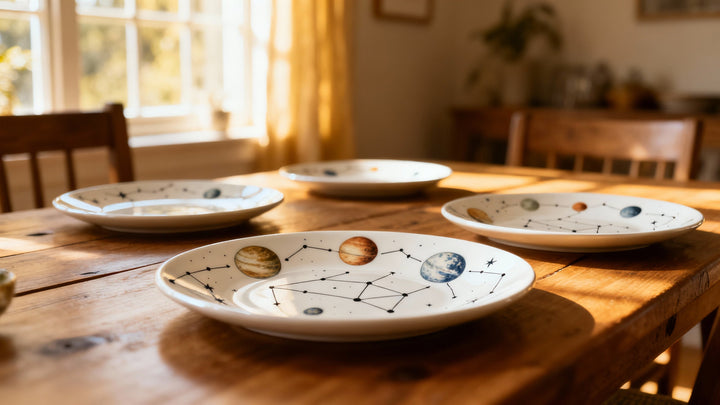
For a Colorful Tabletop Creative, this is a playground. Double-walled ceramic cups, like the Folk Ceramics Dylan 8 fl oz set, bring that artisanal, design-savvy feel into the insulated-mug world. They look like something from a carefully curated home kitchen, not a magic catalog. On stage, that is gold. A prop that looks like a beloved everyday object blends seamlessly into a casual coffee vignette, making all your moves feel spontaneous and unforced.
Glaze color gives you another layer of control. Matte white and soft gray cups feel modern and clean, perfect against colorful close-up pads or patterned runners. Earthy stoneware finishes hint at a cozy, slow-coffee ritual. Saturated hues can echo card backs, silk colors, or the labels on bottles and tins, quietly tying your tabletop together. When everything on your table looks thoughtfully chosen instead of randomly assembled, spectators read that cohesion as authenticity, not trickery.
Handleless silhouettes and the illusion of lightness
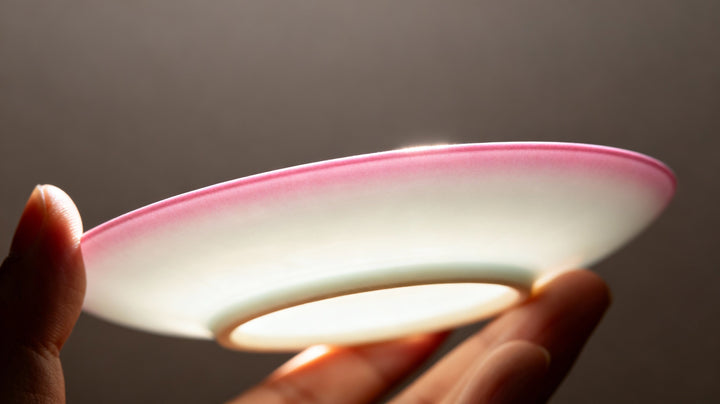
The Calculated Chemist and Sweet Flavor FL both mention that double-walled mugs, especially in glass, can be safely used without handles because the exterior stays relatively cool. This opens the door to minimalist, handleless shapes that feel almost like small bowls or tactile stones. Ceramic designers have embraced similar silhouettes, especially in espresso and cappuccino cups.
On stage, a handleless double-walled ceramic cup can appear more sculptural and less like a “prop mug.” It can be cradled, rotated, and set down from multiple angles without the handle constantly telegraphing orientation to the audience. That helps when you need continuity between secretly different positions, or when a subtle rotation hides or reveals something.
Even when the cup has a handle, double-wall construction often creates slightly thicker and more rounded forms. Serious Eats notes that double-walled and handleless designs from brands like Fellow and notNeutral keep contents hot while the exterior stays cool and can subtly alter perceived acidity and aroma. Translating that to magic, you gain a prop that invites touch, looks modern, and still behaves like a trustworthy mug in the hands of your audience.
Pros and Cons of Double-Walled Ceramic Cups in Magic Shows
No prop is perfect. The goal is not to crown double-walled ceramic cups as the universal answer, but to understand exactly where they shine and where you might reach for single-wall ceramic or double-walled glass instead.
Here is a practical comparison for stage and close-up work.
Factor |
Double-walled ceramic cup |
Single-walled ceramic mug |
Double-walled glass cup |
Heat retention on table |
Better than single-wall ceramic; comparable to many insulated mugs |
Moderate; cools faster, especially in chilly rooms |
Strong, often doubling drinkable window versus single-wall glass |
Exterior temperature |
Stays relatively cool, spectator-friendly with hot drinks |
Can get quite hot, sometimes uncomfortable to hold |
Cool to touch even with very hot drinks |
Flavor and aroma |
Neutral ceramic interior, warm and familiar coffee experience |
Likewise neutral; widely used as flavor-standard in coffee tasting |
Neutral; aroma a bit more visually emphasized by transparent walls |
Visual character |
Feels like design-focused homeware; many glaze and color options |
Very familiar and cozy; easiest to justify as “normal mug” |
Striking “floating liquid” look; sometimes reads as specialty ware |
Breakable, but thick walls add some robustness |
Breakable; fewer layers but sometimes very thick diner-style walls |
More fragile; thin glass layers vulnerable to knocks and stress |
|
Perception as “prop” |
Looks like a higher-end but normal mug |
Looks completely ordinary; least likely to be questioned |
Can look high-tech or unusual, occasionally inviting curiosity |
Condensation with cold drinks |
Minimal, thanks to double wall and ceramic shell |
Moderate to heavy condensation depending on glaze and temperature |
Minimal condensation, good for iced drinks |
From a purely magical perspective, the main advantages of double-walled ceramic are better temperature control, safer handling, and props that feel upscale yet natural. The trade-offs are slightly higher cost than standard mugs, some extra thickness that can change how they stack or nest with other items, and the usual ceramic vulnerability to drops.
Choosing Double-Walled Ceramic Cups for Your Act
Shape, size, and capacity
Coffee professionals like Pro Coffee Gear and Restaurantware emphasize matching cup size to beverage type and context. Espresso cups live around a few ounces, cappuccino and flat white cups grow slightly larger, and everyday mugs land roughly in the 8–12 fl oz range. Epicurious tests showed that heavy, thick-rimmed diner mugs performed surprisingly well at keeping coffee warm over time, even compared with more technical-looking options.
For magic, the sweet spot is usually between 6 and 10 fl oz. That size feels generous enough for a real drink but compact enough to handle gracefully one-handed. Double-walled ceramic cappuccino cups, like the 8 fl oz Folk Ceramics Dylan style, work beautifully for this. They are big enough to be seen across a small room and small enough to move with elegance and confidence.
As you choose shapes, remember the Serious Eats balance between wide openings that maximize aroma and narrower ones that preserve heat. For routines where the aroma cues are crucial, a slightly wider lip is helpful. For long, slow-building pieces, a taller, narrower silhouette keeps your thermal advantage longer.
Color, finish, and stage presence
Unifury and Restaurantware both point out how cup color and style are part of brand identity. In a magic show, your brand is your persona. A Colorful Tabletop Creative might choose a palette of misty grays, blush pinks, deep blues, or soft speckles that harmonize with playing card backs, silk scarves, or the wood grain of your table.
Matte exterior finishes, like the porcelain on Decent Espresso’s Little Tipsy, offer a grippy, tactile feel that looks refined under stage lights. Glossy interiors reflect light back up into the drink, making the liquid appear richer and deeper, while also letting espresso oils move freely and release aroma, as the Little Tipsy designers highlight.
When I design a tabletop sequence, I think of the cups as color punctuation. They can echo a reveal color, calm down an otherwise loud surface, or provide a neutral stage where the coffee, the steam, and the magic do the talking. Double-walled ceramics give you that visual control without forcing you into “gadget” aesthetics.
Durability and care
Ceramic is not unbreakable, and multiple sources underline this. Liberty Beans Coffee notes that ceramic cups are somewhat porous and can absorb oils if neglected, while Unifury points out that ceramic and stoneware are sturdy but can crack with abrupt temperature changes and will break if dropped. On the other hand, Quora discussions highlight their very long usable life; a single ceramic cup can survive hundreds or thousands of uses, making it environmentally sound compared with countless disposable cups.
For performers, the practical takeaways are straightforward. Use high-quality, lead-free glazes from reputable makers. Avoid thermal shock by not dunking a hot cup into cold water backstage. Pack your cups in padded cases between shows. Clean them promptly with non-abrasive soaps, as Liberty Beans suggests, and occasionally use a baking soda soak to lift stains without scratching the glaze.
If you travel heavily or perform in environments where drops are likely, consider mixing a few double-walled stainless steel mugs into your kit for rehearsal while keeping your double-walled ceramics for shows and controlled environments. Everything Branded and Fusenpack both rank vacuum-insulated stainless steel at the top for sheer heat retention and durability, although there can be trade-offs in taste and appearance. For the actual performance, though, ceramics usually win the aesthetic and flavor game.
Integrating Double-Walled Ceramic Cups into Your Magic
Think of a double-walled ceramic cup as a small, charming heat engine on your table. It quietly manages temperature, shapes aroma, and carries visual flair, all while pretending to be an everyday mug. When you script effects that involve hot or cold drinks, there are a few creative directions you can explore.
One approach is to lean into the comfort factor. Build routines around “coffee with the magician,” where you genuinely brew or pour for yourself and a spectator. Let the aroma and warmth soften the room while you weave in mentalism or impossible coincidences. Because ceramic is flavor-neutral and the exterior stays comfortable to touch, you can safely let spectators hold and sip, reinforcing that nothing about the cup feels unusual.
Another approach is to use the thermal behavior as a silent convincer. When a spectator feels that the outside is warm (but not scalding) and sees steam rising long after the pour, it quietly confirms that the drink is authentic and that time is really passing as you talk. That makes time-based methods and delayed reveals more deceptive.
Finally, consider the cup as part of your color story. A mist-gray double-walled ceramic surrounded by rich wood, deep blue cards, and a flash of red silk feels intentional and cinematic. When your entire tabletop looks like a lifestyle shoot, spectators are less inclined to suspect that any one object is a gimmick. Everything feels curated, not contrived.
FAQ
Are double-walled ceramic cups actually better than double-walled glass for magic?
Neither material is universally “better”; they simply bring different strengths. Double-walled glass is extremely good at visual drama, showcasing layered drinks with a striking floating effect, and it often offers excellent insulation, as The Calculated Chemist and LowKey Coffee Snobs describe. However, glass is more fragile and can look like a specialty object rather than an everyday mug. Double-walled ceramic trades some of that transparency for warmth, familiarity, and a huge range of colors and textures. On stage, I find that ceramic reads as more natural, while glass reads as more high-tech. Your choice should match your character and the story you are telling.
Will double-walled ceramic keep drinks hot “too long” for an espresso-style effect?
Most magic routines involving espresso or small coffee servings happen on a scale of minutes, not hours. Serious Eats and coffee forums suggest that espresso’s most interesting flavors live in that 120–140°F zone, and double-walled construction is primarily stretching your window inside that band, not locking the coffee at scalding temperatures. In practice, a double-walled ceramic demitasse tends to slow the slide into lukewarm, not freeze the drink in a super-hot state. If you are concerned, you can always pre-warm the cup less aggressively or pour slightly earlier in your sequence.
Are double-walled ceramic cups safe for frequent use with hot drinks?
The research pulled together here consistently places ceramic and porcelain among the safest mug materials for hot beverages, provided they use high-quality, lead-free glazes and are properly fired. Unifury groups ceramic with porcelain, glass, and stainless steel as non-reactive, heat-resistant choices. Liberty Beans Coffee and Quora contributors stress the importance of glaze quality and regular cleaning to prevent oil buildup. If you buy from reputable makers and treat your cups with basic care, double-walled ceramic is a solid everyday and on-stage choice.
A double-walled ceramic cup is a tiny piece of joyful engineering: part science experiment, part design object, part story anchor. When you let it onto your magic table, it keeps drinks delicious, hands safe, and eyes delighted, all while quietly supporting your misdirection. That is the kind of colorful, pragmatic prop that earns its spot in every routine.
References
- https://www.seriouseats.com/best-coffee-mugs-7197576
- https://artmease.com/blog/healthiest-safe-coffee-mug-materials
- https://coffeeness.com/double-wall-glasses/?srsltid=AfmBOopzfZpXvCkLVEjMQdHNzxE4n_WO9v47kwexSjT46GzUY61dKOsG
- https://driftaway.coffee/effect-coffee-cup-material-taste-ceramic-vs-stainless-steel-vs-plastic/?srsltid=AfmBOordAl45W-UsshF2KQrQZGGQ_vUKle5qIvnAuvPtKlh7zVpXpbyq
- https://www.epicurious.com/expert-advice/best-insulated-coffee-mug-article
- https://www.everythingbranded.com/blog/which-type-of-custom-mugs-retains-heat-best
- https://www.heathceramics.com/collections/mugs-cups?srsltid=AfmBOorqkO130DOSzQUDBCwmadNyuo56oR4wbVPPYTFBGIG7mXn3QQ4Q
- https://www.home-barista.com/advice/espresso-demitasses-ceramic-or-double-walled-t25237.html
- https://www.lowkeycoffeesnobs.com/the-6-best-double-walled-coffee-mugs-ive-found/
- https://novaceramics.co/products/monsoon?srsltid=AfmBOoqE9-cJVY_eYKkQnZ23Pztz2tP6OVxPNFBwtlzE50b3hBm_OvGE