



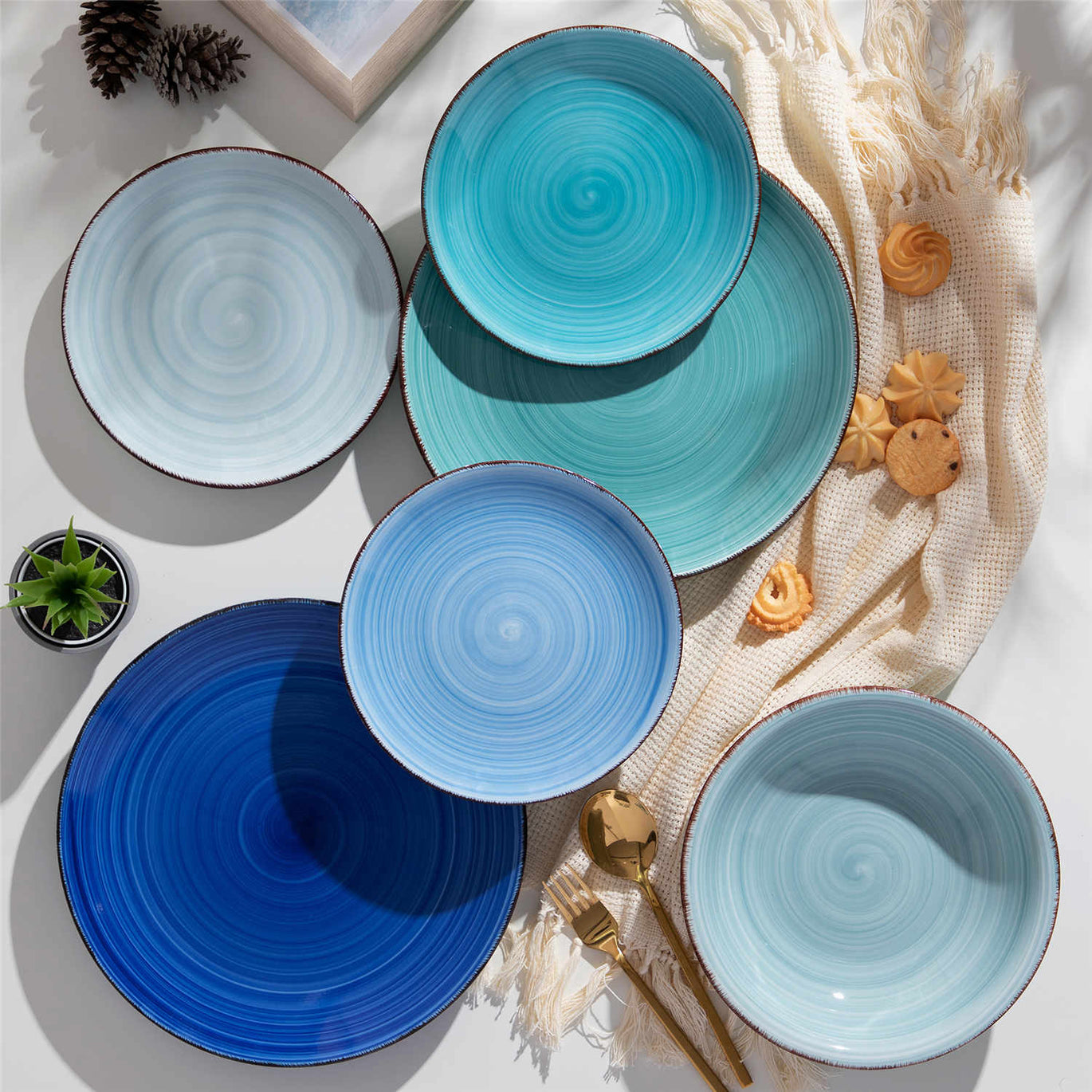


Embracing Minimalism Through a One Plate One Bowl Philosophy

Minimalism has a way of sneaking up on you the moment you open your kitchen cabinet. Stacks of plates you never use, bowls in sizes no one asked for, mismatched mugs multiplying like rabbits. Yet the meals you remember most clearly probably did not come from owning twenty dinner plates; they came from the people at the table and the way the food made you feel.
As someone who plays with color, texture, and table moods for a living, I was resistant to the idea of “owning less” in the kitchen. Colorful tableware felt like my paint box. Then my cupboards started to feel like a storage unit, and I realized I was curating more clutter than joy.
So I did something radical and oddly fun: I moved my everyday life toward a one plate one bowl philosophy. Not as an aesthetic stunt, but as a live experiment in how a simpler table might change the way I cook, eat, and connect.
This article is that experiment, translated into a practical, playful guide backed by what research actually says about minimalism, stress, and well-being. We will look at why one plate and one bowl per person can be a surprisingly powerful reset, how to do it without losing your love of color, and where the pitfalls lurk so you can sidestep them.
What “One Plate One Bowl” Really Means
One plate one bowl does not mean you own exactly two pieces of tableware for the rest of your life. It is a philosophy, not a punishment. At its heart, it is a decision to give each person in your home a primary plate and a primary bowl that handle most meals, most days.
You might still own a serving platter, a baking dish, maybe a couple of extra pieces for guests. The difference is that instead of fifteen plates silently judging you from the cabinet, there is a clear everyday “hero set” per person. Everything else becomes supporting cast, not the entire theater.
Researchers studying minimalism define the broader lifestyle as a low-consumption way of living that favors simplicity, intentional reduction of possessions, and valuing experiences over material goods. One academic study on millennials’ minimalist consumption describes it as an explicit counterpoint to excessive materialism and consumerism. That big-picture definition is exactly what one plate one bowl is doing at the very small scale of your dinner table.
You are not trying to win a minimalist contest. You are using fewer dishes as a tool to focus on what actually matters in your meals: flavor, connection, and the quiet pleasure of a table that does not scream for attention.
Minimalism, but Make It Delicious
Minimalism can sound cold or gray, especially in a culture that equates abundance with generosity. Yet psychologists quoted in sources like Kentucky Counseling Center and Modern Minimalism highlight benefits that are deeply sensory. Cluttered homes correlate with higher stress hormones and a constant, draining sense of “too much.” When people declutter, they often report calmer minds, more energy, and more presence with loved ones.
A one plate one bowl approach simply moves that same thinking to your cupboard and sink. Fewer everyday dishes can mean fewer stressful piles by the faucet, fewer decisions about “which plate tonight,” and more room to pay attention to the colors on the plate rather than the chaos around it.
Minimalism, in this sense, is not about owning the least. It is about having a clearer stage for the things that bring you the most joy. For us tabletop enthusiasts, that might be a sun-yellow plate that makes weekday eggs feel like brunch or a teal bowl that turns a simple soup into a small ceremony.
Why Less on the Table Feels Like More in Life
Minimalism shows its benefits most clearly in how you feel, not in how your kitchen looks on camera. Several sources in the research notes converge on the same pattern: less clutter, fewer distractions, and more intentional choices are linked to better mental health, more time, and even improved relationships.
Stress, Clutter, and the Calm Cupboard
Modern Minimalism summarizes research that directly links cluttered, overstuffed homes with elevated cortisol, the body’s primary stress hormone. In studies of women, more clutter was associated with higher and more prolonged cortisol levels during the day, which in turn is tied to anxiety, sleep problems, and other health issues.
That sounds dramatic until you remember how it feels to face a mountain of dishes after a long day. Every extra bowl, every unused side plate in the rotation, adds to the visual and mental noise. Minimalism advocates often say, “Clutter is not neutral,” and the data backs them up.
When you shrink your everyday tableware down to one plate and one bowl per person, you shrink the possible pile. The sink can still get full, but not in the same avalanche way. You see the end of the task. That sense of “finishable” is incredibly soothing to the nervous system.
Time, Money, and the Dishwashing Loop
Minimalism is frequently praised for its financial upside. Kentucky Counseling Center, for example, describes how cutting unnecessary purchases, selling unused items, and owning fewer things can free up money for experiences and savings. Modern Minimalism adds a time dimension: a study cited there estimates that decluttering could remove roughly forty percent of housework in the average home.
Tableware sits right in the crosshairs of both money and housework. When you default to one plate one bowl per person, several things happen at once. You buy fewer dishes, which means less money sunk into sets that chip before they truly delight you. You wash fewer items after each meal because there simply are not seven cereal bowls per person in circulation. You spend less time hunting for “the nice plates” because the nice plates are already out earning their keep.
That reclaimed time and money shows up in small but real ways. Maybe you have ten extra minutes to savor your coffee instead of scrubbing an extra pan. Maybe you finally invest in one beautifully made, durable plate that will outlast three cheap sets. Minimalism research often emphasizes quality over quantity, and tableware is a perfect place to live that out.
Space, Aesthetics, and Color That Pops
Studies summarized by Modern Minimalism paint an unflattering picture of how much stuff Americans are squeezing into their homes. Nearly half report that their homes feel cluttered, one in seven has a room that is unusable because of stored belongings, and about half estimate they have more than $1,000.00 worth of unused items at home.
Kitchen cabinets and sideboards are often part of that hidden clutter. They swallow serving pieces inherited from relatives, novelty mugs, plates that do not quite spark joy but feel too good to let go.
One plate one bowl clears visual and physical space in those cabinets. That empty shelf is not wasted; it is breathing room. And here is the twist for color lovers: when you have fewer pieces, each one matters more, visually and emotionally. A single coral plate becomes a strong design choice instead of being lost among twelve similar but slightly off hues.
Minimalism researchers talk about “contemporary aesthetics” as one of the drivers for adopting a simpler lifestyle. People are drawn to clean lines and clear surfaces. On the table, that can mean a single vivid bowl on a wood surface instead of a crowded place setting that hides the beauty of the pieces you adore.
Presence, Conversation, and the People Around the Plate
Multiple sources in the research notes, from Kentucky Counseling Center to The Minimalists, underline a common theme: minimalism is ultimately about making room for relationships, health, and growth. When you spend less time managing things, you gain more time for people.
In a one plate one bowl kitchen, there is a subtle social shift. When I sit down with my own everyday plate, there is less fuss with swapping dishes or rearranging serving pieces. The meal feels less like a performance and more like a conversation. Because cleanup is simpler, I am less tempted to rush everyone away from the table to “deal with the mess.”
There is a psychological reassurance to knowing that every plate on your shelf gets regular use and that the table is set with items chosen for both beauty and practicality. You are no longer hosting to show off dish collections. You are hosting to enjoy the people sitting in front of you.
Designing Your One Plate One Bowl Setup
Minimalism research stresses that this lifestyle is personal and flexible. There are no official rules about item counts or color palettes. The same applies to your one plate one bowl arrangement; it should fit your real eating habits and your love of color, not someone else’s checklist.
Choosing Your Hero Plate
Think of your plate as the stage for almost every performance: weeknight pasta, Sunday pancakes, a small salad, a slice of cake. In my own kitchen, I look for three things in an everyday plate: proportions, personality, and practicality.
Proportions are about size and shape. A plate around ten to eleven inches across is generous enough for most meals but not so huge that portions look lost. A gentle rim can help corral sauces without feeling like a bowl. Personality comes from color and finish. If you love bright food, a soft neutral like warm gray or creamy white can make the colors pop. If your meals skew monochrome, a vibrant glaze in turquoise or mustard can bring energy to simple ingredients.
Practicality is as unromantic and necessary as it sounds. Does the plate feel good in your hands when you carry it with one hand and a glass in the other? Does it stack well in your cabinet? Do you feel mildly anxious imagining it chip, or is it sturdy enough for real life? Minimalism experts often talk about durability and long-term usefulness; an everyday plate that survives daily life is worth far more than a delicate piece that traps you in constant fear.
The Bowl That Does Everything
If the plate is the stage, the bowl is the co-star that steals scenes. The one bowl in this philosophy pulls a lot of weight: morning yogurt, brothy soups, grain bowls, snacks, even the occasional ice cream moment.
Look for a medium capacity bowl, somewhere in that Goldilocks zone between too tiny and mixing-bowl huge. You want enough depth for soup without sloshing, but not so much volume that you accidentally serve four portions of pasta to yourself.
Shape matters for how it feels in hand. A more rounded bowl invites holding and sipping, which is lovely for cozy evenings. A slightly more open, lower bowl is perfect for layered grain bowls and salads. Texture and color are where your tabletop personality comes through. A speckled glaze in a calming color can make leftovers feel intentional. A bold rainbow band can celebrate even the most humble instant ramen.
The Supporting Cast: Cups, Utensils, and Shared Pieces
One plate one bowl does not live in isolation. It partners with a cup or mug, a fork, knife, and spoon, and a few shared pieces like a kettle or serving board. Minimalist practitioners often emphasize that minimalism is not about deprivation; it is about alignment. Your job is to align supporting pieces with your real rituals.
If you always drink tea, prioritize a mug that feels perfect in your hand over owning eight generic ones. If family style is your love language, keep one or two serving bowls that sit beautifully alongside your everyday plates. The goal is not an empty cupboard. The goal is a cupboard where everything has a clear role in your daily life.
A Quick Comparison at the Cupboard Door
A concise way to visualize the shift is to compare a typical “many dishes” cupboard with a one plate one bowl cupboard.
Aspect |
Many-Dishes Cupboard |
One Plate One Bowl Cupboard |
Daily decision-making |
Choose among many plates and bowls each meal |
Same few beloved pieces every time |
Visual impression |
Crowded stacks, mismatched items, hidden favorites |
Breathing room, hero pieces on display |
Dishwashing load |
Large pile after each meal cycle |
Smaller, predictable stack |
Emotional tone |
“I should use these more” guilt |
“Everything here earns its space” satisfaction |
Color impact |
Colors compete with each other |
Fewer colors, each one more striking |
This is not about moral superiority. It is about making your cupboard feel like a carefully composed palette instead of a junk drawer with doors.
How to Transition Without the Drama
Every minimalist expert who has actually lived this, from The Minimalists to writers summarized by Modern Minimalism, emphasizes gradual change. One author describes donating roughly seventy-five percent of her family’s possessions over years, not a single weekend. Another went from debt and shopping addiction to mindful consumption by steadily changing habits, not by instantly becoming someone else.
The same gentle approach works beautifully for one plate one bowl.
Start with observation rather than action. For a week or two, notice which plates and bowls you actually reach for. Most people use a small fraction of what they own; one minimalism writer estimates that many families regularly use about twenty percent of their belongings. In the kitchen, that might be one favorite bowl that mysteriously ends up in the sink after every meal and a plate you love enough to rinse instead of replacing.
Once you see your true favorites, create a little “front row” in your cabinet. Place one plate and one bowl per person at the easiest-to-reach level. Everything else gets moved higher up, not yet donated, just gently demoted. For a trial period, live as if those front-row items are all you have. Use them, wash them, see how often you actually miss the rest.
If after a few weeks you find yourself constantly climbing for the extras, that is useful information. Maybe your household needs one extra plate per person for flexible timing, or maybe you underestimated how often you batch-cook soup. Adjust consciously. Minimalism specialists warn against turning simplicity into a rigid game of numbers. The aim is less stress and more joy, not obeying a rule.
When you are ready to let go of some extras, borrow a strategy from general decluttering advice: sort items into what you clearly love and use, what is obviously ready to leave, and what lives in a “maybe later” box. The “maybe” pieces can move out of your kitchen and into temporary storage. If you do not miss them after a season, they are good candidates for donation or resale.
Throughout this process, remember a caution raised by both The New Yorker’s critique of “new minimalism” and writers who have tried extreme minimalism in real life. Minimalism can become stressful when it turns into a performance or a contest: owning only a hundred possessions, forcing yourself down to arbitrary numbers, or feeling guilty for every extra spoon. A one plate one bowl experiment works best when it is playful and curious, not punitive.

Pros and Cons of the One Plate One Bowl Philosophy
Every design choice carries tradeoffs. A one plate one bowl lifestyle is no exception. Research and real-world stories about minimalism can help you anticipate both the beautiful benefits and the sneaky downsides.
On the benefit side, minimalism consistently shows up in research as supportive of mental well-being when adopted intentionally. Psychologist Barbara Santini describes minimalist living as a “game-changer” for reducing stress and creating serene, orderly environments. Studies summarized by Modern Minimalism link decluttering with reduced domestic workload, improved focus, and even healthier choices, like people in tidier rooms being more likely to pick healthy snacks. Environmental studies cited there also estimate that around sixty percent of global greenhouse gas emissions trace back to the production and use of household goods and services, meaning that buying and owning less, even at the scale of dishes, is a meaningful environmental choice.
Applied to the table, one plate one bowl can cut dishwashing time, reduce visual clutter in your kitchen, and free up storage space for food rather than stacks of plates. Financially, it nudges you toward buying fewer, better pieces rather than repeated “just in case” sets. Emotionally, it can help you detach your sense of hospitality from owning enough dinnerware to feed a small hotel. You end up with a lean, colorful capsule of tableware that feels like you on your best day.
On the drawback side, several writers point out that minimalism can backfire when it becomes an obsession with having less for its own sake. One author who lived with fewer than about a hundred items in a backpack found that owning very little sometimes increased anxiety; losing a single item felt catastrophic because there was no backup. Another voice from the minimalism world describes how extreme simplicity became a self-imposed prison rather than freedom. Still others caution against the trap of “aesthetic minimalism” where clean, sparse spaces look good, but the underlying values and relationships do not change.
For one plate one bowl, that means acknowledging some real-world limits. If you love hosting large gatherings, you may still want a set of stackable side plates stored in a crate under the bed. If you have small children, you might need backup bowls for the realities of dropped dishes and surprise snacks. If you live with roommates or family members who are not on the minimalism train, forcing them into a strict dish quota can breed resentment instead of harmony.
The key is to treat one plate one bowl as a tool with settings rather than an all-or-nothing switch. You can dial it to “weekday only” and keep more variety for holidays. You can have one everyday plate and bowl plus one special-occasion set that comes out for birthdays and anniversaries. Minimalism scholars emphasize voluntary simplicity: a chosen reduction in possessions that aligns with your values. The “voluntary” part matters.

A Day in the Life with One Plate One Bowl
To make this tangible, let me walk through a typical day in my own colorful but pared-back kitchen, where each person has their go-to plate and bowl.
Morning starts with coffee in a favorite mug and breakfast in the hero bowl. Because that bowl is designed for multiple roles, it handles granola, sliced fruit, and a dollop of yogurt without feeling overstuffed. When breakfast is done, I rinse the bowl and mug right away, mostly because I know they are today’s main characters. There is no backup bowl waiting to enable procrastination.
Lunch often lands on the plate: a quickly assembled sandwich with a side of carrot ribbons or leftover roasted vegetables. The plate’s color shapes what I crave more than I expected. On a deep blue plate, green salads look dramatic and inviting. On a warm-toned plate, golden roasted potatoes feel extra cozy. When I photograph meals for clients or content, I have fewer styling choices to juggle, which paradoxically makes me more creative with garnishes and textures.
Dinner brings everything together. A stew might go back into the bowl, now teamed with a chunk of bread on the plate. A composed salad could claim the plate while the bowl holds citrus wedges or a simple dessert ready in the wings. Cleanup is straightforward. Even if I cook with multiple pots and pans, the core tableware stack stays small. The sink looks less intimidating because the usual suspects are few, familiar, and quickly handled.
What surprises me most is not the reduced dish count. It is the intimacy. Because everyone has “their” plate and bowl, setting the table feels like laying out individual canvases for the people I love. When a friend comes over, choosing which of our everyday plates to lend them is an act of quiet hospitality, like handing someone your favorite sweater instead of something from the back of the closet.

Short FAQ: Making One Plate One Bowl Work in Real Life
Is one plate one bowl realistic for families?
For many families, the exact count will flex, but the philosophy still works. Minimalist parents described in the research often found that their children played better with fewer toys and that donating large portions of clutter improved family life. The same pattern can apply to dishes. You might choose one main plate and bowl per person plus a small buffer for dropped dishes and staggered meal times. The point is to shrink your default set, not to eliminate every spare.
What about guests and holidays?
You absolutely do not need to host Thanksgiving with one plate per person in the entire house. A practical approach is to maintain a compact, stackable guest set that lives in a separate, clearly defined space, like a labeled bin on a high shelf. Day to day, you enjoy the ease of one plate one bowl. On special occasions, you bring out the extras intentionally. This aligns with minimalism’s emphasis on mindful use rather than constant, mindless availability.
Do I have to follow this forever once I start?
Minimalism research and long-term practitioners agree that this is a journey, not a fixed identity. One author who decluttered around ninety percent of his possessions later adjusted what he kept as his life circumstances changed. Treat one plate one bowl as an experiment. Try it for a season, notice how it feels, and then tweak. If life shifts and you suddenly start hosting weekly potlucks, it is perfectly minimalist to add what you genuinely need.

A Colorful Closing
Minimalism at the table is not about stripping your life down to a white bowl and a stern plate. It is about curating a small, joyful cast of pieces that let your food, your stories, and your people shine. A one plate one bowl philosophy is simply a way to turn your cupboard into a calm, creative studio instead of a chaotic prop closet.
If you are curious, start with the plate and bowl you already love most. Give them the spotlight for a while. Let research-backed minimalism handle the stress reduction, and let your own colorful style handle the delight. Fewer pieces, more presence, and a table that feels like it was set just for this moment—that is the minimalist magic worth embracing.
References
- https://pmc.ncbi.nlm.nih.gov/articles/PMC10249935/
- https://boskovic-linguistics.media.uconn.edu/wp-content/uploads/sites/2801/2019/05/PrincParamMinimalism.DikkenRevised2010Final.pdf
- https://sbmi.uth.edu/nccd/ehrusability/design/guidelines/principles/minimal.htm
- https://instituteofyou.org/10-practical-tips-to-adopt-a-minimalist-lifestyle/
- https://www.apartmenttherapy.com/seeking-simplicity-how-to-start-living-a-more-minimal-lifestyle-210936
- https://www.becomingminimalist.com/minimalism-benefits/
- https://bemorewithless.com/beginner-minimalist/
- https://www.betterup.com/blog/minimalism-tips
- https://www.breakthetwitch.com/minimalism/
- https://www.conni.me/blog/how-to-become-a-minimalist
You may also like
Stern 16 Piece Dinnerware Set
- From €67,95
€90,95- From €67,95
- Unit price
- per
-
Blue
-
Green
-
Red
-
Grey
Bonita 18 Piece Dinnerware Set
- From €56,95
€70,95- From €56,95
- Unit price
- per
-
Blue
-
Multicolor
Simi 24 Piece Dinnerware Set
- €90,95
€121,95- €90,95
- Unit price
- per
Starry 16 Piece Dinnerware Set
- €69,95
€81,95- €69,95
- Unit price
- per
-
Blue
-
Green
-
Red
-
Gradient Green