

Your daily dinnerware is more important to your health than you may imagine. Although the first thing that people consider when purchasing plates, bowls, and cups is their style and durability, the safety of the materials is equally significant. The issue of BPA (bisphenol A) in plastics has compelled a large number of individuals to find safer, non-toxic dinnerware. Lead-free dinnerware to reliable substitutes such as stoneware dinnerware and porcelain dinnerware sets, there are healthier options that do not sacrifice on beauty or functionality.
This guide will discuss what BPA is, why it is a problem, how to interpret BPA-free labels, and what materials are the safest and most sustainable for dinnerware to use at home.
What is BPA and why is it in Your Dinnerware?
BPA, or bisphenol A, is an industrial chemical that is used to produce some plastics and resins. It is usually present in polycarbonate plastics that are lightweight, shatterproof, and heatproof. These attributes saw BPA-containing plastics gain popularity in food storage containers, baby bottles, water bottles, and, indeed, certain types of dinnerware.
BPA was used by manufacturers as it produced tough, clear and cheap plastic. BPA-based dinnerware was deemed convenient, dishwasher safe, durable, and inexpensive relative to ceramic or glass. Nevertheless, studies started to indicate that BPA may leech into food and beverages, particularly when heated or scratched, posing serious health risks.

The Health Hazards of BPA Exposure: What the Science Tells Us
Exposure to BPA has been scientifically associated with various health issues. BPA is an endocrine disruptor that is capable of imitating or disrupting natural hormones in the body. This hormonal interference has been linked to:
- Reproductive problems, such as fertility problems.
- Effects on children and infants in development.
- Higher chances of obesity, diabetes, and heart disease.
- Possible associations with some cancer types.
Although regulatory bodies across the globe have imposed limitations on the use of BPA in products such as baby bottles, exposure to BPA through dinnerware and food containers remains a possibility. The risk can be increased by heating food in BPA-containing plates or microwaving plastic containers, which can speed up the leaching process. To minimize health risks, it is a good idea to replace toxic dinnerware with non-toxic ones in families.
Is BPA-Free a Safety Assurance? Decoding the Label
It is comforting to see a label on dinnerware that says BPA-free, but it does not necessarily imply that the product is entirely safe. Most manufacturers substituted BPA with other chemicals such as BPS (bisphenol S) or BPF (bisphenol F) which can be equally harmful to health.
This implies that although BPA-free dinnerware is superior to the older ones, the label does not guarantee 100 percent non-toxic safety. To be truly at peace of mind, one should prefer lead-free dinnerware that is composed of natural materials such as glass, stainless steel, stoneware dinnerware, or porcelain dinnerware sets. These materials are not based on chemical resins or plasticizers and are far safer to use in the long term.

The Ultimate Guide to Safe Dinnerware Materials: Your Best BPA-Free Alternatives
The material is the most important when purchasing dinnerware. The following is a list of the most suitable BPA-free and non-toxic dinnerware:
Porcelain Dinnerware Sets
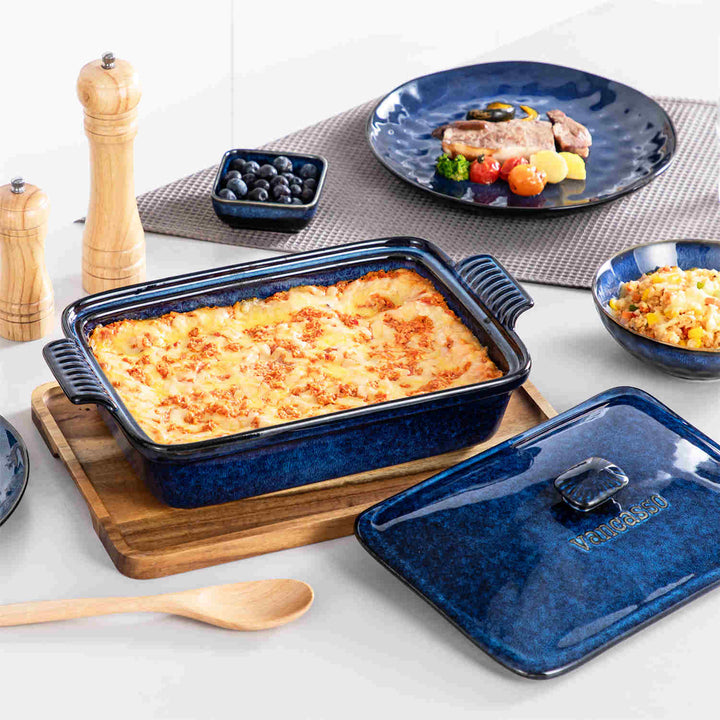
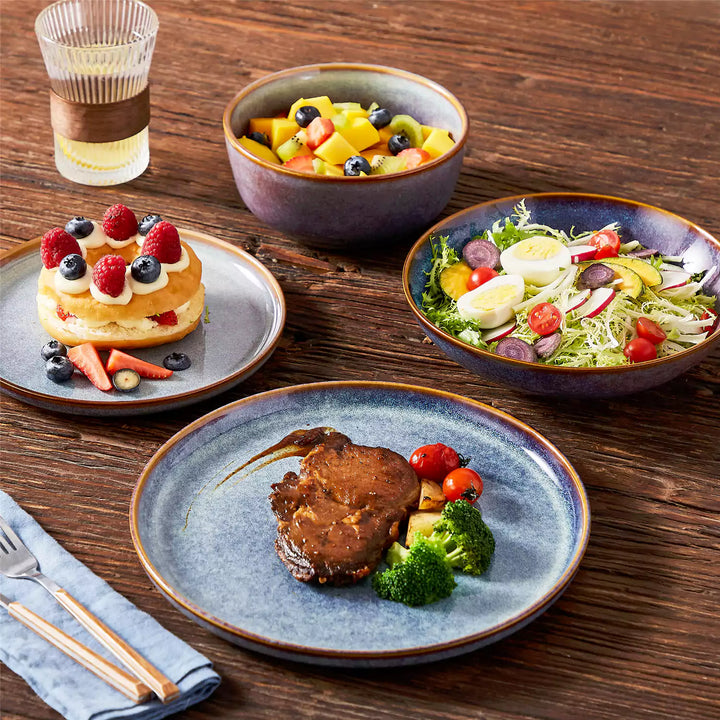
Porcelain is a strong ceramic that is fired at high temperatures, forming a smooth, non-porous surface that does not absorb flavors and bacteria. It is naturally BPA-free, lead-free when glazed correctly, and safe to use on a daily basis. Porcelain dinnerware sets are beautiful, dishwasher-safe, and durable, making them suitable for both daily meals and special events.
Stoneware Dinnerware
Another ceramic alternative is stoneware, which is thicker and more rustic than porcelain. It is naturally BPA and plastic chemical-free. The most important question that most people pose is: Is stoneware non-toxic? Yes,but only when it is marked lead-free dinnerware and is of a reputable manufacturer. Stoneware is very good at holding heat and is therefore good for serving hot food; however, it needs to be taken care of to prevent chipping.

Glass Dinnerware
Glass is a very inert material and is one of the safest. It is non-toxic, dishwasher safe, and does not react with acidic foods. Glass plates and bowls are tempered and are very strong and common.
Stainless Steel Dinnerware
Stainless steel dinnerware is lightweight, unbreakable, and free of BPA or lead, which makes it particularly kid-friendly or outdoor-friendly. It is not as elegant as porcelain, but it is very safe and durable.
Bamboo and Vegan Dinnerware
Bamboo or plant-based eco-friendly dinnerware is trendy, yet not all of them are equal. Others are combined with melamine (a form of plastic), which may leech toxic chemicals. When selecting bamboo, make sure it is certified safe and does not contain melamine binders.
How to Shop Smart and Take Care of Your BPA-Free Dinnerware
The selection of safe dinnerware is not the end of the story, you must also take care of it to ensure that it remains safe and long-lasting.
Tips for Shopping Smart
- When purchasing ceramic dinnerware, seek certifications such as lead-free and food-safe.
- Shop with well-known brands that label materials.
- When purchasing stoneware dinnerware, look to see whether it is dishwasher and microwave-safe.
Tips for Care
- Do not microwave plastic dinnerware, even when it is labeled as BPA-free.
- Rinse porcelain and stoneware using mild detergents to maintain the quality of the glaze.
- Keep dinnerware in a safe place to avoid chipping, particularly ceramics.
- Do not use scratched or broken plates and bowls, as they can contain bacteria.
Being conscious will not only prolong the life of your dinnerware but will also keep your meals free of undesirable chemical exposure.
The Long-Term Payoff: Why It Matters to Switch to BPA-Free
Switching to non-toxic dinnerware is not only about avoiding BPA, but also about investing in your health and the future of your family. The accumulation of BPA is cumulative and a single meal on a plastic plate will not harm you, but years of exposure will accumulate.
When using porcelain dinnerware sets, stoneware dinnerware, or other natural materials, you can rest assured that your dishes are safe, durable, and in many cases, more beautiful than the plastic ones. The payoff in the long term is lower health risks, improved dining experiences, and sustainable options that are more environmentally friendly.

Make the Smart Switch to BPA-Free Dinnerware Today
Your dinnerware is not merely a setting to eat your meals, but a significant component of your health. Plastics might contain BPA and other chemicals like these, but you do not have to accept unsafe alternatives. You can be sure that you are serving safe and enjoyable meals by selecting non-toxic dinnerware such as stoneware dinnerware or porcelain dinnerware sets, and by making sure that they are lead-free dinnerware.
Replacing the materials with safer ones is a long-term wellness and sustainability investment. The next time you go to buy plates and bowls, consider more than style and cost, consider safety, health and peace of mind.
FAQs about BPA-Free Dinnerware
Q1: Is Stoneware Non-Toxic?
A: Yes. Stoneware is non-toxic and naturally BPA-free. All you need to do is make sure that it is marked as lead-free dinnerware to prevent any possible problems with the glaze.
Q2: Can Porcelain Dinnerware Sets Be Used on a Daily Basis?
A: Absolutely. Porcelain is inherently BPA-free and, when lead-free, is among the safest options to use in daily meals.
Q3: Is Plastic Safe When It Is BPA-Free?
A: Not always. Although BPA-free is superior, other chemicals that are not well researched may be present in plastics. Ceramic, glass, or stainless steel dinnerware are safer options.
Q4: What Do I Do to Know Whether My Dinnerware Is Lead-Free?
A: Check labels and certifications. Do not use old or foreign ceramics that lack safety marks because they can have unsafe glazes.
Q5: Which Dinnerware Is the Safest with Children?
A: Stainless steel and tempered glass are the best choices among children as they are durable, non-toxic and totally free of BPA and lead.