





How to Roast the Perfect Christmas Turkey: A Step-by-Step Guide for Juicy Results
One of those moments in the kitchen that are both magical and daunting is roasting a Christmas turkey. It is the main dish of the table, the one that everyone recalls, and in many cases, the most stressful part of the meal. Will it be juicy? Will the skin be golden? Will it be hot when it gets to the table?
The good news is that a perfect Christmas turkey does not require any fancy chef tricks, it is all about timing, temperature, and careful presentation. When you have the proper preparation, clever roasting methods, and the assistance of quality tools such as a good bakeware set, you can be sure that you will have a tasty, tender, and well-presented turkey. This step-by-step tutorial will take you through the whole process, thawing to carving, so that you can celebrate as much as your guests do.
Prep Like a Pro: Thawing and Brining
The trick to a juicy turkey starts days before it ever enters the oven. Thawing is a must. Thawing of a frozen turkey must be done gradually in the refrigerator, and it takes approximately 24 hours per 2-2.5 kg (4-5 pounds). Hurrying this process may result in uneven cooking and dry meat.
After thawing, the only insurance policy against dryness is brining. The turkey is kept moist in the roasting process by a simple wet brine of water, salt, sugar, and aromatics. Place the bird in a refrigerator and submerge it for 12-24 hours, depending on the size. If there is limited space in the fridge, a dry brine, which involves rubbing salt and spices on the skin, is also a great option.
Once brined, rinse (with wet brine), dry the turkey thoroughly, and leave it uncovered in the refrigerator a few hours or overnight. This dries the skin and prepares it for a crisp golden finish later.

Flavor and Fat: The Secret to Crispy Skin
Delicious turkey begins beneath the skin. Lightly massage the skin around the breast and mix softened butter with herbs, garlic, and citrus zest directly onto the meat. This does not only season the turkey but also helps to prevent the drying out of the breast.
Then rub or brush the outside of the turkey with butter or oil. Remember to add a lot of salt and pepper. The fat promotes browning, and the salt draws moisture to the surface, which makes the skin crave-worthy.
When you are stuffing the cavity with aromatics, such as onion, lemon, rosemary, or thyme, make it light and loose. Over-packing inhibits airflow and retards cooking. Remember, aromatics add fragrance, not bulk.
The Roasting Schedule: Temperature and Time
Even roasting depends on consistent heat. Preheat your oven before placing the turkey in it, as this is no time to rush. Put the bird on a rack in a roasting pan or stoneware baking dish with the breast side up. A stoneware baking dish is particularly useful as it spreads the heat evenly and ensures the constant temperatures.
Roast for the initial 30 minutes at a higher temperature (220°C / 425°F) to jumpstart the browning process. Then lower the oven to 165–170°C (325–340°F) to continue the cooking period. Plan about 13-15 minutes per pound, as a rule, but never count on the clock, but on a meat thermometer.
The turkey is cooked when the thickest section of the thigh is 74°C (165°F). In case the breast browns too fast, loosely tent it with foil as the legs continue to cook.

The Most Important Process: Meat Resting
This is the step that most home cooks are tempted to omit, and it's the one that makes the greatest difference. After the turkey is out of the oven, do not be tempted to cut it at once. The juices are redistributed in the meat by resting rather than spilling on the cutting board.
Move the turkey to a warm platter or leave it in the roasting pan, loosely covered with foil and allow it to rest at least 20-30 minutes. This resting period makes all the slices juicy and tender, particularly the breast meat.
Oven to Table: Take Your Presentation to the Next Level
A well roasted turkey should be presented in a thoughtful manner. Carrying the bird out of the oven to the table is not only convenient, but it is also a part of the celebration. The difference is in the selection of the serving piece.
Christmas dinner is best served on a stoneware serving platter. Its natural heat retention will keep the turkey warm longer, allowing you time as guests arrive. Stoneware also offers a firm, solid surface, which makes it easier and safer to carve at the table.
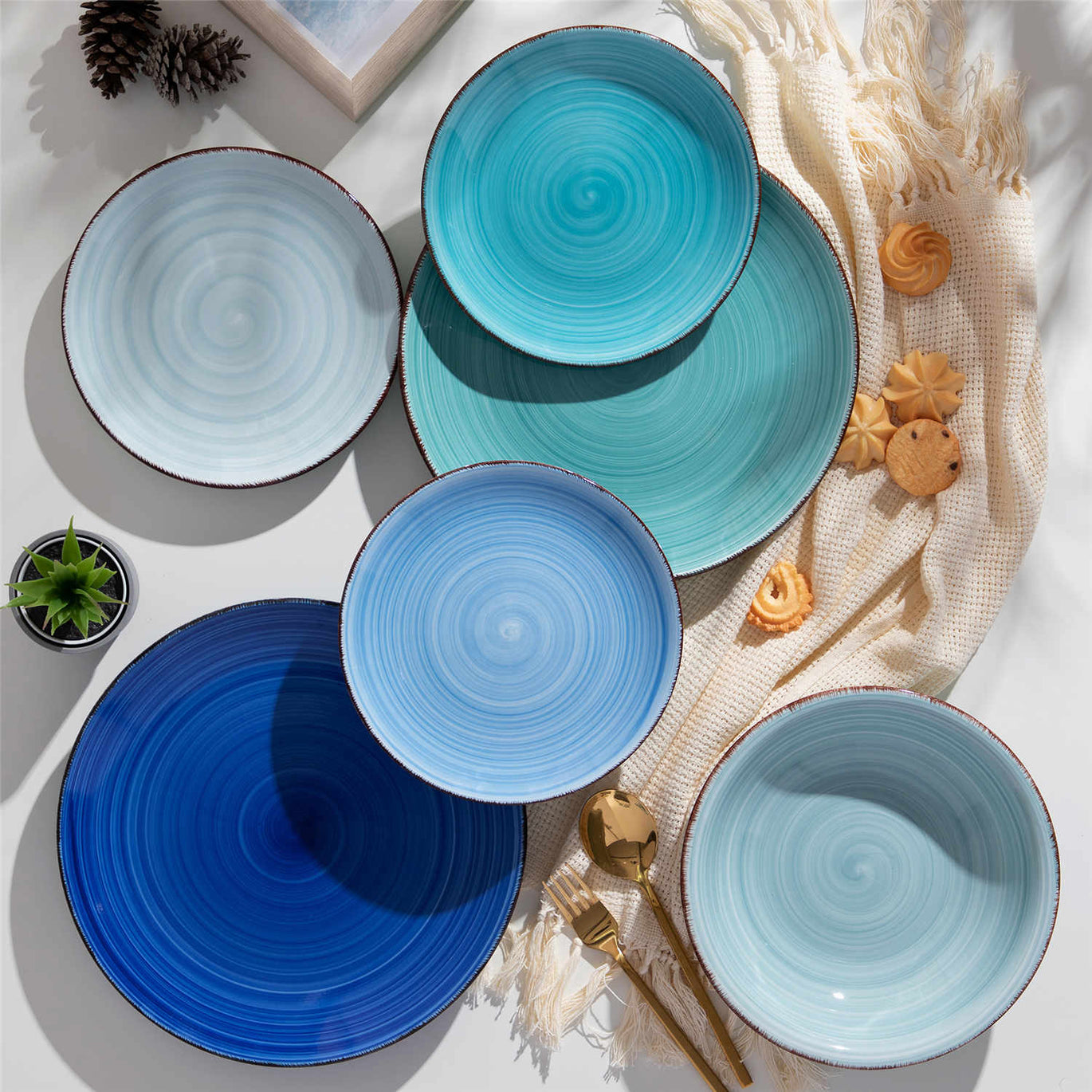
The contrast is important visually. A golden-brown turkey is beautiful on colorful or slightly patterned dinnerware sets of 12, particularly when accompanied by seasonal garnishes such as cranberries, sprigs of rosemary or slices of citrus. The outcome is a table that is purposeful, celebratory, and welcoming.

Carving and Serving with Grace
Carving does not need to be stressful. Begin by cutting off the legs and thighs, cutting through the joint. Take the drumstick off the thigh, and cut the thigh meat.
In the case of the breast, a long incision is made on one side of the breastbone and the whole breast is removed in a single piece. Cut it crosswise into equal parts. This technique preserves slices fresh and tender.
Reassemble the cut pieces on the platter, alternating light and dark meat to create a visual balance. Serve with coordinated serving dishes set pieces of sides and gravy, and maintain the table together and classy.
Keep Your Christmas Turkey Juicy and Tender from Oven to Table
From careful thawing to adequate resting, each process contributes to the making of a moist, flavorful, and memorable turkey. Reliable equipment, such as a properly selected bakeware set and heat-retaining stoneware, can be used to preserve the temperature and presentation, so that your efforts are reflected to the very end of the serving.
Preparation plus presentation makes the turkey more than a meal, it is a moment that your guests will not forget.

FAQs About Christmas Turkey
Q1: When Should I Begin Thawing My Turkey?
A: Allow 24 hours of refrigerator thawing per 2-2.5 kg (4-5 pounds). It can take up to four days to cook a large turkey.
Q2: Is Brining Really Necessary?
A: Although optional, brining is a great way to enhance moisture and flavor, particularly in lean breast meat.
Q3: Should I Roast Covered or Uncovered?
A: Roast with skin side up. Foil is only used when the turkey browns too fast.
Q4: Is It Possible to Prepare the Turkey a Day Before?
A: Yes, but to be best, it is best roasted on the day of serving. In case of cooking in advance, warm up and place on a warm stoneware dish. Cooked turkey can be safely stored in the refrigerator for 3-4 days when properly handled.
Q5: What Is the Significance of Stoneware in Serving?
A: Stoneware is also able to hold heat longer than most materials, so your turkey will be warm at the table and the overall dining experience will be better.
You may also like
Stern 16 Piece Dinnerware Set
- From €72,95
€96,95- From €72,95
- Unit price
- per
-
Blue
-
Green
-
Red
-
Grey
Bonita 18 Piece Dinnerware Set
- From €60,95
€74,95- From €60,95
- Unit price
- per
-
Blue
-
Multicolor
Simi 24 Piece Dinnerware Set
- €96,95
€129,95- €96,95
- Unit price
- per
Starry 16 Piece Dinnerware Set
- €73,95
€86,95- €73,95
- Unit price
- per
-
Blue
-
Green
-
Red
-
Gradient Green