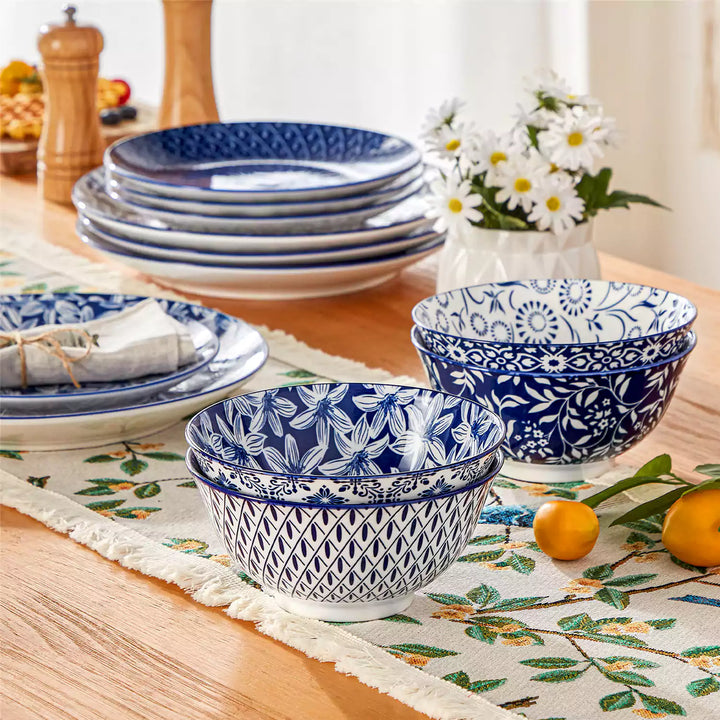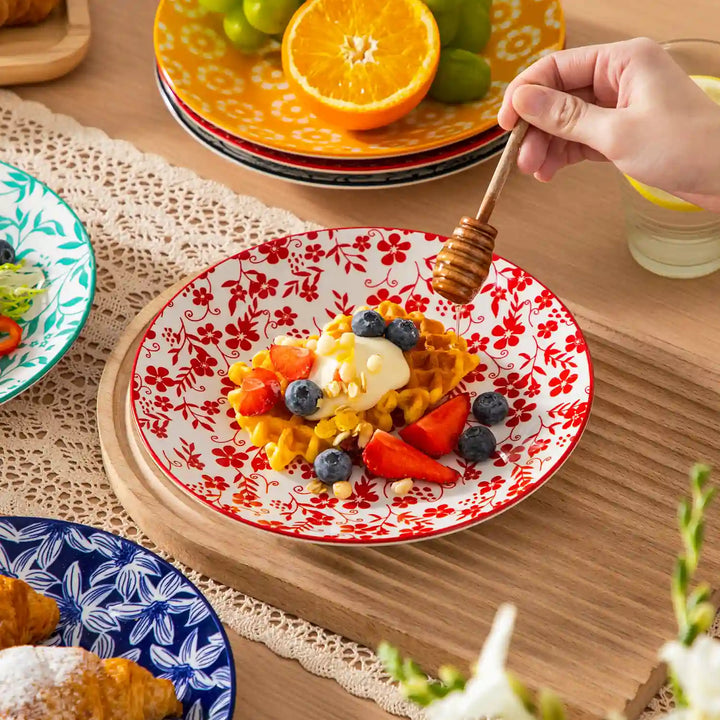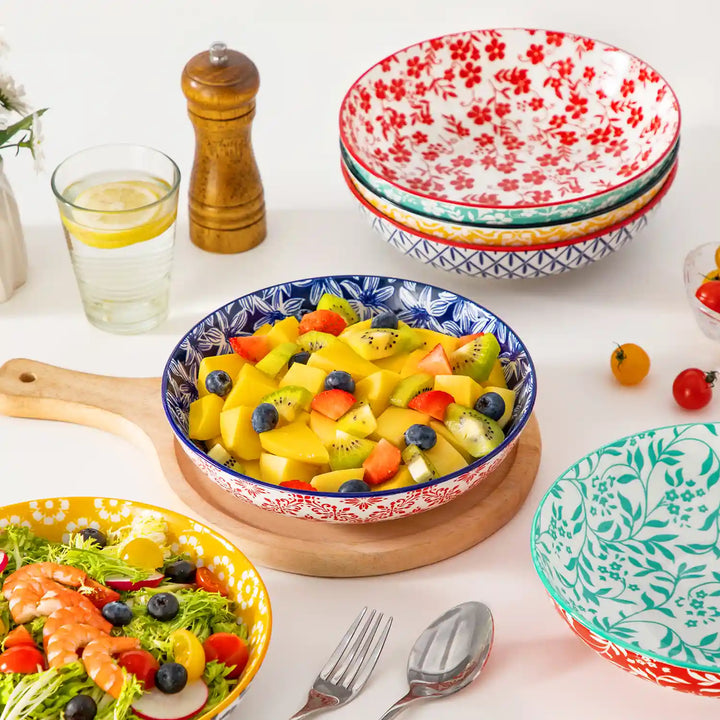


Key Takeaway: Family-style serving needs fewer pieces on the table, but each platter or bowl must be easy to pass. Buffet serving usually needs more serveware because mains, sides, sauces, bread, and desserts are spread out for self-service. For most homes, a practical serving setup starts with 1-2 main platters, 2-4 medium bowls, a few sauce bowls or dip dishes, and at least one stoneware serving platter.
Hosting gets easier when every dish has a logical place to go. The problem is that most hosts don't realize how many serving dishes they need until guests are waiting, the salad is still in a mixing bowl, and the rolls are sitting on a baking sheet.
The right answer depends on two things: guest count and serving style. Once you know whether the meal is family-style or buffet-style, choosing platters, bowls, sauce dishes, and serving pieces becomes much simpler.
Family-Style Serving vs Buffet Serving: What Changes
Family-style serving means food goes directly on the dining table. Guests pass platters and bowls around, serve themselves, and stay seated.

Buffet serving means food is placed on a sideboard, kitchen island, counter, or buffet table. Guests walk up, fill their plates, and return to the table.
| Serving Style | Best For | Serveware Priority |
|---|---|---|
| Family-style serving | 4-8 guests, cozy dinners, shared meals | Easy-to-pass platters and bowls |
| Buffet serving | 8+ guests, holidays, larger gatherings | More pieces, better spacing, clear food zones |
| Mixed serving | Casual hosting, small homes, holiday meals | Main dishes on buffet, sides on table |
The biggest difference is movement. For family-style meals, serving dishes must be comfortable to pass. For a buffet setup, passing comfort matters less, while spacing and flow matter more.
How Many Platters You Need for Mains, Sides, Bread, and Dessert
A good platter does more than hold food. It controls how easily people can serve themselves.
| Guest Count | Main Platters | Bread / Appetizer Platters | Dessert Platters |
|---|---|---|---|
| 4 guests | 1 | 0-1 | 0-1 |
| 6-8 guests | 1-2 | 1 | 1 |
| 10-12 guests | 2 | 1-2 | 1-2 |
| 12+ guests | 2-3 | 2 | 2+ |
A stoneware serving platter is especially useful because it can handle roast vegetables, sliced meat, appetizers, bread, cookies, fruit, or a shared main dish. For family-style serving, avoid oversized platters that are hard to pass. For buffet meals, larger platters can work because they stay in one place.
Serving Bowls by Guest Count and Menu Type
Serving bowls are where many hosts underestimate what they need. A meal may have one main dish, but it often has several sides: salad, roasted vegetables, potatoes, rice, fruit, or pasta salad.
A practical rule:
One main dish + two sides = at least three serving pieces.
| Guest Count | Medium Bowls | Large Serving Bowls | Notes |
|---|---|---|---|
| 4 guests | 1-2 | 1 | Good for salad plus one side |
| 6-8 guests | 2-3 | 1-2 | Better for family-style dinners |
| 10-12 guests | 3-4 | 2 | Useful for buffet setups |
| 12+ guests | 4+ | 2-3 | Separate dishes prevent crowding |
Use large serving bowls for foods people take in bigger portions, such as salad, pasta, rice, roasted vegetables, or fruit. Use medium bowls for smaller sides like green beans, potatoes, slaw, or grain salad.

For frequent hosts, a coordinated serveware set can prevent last-minute stress. You do not need a dozen pieces, but a few reliable bowls in different sizes can make the table feel organized.
Where Dip Dishes, Sauce Bowls, and Spoon Rests Fit
Small pieces matter more than people think.
Dips, sauces, olives, nuts, gravy, butter, dressing, and condiments should not take over large bowls. They need small, controlled dishes that are easy to place around the table or buffet.
Use:
- Dip dishes for hummus, salsa, olive oil, mustard, or spreads
- Sauce bowls for gravy, dressing, aioli, barbecue sauce, or chutney
- Small bowls for olives, nuts, berries, pickles, or toppings
- Spoon rests near saucy or messy dishes
For 4-6 guests, two or three small dishes are usually enough. For 8-12 guests, plan for four to six small pieces, especially if your menu includes dips, sauces, toppings, or multiple condiments.
Table Footprint: What Fits on a Dining Table vs Sideboard
Even beautiful serveware becomes a problem if it does not fit.
Family-style serving needs room on the dining table for plates, glasses, flatware, serving dishes, and elbows. If the table is small, too many large bowls can make guests uncomfortable.
A simple table rule:
If guests cannot pass food comfortably, move some dishes to a sideboard or buffet.
For a standard 4-6 person dining table, you can usually fit:
- 1 main platter
- 1 large serving bowl
- 1-2 medium bowls
- 1 small sauce bowl or dip dish
For larger meals, use a sideboard or kitchen counter for extra main platters, dessert platters, bread baskets, drink pitchers, sauce dishes, and backup serving pieces.
A buffet setup needs room between dishes. Food should move in a clear order: plates first, mains and sides next, sauces after, then dessert or drinks separately. Good spacing prevents traffic jams.

Build a Serveware Set for 4, 8, or 12 Guests
Start with the guest count you host most often.
| Guest Count | Practical Serveware Set |
|---|---|
| 4 guests | 1 main platter, 1 large bowl, 1 medium bowl, 1-2 sauce bowls |
| 8 guests | 1-2 platters, 2 large bowls, 2 medium bowls, 3-4 small dishes |
| 12 guests | 2-3 platters, 3 large bowls, 3-4 medium bowls, 4-6 sauce or dip bowls |
For a small household, a basic serveware set should be flexible enough for dinner, snacks, appetizers, and holidays. For frequent hosts, it helps to own:
- 1 stoneware serving platter
- 1 large salad or pasta serving bowl
- 2 medium side bowls
- 2-4 small sauce bowls
- 1 dessert or appetizer platter
vancasso stoneware serving pieces fit naturally into this kind of setup because coordinated platters and bowls can move from everyday meals to casual hosting without looking too formal. Dishwasher-safe, microwave-safe, and chip-resistant designs also make them practical for real home use, not just special occasions.
Common Hosting Mistakes That Slow Down Serving
Having the right serveware is only half the battle; knowing how to use it prevents small problems from becoming awkward moments.
Common mistakes include:
- Putting every dish on the dining table when there is not enough room
- Using one oversized bowl for a side that needs to be passed
- Forgetting small sauce dishes for dressings, dips, or gravy
- Serving bread, appetizers, or dessert with no dedicated platter
- Placing buffet dishes too close together
- Using bowls that are too deep for foods that need tongs
- Forgetting serving spoons or spoon rests
- Choosing pieces that look good but are hard to lift when full
For family-style meals, check whether each dish can be passed comfortably.
Pro tip: If a serving dish feels too heavy to pass comfortably, it is probably too large for family-style serving. Split the food into two medium bowls instead.
For buffet meals, check whether guests can move from plates to mains, sides, and sauces without crossing back and forth.
So, How Many Platters and Bowls Do You Really Need
For most homes, start with:
- 1 stoneware serving platter
- 1 large serving bowl
- 2 medium bowls
- 2-4 sauce bowls or dip dishes
- 1 extra platter for bread, appetizers, or dessert
This covers everyday hosting, family-style dinners, and small buffet setups without overcrowding your cabinets.
If you host 10 or more guests often, add a second main platter, another large bowl, and extra small dishes for sauces and toppings.
The goal is not to own the largest serveware collection. It is to own the pieces that help food move easily from kitchen to table.

Final Thoughts
Family-style and buffet serving need different kinds of planning.
For family-style meals, focus on passable platters, comfortable bowls, and fewer pieces on the table. For buffet serving, use more serveware, clearer spacing, and separate dishes for mains, sides, sauces, bread, and dessert.
If you are building your collection from scratch, start small with a versatile foundational set. You can always add more stoneware pieces and specialized bowls as your guest list grows and your hosting style evolves.
FAQs
Q1: What Is the Difference Between Family-Style and Buffet Serving
Family-style serving places food on the dining table for guests to pass. Buffet serving places food on a counter, island, or sideboard so guests serve themselves.
Q2: How Many Serving Platters Do I Need for 8 Guests
For 8 guests, plan for 1-2 serving platters: one for the main dish and one for bread, appetizers, dessert, or a second entree.
Q3: How Many Serving Bowls Do I Need for a Dinner Party
For 6-8 guests, 2 large bowls and 2 medium bowls usually work well. Add more if you serve several sides, salads, or buffet-style dishes.
Q4: What Should Be Included in a Serveware Set
A practical serveware set usually includes a main platter, large serving bowl, medium bowls, small sauce bowls, and a few dip dishes.
Q5: Is Stoneware Good for Serving Dishes
Yes. Stoneware serving dishes are sturdy, table-ready, and useful for family-style meals, appetizers, sides, and holiday hosting.