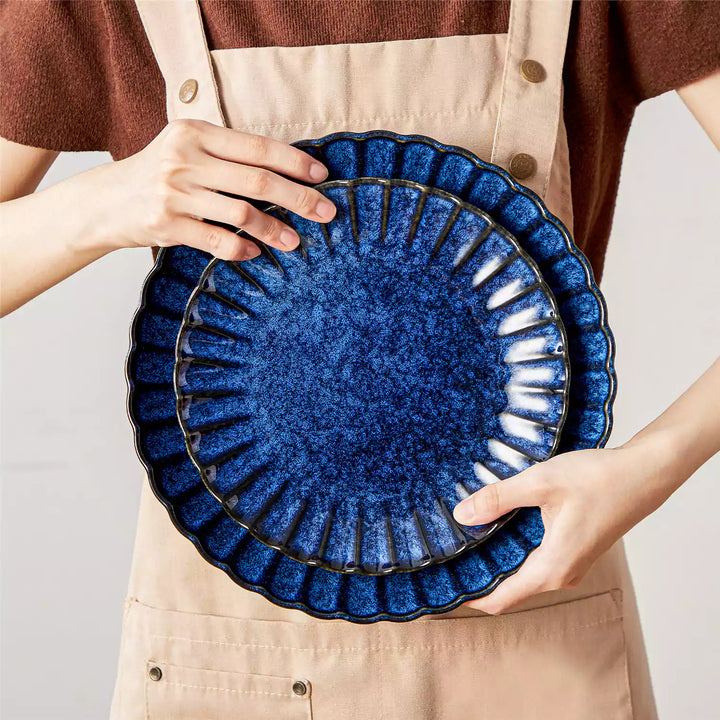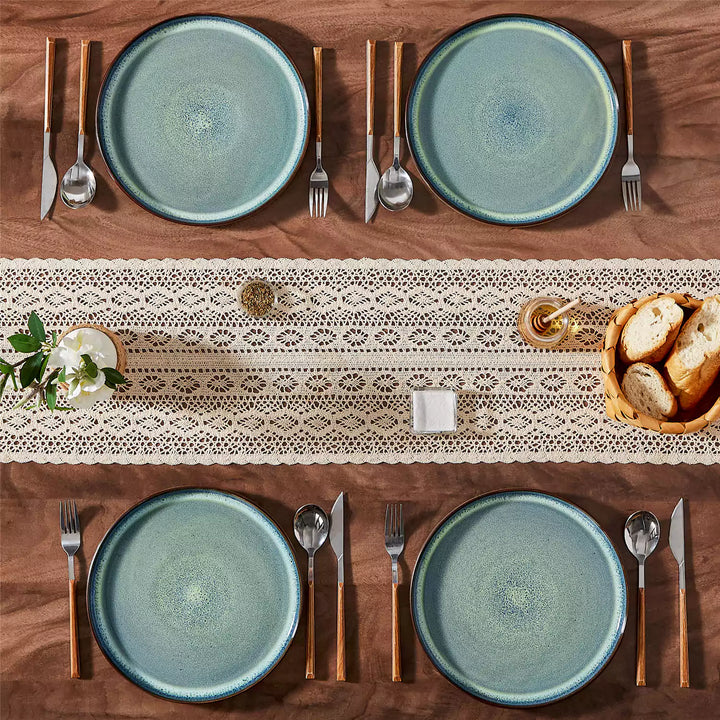


While ceramic dinnerware is an elegant addition to a dining table, the unfinished ring on the bottom of some pieces can cause an unexpected furniture-care challenge. Unglazed ceramic foot rings are often slightly rough or porous, which means they may hold fine grit or moisture that can leave marks on wood, stone, glass, or laminate surfaces. Fortunately, you typically don't have to change the dinnerware to avoid this damage.
By cleaning carefully, drying thoroughly and installing a removable barrier between the foot ring and tabletop, you can minimize friction and prevent damage to your furniture. Whether you use stoneware dinner plates, ceramic plates, or other dinnerware plates, always check the care instructions provided for both the table and the dinnerware.
Why Unglazed Foot Rings Can Mark a Table
The underside of a ceramic plate may be left unglazed so the piece sits securely during manufacturing and use. But sometimes, this rough ceramic surface can be more noticeable than the glazed surface. When the plate is moved over a tabletop, small pieces of food, dust or grit that get under the foot ring can act as an abrasive. Sliding repeatedly can cause fine scratches, dulling or scuffing, especially on softer wood finishes and polished stone. Moisture may also be a problem if the unglazed surface is still moist after washing. The foot ring itself is not necessarily defective, but its interaction with a sensitive tabletop should be considered.
Inspect and Clean the Plate Bottom
Before placing dinnerware on a valuable table, turn each piece over and inspect the foot ring. Check for any visible grit, dried food particles, rough debris or anything stuck to the unglazed ceramic. The aim of cleaning is to remove contaminants, not to alter the surface of the ceramic. Wash the underside according to the manufacturer's instructions and use a soft, non-abrasive cleaning method when appropriate. Pay particular attention to grit removal because even a tiny particle trapped beneath a plate can increase friction when the plate is moved
Don't try to "smooth" a rough foot ring by rubbing it. Do not sand, scrape, grind, or otherwise alter the underside of ceramic plates unless the dinnerware manufacturer specifically approves that method. Abrasive modification may cause damage to the piece and can impact the use or longevity of the piece.
Dry Dinnerware Completely Before Setting the Table
One of the easiest methods to minimize issues with an unglazed ceramic foot ring is to complete drying. Wash and let the plate and the bottom of the plate dry completely before setting it on a wooden or stone tabletop. Water may react with certain furniture finishes and can also cause residue or particles to stick to the foot ring.
When washing plates for dinner, dry the bottom of the plate with a clean, soft towel, particularly around the foot ring. If the dinnerware is dishwasher safe, follow the manufacturer's drying and handling directions; don't assume that every piece of the plate is dry right after the cycle. When setting the table, make sure the plate and table are clean and dry.
Select Cork, Felt, Silicone or Table Linens
A removable barrier can be added to the dinnerware without making it permanent. Use cork, felt or silicone that is safe for food to keep an unfinished foot ring away from a delicate tabletop. Choose a material that is clean, stable, and suitable for the way you use the dinnerware. Do not use barriers that release fibers, absorb moisture or move around when plates are used.
Another easy way is to use table linens. Placemats, tablecloths, and runners can help to establish a barrier and prevent furniture from being scratched, stained, or damaged by heat. If the table is made of valuable wood or stone, it is usually better to use a removable protective layer rather than alter the dinnerware.

Protection Tips for Wood, Stone, Glass, and Laminate
Different tabletop materials require different approaches. Wood can be particularly sensitive to moisture, friction, and scratches, so keep both the tabletop and foot rings clean and dry and use suitable placemats or barriers when needed. Different stone surfaces have different porosity, surface finishes and resistance to scratching, so use a stone manufacturer's care recommendation and not a generic stone cleaner or protective product.
Some wood finishes may not be as waterproof as glass tables, but can still be scratched by the grit under the ceramic. Cleaning the foot ring and using a soft removable barrier will help. Laminate is generally designed for everyday use, but abrasive particles can still damage its finish. Before choosing cleaning products, pads, or protective materials, consult the table manufacturer's guidelines, regardless of the material.
What Not to Apply Directly to Dinnerware
Don't apply a product that hasn't been approved to food contact dinnerware to protect furniture. Do not sand, seal, paint, varnish or permanently coat an unglazed foot ring unless recommended and approved by the dinnerware manufacturer. A product that is safe for furniture may not be appropriate for an item that comes into contact with food, washing water, or high temperatures.
This is particularly important for glazed stoneware, as the final surface and the manufacturer's care guidelines are a design feature of the product. If a foot ring seems unusually rough, damaged, or prone to shedding particles, contact the manufacturer rather than attempting a permanent repair yourself.

Conclusion
Protecting a table from unglazed ceramic foot rings is mainly about controlling grit, moisture, and friction rather than altering the dinnerware. Clean the underside carefully, dry it completely, keep the tabletop clean, and use removable cork, felt, silicone, or table linens when additional separation is helpful.
Most importantly, follow manufacturer guidance for both your stoneware dinner plates and your table. With these simple precautions, you can enjoy everyday ceramic dinnerware while helping preserve the finish and appearance of your furniture.
When choosing new dinnerware plates, explore vancasso for thoughtfully designed ceramic and stoneware collections made for stylish everyday dining. Discover a dinnerware set that complements your table while fitting naturally into your daily routine.
FAQs about Wood and Stone Tables Protecting
Q1: Will an Unglazed Ceramic Foot Ring Scratch Wood?
Yes. The ceramic cannot harm the wood during normal installation, but if there is any grit under the ceramic or repeated movement, it can scratch some wood finishes.
Q2: Should I Sand a Rough Ceramic Foot Ring?
No. Never sand or alter a dinnerware foot ring unless the manufacturer has specifically stated that it is allowed. Instead, use cleaning and removable protective barriers.

Q3: Is Felt Suitable Between Ceramic Plates and a Table?
A clean, stable felt barrier can help minimize direct contact, as long as it does not retain moisture or shed material. Use the care instructions specific to your tabletop.
Q4: Should Glazed Plates Be Protected as Well?
Glazing doesn't solve all furniture-care issues. The bottom of the plate may also have an unglazed foot ring, so check the whole bottom of the plate.