



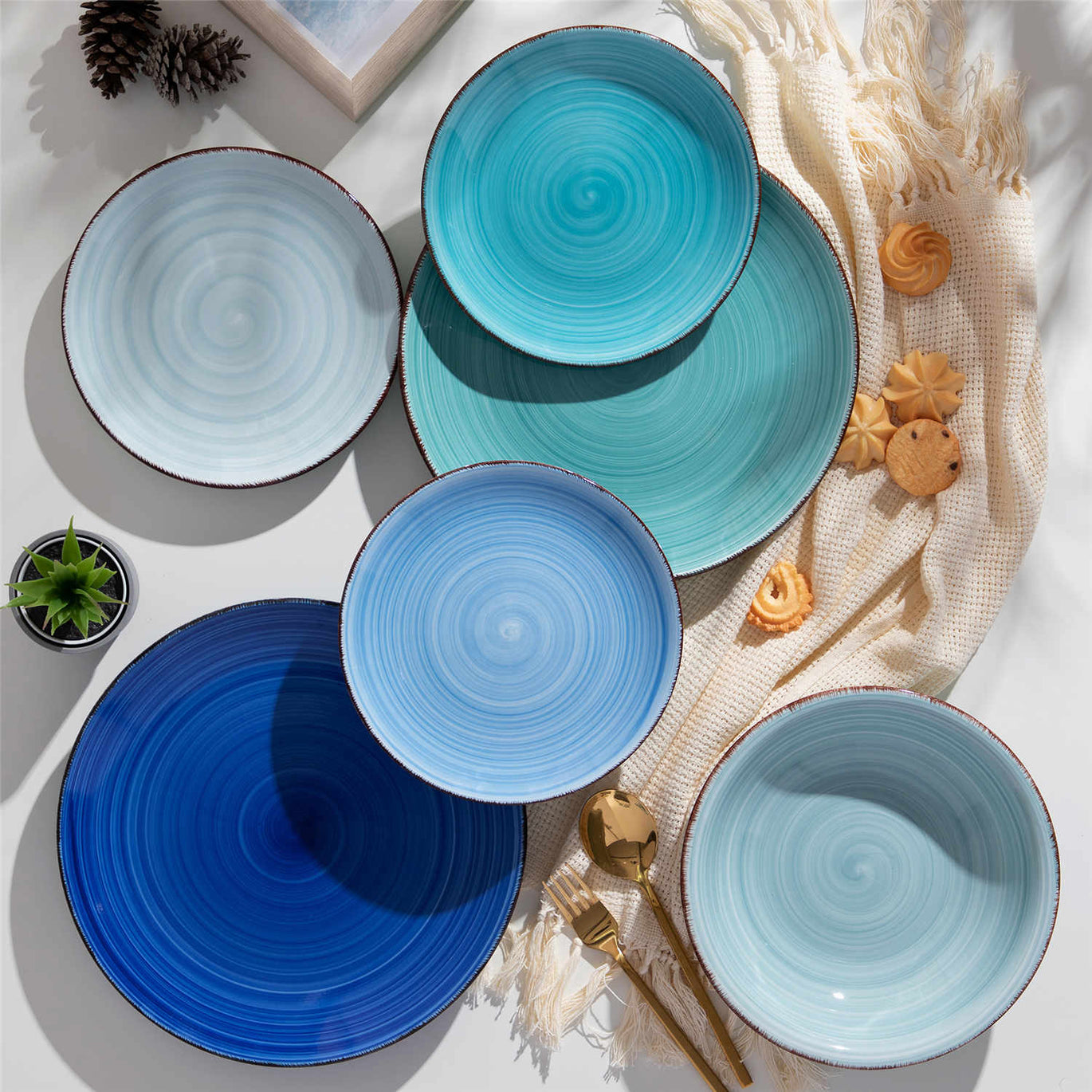


Building Responsibility in Children Through Ceramic Dinnerware Usage

Ceramic dinnerware might look like a simple styling choice, but in a child’s world, that colorful bowl or tiny mug can be a quiet superpower. It can teach care in little hands, responsibility at the table, and even environmental awareness, all while making peas and pasta look like art.
Drawing on Montessori classrooms, clay studios, family dinner research, and children’s tableware experts, this article explores how real ceramic pieces help children grow up capable, considerate, and confident—and how you can bring that magic to your own table in a practical, playful way.
Why the Humble Plate Is a Big Deal
Responsibility rarely shows up as a dramatic moment. It sneaks in through small, repeated rituals: setting a placemat, carrying a plate, rinsing a cup. The Family Dinner Project describes family dinner as one of the simplest daily structures for teaching responsibility and life skills such as follow-through, planning, and contributing to others’ well-being. The table becomes a training ground for “adulting” long before a child has to pay a bill or manage a schedule.
Montessori educators see the same thing. In Montessori classrooms, lunchtime and snack time are designed as “practical life” experiences. At Greenspring Montessori School, their “Beautiful Meal” routine invites children to empty food from lunch containers onto real plates and bowls instead of eating straight from plastic packaging. This small change transforms a rushed, on-the-go moment into something that feels closer to a family meal at home. Children practice scooping, pouring, passing, and wiping in real time, using real dishes.
When food stays in squeeze pouches and segmented plastic boxes, adults enjoy convenience—but teachers observe that children miss countless chances to practice basic table skills. They struggle more with utensils, they handle fewer materials that require care, and they are less involved in cleanup. In other words, the less they touch, the less they learn.
Choosing ceramic dinnerware for children is not only about aesthetics. It is about deciding that the table is a place where kids are trusted with real tools, real materials, and real responsibility.

What Ceramic Brings to the Table
Ceramic dinnerware is not the only responsible option, and sometimes it is not the best first step. Stainless steel, silicone, bamboo, and even tough plastics have a role. But ceramic has a unique combination of material honesty, sensory richness, and everyday beauty that makes it especially powerful for teaching responsibility.
Safer, More Honest Materials
Several children’s health and tableware experts highlight the safety gap between certain plastics and well-made ceramic or porcelain. Articles from Malacasa and BabyCutlery point out that some plastic plates can contain chemicals such as BPA and related compounds that may leach into food, especially when heated. Wildini, a children’s mug brand, notes that even BPA-free plastics are not automatically safe, citing research showing that common BPA replacements like BPS may also disrupt endocrine function.
By contrast, porcelain and ceramic made from natural clay and fired at high temperatures form a dense, non-porous surface that does not absorb flavors or odors and does not leach chemicals when glazed and manufactured correctly. BabyCutlery emphasizes that high-quality children’s ceramic plates are specifically designed with lead-free, food-safe glazes and non-toxic materials. Wildini also recommends choosing ceramic products that meet strict safety standards such as FDA compliance and California Proposition 65 guidelines.
This is where responsibility runs both ways. Adults are responsible for choosing ceramics that are certified lead-free and food-safe, checking labels and product descriptions rather than assuming that all ceramics are equal. Poorly made ceramics, especially those with unknown, colorful decorative glazes, can leach lead and other heavy metals, and BabyCutlery warns that these can cause serious health effects for children. When adults select well-tested ceramic, children get to experience an honest material: something that feels cool and solid, holds temperature well, and does its job without hidden chemical drama.
Weight, Fragility, and the Art of Care
In a world of unbreakable plastic, children learn a subtle lesson: you can drop, toss, and abandon objects without consequence. The Curiosity Approach and Montessori writers at Rhyme & Reason Academy argue that this “plastic world” teaches disposability, not care. Maria Montessori herself wrote that when children’s environments are designed to hide their clumsiness with unbreakable furniture and materials, their mistakes remain invisible and uncorrected.
Glass, porcelain, and ceramic flip that script. Rhyme & Reason Academy describes a preschool classroom filled with crystal vases, miniature porcelain pitchers, and ceramic dishes. At the beginning of the year, something might break about once a week. Children watch the natural consequence unfold: the sound of shattering, the pause in activity, the calm cleanup. They quickly internalize that these objects are fragile and precious.
Montessori called delicate glass and china “denouncers” of rough, disorderly movements. When a child rushes, knocks over a bowl, and sees it break, the environment itself delivers the lesson more clearly than a hundred reminders to “walk carefully.” Over time, the breakage rate drops sharply. By mid-year, broken glass becomes rare because children have learned to slow down, use two hands, and think ahead.
Ceramic dinnerware at home works the same way when it is introduced thoughtfully. A child holding a solid ceramic mug or plate automatically moves differently than with a plastic one. The weight, temperature, and vulnerability of the object invite a more deliberate grip and greater focus. That is the heart of responsibility: internalizing that “what I do has real effects” and adjusting behavior accordingly.
Color, Texture, and the Mood of the Meal
Responsibility does not have to be stern or colorless. Ceramic tableware is a playground for the senses, which makes responsibility feel less like a lecture and more like an invitation.
Ceramic tableware makers such as Saje Rose describe how ceramics keep hot foods warm and cool foods refreshing for longer, making eating more comfortable and unrushed. Malacasa highlights that bright colors, fun shapes, and creative plating can actually increase children’s willingness to try new foods. When a deep, glossy bowl makes soup look like a tiny treasure chest, a child is more likely to lean in and have a taste.
Kid-friendly dinnerware brands like Joyye emphasize deep rims, playful patterns, and compartment options that help toddlers contain messes while still feeling “grown up.” Ceramic mugs designed specifically for children, like the BittyMugs described by Wildini, feature thick rims and friendly graphics that make them feel like personal, treasured objects. The more a child loves the look and feel of their dish, the more likely they are to treat it carefully.
Sensory appeal and responsibility are not opposites. The sensory richness of ceramic—its smooth glaze, subtle weight, and satisfying clink—creates a small ritual around eating and drinking. That ritual becomes fertile ground for habits of care, patience, and gratitude.

Responsibility Skills That Grow Around Ceramic Dinnerware
Ceramic dinnerware does not magically make children responsible, of course. It is the way we invite them to use it that matters. When ceramic plates and mugs are woven into daily routines, a cluster of responsibility skills starts to grow.
Self-Control and Natural Consequences
Montessori classrooms show how powerfully natural consequences teach self-regulation. At Rhyme & Reason Academy, when a child breaks a glass, there is a clear, practiced response. The child raises their hands and announces, “I broke glass.” An adult guides the child away while they sweep, vacuum, or mop, and then everyone returns to daily life. There is no shaming monologue. The broken object has already communicated the lesson.
Children quickly begin to think ahead. They wonder whether they should carry fewer dishes at once, avoid setting cups near the edge of the table, or use two hands for a heavy tray. This is higher-level cause-and-effect thinking based on direct experience, not just rule-following. Montessori educators and The Curiosity Approach both argue that this kind of risk is not something to eliminate, but something to manage thoughtfully.
Ceramic dinnerware at home offers the same opportunity. When a child learns that their mug can chip if they bang it on the sink, or that a plate will break if thrown to the floor, they gain an embodied understanding of why gentle movements matter. Adults can reinforce the lesson by staying calm, cleaning up safely, and treating the breakage as part of learning rather than a catastrophe.
Independence in Everyday Tasks
Responsibility is not just about avoiding breakage. It is about contributing to shared work. The Family Dinner Project encourages families to assign age-appropriate dinner jobs: folding napkins, washing produce, setting dishes, pouring water, clearing the table. VoxClara Family describes a home “bussing station” where children place their used dishes in a bin that they themselves can later wash out in the sink.
Dishwashing guides from Greenlight and other parenting resources show how even washing dishes can become a skill-building activity rather than a dreaded chore. By around six to eight years old, many children can safely reach the sink with a step stool, understand the basics of hot water safety, and learn a simple washing sequence. One step-by-step guide suggests beginning with the least dirty items like glasses and bowls, then moving to plates and finally to heavily soiled pots and pans that may need soaking. This sequence helps children see that tasks have logic and structure, which is a core aspect of responsibility.
Ceramic dinnerware fits beautifully into these routines because it invites more careful handling at every stage. Setting a ceramic plate requires two hands and a bit of focus. Rinsing a ceramic mug encourages a child to watch their grip and angle. Drying and putting away ceramic dishes rewards slower, more deliberate movements. For older kids, taking responsibility for “their” ceramic mug or bowl—making sure it is washed, dried, and back on its shelf—feels like an age-appropriate, tangible contribution.
Ownership, Pride, and Emotional Growth
Clay and ceramic work add another powerful layer: ownership. Lakeside Pottery and The Ceramic School describe how children’s experiences in clay studios support their emotional and cognitive development. When kids squish, pinch, roll, and shape clay, they strengthen fine motor skills and hand–eye coordination. More importantly, they see that their actions change the material in lasting ways. They plan forms, adjust designs when a tree sculpture leans or a bowl threatens to flop, and learn to respect “rules” such as slipping and scoring to make joints strong.
Clay’s forgiving nature—where a collapsed wall can be rebuilt—teaches resilience. Children who fear failure slowly discover that mistakes can be fixed. Finished pieces, especially functional ones like mugs or bowls, become high-value objects in their emotional landscape. Lakeside Pottery notes that parents often keep their children’s pottery pieces for years, long after other school projects have faded away.
When those handmade pieces enter daily life as real dinnerware, the responsibility multiplies. A child who helped create a cereal bowl or painted a ceramic plate is far more motivated to treat it well, wash it carefully, and place it gently back on the shelf. Wildini describes how children as young as two can learn to handle ceramic mugs responsibly, turning them into beloved personal objects. That sense of “this is mine and I care for it” is one of the most powerful forms of responsibility you can cultivate.
Choosing Child-Friendly Ceramic Dinnerware
Not all ceramic dinnerware is equally suitable for children, and not every child is ready for the same kind of dish at the same time. Thoughtful selection is part of the responsibility lesson.
Safety First: Glazes, Certifications, and Quality
BabyCutlery defines children’s ceramic plates as smaller, high-fired ceramic dishes with smooth, rounded edges and lead-free, non-toxic glazes. Safety hinges on materials. Parents are urged to look for clear labeling that plates are lead-free and use food-safe glazes that avoid heavy metals like lead and cadmium. Malacasa echoes this, explaining that porcelain’s dense, non-porous surface is safe and scratch-resistant when fired and glazed properly.
Wildini goes further, recommending ceramics tested to meet FDA standards and California’s stringent Proposition 65 limits on heavy metals. This extra level of testing is especially important for products intended for hot liquids, since heat can accelerate any potential leaching in poorly made pieces.
Design details also matter. BabyCutlery notes that many child-focused ceramic plates use thicker walls, reinforced blends, and sometimes silicone rings on the base to reduce shattering and slipping. Heavier weight is a trade-off: it helps plates stay put on the table but can be challenging for very young toddlers to carry. Parents are encouraged to inspect ceramic dishes regularly for chips, cracks, or scratched glazes, since damaged areas can harbor bacteria or present sharp edges.
Quality ceramics often justify a higher upfront cost because they last much longer than cheap plastic plates, which tend to crack, fade, and accumulate scratches that are hard to clean. In that sense, choosing safe, durable ceramic is both a responsibility to your child’s health and to your household budget.
Ceramic, Steel, and Plastic: A Quick Comparison
Ceramic is not the only material that can support responsible habits. Stainless steel and high-quality plastics also have their place, especially when you are balancing breakage concerns with developmental goals. Based on guidance from Joyye, BabyCutlery, Wildini, and other tableware specialists, here is a simplified comparison:
Material |
Safety and Health |
Durability and Breakage |
Responsibility Learning Potential |
Typical Best Uses |
Ceramic/Porcelain |
Non-porous and inert when lead-free and food-safe; does not leach chemicals |
Can chip or shatter if dropped; many child designs use thicker walls |
High, because fragility encourages careful handling and mindful movements |
Home meals at the table, supervised snacks, special “grown-up” feeling |
Stainless steel |
Naturally free from BPA, phthalates, and lead; non-porous and odor resistant |
Virtually indestructible, lightweight, resists scratches and warping |
Moderate, since it is tough but still “real” and often heavier than plastic |
Travel, lunchboxes, rough play, early self-feeding |
Plastic/Melamine |
Varies widely; some are BPA- and phthalate-free, but concerns about leaching remain, especially when heated or with acidic foods |
Highly break-resistant but can crack, scratch, or warp over time |
Lower, because unbreakability reduces natural consequences and care cues |
School cafeterias, special-needs settings, situations with high drop risk |
Melamine deserves a special note. Articles about kids’ tableware and a Facebook post from a special-needs classroom both describe melamine plates as a pragmatic option when the risk of breakage is very high. Melamine is durable, but some sources caution against using it for very hot or acidic foods, especially in microwaves. It can still play a role when safety or institutional rules require “unbreakable” dishes, as long as adults are mindful about how and when it is used.
Matching Material to Age and Stage
Different ages bring different needs and levels of readiness. BabyCutlery suggests that from around six months to three years old, stainless steel plates often make the most sense because they are light, non-toxic, virtually indestructible, and easy to clean. During this stage, children are still dropping dishes frequently and may lack the motor control to manage heavier ceramic safely.
Between three and five years old, BabyCutlery notes that most children can handle either sturdy ceramic or steel, especially if they are seated at the table and closely supervised. Montessori-inspired homes often introduce real glass or ceramic cups and plates quite early, sometimes in toddlerhood, but they usually start with seated use at the table and smaller, heavier pieces that are easier for little hands to manage. The Montessori teacher at Rhyme & Reason Academy reports that her almost three-year-old has used glass at home with only a few breakages.
Beyond about five years old, children are generally capable of using ceramic plates and mugs for most home meals, while stainless steel remains the star for lunchboxes, camping, and picnics. Wildini’s child-sized ceramic mugs are designed for roughly ages two to six, showing that with guidance, even very young kids can handle real ceramic drinkware.
The goal is not to race toward ceramic as a badge of achievement, but to notice when a child is ready for a slightly more fragile, more “grown-up” material that asks for care—and then to offer it with clear, calm support.

Turning Ceramic into a Responsibility Ritual
Choosing ceramic dinnerware is just the first step. The magic happens when you build simple, repeatable rituals around those plates and mugs, weaving responsibility into the rhythm of your day.
Preparing a “Beautiful Meal” at Home
Greenspring Montessori’s “Beautiful Meal” offers a wonderful template. Instead of handing a child a closed lunchbox and letting them pick bites from compartments, invite them into a short, intentional setup routine. Even at home, this could look like placing a small child-sized plate and cup at their seat, laying a cloth placemat, and transferring food from containers or pans to the plate together.
Each element is a tiny skill lesson: placing a plate in the center of a placemat, scooping pasta without spilling, adding a few vegetables from a serving bowl, pouring a small amount of water. Montessori homes often use fabric placemats that children learn to roll and unroll, another small moment of care for their environment described by VoxClara Family. These little rituals build muscle memory and a sense of “this is how we treat our table.”
If you have space, consider a low shelf or cabinet where your child’s ceramic dishes live. Child-accessible storage sends a powerful message: this is your responsibility zone. You can fetch your own plate, carry it carefully, and set your own spot. When the meal ends, you can bring the same plate back to the “bussing station,” whether that is a bin on the counter or a spot near the sink.
Caring for Dishes: Washing, Drying, and Putting Away
After the meal, ceramic dinnerware becomes the star of the cleanup show. Dishwashing guides from Greenlight emphasize that washing dishes can be more than basic hygiene; it can be a responsibility and life-skills lesson. Children start by helping rinse, then move to washing simpler items, and gradually handle more complex pans and delicate pieces as confidence grows.
One Quora-based guide suggests creating a safe work zone around the sink: a step stool so the child can reach comfortably, towels on the floor to catch splashes, and sharp knives removed from the immediate area. The sequence matters too. Start with less dirty items such as glasses and small bowls, move to plates, and save the greasiest pans for last, possibly after soaking. Warm, soapy water plus a sponge, clean rinse water, and a designated drying rack give the process clear structure.
Ceramic dishes demand just enough extra care—no clanging against the sink, no tossing into the rack—that the child must pay attention. Drying each plate or mug with a clean towel, then putting it in its proper place, completes the loop from “I used this” to “I restored it.” That follow-through is exactly what responsibility looks like in everyday life.
When Ceramic Is Not the Right Choice
Responsibility also means recognizing limits. In an Australian special-needs classroom described by a primary teacher, the teacher traditionally made individual ceramic plates for each child to use for cooking activities. This year, she chose melamine instead because the children were more likely to drop and break ceramic plates, and safety had to come first. She still wanted the children to decorate their own plates, preserving the creative and personal part of the ritual.
This story underlines an important truth: building responsibility is not a rigid “all ceramic, all the time” rule. For some children with motor challenges, sensory sensitivities, or intense impulsivity, stainless steel or melamine may be a better fit right now. You can still invite ownership, care, and contribution by letting them carry their plate, choose their design, set their place, and clear their dishes—even if the material is unbreakable.
The material is a tool. The real goal is the mindset: I am trusted, I am capable, and I help take care of my things and my shared spaces.
When Something Breaks: Handling Mishaps with Grace
If you bring ceramic into children’s hands, something will eventually break. That moment can either grow responsibility or shut it down, depending entirely on how adults respond.
Montessori classrooms offer a calm model. At Rhyme & Reason Academy, when a child breaks glass, the procedure is simple and practiced. The child signals the break, an adult escorts them out of harm’s way, and the adult handles the cleanup thoroughly. Then life returns to normal. No scolding, no humiliation, no story about the child being “clumsy” or “bad with things.”
The lesson is already embedded in the event. The child has heard the crash, seen the mess, and felt the sudden pause. They do not need a moral lecture; they need a safe, steady adult and a chance to try again next time.
At home, you can mirror this approach. Have a plan: know where your broom, dustpan, and vacuum are. When something breaks, focus first on safety, then on modeling calm. Later, you can invite reflection in a neutral tone. You might say that carrying fewer items or using both hands could help. By treating breakage as part of learning rather than a disaster, you preserve your child’s willingness to take on responsibility instead of making them afraid of it.
FAQ
Are ceramic plates and mugs really safe for children?
They can be, when you choose well-made products and match them to your child’s developmental stage. Articles from Malacasa, BabyCutlery, Saje Rose, and Wildini all stress that high-fired ceramic and porcelain with lead-free, food-safe glazes are non-porous and do not leach chemicals into food. The key is to look for clear labeling about being lead-free, BPA-free, and compliant with recognized food-safety standards. For younger or very active children, start with seated use at the table, choose thicker, child-specific designs with rounded edges, and supervise closely.
What if I am worried about breakage and mess?
Montessori educators who use glass and ceramic daily report that breakage is more common at the beginning and then drops quickly as children learn from experience. One teacher notes that in her classroom, broken items may appear about once a week early on, but become rare by mid-year. At home, you can manage risk by starting with smaller, heavier pieces that are easier to grip, using ceramic mainly at the table at first, and having a clear cleanup plan. Expect some breakage; treat it as part of the learning curve rather than a failure. If you live with very fragile floors or have children prone to throwing, you can make ceramic a “meal-only” material and lean on stainless steel or silicone elsewhere.
How do ceramic dishes connect to environmental responsibility?
Several sources, including Malacasa and Saje Rose, point out that ceramic and porcelain are made from abundant natural clay and are long-lasting, which means they are replaced far less often than disposable paper plates or cheap plastic dishes. Wildini notes that ceramic’s durability and inert nature make it relatively benign in landfills compared with plastics that can persist and shed chemicals for decades. Bamboo-based composites and other plant-based materials also play a role, but a well-chosen ceramic set that survives years of family meals can become a quiet lesson in reusability and care. Simply by having conversations about why the family uses real dishes instead of disposables, you invite children to think about waste, resources, and stewardship.
Does ceramic dinnerware really help build responsibility, or is it just pretty?
The evidence from Montessori classrooms, clay studios, and family dinner advocates suggests that it does both. Montessori teachers and The Curiosity Approach describe how fragile dishes and glassware teach children to move carefully and manage risk. Lakeside Pottery and The Ceramic School show that working with clay and using completed ceramic pieces nurtures pride, perseverance, and problem-solving. The Family Dinner Project demonstrates that regular mealtime chores build habits of contribution and follow-through. Ceramic dinnerware is not magic on its own, but when woven into these practices, it becomes a beautiful, tangible anchor for responsibility.

A Colorful Closing
When you place a real ceramic plate in a child’s hands, you are doing more than upgrading their tableware. You are inviting them into a tiny, everyday apprenticeship in care, contribution, and beauty. Start where your child is, choose pieces thoughtfully, stay calm when things break, and let your table become a studio where responsibility is practiced in living color, one meal at a time.

References
- https://greenspringmontessori.org/beautiful-lunch/
- https://thefamilydinnerproject.org/newsletter/teaching-kids-responsibility/
- https://www.cleaninginstitute.org/cleaning-tips/parents-and-caregivers/chores/getting-kids-wash-dishes
- https://www.bgca.org/news-stories/2021/November/how-to-teach-a-child-responsibility/
- https://www.babycutlery.com/are-ceramic-childrens-plates-safe-and-practical-for-little-ones-a-complete-guide-for-parents/
- https://ceramic.school/pottery-for-kids/
- https://homemakerssociety.com/teach-your-kids-how-to-hand-wash-dishes/
- https://joyye.com/info-detail/kid-friendly-tableware-that-parents-will-love-too
- https://www.lakesidepottery.com/Pages/The-Importance-of-Clay-in-Children's-Development.html
- https://www.mannapottery.com/post/the-benefits-of-pottery-and-clay-for-kids-teens-at-summer-camp
You may also like
Stern 16 Piece Dinnerware Set
- From £58.00
£77.00- From £58.00
- Unit price
- per
-
Blue
-
Green
-
Red
-
Grey
Bonita 18 Piece Dinnerware Set
- From £49.00
£61.00- From £49.00
- Unit price
- per
-
Blue
-
Multicolor
Simi 24 Piece Dinnerware Set
- £77.00
£104.00- £77.00
- Unit price
- per
Starry 16 Piece Dinnerware Set
- £60.00
£70.00- £60.00
- Unit price
- per
-
Blue
-
Green
-
Red
-
Gradient Green