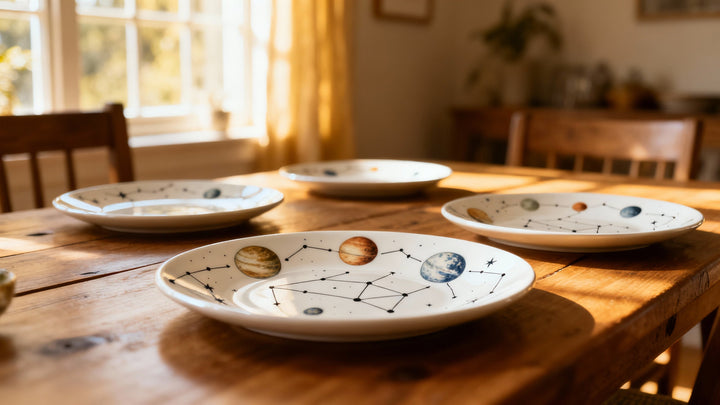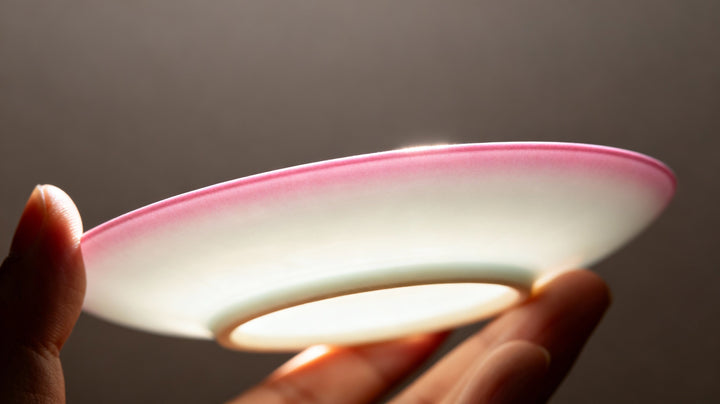


Infant suction bowls look delightfully simple on your highchair tray: a charming ceramic dish in a joyful colorway, anchored by a neat little suction base that promises to keep peas and pasta out of your lap. Yet if you have actually fed a real baby, you already know the truth. Some bowls cling like loyal companions. Others give up the moment your toddler’s pinky twitches.
As someone who spends an unreasonable amount of time thinking about colorful tabletops and tiny diners, I can tell you that the secret is not just “buy a suction bowl and hope.” Under every successful stick is a surprisingly elegant set of physics principles. Once you understand those, you can choose and use suction cup ceramic bowls in a way that feels far more intentional, joyful, and effective.
In this guide, we will walk through how suction really works, why some bowls fail, and how to set up your ceramic suction bowls so they behave more like a helpful mealtime co–host and less like a flying saucer.
What Is A Suction Cup Ceramic Baby Bowl, Really?
Most infant suction bowls, including ceramic versions, are a hybrid of two main parts. The top is your bowl, which might be ceramic, bamboo, silicone, stainless steel, or BPA‑free plastic. The bottom is a flexible suction base that sticks to the feeding surface.
Parenting and product guides consistently describe these pieces the same way. For The Baby explains that suction plates and bowls are regular children’s dishes with a built‑in suction base that adheres to flat surfaces so kids cannot easily push or flip them. Nestacular and Yummy Toddler Food both highlight that the suction component is usually made from flexible, food‑grade silicone or similar materials, often paired with a more rigid upper bowl such as bamboo or stainless steel. Avanchy goes a step further with removable silicone suction rings that lock onto bamboo and stainless steel bowls for babies from about 4 months up through the preschool years.
A ceramic suction bowl generally follows this same pattern. The bowl itself is ceramic for weight, visual warmth, and a more “grown‑up” feel. Underneath, a silicone suction ring or pad creates grip on your highchair tray or table. Physics does the rest.
Ceramic brings its own charm to the table. The weight feels more substantial than plastic, it can be glazed in gorgeous colors, and it layers beautifully with adult dishes so your baby’s place setting feels integrated with the rest of the family. But the suction base is where the real science lives.

The Physics Under The Bowl: Pressure, Vacuum, And Friction
Suction cups are not sticky in the way tape or glue is sticky. They cling because they cleverly use air pressure and friction.
A suction‑cup manufacturer’s technical guide, Suction Cups 101, defines the principle like this. When you press a flexible suction cup against a smooth, non‑porous surface and push out the air, you create a partial vacuum between the cup and the surface. The air around us is always pressing down with atmospheric pressure, which at sea level is roughly 14.7 pounds per square inch. Because the air inside the cup has been mostly expelled, the higher pressure outside pushes the cup against the surface. Friction at the rim keeps it from sliding sideways.
The same guide notes that the holding force of a suction cup can be approximated by a simple formula: force equals contact area times pressure. In other words, the larger the effective area of that sealed circle under your baby’s bowl, the more total “push” atmospheric pressure has to pin it in place.
Brightberry, a brand that focuses on suction plates and bowls, describes this in parent‑friendly language. Suction works by creating a vacuum seal between the bowl’s base and the table or tray. Air is pushed out, air cannot easily get back in, and the bowl stays put.
Under a ceramic suction bowl, the physics looks like this. The silicone base flexes as you press. Air is squeezed out along the rim. Atmospheric pressure presses the base up against the highchair tray, while friction between the silicone and the tray resists sliding. As long as no air sneaks back in and the surface is smooth enough, the bowl feels surprisingly locked down.
Surface Smoothness And Cleanliness: Where Most Bowls Win Or Lose
If you remember nothing else from this article, remember this: suction is only as good as the surfaces it touches.
Brightberry emphasizes that suction plates and bowls need a smooth, flat, non‑textured surface that is clean, dry, and free from grease, water, or food particles. Even tiny crumbs or scratches at the contact point let air seep into the vacuum zone, which weakens the seal. Busy Baby, a family‑run brand known for its suction mats, repeats the same message with their products. They point out that textured tables and trays simply do not allow suction cups to work, while smooth surfaces like glass and mirrors reveal the suction cups’ full potential. Their customer guidance even suggests testing a mat or suction cup on a clean window or mirror; if it will not stick there, something may be wrong with the cup itself.
Specialized guidance on suction cup maintenance from sources like Sove‑Tech and a cleaning guide on Dhgate make the same point in more general household terms. Dust, oils from fingers, soap residue, and micro‑scratches on either the cup or the surface are the main culprits when a suction cup “loses stickiness.” They recommend washing both the suction cup and the mounting surface with warm water and mild dish soap, rinsing thoroughly, and drying completely with a lint‑free cloth. Harsh chemicals and abrasive scrubbers are discouraged because they can scratch or stiffen the material, which reduces its ability to make a tight seal.
For your ceramic suction bowl, this means the base of the bowl and the highchair tray need to behave like a clean, smooth window. Glazed ceramic usually qualifies as smooth and non‑porous, which is great. The highchair tray is the wildcard. Many trays have a light texture molded in for design or grip. In those cases, Brightberry suggests using a “suction sticker” or a silicone mat to create a smooth patch first, then pressing the suction base onto that patch.
In practical terms, a quick wipe is rarely enough. A tiny smear of avocado or a faint haze of dish soap can compromise the physics. When parents complain that “this bowl never sticks,” the culprit is often a slightly textured tray or invisible residue rather than the suction cup itself.

Contact Area, Shape, And Why Some Bowls Pop Off
Because holding force depends on contact area and pressure, design details under the bowl matter as much as the pretty color on top.
Suction Cups 101 offers a helpful example. A suction cup with about a 0.8 inch radius (roughly 2.0 centimeters) can generate around 130 newtons of force when the vacuum is strong and atmospheric pressure is doing its job. That is a lot of cling for a tiny disc. Scale that up to a wide silicone ring under a baby bowl and the theoretical holding power can be very high, especially on an ideal smooth surface.
In the real world of highchairs and oatmeal, geometry matters. Brightberry recommends plates and bowls with a broad, flat suction base that maximizes surface contact. Alpha Mom’s hands‑on review of popular suction plates and bowls backs this up indirectly. Their testers found that many designs with multiple small suction cups, such as Gerber’s tri‑suction bowls, did not hold well. Toddlers could easily detach these bowls despite the three‑cup design. In contrast, plates with a single, continuous suction ring, like the Sugarbooger suction plate, tended to perform better, although even that plate had mixed reviews and required some effort to reattach the ring.
You can think of a suction ring under a ceramic bowl as issuing one big physics challenge instead of several small ones. A wide ring with good flexibility hugs micro‑irregularities and spreads atmospheric pressure evenly. Several small cups, especially if they are slightly stiff, have more edges where air can sneak in and more chances for one cup to fail, which often triggers the rest.
Material Flexibility, Ceramic Weight, And The Suction Sweet Spot
Material choice shapes how all of this physics feels in your hands.
Brightberry specifically recommends silicone tableware over harder plastics because silicone’s flexibility helps create a stronger seal and better adhesion to smooth surfaces, while also being durable. Nestacular notes that silicone baby bowls are flexible, nearly unbreakable, and heat‑resistant up to about 428°F, and many are microwave and dishwasher safe. These properties make silicone a natural fit for suction bases; it can deform just enough to squeeze out air and conform to the surface.
Rigid materials like ceramic, bamboo, or stainless steel do not flex much, which is why they are almost always paired with a separate flexible suction component rather than trying to suction with the bowl itself. Wirecutter’s review of nonplastic feeding tools describes an Avanchy stainless steel suction bowl with a removable silicone base. The metal bowl stays cool to the touch while double‑wall insulation keeps food warm, and the silicone suction ring helps it hold position on the table. At the same time, Wirecutter notes that determined toddlers can still peel the suction base up, so it is helpful rather than magical.
Ceramic behaves similarly to stainless steel and bamboo in this equation. The ceramic body gives satisfying heft and a table‑worthy aesthetic. The silicone suction base underneath does the flexible work. The extra weight of ceramic can be a bonus, because a heavier bowl is harder to scoot accidentally. That said, physics does not discriminate between “oops” and “I am a tiny scientist who loves to throw.” If a toddler manages to break the seal and lift the bowl, the same weight that once felt reassuring can make the resulting crash more dramatic, which is why close supervision remains essential.

What Real‑World Tests Reveal About Suction Performance
Multiple parent‑oriented reviewers have done what many of us do at home: hand a set of suction bowls and plates to real children and see what survives.
Alpha Mom tested a variety of suction plates and bowls and came away somewhat disappointed with most. Their standout among traditional plates was the Sugarbooger suction plate, which combined cute designs and useful dividers with one of the only suction bases that worked reasonably well. Even then, they note that the removable suction ring could be tricky to reattach and that older toddlers often found ways to defeat suction.
Their strongest performers in terms of pure sticking power were not bowls at all but silicone placemats that fuse plate and mat into one piece, such as the ezpz Happy Mat. These mats form a large, flat silicone footprint that adheres across much of the highchair tray. They held on dramatically better than most discrete plates or bowls, but even they could be peeled up by older children and were a bit bulky for travel.
Reviewed’s month‑long testing of suction plates and bowls for toddlers reached similar conclusions. Their top suction bowl, the OXO Tot Stick & Stay, was praised for strong suction and easy removal by adults, while the Bumkins Silicone Grip Dish excelled as a plate that toddlers could not lift easily on both textured and smooth surfaces. However, the testers also confirmed what suction cup manufacturers say: suction performance depends heavily on the surface. They tested on glass, wood, quartz, and plastic trays, with and without crumbs and moisture. Smooth, clean surfaces consistently produced better results.
Wirecutter’s nonplastic tableware guide adds another useful data point. The Avanchy stainless steel suction bowl earned high marks for build quality and helpful suction, but testers still saw toddlers peel it off. The takeaway is not that suction is a gimmick. It is that suction is a physics‑based helper with real limits, and those limits show up quickly when a curious baby leans into the experiment.

Ceramic Versus Other Materials: A Quick Physics‑Flavored Comparison
Although our focus is ceramic, it helps to see where it sits among other popular options.
Here is a compact comparison through a physics lens. This table focuses on common bowl types discussed in sources like Nestacular, Yummy Toddler Food, Wirecutter, and For The Baby, and how they relate to suction behavior.
Aspect |
Ceramic bowl with silicone suction base |
All‑silicone suction bowl |
Stainless steel or bamboo bowl with suction base |
Bowl rigidity |
Rigid; does not flex |
Flexible throughout |
Rigid bowl; flexible base |
Bowl weight |
Medium to heavy, depending on size |
Generally lighter |
Bamboo is light; stainless steel similar to ceramic |
Suction base material |
Typically silicone ring or pad |
Same silicone as bowl body |
Silicone suction ring or pad |
Seal formation |
Base flexes; ceramic simply rides on top |
Whole base can flex and conform |
Base flexes; bowl body does not |
Heat handling |
Ceramic handles warm food well; may retain heat |
Silicone is heat‑safe and microwave friendly |
Stainless steel may stay cool outside while food stays warm; bamboo cannot be microwaved |
Durability when dropped |
Can chip or crack if thrown |
Unlikely to break; may bounce |
Stainless steel resists breaking; bamboo may crack over time |
Aesthetic and tabletop feel |
Feels like “real” dinnerware with color options |
Soft, playful, often in bright kid colors |
Natural or metallic look; more “eco” or “minimal” vibe |
From a pure suction physics standpoint, all three rely on the same principles. The differences show up in comfort, long‑term durability, and how forgiving the bowl is when your child decides to test gravity. For families who love colorful ceramic and want the table to feel cohesive across ages, a ceramic bowl with a high‑quality silicone base can hit a sweet spot between performance and aesthetics.
Practical Physics: How To Get The Strongest Stick From Your Ceramic Suction Bowl
Suction is never one hundred percent guaranteed, but thoughtful setup can dramatically increase your odds of a calm, less splashy meal.
Prepare The Surface Like A Tiny Lab Bench
Brightberry, Busy Baby, Sove‑Tech, Dhgate, and cleaning experts like Cubkins all circle around one message. Clean and dry are non‑negotiable.
Before you seat your baby, wash the highchair tray or table area where the bowl will sit using warm water and a mild, baby‑safe dish soap. Rinse away any soap film and dry thoroughly with a clean, lint‑free cloth or let it air‑dry. Do the same for the silicone suction base under your ceramic bowl, especially after sticky meals. Cubkins notes that even small amounts of milk or food residue can harbor germs and shorten the life of feeding accessories, so this step supports both suction performance and hygiene.
Avoid rough scrubbers, harsh chemicals, or abrasive powders, which Dhgate and Sove‑Tech both flag as enemies of suction cups. They can scratch or dry out silicone and plastics, creating micro‑gaps where air and moisture slip in. If mineral buildup or soap scum appears, a short soak in a solution of equal parts white vinegar and water, followed by a thorough rinse, is often enough to revive the material without damage.
If your highchair tray has a pebbled texture, consider Brightberry’s suggestion of adding a smooth “landing pad,” such as a suction sticker or a large silicone placemat with a flat surface. In that case, you press the ceramic bowl’s suction base onto the smooth pad rather than onto the textured tray directly.
Master The Mounting Technique
The way you press your bowl down is one of the most underrated parts of the process.
Brightberry recommends pressing in the center of the plate or bowl to expel air, not just along the edges. Busy Baby echoes this advice for their mats, encouraging parents to firmly press each suction point to give it the best seal. Suction Cups 101 likewise emphasizes pressing fully to push out trapped air and occasionally “burping” the suction by pressing again during use to remove any new air that has seeped in.
For a ceramic suction bowl, the move is simple. Place the bowl where you want it. Press straight down on the middle of the bowl, using your body weight to help the silicone base compress and hug the surface. Listen and feel for the subtle squish as air escapes. A gentle tug on the rim should meet firm resistance.
Some suction cup care guides note that a very thin film of clean water on the suction face can help fill microscopic gaps and improve adhesion. However, too much water acts like a lubricant rather than a helper. If you experiment with this, think “barely damp,” and remember that Brightberry and Busy Baby both emphasize fully dry surfaces as the default.
Expect Some Suction Drift Over Time
Even the best seal relaxes. Suction Cups 101 explains that temperature and humidity changes, as well as slow air leakage, can cause gradual loss of grip. Brightberry notes that suction performance can degrade during the course of a meal if air was trapped during mounting or if surfaces were not perfectly clean.
In a practical sense, this means a bowl that felt rock‑solid at the first spoonful might slide slightly or pop off toward the end of lunch, especially if a determined toddler keeps testing the perimeter. You can quietly re‑press the bowl mid‑meal, just as suction cup guides recommend periodically re‑seating cups used in bathrooms or kitchens.
Reviewed’s testers even observed some products that needed occasional re‑pressing during meals, particularly when crumbs or spilled water crept under the base. This is not a sign that suction is pointless. It simply reflects the fact that your dining environment is changing in real time and physics is responding.

Cleaning, Sterilization, And Long‑Term Suction Health
Good cleaning habits support both grip and safety.
Cubkins, which focuses on baby feeding accessories, recommends rinsing bowls and utensils immediately after use so food does not dry and harden. For infants under about 12 months, they suggest daily sterilization of bottles and nipples using boiling water, steam, microwave sterilizers, or similar methods, depending on material instructions. Silicone feeding products, they note, can typically be washed with warm soapy water and optionally sterilized by boiling or steaming, with silicone resisting odor and staining better than many plastics.
At the same time, individual manufacturers set specific limits. Munchkin’s care instructions for its Stay Put suction bowls, for example, explicitly say not to microwave the bowls or subject them to boiling or steam sterilization, likely because of the materials involved. Their guidance is to use the top rack of the dishwasher or hand‑wash, inspect before each use, and discard bowls at the first sign of weakening, cracking, or damage.
Busy Baby adds another nuance for silicone suction products. Over many dishwasher cycles, buildup can accumulate, which may reduce suction. Their tip is to occasionally sterilize their mats by boiling them in a large pot of water with a bit of vinegar for several minutes to return the material closer to its original state.
For a ceramic suction bowl, this means you should follow the most cautious combination of the bowl manufacturer’s directions and general silicone care advice. The ceramic portion may tolerate high heat, but the suction base might not. When in doubt, a warm soapy wash, a thorough rinse, and careful air‑drying on a clean rack, as Cubkins recommends, are both gentle and effective. Periodically inspect the suction base for cracks, warping, or sticky buildup and retire it if it no longer forms a reliable seal.
Safety And Development: When Physics Meets Tiny Humans
Suction bowls are here to support both safety and skill‑building, not to replace your presence.
For The Baby points out that suction plates and bowls are especially helpful during early weaning, when babies are first exploring solids and tend to create chaos at the table. By keeping dishes more stable, suction reduces accidental spills and helps babies focus on scooping and self‑feeding. BCBabycare adds that suction plates can encourage babies to practice grasping food and utensils, supporting fine motor skills, independence, and confidence. Nestacular notes research indicating that babies using age‑appropriate bowls with good grip may develop fine motor skills noticeably faster than those using adult dinnerware, highlighting the developmental value of well‑designed feeding tools.
At the same time, baby‑led weaning communities remind us that messy exploration is a developmental stage, not misconduct. One widely shared post emphasizes that babies are not born understanding cause and effect, or adult ideas of tidiness. Tipping plates, dropping spoons, and pushing food over the edge of the table are how they learn what happens when they act on their environment. A suction bowl makes that exploration less catastrophic for your floor, but it does not (and should not) eliminate learning.
Safety discussions in parenting groups occasionally highlight concerns around certain designs, such as circular silicone bowls that might, in rare scenarios, end up on a baby’s face. Commenters respond by stressing that no product can substitute for close supervision. Munchkin’s safety instructions echo that professional stance, advising caregivers never to leave a child unattended while using feeding equipment and to discard packaging before giving any product to the child.
In other words, from a colorful tabletop perspective: let physics help, but stay in the frame. Your presence is the true safety feature.
Troubleshooting Common Suction Failures
If your ceramic suction bowl is misbehaving, it is almost always a physics problem you can diagnose.
When the bowl will not stick at all, the usual culprits are texture and contamination. As Brightberry and Busy Baby explain, textured trays and tables simply will not create a vacuum seal. Even barely visible texture interferes. If the surface passes the smoothness test, the next suspect is residue. Following the cleaning sequences recommended by Sove‑Tech, Dhgate, and Cubkins—mild soap, thorough rinse, full dry—often restores performance.
If the bowl sticks at first but pops off mid‑meal, you may be seeing slow air leakage or interference from crumbs and spills. That is where mid‑meal “burping” by pressing down again can help. Observations from Reviewed’s testers, who saw some suction plates lose grip over time, line up with the suction cup manufacturer’s warning that fluctuations in temperature and humidity, plus gradual air entry, loosen suction.
If your baby has developed a signature move of peeling up the bowl edge, you are up against the limits of suction itself. Wirecutter’s testing of the Avanchy stainless suction bowl and Alpha Mom’s evaluation of various suction plates both show that once toddlers learn how suction works, many of them figure out how to defeat it, especially by exploiting the release tab or a lifted corner. At that point, the strategy is more behavioral than mechanical: make sure the bowl is very well mounted, keep meals engaging, serve age‑appropriate amounts, and be prepared to transition gradually from suction bowls to heavier, non‑suction dishes as your child’s self‑control and coordination improve.
Choosing A Suction Ceramic Bowl With Physics And Joy In Mind
Because you are reading a physics‑infused tabletop guide, you are already in the top tier of intentional bowl buyers. The remaining question is how to choose a ceramic suction bowl that aligns with both your style and the realities of suction.
You want a wide, flat suction base made from flexible, food‑grade silicone, echoing Brightberry’s recommendation for surface contact. A removable base, similar to what Avanchy uses for bamboo and stainless bowls, can be handy for cleaning and eventually reusing the bowl without suction. Check that the ceramic underside where the base attaches is flat and smoothly finished, not slightly curved or indented, so the base can sit evenly.
Capacity matters as well. Nestacular suggests deeper suction bowls in the 4 to 6 ounce range for babies around 4 to 6 months, with gradually larger bowls as children grow. That aligns nicely with ceramic bowls sized specifically for baby portions rather than adult soup bowls that happen to have a suction pad.
On the safety and material side, Nestacular and Yummy Toddler Food underscore the importance of food‑grade, BPA‑free, and phthalate‑free materials, with silicone that meets relevant standards such as FDA food‑contact requirements. Eco‑oriented brands like Avanchy add sustainability benefits when they pair natural materials with long‑lasting silicone.
Finally, your joy curator side gets a vote. A ceramic suction bowl that picks up the tones of your own plates, or that adds a punchy accent color to an otherwise minimal table, makes the entire feeding experience feel more cohesive and fun. Mealtimes with tiny humans are inherently chaotic. Surrounding that chaos with beautiful, well‑designed objects that behave predictably is a small but real gift to yourself.
FAQ: A Few Quick Physics‑Flavored Questions
Can a suction ceramic bowl ever be completely “baby proof”?
Not really. Testing from Alpha Mom, Reviewed, and Wirecutter all converge on the same conclusion. Good suction significantly reduces accidental spills and makes it harder to flip dishes, especially for younger babies, but determined toddlers often learn how to peel up the edge or pull on the release tab. A well‑designed suction base used on a clean, smooth surface will dramatically improve stability, but it will never replace supervision or the need to keep portions reasonable.
Is it safe to microwave food in a suction ceramic bowl?
That depends entirely on what the manufacturer recommends for both the ceramic bowl and the suction base. Some silicone bowls, like the heat‑resistant options described by Nestacular and Yummy Toddler Food, are explicitly microwave safe. In contrast, Munchkin’s care instructions for certain suction bowls warn against microwave use and against boiling or steaming. When a ceramic bowl with a silicone base is involved, the safest approach is to check the product’s specific guidance. If there is any doubt, reheat food in a separate microwave‑safe container and transfer it to the bowl before serving.
How long should I rely on suction bowls?
Guides from For The Baby and Nestacular suggest that suction dishes can be useful from the start of solids through roughly age three and sometimes beyond, especially for kids who are still working on utensil use or who tend to knock dishes over. Avanchy designs its suction bowls with children up to about six years old in mind. Over time, as your child’s coordination improves and intentional throwing declines, you can transition gradually to non‑suction dishes while still choosing shapes and sizes that support independent eating.
Ceramic suction bowls sit at a lovely intersection of physics and everyday pleasure. When you pair a thoughtfully designed silicone base with a smooth surface, clean habits, and realistic expectations about what suction can and cannot do, you transform mealtimes from “defend the table” to “enjoy the color and the company.” Think of suction not as a magic trick but as a quiet, hard‑working layer of science under your baby’s bowl, freeing you up to savor the moment, the mess, and the tiny, joyful experiments happening at your beautifully set table.
References
- https://lifehacker.com/prevent-mealtime-mess-with-this-diy-suction-cup-bowl-1785968106
- https://www.munchkin.com/stay-put-suction-bowls?srsltid=AfmBOops9j77nh6EBx9EginiJeprcbInFV44yiklP_9kMkYUzKR9megx
- https://avanchy.com/collections/suction-bowls?srsltid=AfmBOop18TqFse5KsdOBmXvglhou6o4S8437ozXMbUN3BwtN4cGfPfUe
- https://smart.dhgate.com/the-ultimate-guide-to-cleaning-suction-cups-for-maximum-stickiness-and-longevity/
- https://www.lknbreastfeedingsolutions.com/articles/siliconepump
- https://www.meetlalo.com/products/bowl?srsltid=AfmBOorHnRqVw8VIDrF3smZtU6tP3SgZrXu0SxORo-Pi_PjQi5PUVMb9
- https://papercliplife.com/products/suction-bowl?bvstate=pg:2/ct:r&srsltid=AfmBOooZyDBMfONvLSQ9OmDUSnPlf3hYSgYqf6D879qOwN5CwMzA4G7u
- https://www.sove-tech.com/blog/maintenance-tips-for-suction-cups-ensuring-longevity-and-performance
- https://suctioncups.com/pages/suction-cups-101
- https://www.yummytoddlerfood.com/cool-bamboo-suction-bowl/